
US Withdrawal from Kosovo: A Wrong Move at the Wrong Time

Express newspaper
15/04/2026 23:43
Reports indicate that Washington is considering withdrawing US forces from the NATO-led Kosovo Force (KFOR), which has prompted opposing reactions in Washington and across Europe.
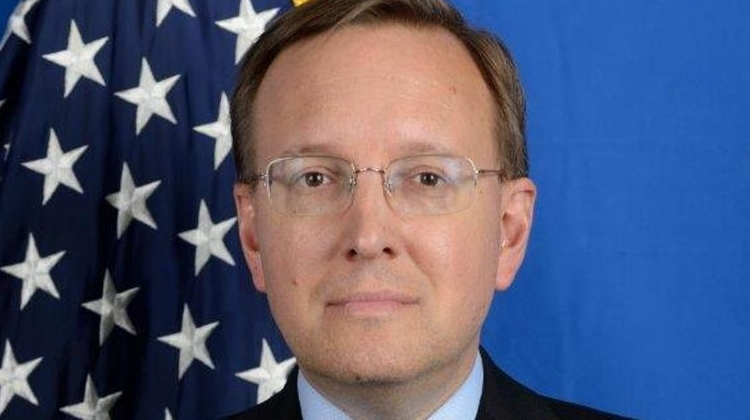
Written by: By David J. Kostelancik
Lawmakers from both parties in Congress, NATO allies and regional governments reacted by warning that a premature withdrawal could destabilize fragile security in the Western Balkans and embolden Russia and Serbia.
The US currently contributes about 600 troops to KFOR, a multinational peacekeeping force of about 4,500 to 4,800 personnel, and leads Regional Command East from Camp Bondsteel, near Ferizaj. The base, built in 1999, is one of the largest US military installations in Europe and a vital logistical and operational hub for NATO in the region.
U.S. personnel in Kosovo provide a wide range of capabilities, including intelligence, logistics, and command support. They also participate in joint exercises and regular rotations with U.S. National Guard units, reflecting the mission’s ongoing operational role in maintaining stability and readiness in the region. The area has remained contested since Serbia’s withdrawal in 1999. Belgrade does not recognize Kosovo and there are frequent troop movements and civil unrest.
KFOR operates under NATO authority and has a mandate to ensure a “secure and stable environment” and freedom of movement for all communities in Kosovo. The legal framework for this force was established by UN Security Council Resolution 1244, which authorized an international security presence after the end of the war.
At the beginning of the mission in 1999, KFOR consisted of approximately 50,000 multinational troops, including a large American contingent. American forces played a central role in stabilizing the territory in the immediate post-war period, when Kosovo lacked functional institutions or security structures.
The mission gradually transitioned from active conflict management to long-term peacekeeping, and troop numbers were reduced as the security situation improved. The US role has remained strategically important due to its leadership in the NATO command structure and operational capabilities.
The internal discussions within the US administration on Kosovo are part of a broader review of global military commitments. Officials have stressed the need for more efficient allocation of resources and to encourage allies to take more responsibility for regional security.
Secretary of State Marco Rubio has signaled that Washington is reviewing overseas deployments to determine where American military assets are most needed. The review reflects a strategic shift toward deterring great powers and reinforces NATO’s core mission of protecting its members.
One argument is about burden-sharing. European countries contribute about 65% of KFOR troops, and American officials believe they should take on a larger share of the responsibility. Supporters of reducing the American role say that European countries have the resources and geographical proximity to manage stability in the Western Balkans.
However, the possibility of a withdrawal has caused significant bipartisan concern in the US Congress. Lawmakers have warned that a premature reduction of US forces could have ripple effects in the region.
They argue that the American presence remains an important deterrent to new ethnic eruptions between Kosovo Albanians and Serbs. They also warn that a withdrawal could create opportunities for outside powers, particularly Russia, to expand their influence in the Western Balkans.
European allies have expressed similar concerns. NATO officials say a smaller American presence could encourage nationalist movements in northern Kosovo, where ethnic Serbs have strong ties to Serbia.
Analysts also warn that instability in Kosovo could spill over into neighboring countries such as Bosnia and Herzegovina, where political tensions remain high. For many European governments, the US role in KFOR symbolizes Washington’s long-term commitment to security in the Balkans.
The debate comes at a particularly sensitive time. Kosovo is experiencing a major constitutional crisis, with a dispute between President Vjosa Osmani and Prime Minister Albin Kurti, while relations with Washington have cooled.
The US suspended the strategic dialogue with Kosovo late last year as a result of the Kurti government’s actions, which it said had “increased tensions and instability.” The US Embassy in Pristina stated that these actions had “challenged the progress achieved over the years.”
Despite the debate, NATO officials have played down reports of an imminent withdrawal. They have said that no major changes to the mission are being considered and that troop levels will depend on security conditions.
However, the very possibility of a reduction raises broader questions about the future of NATO peacekeeping missions and the changing role of the US in European security. As policymakers weigh strategic priorities, the debate over KFOR underscores the importance and continuing fragility of the Western Balkans.
In the context of increasing trilateral cooperation between Albania, Croatia, and Kosovo, a reduction in KFOR could be interpreted by Serbia and Russia as a sign of Western disapproval of this cooperation.
On the other hand, if the US withdraws from KFOR while simultaneously showing support for this regional cooperation, allies can still feel secure and destabilizing actors can be deterred from exploiting a smaller US military presence.
David J. Kostelancik is a former senior U.S. diplomat who currently serves as a nonresident Senior Fellow at the Center for European Policy Analysis (CEPA). A career member of the U.S. Foreign Service with the rank of Minister Counselor, he served from 2024 to 2025 as the deputy coordinator for terrorism prevention and interdiction in the State Department’s Bureau of Counterterrorism. From 2021 to 2023, he was the foreign policy advisor to the chairman of the Joint Chiefs of Staff. His overseas assignments include serving as deputy chief of mission and chargé d’affaires at the U.S. Embassy in Hungary, as well as two postings in Russia. He holds bachelor’s degrees in mathematics and political science from Northwestern University, a master’s degree in Russian and East European studies from the University of Michigan, and a Master of Science degree in national security strategy from the National War College.
Taken from Tirana Times.