

16
Apr 2026
The European Commission has opened applications for 40,000 free rail passes under its DiscoverEU program, giving 18-year-olds the chance to travel across Europe in 2026 and 2027.
Applications opened on April 8 and will close on April 22 at noon CET. The initiative targets young people born between July 1, 2007 and June 30, 2008, offering selected participants the opportunity to explore multiple countries using primarily train travel.
The program is part of the EU’s Erasmus+ framework and aims to expand access to travel, cultural exchange, and independent mobility for young people across Europe and partner countries.
Free passes up for grabs
Successful applicants will be able to travel between July 1, 2026 and September 30, 2027. Each participant can use the pass for up to 30 days, with travel typically structured as seven travel days within a one-month period.
Rail remains the main mode of transport under the program, with alternative arrangements available for participants from remote regions or islands.
Participants can travel alone or form small groups of up to four people, provided all members meet the eligibility criteria and apply together.
Who can apply
The program is open to residents of European Union countries, overseas territories, and several countries associated with the Erasmus+ program. These include Iceland, Liechtenstein, North Macedonia, Norway, Serbia, and Türkiye.
Applicants must complete an online form and answer a short quiz about the European Union. Travel passes are awarded based on rankings from the quiz results.
The initiative continues to draw high interest. Since its launch in 2018, more than 1.9 million people have applied, with over 431,000 passes awarded.
(Image courtesy of BrasilNut1 via iStock)
More than just travel
In addition to the travel pass, selected participants receive a discount card that provides reduced prices on public transport, accommodation, cultural venues, food, and sports activities.
The program also includes pre-departure information sessions and organized meet-ups across Europe, where travelers can connect with others taking part.
Extra support is available for participants with disabilities, health conditions, or limited financial resources. This may include additional funding or the option to travel with an accompanying person.
First trips for many
Data from previous rounds shows that many participants are traveling abroad for the first time. According to the European Commission, 72% of participants had never traveled internationally by train before joining the program.
More than two-thirds said that they would not have been able to afford the trip without the initiative.
The program encourages participants to design their own travel routes or follow suggested itineraries. These include themed routes focused on culture, sustainability, and digital innovation.

(Image courtesy of Тодорчук Екатерина via iStock)
Big year for Europe travel
The 2026 edition coincides with European Youth Week and the 40th anniversary of the Schengen Area, which allows passport-free travel across much of Europe.
Glenn Micallef, European Commissioner for Intergenerational Fairness, Youth, Culture and Sport, said that the program gives young people the chance to experience Europe by rail and connect with others across the continent.
“For many, this is also their first opportunity to travel independently and connect with people from all over Europe,” Micallef said.
He added that this year’s edition focuses on solidarity and fairness.
Borders go fully digital
The DiscoverEU travel period overlaps with major changes to Europe’s border systems.
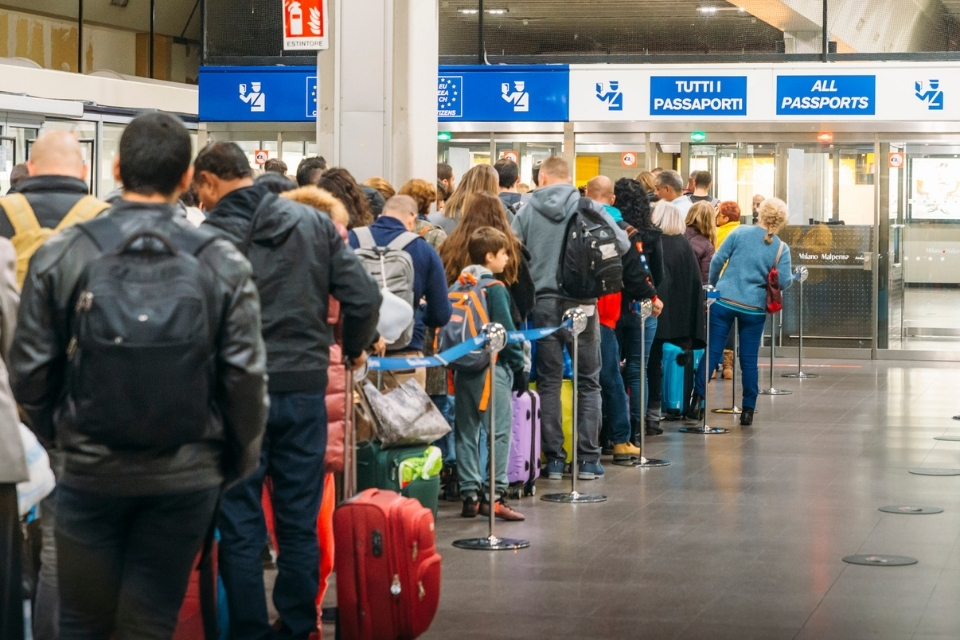
The Entry/Exit System (EES) became fully operational on April 10, 2026. The digital system records the entry and exit of non-EU nationals traveling for short stays and replaces traditional passport stamping at many borders.
The European Travel Information and Authorization System (ETIAS) is expected to launch in the last quarter of 2026. It will require visa-exempt travelers from 59 countries to obtain authorization before entering 30 European countries for short stays.

(Image courtesy of Kar-Tr via iStock)
Travel rules start shifting
For young travelers entering from outside the EU, the rollout of EES and ETIAS may affect how they plan their trips.
The EES introduces automated border checks and biometric registration, which may change the arrival process at airports and other entry points. ETIAS will require travelers to apply online in advance, with most applications processed quickly but some taking several days.
The program’s focus on rail travel also means many journeys will take place within the Schengen zone, where border checks are limited or absent.
Youth travel takes off
The DiscoverEU program continues to offer thousands of young people the chance to travel across Europe at no cost, with 40,000 passes available in 2026.
With strong demand and growing participation, the initiative remains a central part of the EU’s push to expand youth mobility and cross-border experiences, even as new digital border systems reshape how travelers enter the region.