
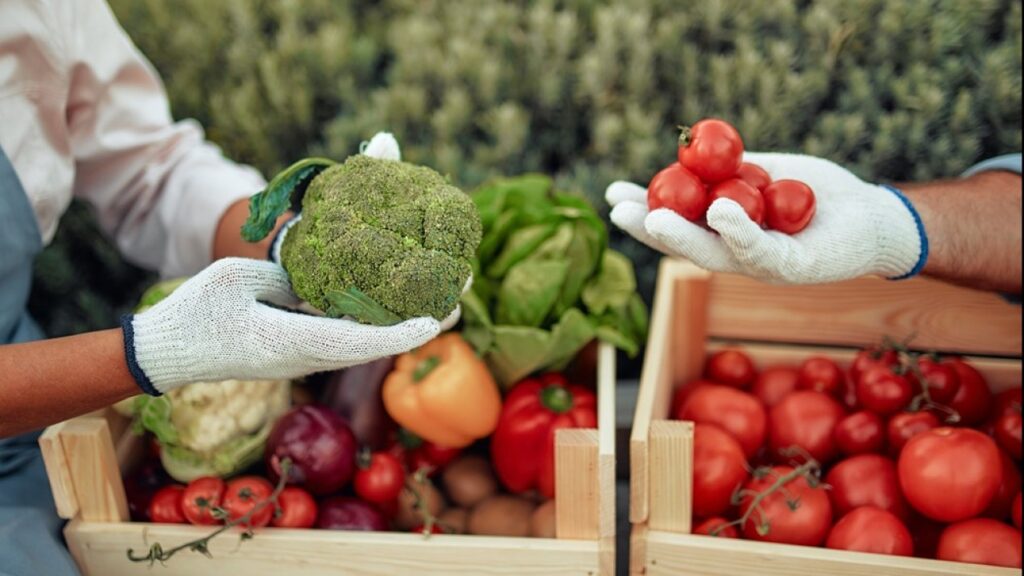
The modernization of the EU–Mexico Free Trade Agreement (TLCUEM) is set to expand tariff-free access for the majority of Mexican agri-food exports, strengthening Mexico’s ability to diversify trade beyond its heavy reliance on North America. The agreement introduces improved regulatory cooperation, market access conditions, and protections for geographical indications, directly impacting producers and exporters across agriculture, fisheries, and agroindustry. This development is significant amid shifting US trade dynamics, positioning the European Union as a strategic growth market for Mexico’s export-oriented sectors.
__________________________________________________________________________
Mexico’s Ministry of Agriculture and Rural Development (SADER) and the National Agricultural Council (CNA) led the Mexico–European Union Forum: Agri-Food Opportunities and Diversification, aimed at identifying concrete export opportunities and diversifying external markets. These sessions addressed alternatives to regulatory, sanitary, logistical, and commercial challenges faced by Mexican agri-food exporters seeking deeper integration into the European market.
The event was structured around four working groups focused on the livestock, fruits and vegetables, agroindustry, and fisheries sectors. Participants also outlined priority actions ahead of the agreement’s expected signing in May, following its modernization.
The forum created a platform for dialogue between Mexican and European authorities, companies, associations, and key stakeholders in the agri-food sector to analyze the European market and identify tangible export opportunities within the framework of the renewed European Union–Mexico Free Trade Agreement (TLCUEM). The signing of the agreement is expected to be finalized in May. The new agreement will grant tariff-free access to more than 83% of agri-food products, opening an immediate window of opportunity for Mexican exporters.
The original TLCUEM, signed in 2000, was the first free trade agreement between a Latin American country and Europe. At the time, it enabled trade between the two regions to grow more than fourfold in just over a decade. Today, the European Union is the world’s largest importer of food products and one of the main destinations for Mexican exports.
Deborah Alcocer, Head of Trade Negotiations, Ministry of Economy, highlighted the significant opportunity presented by gaining access to the European market, which comprises approximately 450 million consumers. She noted that Mexico currently represents only about 0.2% of the European Union’s agri-food imports, underscoring the substantial potential for growth.
“The modernization of the agreement should be understood as a strategic tool to diversify our trade … It opens a highly relevant window for Mexican producers and exporters to take advantage of the European market under improved access conditions and greater predictability,” she said.
Under the new agreement, 86% of Mexican agricultural and fisheries products are expected to enter the EU tariff-free immediately. In addition, quotas and preferential terms will be established for strategic products such as orange juice, bananas, honey, fish and seafood, as well as agroindustrial and livestock products. “The agreement will allow Mexico to strengthen its strategy to diversify markets and expand its presence in Europe, where products such as coffee, tequila, and avocado are already well established,” Alcocer added.
Jorge Esteve, President, National Agricultural Council (CNA), noted that although Mexico has a trade platform consisting of 14 agreements with 52 countries, more than 90% of its agri-food exports are currently concentrated in North America. He emphasized that Mexico ranks 30th as a supplier of agri-food products to the European Union, with agri-food and fisheries exports reaching US$1.5 billion in 2025, highlighting both a major challenge and a valuable opportunity. “The challenge is to diversify, innovate, and strengthen our capabilities to compete in the world’s most demanding markets,” Esteve said.
Following the volatility shown by the United States, in recent years, diversifying the market has become a priority for the national productive sector. For example, in the case of products such as mango, authorities are exploring new sales channels in Japan, as well as in European Union countries such as France and Spain. More specifically, states like Guanajuato are seeking to expand trade with Brazil, while Chiapas is looking toward Vietnam, demonstrating a broader push to diversify export destinations.
Leonel Cota, Deputy Minister of Agriculture, stated that in light of the new agreement with the European Union, SADER is committed to serving as an ally to producers. He also noted that under the updated agreement, bureaucratic barriers that complicate trade processes will be streamlined for the benefit of Mexican producers.
Francisco André, Ambassador of the European Union to Mexico, said that the forum provides an opportunity to explain the new agreement and promote its benefits. “It also contributes to a clearly stated objective of the Mexican authorities, particularly President Claudia Sheinbaum, to diversify the country’s economic activity,” he noted.
On the European Union side, benefits include increased market access for agri-food exports through the removal of 95% of high Mexican tariffs, additional support for small businesses through simplified standards and procedures, and stronger protections for climate and labor rights via enhanced cooperation and enforceable commitments.
The agreement also protects 568 EU Geographical Indications, including Champagne, Parma ham, Modena balsamic vinegar, and Rioja wine, safeguarding Europe’s iconic food and beverage products from imitation. This protection will also extend to Mexican products such as Papantla vanilla, Ataulfo mango, and Morelos rice.
The forum brought together 41 organizations from the productive sector, representing products such as avocado, berries, bananas, lemons, mangoes, vegetables, tomatoes, grapes, meat (beef, pork, poultry), egg products, honey, dairy, processed citrus, agave, tequila, mezcal, beer, wine, coffee, cocoa, animal feed, grains, oilseeds, seeds, fisheries, aquaculture, and tobacco. Additionally, 60 agri-food companies participated, along with eight European Union embassies, eight state governments, and seven government agencies.