
Levent Kenez/Stockholm
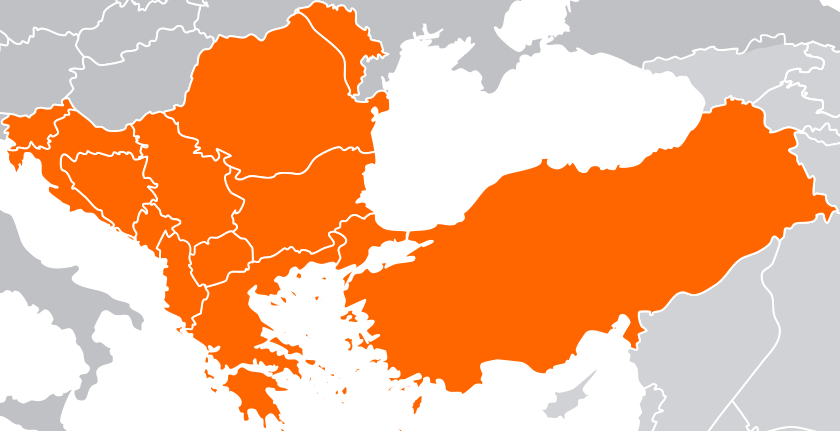
Turkey is pursuing a calibrated strategy in the Balkans that balances defense cooperation with Albania while avoiding friction with Serbia over Kosovo, according to deliberations at the Turkish Parliament’s Foreign Affairs Committee.
“While we carry out these efforts with Albania, we are mindful that Kosovo is sensitive about Serbia and Serbia about Albania. Through careful diplomacy, we sell something to each side and obtain something from each,” a senior Foreign Ministry official told lawmakers, outlining a policy that emphasizes low-visibility defense projects and regional positioning without public escalation. “At times, keeping some projects under the radar, particularly in the defense industry, strengthens our network. In any regional crisis, countries will ultimately look to Turkey.”
The session on April 1 focused on a series of military framework agreements with Balkan countries, including Albania, and the legal and political implications of similar arrangements with Serbia. The discussions stressed Ankara’s effort to expand defense ties and industrial cooperation while maintaining a delicate balance between Belgrade and Pristina.
Lawmakers raised concerns about how Turkey’s agreements with Serbia define territorial scope, particularly language referring to areas under Serbia’s sovereignty in accordance with its national laws. That phrasing reflects Belgrade’s position that Kosovo remains part of Serbia, while Turkey recognizes Kosovo as an independent state.
Deputy Foreign Minister Kemal Bozay indicated that the wording was intentionally broad to avoid derailing agreements that serve Turkish economic and strategic interests. They said the formulation is designed to prevent disputes with Serbia while preserving Turkey’s existing arrangements with Kosovo.
Officials acknowledged that differing international positions on Kosovo create legal ambiguity but said Ankara has opted for flexible language to ensure continuity in investment protections and defense cooperation. A more explicit formulation, they suggested, could have jeopardized the agreement altogether.
They also pointed to practical challenges on the ground, including periodic disruptions affecting Kosovo’s transportation and trade links with Serbia and said Turkey has at times used its diplomatic leverage to ease such bottlenecks. The broader approach aims to maintain access and influence across both sides without forcing a binary alignment.
The committee discussions emphasized that Turkey maintains parallel legal and diplomatic frameworks with both Serbia and Kosovo,, allowing it to operate in each without formally reconciling their conflicting claims. Officials said this dual-track approach would not undermine relations with Kosovo, as separate agreements remain in force.
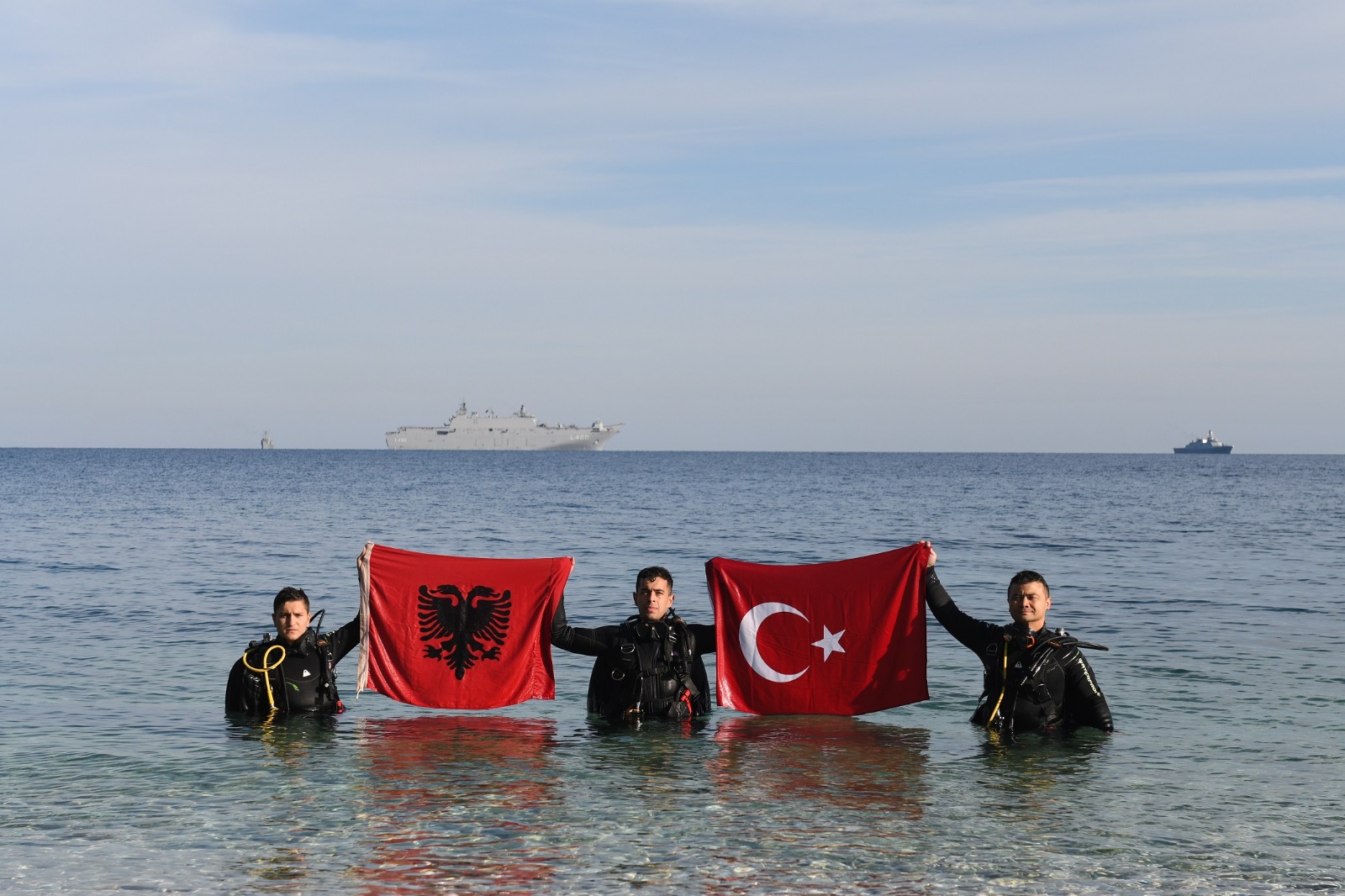
The Albania agreement, approved by the committee, updates a decades-old framework to expand cooperation across military training, defense industry collaboration, logistics, intelligence and humanitarian operations.
Defense industry cooperation between Turkey and Albania is expanding steadily, becoming a central pillar of bilateral ties. Within the framework of military cooperation, Turkey has supplied equipment including 15 buses and 40 vehicles, along with logistics support tailored to the needs of Albania’s Defense Ministry. Training activities are also ongoing, with Turkish programs in Tirana preparing Albanian commando candidates. A joint structure of 34 personnel operates between the two defense ministries, while an Albanian infantry unit participates under a Turkish maneuver company in the European Union Force Bosnia and Herzegovina (EUFOR Althea) mission in Bosnia and Herzegovina, reflecting close operational coordination in the field. Cooperation has also extended to procurement, with Albania receiving Turkish Roketsan-produced munitions and 105mm howitzers supplied by Turkey’s state defense contractor.
The debate also touched on broader regional dynamics, including competing influence in the Balkans and the role of infrastructure and transport networks linking the Adriatic, Black Sea and beyond. Officials framed Turkey’s engagement as part of a wider effort to integrate transport, energy and security corridors.
Despite public references to strategic alignment, officials emphasized that some aspects of defense cooperation are deliberately kept out of the spotlight. They said this approach helps avoid political backlash in a region where historical tensions remain unresolved.
The discussions also pointed to the symbolic and practical importance of defense cooperation with Albania, particularly in strengthening Turkey’s presence along the Adriatic corridor. Officials said the updated agreement reflects changing geopolitical conditions and the need for more advanced coordination.
A key element of Turkey’s military footprint in Albania is the Pashaliman naval base, where Ankara has carried out modernization work and provided material support. Officials said efforts are underway to reinforce the legal status governing the facility and explore ways to increase its operational use.
The base is seen as a strategic asset for projecting Turkey’s presence in the Adriatic and supporting broader regional activities. Turkish officials described it as a platform for deepening bilateral cooperation while contributing to NATO’s southeastern flank.
They indicated that the new agreement with Albania could provide a framework for expanding activities at Pashaliman, including logistics, training and potential joint operations. The aim is to integrate the facility more fully into Turkey’s regional defense network.
Under existing bilateral agreements, the Turkish Navy maintains the right to utilize the facility for its own operations in the Ionian and Adriatic seas. Turkey continues to provide critical financial protocols and logistical support aimed at training personnel and restructuring the Albanian Armed Forces to align with NATO standards.
Turkey views the continued development of Pashaliman within NATO as an opportunity to reinforce its role in the alliance and secure leverage against Greece, a neighboring country with which Turkey has longstanding disputes over maritime borders in the Aegean.