
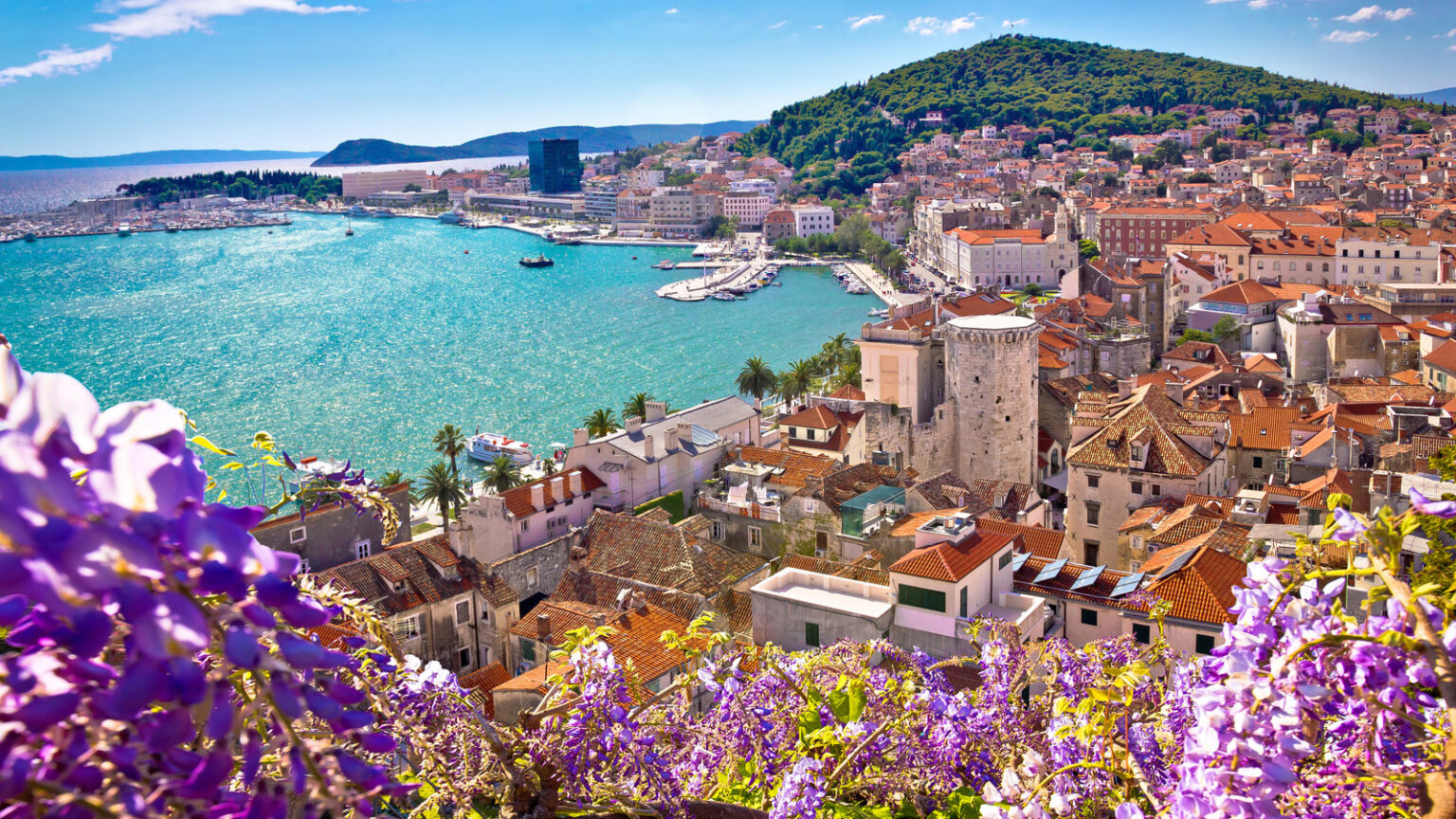
On October 9, 2025, United Airlines published a press release announcing its new European routes set to debut in 2026. The airline has decided to add hidden gems to its network, including Split, a Croatian city popular among Game of Thrones fans. The new direct flights will start operating in late April, offering United Airlines passengers the “first-ever” service connecting the U.S. to this city.
United Airlines Launches “First-Ever” U.S. Route To Split, Croatia
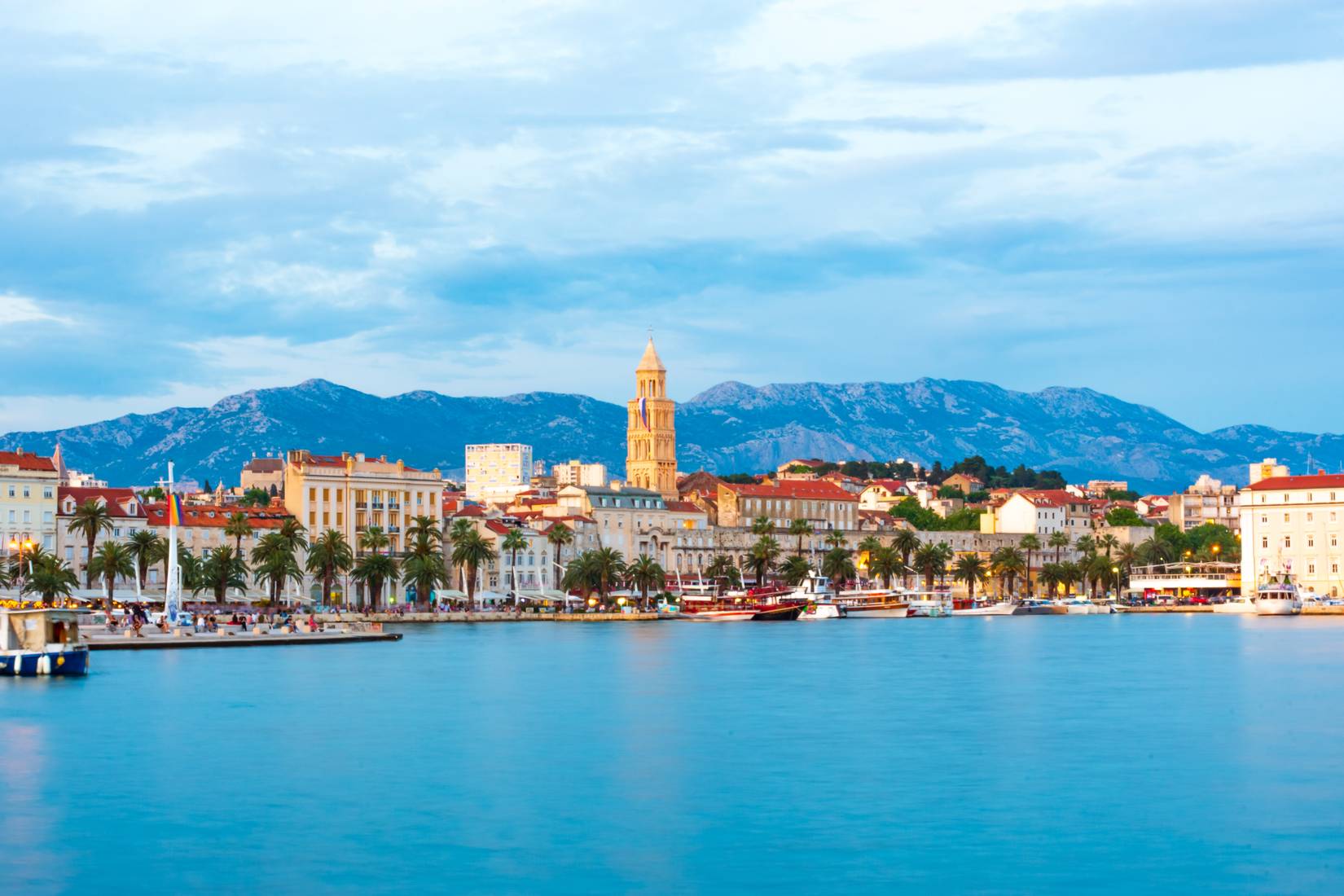
View of bell tower in Split, Croatia. UNESCO world heritage site in Split, CroatiaCredit: via Shutterstock
On Thursday, April 30, United Airlines will launch a new direct route connecting Split Saint Jerome Airport (SPU) with Newark Liberty International Airport (EWR). Flights heading to Croatia will be offered on Thursdays, Sundays, and Tuesdays, while those returning to the U.S. will be available on Mondays, Wednesdays, and Fridays. A Boeing 767-300ER aircraft was chosen to operate this route.
Commenting on this expansion, Patrick Quayle, Senior Vice President of Global Network Planning and Alliances, said:
“United has an unmatched international network, and we pride ourselves on connecting our customers to unique, trendsetting destinations no other U.S. airline serves […]. With the addition of these new flights and the return of all of our new routes from last year, United now flies to 46 cities across the Atlantic – more than any other airline – and is the clear flag carrier of the U.S.”
As of today, Thursday, April 16, the lowest round-trip fares are around $3,000 in Basic Economy. The high prices may have been influenced by the recent rising fuel costs, which have led several U.S. carriers, including United Airlines, to increase checked bag fees.
United Airlines New Split Route Key Information
Connecting
Newark, U.S. — Split, Croatia
Frequency
Three flights per week
Launch
April 30
Despite the high cost, some Basic Economy tickets have already sold out. This is likely because, even though Split remains a must-visit for all Game of Thrones fans, the city has plenty to offer for all kinds of tourists.
Split Is An Iconic Game of Thrones Filming Destination, With Something To Offer For All Tourists
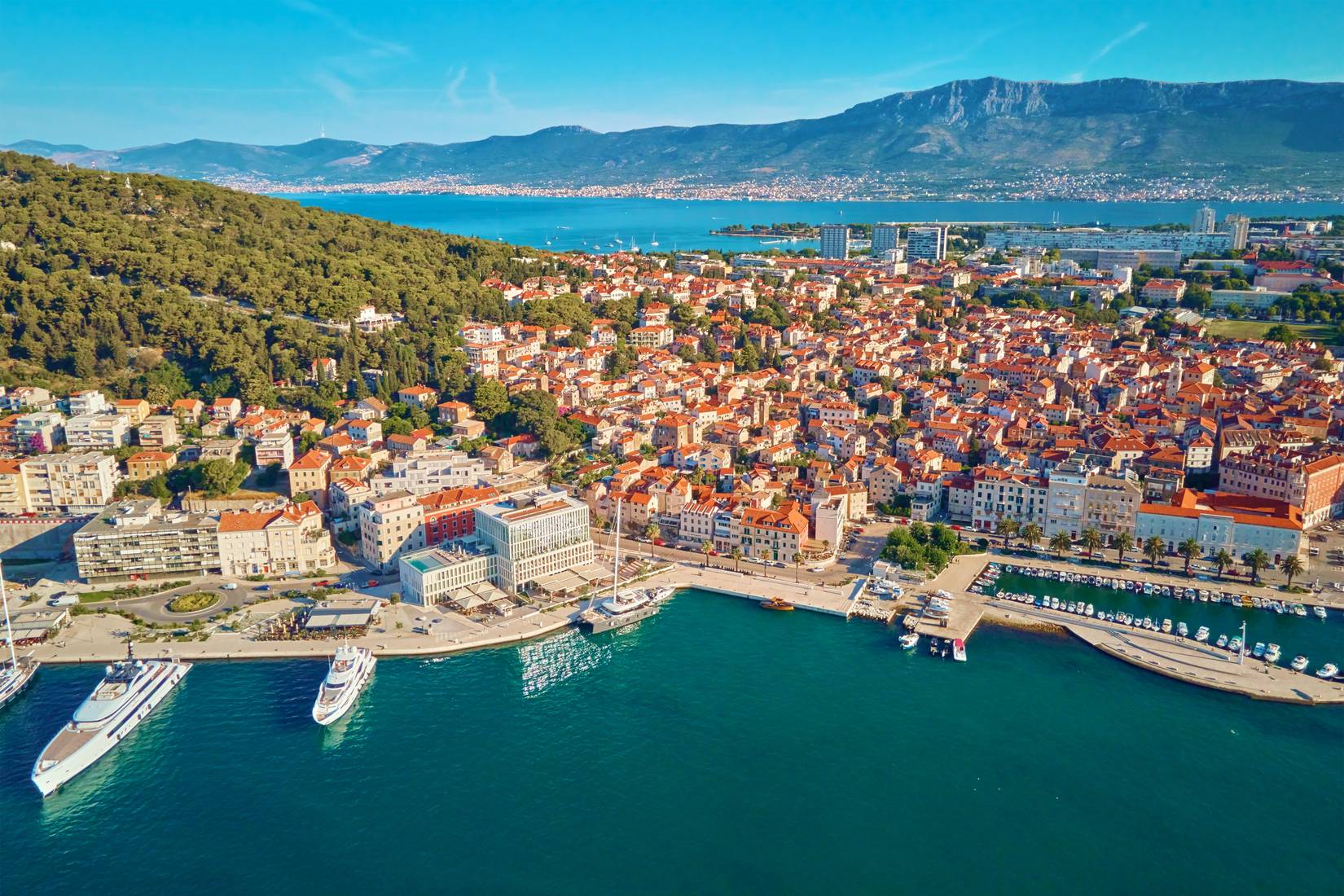
Aerial view of Split, Croatia. Cityscape of coastal touristic city with harbor with mountains in background. Old town with historical red roof tiled buildings near Adriatic SeaCredit: Shutterstock
True Game of Thrones fans will immediately recognize several locations in Split. For instance, Diocletian’s Palace has served as the setting for multiple scenes in seasons 4, 5, and 6, and it is in its cellars that Daenerys Targaryen keeps her dragons. In addition, the location where the phrase “Kill the Masters” appears on the walls of the fictional city of Meereen in Season 4 can be found to the left of the entrance to the Split City Museum.
Less than a 30-minute drive from this city, tourists can visit another iconic location: the Klis Fortress. This served as the main setting for the city of Meereen in the series. It is here that the slaves’ liberation and the crucifixion of the masters take place after Daenerys takes over the city.
While Split remains a popular choice for Game of Thrones fans, this destination is worth visiting regardless of whether you watched the series. The stunning Diocletian’s Palace, located in the historic center, was built at the end of the third century AD by the Roman Emperor Diocletian and is considered one of the largest and best-preserved examples of Roman palatial architecture. Today, it houses about half of Split’s historical town and is home to about 3,000 of its citizens.
This city is also the ideal destination for nature lovers, thanks to its many beaches. Visitors can opt for one of the many hiking trails on the nearby Marjan Peninsula, which can easily be reached by bus, or enjoy a boat trip to the Blue Cave, renowned for its stunning colors.
Split can also be a good base for those wanting to visit other Croatian cities, since it’s about 4 hours by car from Croatia’s capital, Zagreb, and about 3 hours from Dubrovnik.
Split Is Croatia’s Fourth Most Popular City
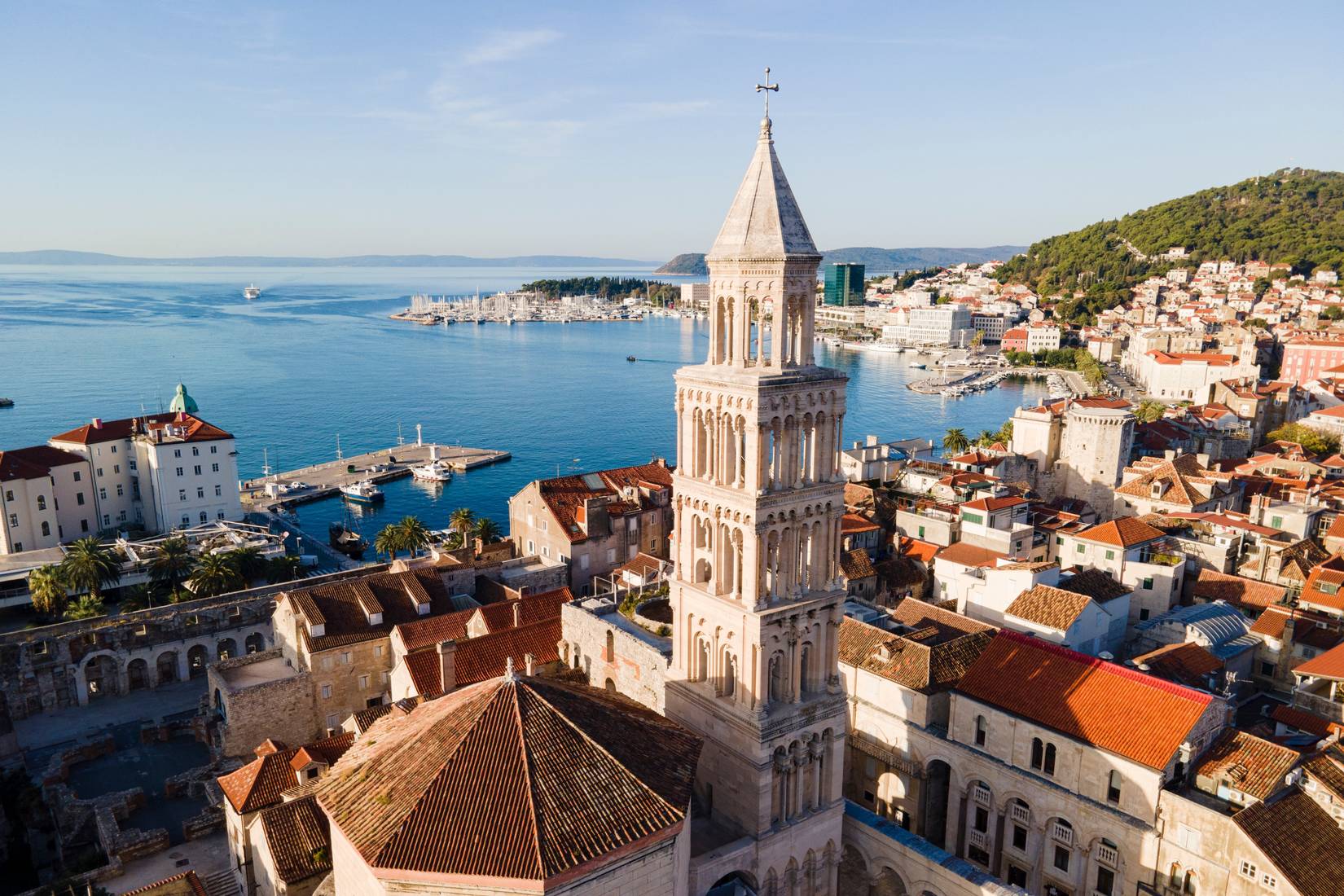
Croatian city of Split with the Diocletian palaceCredit: via Shutterstock
According to data published by the Croatian Bureau of Statistics in February 2026, Split-Dalmatia County was second in the country in terms of the number of tourist arrivals in 2025, following Istria. The county reported 3.9 million arrivals and 18.4 million tourist nights. This popularity is likely due to Split-Dalmatia being home to Croatia’s second-largest airport.
Among the most popular cities in the country, Dubrovnik ranked first, followed by Rovinj, Poreč, and finally Split, which recorded 2.9 million tourist nights. It’s crucial to note that the majority of tourists are European, with Germans taking first place, followed by Slovenians, Austrians, Poles, and Czechs. However, considering United Airlines’ new direct route to Split, this ranking may soon change.
These new direct flights are part of United Airlines’ broader expansion to Europe, which focuses on lesser-known destinations.
United Airlines Is Launching New European Routes, Focusing On Hidden Gems
Apart from its new Split route, United Airlines is about to launch new direct flights to a variety of destinations across Europe. On May 1, the airline will debut a new route connecting the Newark-New York region with Bari, a city in southern Italy. A week later, United Airlines will connect this region with Glasgow, while at the end of May, the company will start serving Santiago de Compostela, in Spain.
The U.S. carrier is also expanding service to Reykjavík, Iceland, and Seoul, South Korea, while resuming nine destinations added during its largest network expansion in summer 2025. These include:
- Ulaanbaatar, Mongolia: April 30, 2026
- Faro, Portugal: May 15, 2026
- Madeira Island, Autonomous Region of Portugal: May 16, 2026
- Palermo, Italy: May 22, 2026
- Bilbao, Spain: May 30, 2026
- Nuuk, Greenland: June 6, 2026
- Kaohsiung, Taiwan: Operating year-round
- Dakar, Senegal: Operating year-round
- Puerto Escondido, Mexico: Operating year-round
Thanks to these new direct flights, United Airlines passengers will soon have easier access to cities in Europe and beyond that have traditionally been overlooked by American tourists. With some Economy tickets already sold out, the future of this new Croatian route appears promising. However, it remains to be seen how the recent Middle East conflict will impact summer 2026 travel, as rising fuel costs have already driven prices higher.