
By Boris Esono Nwenfor
BUEA, PAV – Stakeholders in Cameroon have taken a significant step toward unlocking climate financing for local councils, following a high-level training workshop aimed at strengthening municipalities’ capacity to attract private investment for climate projects.
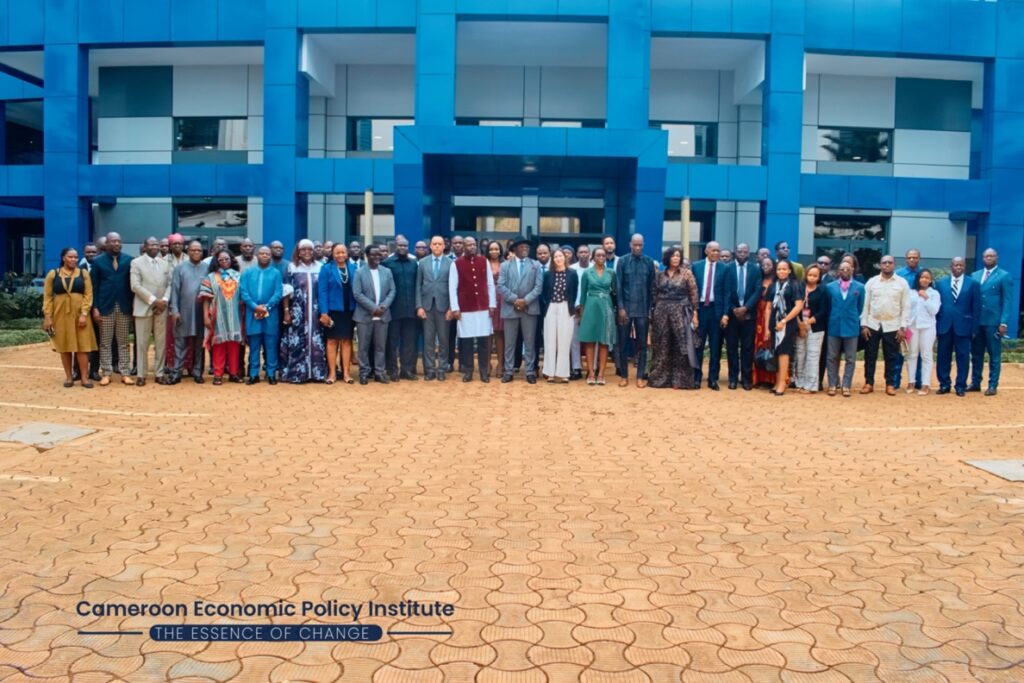
Held on March 12, 2026, in Yaoundé, the workshop was hosted by FEICOM as part of the BRIDGE and IMPACT-CAM initiatives. It brought together representatives of decentralised local authorities, financial institutions, civil society organisations, and technical partners to address a key challenge: how to mobilise private resources to support climate adaptation in Cameroonian cities.
The event, organised by the Cameroon Economic Policy Institute in collaboration with ICLEI Africa and FEICOM, focused on equipping mayors, bankers, and civil society leaders with practical strategies to accelerate climate finance across Africa.
Participants examined ways to make municipal climate projects more attractive to investors, with a strong emphasis on improving project design, structuring viable public-private partnerships, and aligning proposals with the expectations of financial institutions.
Central to the discussions were two policy briefs prepared by CEPI, which provided a roadmap for improving access to financing for local climate initiatives.
The first brief, “Mobilising Commercial Banks to Strengthen the Climate Resilience of Cameroonian Municipalities,” presented by Henri Kouam, Founder and Executive Director of CEPI, explored the challenges that limit commercial banks’ involvement in financing municipal climate projects. These include weak project structuring, lack of financial guarantees, and limited technical capacity within municipalities. Drawing lessons from countries such as Rwanda and Egypt, the brief proposed reforms to enhance the bankability of local projects and encourage stronger collaboration between public authorities and financial institutions.
The second brief, entitled “Access to Private Financing for Cameroonian Local Authorities to Adapt to Climate Change: A Guide to Mobilising Banks and Public-Private Partnerships,” was presented by Haiwang Djamo, National Coordinator, and focused on improving access to private financing through better coordination between municipalities, FEICOM, and financial partners. It highlighted various financing mechanisms, including public-private partnerships (PPPs), and incorporated findings from consultations conducted in Cameroon’s Far North region. The brief also outlined policy recommendations aimed at strengthening climate finance mobilisation at the local level.
The workshop further delved into practical challenges through three technical sessions. The first session examined how to attract bank financing for municipal climate adaptation projects. Participants acknowledged that many projects fail to secure funding due to poor structuring, lack of guarantees, and insufficient technical expertise to meet bank requirements.
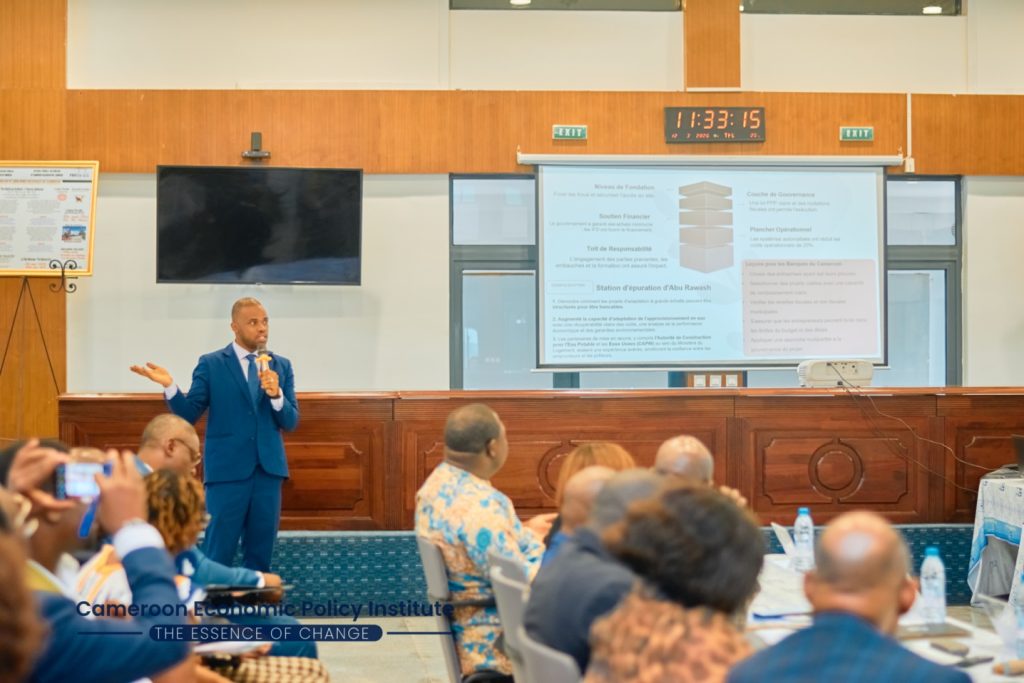 The workshop aimed to identify concrete solutions to make local climate projects more attractive to investors and banks
The second session focused on the potential of public-private partnerships in financing municipal climate projects. Discussions identified key sectors for collaboration, including waste management, water systems, resilient infrastructure, and nature-based solutions. However, participants noted that progress is often hindered by poorly prepared projects and limited understanding of key concepts, including the distinction between climate adaptation and mitigation.
The third session explored financing mechanisms linked to the FEICOM Climate Window and the role of the private sector. Participants gained insights into how banks assess project viability and discussed ways municipalities can improve their chances of accessing funding. Strengthening collaboration between FEICOM, local authorities, and financial institutions emerged as a central theme.
Throughout the workshop, participants emphasised the urgent need to build the technical capacity of municipalities in project preparation and financial structuring. Improved communication between councils and financial institutions was also identified as critical to bridging existing gaps.
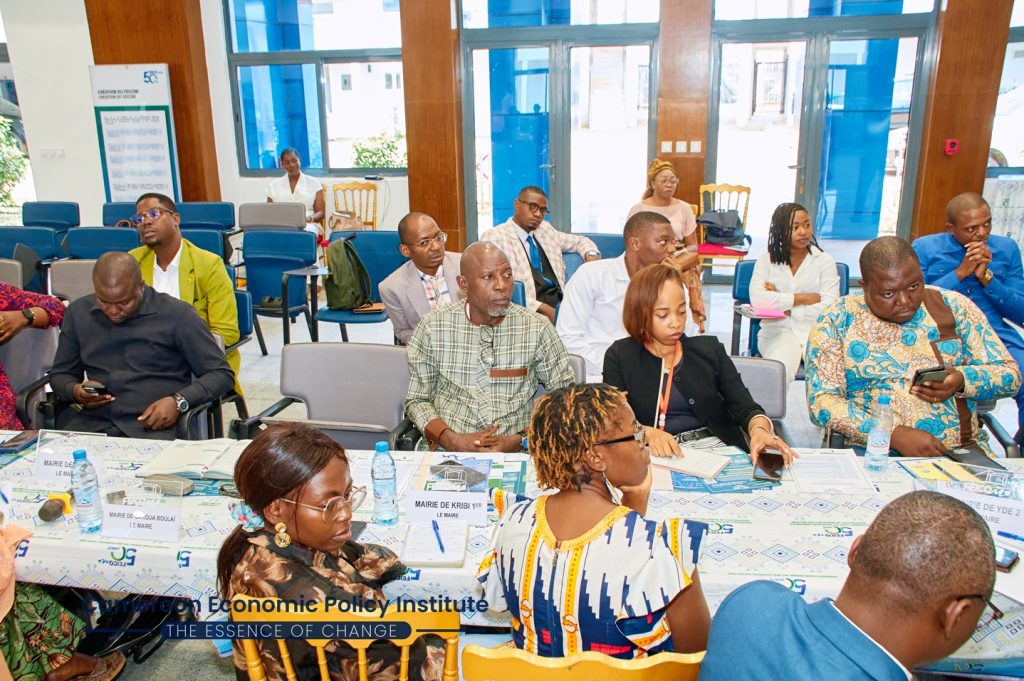 The Bridge – IMPACT CAM initiative directly addresses the needs of municipalities in terms of skills development
Existing opportunities were also highlighted. Access Bank has expressed interest in financing municipal projects but has yet to receive adequate proposals. Its Memorandum of Understanding with the CVUC was cited as a key framework that could be leveraged to facilitate access to funding for local authorities.
Participants further emphasised the strategic role of FEICOM in supporting municipalities in mobilising funding and facilitating partnerships with financial actors. By serving as an intermediary, FEICOM is seen as well-positioned to help bridge the gap between project developers and investors. The Bridge – IMPACT CAM initiatives were praised for directly addressing the needs of municipalities in terms of skills development and access to green finance tools.
Stakeholders agreed that accelerating climate adaptation at the municipal level is both a financial necessity and a social imperative. Beyond environmental benefits, effective climate financing is expected to drive broader socioeconomic gains, including improved infrastructure, job creation, and enhanced resilience of communities to climate shocks.