
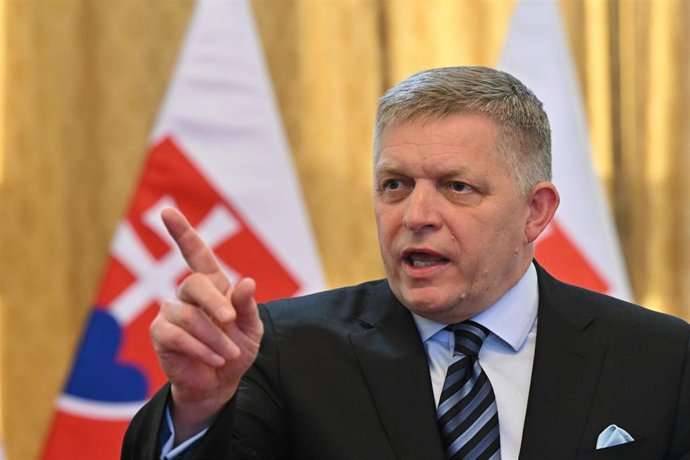
Slovak Prime Minister Robert Fico has emerged as one of the last visible challengers –alongside the Czech Republic– to the policy line defended by Brussels.
The recent electoral defeat of his ally Viktor Orbán has left Slovakia without the political shield Hungary had long provided, with Budapest’s vetoes helping to deflect potential reprisals such as the suspension of EU funds. Orbán’s fall now places Bratislava in the position of potentially becoming the EU’s main internal antagonist, a role Hungary had previously occupied.
Next week, on April 23–24, Fico will attend a European Council meeting in Brussels marked by Orbán’s absence. Until just days ago, the Hungarian leader was his closest political ally, but he has already confirmed he will not take part. EU leaders are expected to revisit discussions on support for Ukraine and the possible approval of new sanctions against Russia.
The veto in the Council: the key battleground
In Council votes on foreign policy and security matters, unanimity among all 27 member states is required. This means that sanctions on Russia or military aid packages for Ukraine can only be approved if every country agrees. This rule raises a crucial question: how far is Slovakia willing to go in maintaining its position within the Council now that it no longer has Hungary’s backing and faces mounting pressure from its European partners?
Fico’s stance will be one of the main focal points of the upcoming meeting, particularly after his government warned it is ready to block a new package of sanctions against Russia unless it receives “guarantees for the repair and resumption” of oil supplies through the Druzhba pipeline, according to the newspaper Deník and reported by Europa Press.
Druzhba: the energy factor shaping Bratislava’s stance
Ensuring the operation of the Druzhba pipeline remains a top priority for the Slovak government. This key infrastructure transports Russian oil to Central Europe and is vital for both Slovakia and Hungary.
The supply –managed by Gazprom– was disrupted following an attack on Ukrainian territory in January 2026. The incident marked a turning point, prompting Orbán to block a €90 billion aid package for Ukraine, which he blamed for the sabotage.
Aid to Ukraine: how Brussels seeks to bypass vetoes
Regarding the €90 billion financial aid package for Ukraine, the EU has explored mechanisms that do not require unanimity. The European Commission aims to avoid classifying the aid as military support –which would necessitate approval from all member states– and instead frame it as an emergency measure under Article 122 of the Treaty on the Functioning of the EU, allowing it to pass by qualified majority.
Fico has argued that the package “was agreed in December” and questioned why it is being reopened. Nevertheless, his government has indicated it will not oppose the delivery of these funds to Kyiv.
Brussels seeks alternatives to avoid internal blockages
At the same time, the European Commission has designed a plan based on issuing joint debt among member states to avoid using frozen Russian assets –a move that continues to face resistance within the bloc. This alternative largely responds to Belgium’s reluctance, where most of these funds are held, to release them without legal guarantees.
Meanwhile, in order to prevent potential vetoes from Slovakia and the Czech Republic, both countries have been excluded from the debt issuance commitments in exchange for not blocking the decision. However, no final agreement has yet been reached.
The upcoming Council meeting will therefore be decisive in determining the EU’s actual level of support for Ukraine and whether Slovakia is prepared to maintain its position within the bloc without Hungary’s backing.
Hungary after Orbán: the Magyar question
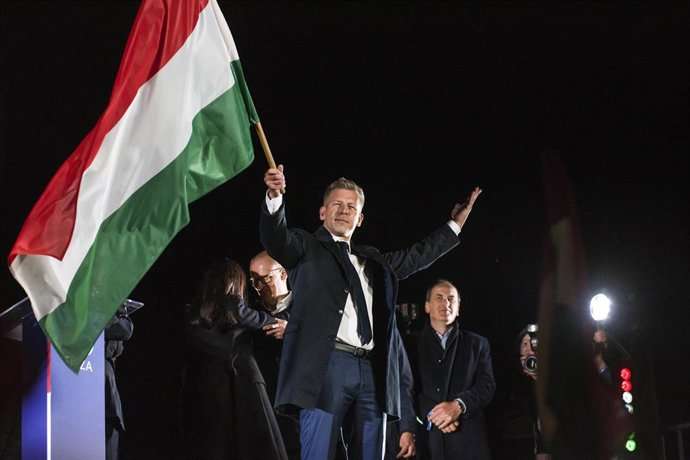
In this new context, Hungary’s trajectory is also drawing significant attention. Fico has congratulated the new Hungarian prime minister, Péter Magyar, whose victory has been broadly welcomed across the EU. However, uncertainty remains over whether Budapest will align more closely with the bloc or continue to shape key decisions alongside countries like Slovakia, as it has in recent years.
Slovak Prime Minister Robert Fico has emerged as one of the last visible challengers –alongside the Czech Republic– to the policy line defended by Brussels.
The recent electoral defeat of his ally Viktor Orbán has left Slovakia without the political shield Hungary had long provided, with Budapest’s vetoes helping to deflect potential reprisals such as the suspension of EU funds. Orbán’s fall now places Bratislava in the position of potentially becoming the EU’s main internal antagonist, a role Hungary had previously occupied.
Next week, on April 23–24, Fico will attend a European Council meeting in Brussels marked by Orbán’s absence. Until just days ago, the Hungarian leader was his closest political ally, but he has already confirmed he will not take part. EU leaders are expected to revisit discussions on support for Ukraine and the possible approval of new sanctions against Russia.
The veto in the Council: the key battleground
In Council votes on foreign policy and security matters, unanimity among all 27 member states is required. This means that sanctions on Russia or military aid packages for Ukraine can only be approved if every country agrees. This rule raises a crucial question: how far is Slovakia willing to go in maintaining its position within the Council now that it no longer has Hungary’s backing and faces mounting pressure from its European partners?
Fico’s stance will be one of the main focal points of the upcoming meeting, particularly after his government warned it is ready to block a new package of sanctions against Russia unless it receives “guarantees for the repair and resumption” of oil supplies through the Druzhba pipeline, according to the newspaper Deník and reported by Europa Press.
Druzhba: the energy factor shaping Bratislava’s stance
Ensuring the operation of the Druzhba pipeline remains a top priority for the Slovak government. This key infrastructure transports Russian oil to Central Europe and is vital for both Slovakia and Hungary.
The supply –managed by Gazprom– was disrupted following an attack on Ukrainian territory in January 2026. The incident marked a turning point, prompting Orbán to block a €90 billion aid package for Ukraine, which he blamed for the sabotage.
Aid to Ukraine: how Brussels seeks to bypass vetoes
Regarding the €90 billion financial aid package for Ukraine, the EU has explored mechanisms that do not require unanimity. The European Commission aims to avoid classifying the aid as military support –which would necessitate approval from all member states– and instead frame it as an emergency measure under Article 122 of the Treaty on the Functioning of the EU, allowing it to pass by qualified majority.
Fico has argued that the package “was agreed in December” and questioned why it is being reopened. Nevertheless, his government has indicated it will not oppose the delivery of these funds to Kyiv.
Brussels seeks alternatives to avoid internal blockages
At the same time, the European Commission has designed a plan based on issuing joint debt among member states to avoid using frozen Russian assets –a move that continues to face resistance within the bloc. This alternative largely responds to Belgium’s reluctance, where most of these funds are held, to release them without legal guarantees.
Meanwhile, in order to prevent potential vetoes from Slovakia and the Czech Republic, both countries have been excluded from the debt issuance commitments in exchange for not blocking the decision. However, no final agreement has yet been reached.
The upcoming Council meeting will therefore be decisive in determining the EU’s actual level of support for Ukraine and whether Slovakia is prepared to maintain its position within the bloc without Hungary’s backing.
Hungary after Orbán: the Magyar question
In this new context, Hungary’s trajectory is also drawing significant attention. Fico has congratulated the new Hungarian prime minister, Péter Magyar, whose victory has been broadly welcomed across the EU. However, uncertainty remains over whether Budapest will align more closely with the bloc or continue to shape key decisions alongside countries like Slovakia, as it has in recent years.