
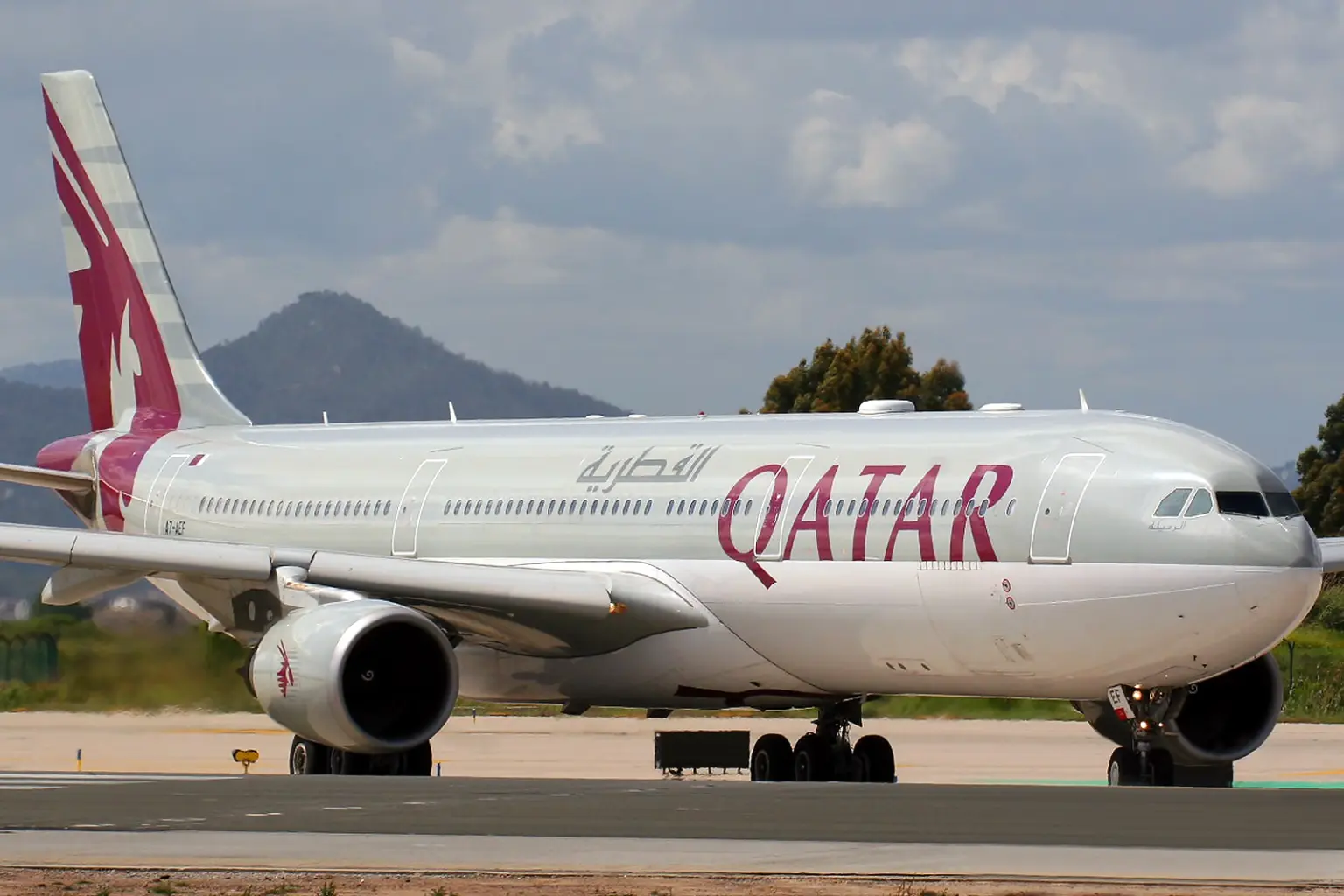
DOHA- Qatar Airways (QR) has announced the resumption of daily flight operations from Hamad International Airport (DOH) to Dubai International Airport (DXB), Sharjah International Airport (SHJ) and Damascus International Airport (DAM). The restoration marks a key phase in the airline’s broader effort to rebuild its global route network.
Daily flights to Dubai (DXB) and Sharjah (SHJ) resume from April 23, 2026, while the Damascus (DAM) service begins on May 1, 2026. Qatar Airways (QR) plans to expand its schedule to over 150 destinations across six continents starting June 16, 2026.
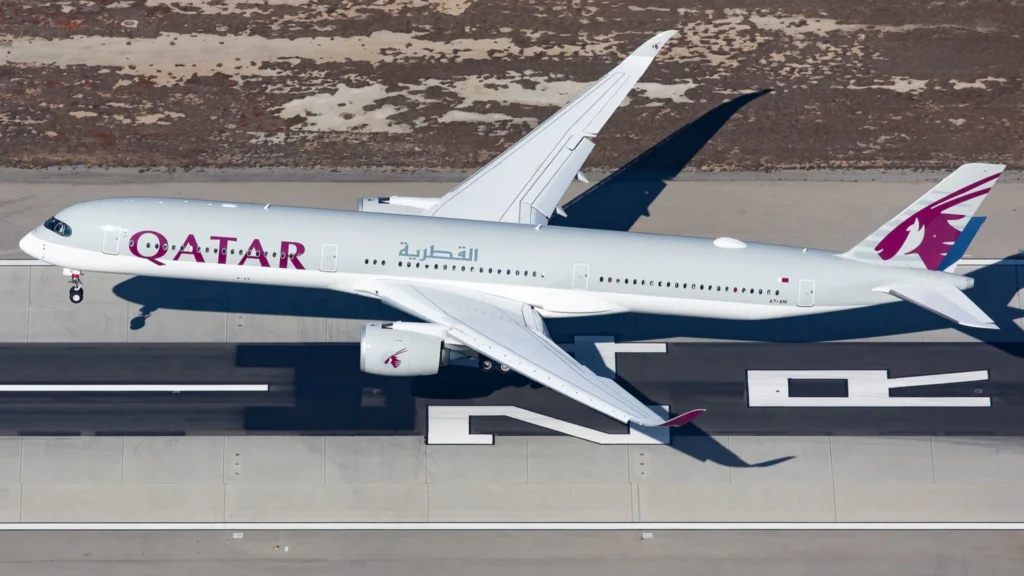 Photo: Clément Alloing
Qatar Airways Rebuilds Its Middle East Network
Qatar Airways (QR) is steadily restoring connectivity across the Middle East as part of a phased network expansion. The reinstatement of flights to the United Arab Emirates (UAE) and Syria strengthens the airline’s presence in the region and restores key travel corridors from its Doha (DOH) hub.
The Dubai (DXB) and Sharjah (SHJ) routes give passengers direct daily access to two of the UAE’s busiest airports. Dubai remains one of the world’s top transit and business hubs, while Sharjah serves as an important gateway for travellers heading to the northern emirates.
The addition of Damascus (DAM) from May 1 reconnects Qatar Airways to Syria after a prolonged suspension of services.
This phased approach follows the airline’s mid-April announcement confirming plans to scale operations significantly from June 16, 2026. At that point, Qatar Airways expects to serve more than 150 destinations across six continents, restoring much of its pre-disruption global footprint.
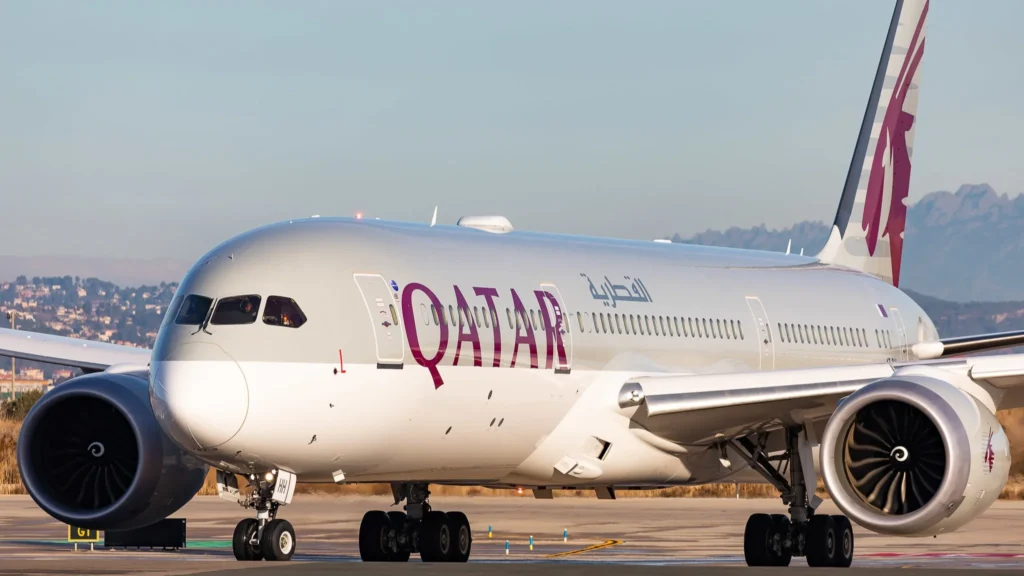 Photo: Clément Alloing
Flexible Rebooking and Refund Options for Passengers
Qatar Airways has introduced a set of flexible travel policies for passengers holding confirmed bookings with travel dates between February 28 and September 15, 2026. These measures aim to accommodate travellers affected by schedule adjustments during the network restoration period.
Eligible passengers can make complimentary date changes to any new travel date up to October 31, 2026, on flights operated by Qatar Airways. This benefit is subject to seat availability and fare seasonality. Passengers whose flights are directly impacted by schedule changes remain eligible for additional fee-free modifications until October 31, 2026.
For those who prefer not to rebook, Qatar Airways offers a full refund of the unused ticket value. The airline has noted that refund processing may take up to 28 working days.
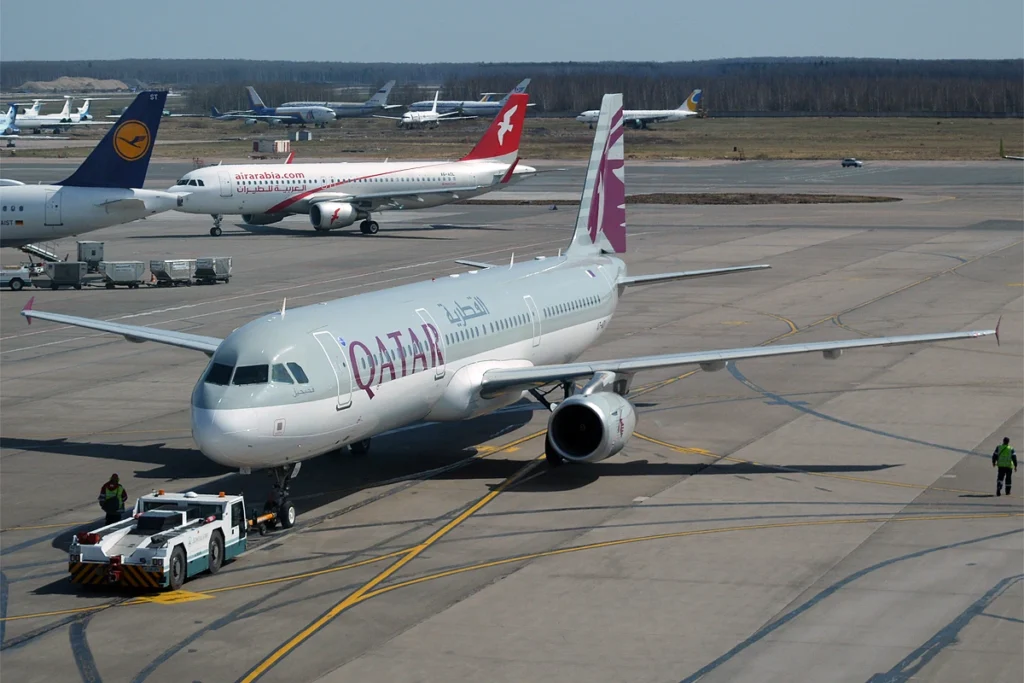 Photo: By Anna Zvereva from Tallinn, Estonia – Qatar Airways, A7-ADV, Airbus A321-231, CC BY-SA 2.0, https://commons.wikimedia.org/w/index.php?curid=58720677
Schedule Changes and Passenger Advisory
Qatar Airways has advised all passengers to monitor its official website and mobile app regularly for the latest schedule updates. The airline also recommends that travellers verify and update their contact details to receive timely notifications about any changes to their bookings.
The carrier has cautioned that flight schedules remain subject to change or cancellation due to operational, regulatory, safety or other factors beyond its control. Passengers are encouraged to stay informed and plan accordingly during this transitional period.
 People on a Street Demonstration in Syria; Photo- Pexels
Syria: One of the Most Dangerous Countries in the World
Syria remains one of the most dangerous countries in the world for travelers, with persistent terrorism, kidnapping threats, and fragmented territorial control posing severe risks. Syrian Air (RB) and Cham Wings Airlines (6Q) operate limited services to Damascus (DAM) and Aleppo (ALP), but flight operations offer no safety guarantee.
More than a decade of conflict has left the country’s infrastructure in ruins. Armed groups, including Daesh and Hay’at Tahrir al Sham, continue to carry out lethal attacks across multiple regions, targeting civilians, government buildings, and transport hubs.
Security Landscape and Active Conflict Zones
Syria’s security environment reflects years of prolonged warfare and political instability. The fall of the Assad regime in late 2024 created space for a new government in Damascus, but territorial control remains deeply fractured. Armed groups operate autonomously in northeast Syria and southern areas like Suwayda, leading to unpredictable violence, artillery exchanges, and occasional airstrikes.
Militant organizations such as Daesh and Hay’at Tahrir al Sham maintain active operations in several regions. Their tactics include coordinated bombings, suicide attacks, vehicle-borne explosives, and targeted shootings. These attacks frequently strike crowded public areas and places frequented by foreign nationals.
Flight operations at Damascus (DAM) and Aleppo (ALP) airports face disruptions without warning. Active fighting near airports has triggered temporary flight suspensions, curfews, and border closures, leaving travelers stranded with limited evacuation options.
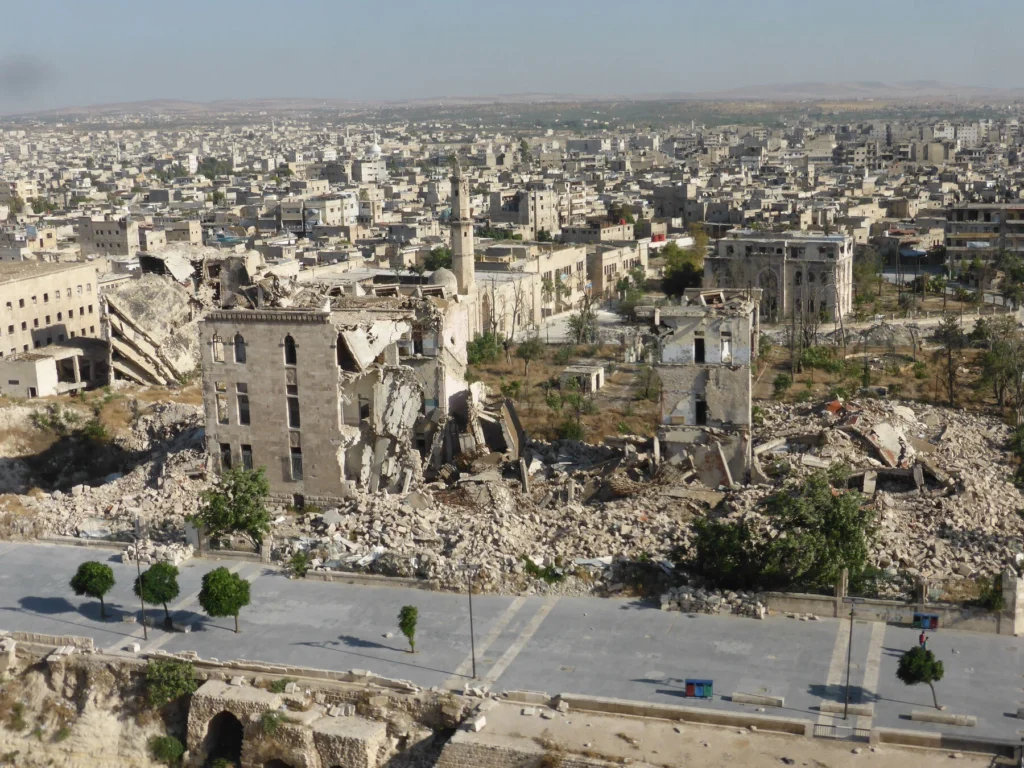 Photo: Francesco Bandarin
Terrorism Threat Across Syrian Cities
Terrorist groups continue to target both civilian and strategic locations throughout Syria. Attacks have struck transport hubs, markets, religious sites, hotels, restaurants, and residential areas. Military installations, police stations, and government buildings remain frequent targets as well.
A major attack on 2 June 2025 at the Greek Orthodox Church of Prophet Elias in Damascus killed more than 30 people. This incident highlights the scale and unpredictability of terrorism in the country. Public holidays, religious events, and national commemorations often coincide with heightened threat levels.
Kidnapping Risks for Foreign Nationals
Kidnapping remains a major threat in Syria, particularly for journalists, aid workers, students, and business travelers. Groups aligned with Al-Qaeda and Daesh routinely abduct foreign nationals for ransom or political leverage. Several cases have resulted in fatalities.
Western nationals are viewed as high-value targets regardless of the reason for their presence in the country. The UK government maintains a strict policy against paying ransoms, which reinforces the elevated danger for individuals taken hostage.
 Photo: By Bernard Gagnon – Own work, CC BY-SA 3.0, https://commons.wikimedia.org/w/index.php?curid=11576683
Political Instability and Civil Unrest
Political demonstrations in Syria can escalate rapidly and turn violent without warning. Participation in any political activity carries significant risk, including detention by security forces. Foreign journalists may face restrictions, harassment, or equipment confiscation.
The volatile political environment adds another layer of unpredictability for anyone traveling to or within the country. Shifting alliances among armed groups and political factions create conditions where safety can deteriorate within hours.
Landmines, Unexploded Ordnance, and Infrastructure Collapse
Large areas of rural Syria contain mines and unexploded weapons from years of conflict. Even partially populated regions may pose hazards to travelers. Untarred roads, abandoned buildings, and open countryside present particular dangers.
Syria’s prolonged conflict has also crippled essential services. Water, electricity, fuel, healthcare, and communications remain unreliable across much of the country. Food shortages and high prices affect daily life. Electronic payment systems are scarce, and cash withdrawals face severe limitations.
Crime, Road Safety, and Natural Hazards
Rising crime across Syria includes extortion at checkpoints, violent robbery, vehicle theft, and both criminal and terrorist-linked kidnappings. Drug trafficking carries the death penalty, while drug possession can lead to life imprisonment.
Road travel is dangerous due to poor maintenance, low driving standards, numerous checkpoints, and the presence of unexploded devices. Night driving is especially unsafe. Earthquakes also pose an ongoing threat, with high-magnitude events capable of damaging infrastructure and disrupting emergency services.
Stay tuned with us. Further, follow us on social media for the latest updates.
Join us on Telegram Group for the Latest Aviation Updates. Subsequently, follow us on Google News