
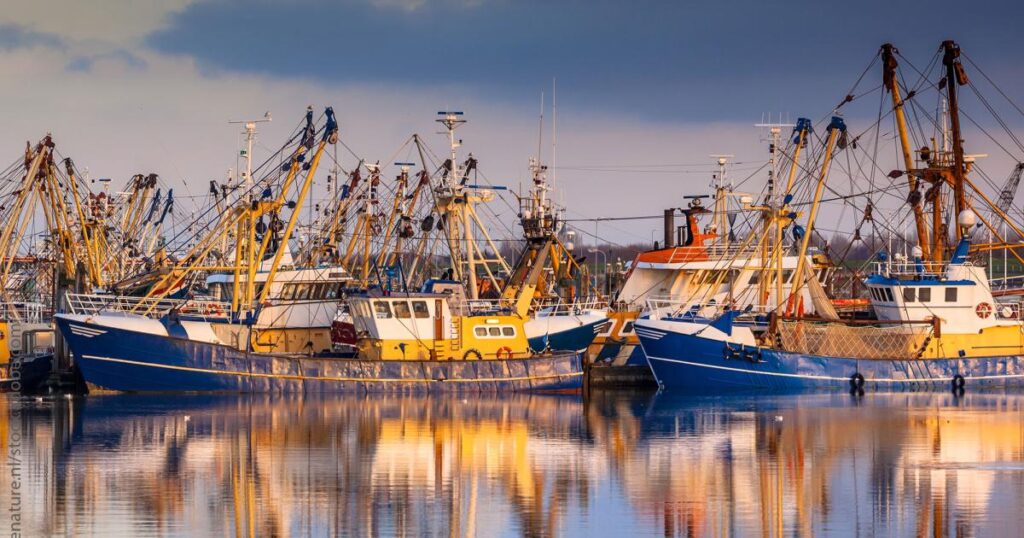
Today, the European Commission published a study assessing the state of the EU fishing fleet, including its evolution, the challenges it currently faces and its future sustainability.
The findings show that the fleet’s capacity has declined over time – indicating a reduction in fleet size and power – but this has not fully resolved the imbalance between fleet capacity and actual resources available. These structural imbalances are often linked to weak economic performance driven by rising operating costs and market volatility, as well as pressures on fish stocks.
The study also identifies a range of challenges affecting the sector’s long-term viability. These include climate change, biodiversity loss and rising operating costs. Structural concerns, such as an ageing fleet and workforce, are also highlighted as key constraints on resilience and competitiveness. The study underscores the importance of modernising vessels, improving working conditions and advancing the energy transition to tackle these challenges.
Additionally, the study explores international experiences and alternative approaches to measuring fishing capacity, with a view to potentially improve the effectiveness of EU fleet management.
Next steps
The study will contribute to the ongoing reflections on the EU fishing fleet, particularly in the context of the evaluation of the Common Fisheries Policy (CFP) Regulation. It will support discussions with Member States and stakeholders on how to better balance fleet capacity with available fishing opportunities, while promoting energy transition and economic, social and environmental sustainability.
Background
The CFP Regulation is a set of rules the EU uses to manage fishing and fish stocks sustainably. In 2013, a reform of the CFP Regulation brought together for the first time the social, economic, and environmental dimensions of the EU fisheries policy. Fishing capacity is specifically regulated under the CFP to ensure a stable balance between fishing capacity and available fishing opportunities.
The study, commissioned by the Commission’s European Climate, Infrastructure and Environment Executive Agency (CINEA),was carried out by external experts and is based on a wide range of sources, including data analysis, case studies across different sea basins, and consultations with stakeholders. The views expressed in this report are those of the authors and do not necessarily reflect those of the European Commission.
More information
Study – European Union’s fishing fleet: evolution, challenges and future