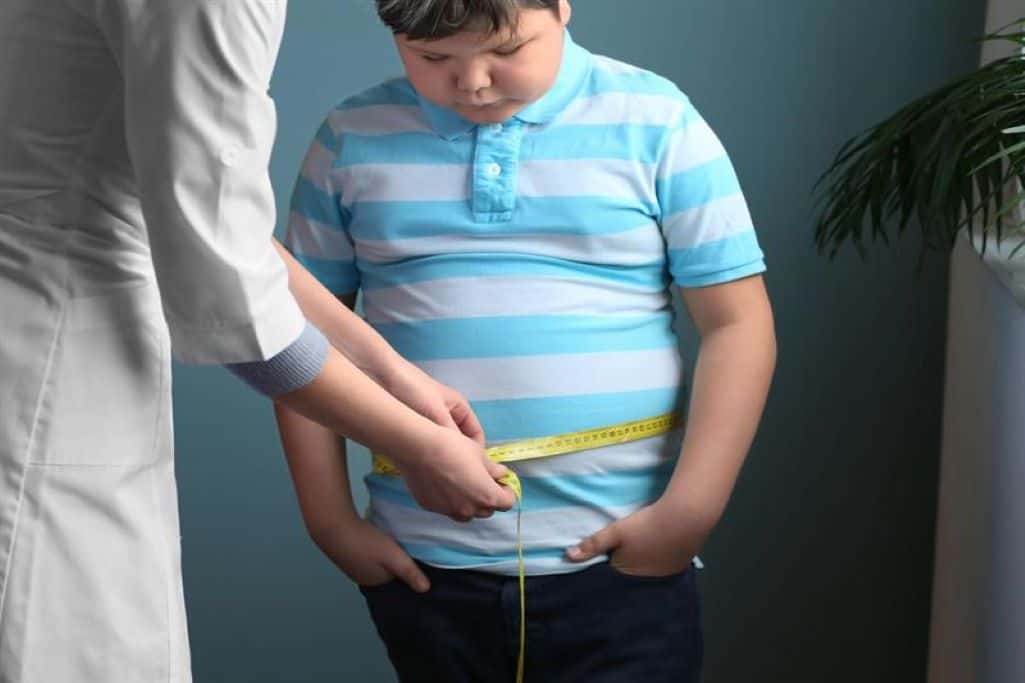
Experts reported that 18% of parents or caregivers underestimated their children’s weight condition, highlighting a gap in awareness.
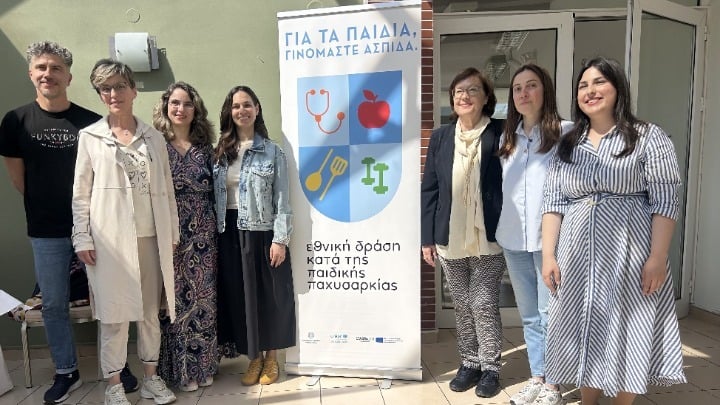
Professor Maria Hassapidou from the International Hellenic University presented the findings during a press conference in Thessaloniki, marking the completion of actions under the “Food for Action” programme, a key pillar of Greece’s national strategy against childhood obesity.
Researchers found that overweight and obesity rates among Greek children had ranged between 30% and 42% in recent years, with 15–20% classified as obese. Younger age groups showed similar rates between boys and girls, although obesity rates declined among girls as they grew older.
Data also showed higher obesity levels in socially and economically vulnerable communities.
Since 2010, the International Hellenic University has participated in a WHO monitoring programme, consistently showing that southern European countries recorded significantly higher childhood obesity rates, with Greece remaining among the highest.
Researchers identified several behaviours linked to increased obesity risk. Children consumed sugary drinks and juices more frequently while drinking less water. Many skipped breakfast or relied on unhealthy snacks. Low physical activity levels and prolonged sedentary time, especially screen use, also contributed significantly.
Through the “Food for Action” initiative, involving 13 Greek universities, experts developed four educational toolkits targeting all levels of compulsory education. The programme promoted increased water consumption, healthier meals and snacks, regular physical activity, and reduced sedentary behaviour.
In Central Macedonia, the programme was implemented by the International Hellenic University and Aristotle University of Thessaloniki in collaboration with the Institute of Social and Preventive Medicine and UNICEF.
The initiative operated under the National Public Health Network as part of Greece’s broader National Action against childhood obesity, funded through the Greece 2.0 Recovery and Resilience Plan supported by the European Union.
Regional impact and community engagement
Specialists, physical education experts, and student volunteers carried out programme activities across multiple regions, including Thessaloniki, Halkidiki, Pella, Grevena, Kozani, and Kilkis.
They organised awareness seminars for 1,025 teachers, parents, and caregivers, hosted two health and fitness festivals, and staged an intergenerational marathon involving 460 students and 150 adults.
Teams established and equipped two “hub schools” in Thessaloniki and Kilkis, delivering activities to around 500 students and the wider community. They also implemented experiential summer camp programmes, mapped public sports and green spaces, and produced best-practice guides.
Programme representatives stated that the initiative achieved strong engagement across communities and created a foundation for future actions aimed at improving children’s health outcomes.
National strategy to combat obesity
Greece launched its first comprehensive national programme to prevent and tackle childhood obesity by promoting healthy eating and physical activity. The initiative involved academics, educators, healthcare professionals, paediatricians, dietitians, chefs, parents, children, sports clubs, and local communities.
The programme covered children aged 0–17 and their families, offering prevention and intervention across all levels of care.
Healthcare visits allowed families to receive clinical assessments and guidance on children’s growth, nutrition, and obesity-related risks. Children with obesity and their families also received free counselling sessions on diet, physical activity, and healthy behaviours from trained health professionals.