
Learn why Iceland is called Iceland, and what inspired a 9th-century Viking to give it that name. Read on for the full story, and find out why the country looks nothing like it suggests
Iceland is a name with a misleading first impression, but it tells a lot about the history of the country. Given by the 9th-century Norse explorer Hrafna-Flóki, the name Ísland, which means “Ice Land” in Old Norse, came from a single view of a fjord packed with drift ice in the Westfjords.
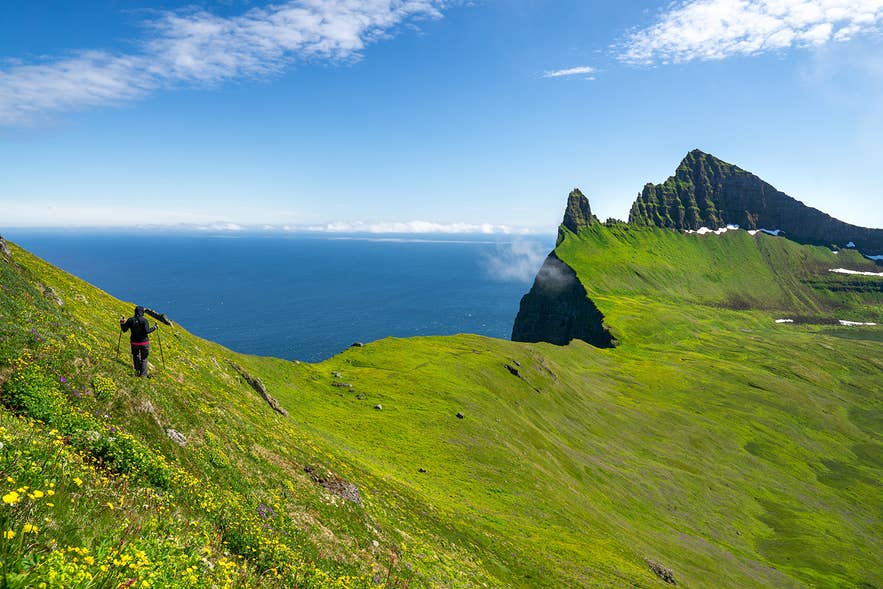
The irony is that Iceland today looks nothing like Flóki described. Travelers on road trips around Iceland will see nature covered in moss, waterfalls, black sand beaches, and grassy valleys for most of the year. Only about 11% of Iceland’s surface is actually ice, mostly in the form of glaciers.
Guide to Iceland is the most trusted travel platform in Iceland, helping millions of visitors each year. All our content is written and reviewed by local experts who are deeply familiar with Iceland. You can count on us for accurate, up-to-date, and trustworthy travel advice.
Flóki was not the first Norse explorer to name the island. This guide covers the explorers who came before him, the names they tried, and the famous myth that Vikings swapped the names of Iceland and Greenland on purpose. You will also find out why that swap story only holds up in parts.
Read on for how the island really got its name, and what it means for travelers planning vacations in Iceland today.
What to Know About Iceland’s Name
-
Iceland was named by Hrafna-Flóki, a Norse explorer who saw drift ice in a fjord during a hard winter around 870 AD.
-
Only about 11% of Iceland is actually covered in ice. The country is mostly green, volcanic, and mild along the coast.
-
Iceland and Greenland did not have their names deliberately swapped. Flóki named Iceland a century before Erik the Red named Greenland.
-
The first Norseman to see Iceland was Naddodd, who arrived around 860 AD and called it Snaeland (Snow Land).
-
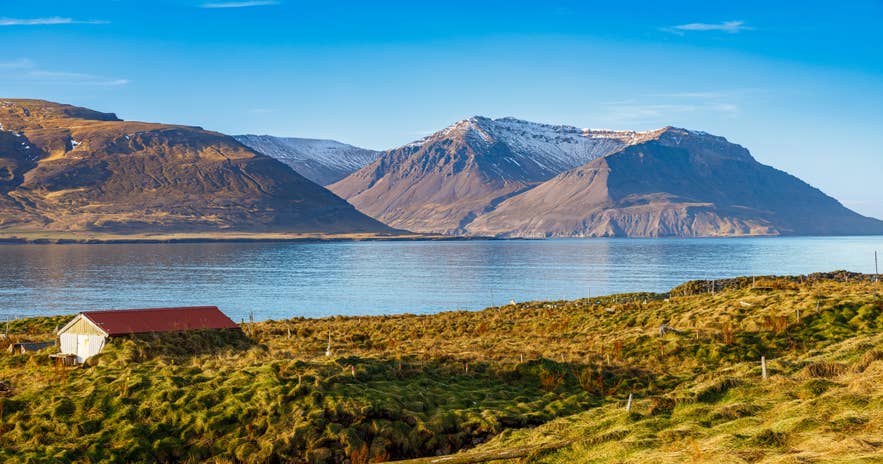
You can visit Vatnsfjordur in the Westfjords, where Flóki saw the drift ice that gave Iceland its name.
The First Norse Visitors
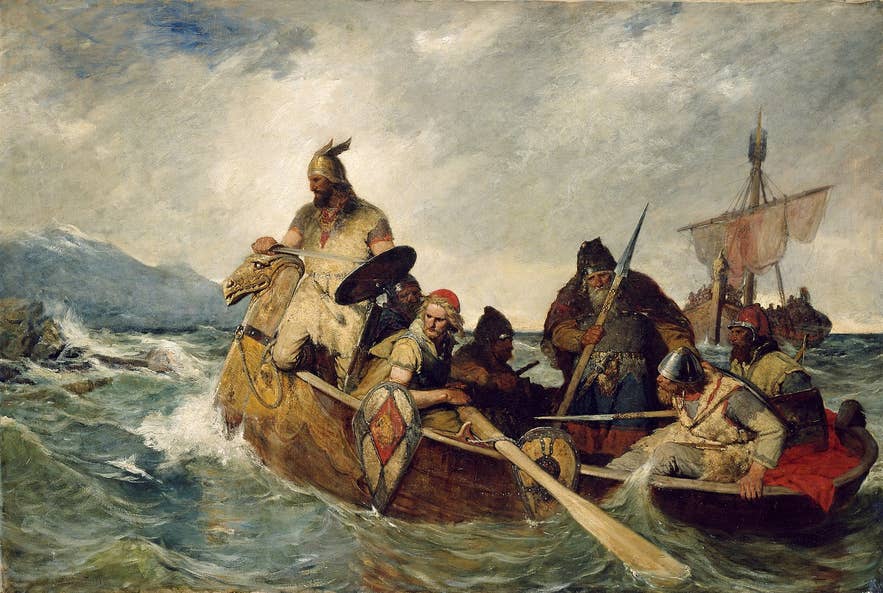
Painting by Oscar Wergeland (1877). Via Wikimedia Commons, Public Domain.
Iceland wasn’t named on its first or second Norse visit. Three different explorers tried different names before Floki’s version won out. Most of what we know comes from the Icelandic Sagas, especially the Landnámabók (Book of Settlements), a 12th-century chronicle that records the early arrivals and settlements of Iceland.
Naddodd Finds Iceland by Accident
 The Landnámabók names Naddodd as the first Norseman to see Iceland. Some time around 860, he was sailing between Norway and the Faroe Islands and got blown off course.
He landed on the east coast of an unknown country, climbed a high mountain to look around, and saw no sign of people. The mountain is believed to have been near Reydarfjordur, one of the must-visit towns in the Eastfjords.
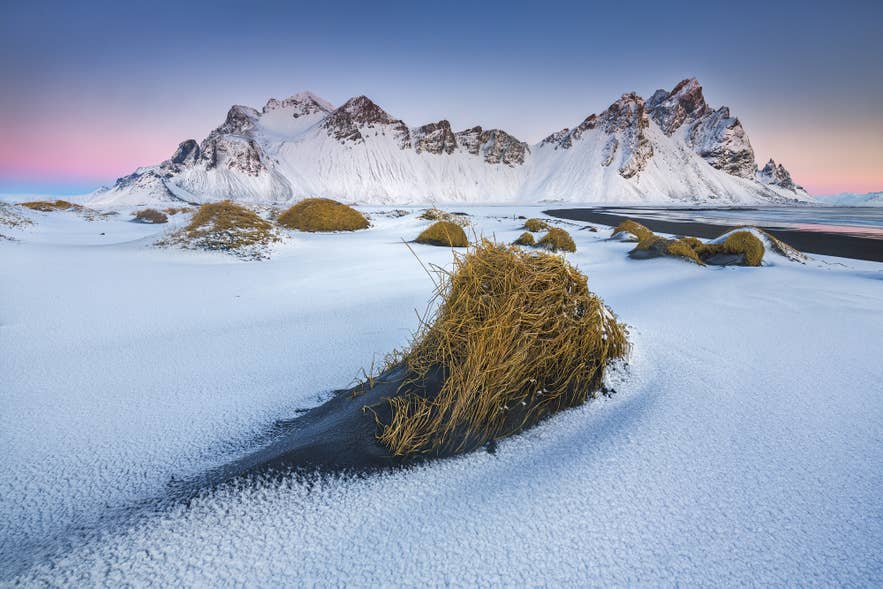
When he left, snow was falling heavily on the mountains. Naddodd called the new land Snaeland, meaning “Snow Land,” and sailed back home. The name didn’t stick.
Garðar Svavarsson Names It Gardarsholmur
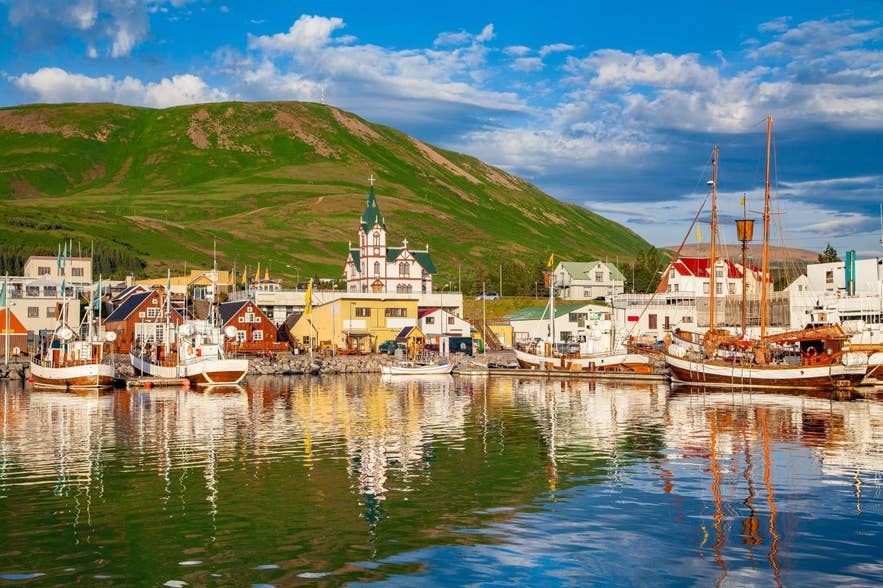 The second explorer was Garðar Svavarsson, a Swede who sailed to Iceland around 865. Unlike Naddodd, Garðar circumnavigated the whole island and confirmed it was an island, not a peninsula or a larger landmass.
Garðar spent one winter on the north coast in a place now called Husavik, a popular spot for whale watching tours. Husavik means “house bay,” named after the house he built there.
He named the whole country Gardarsholmur, meaning “Garðar’s Isle,” after himself. The Old Norse word garður (enclosure or farm) appears in many Icelandic place names today, including the town of Gardabaer.
Gardarsholmur never caught on. Naming a whole country after one Swedish sailor was always going to be a tough sell.
Hrafna-Flóki: The Raven Flóki
 ▶” title=”Why Is Iceland Called Iceland? The Story Behind the Name – video” style=”border: 0px; overflow: hidden;” class=”lazyload”>
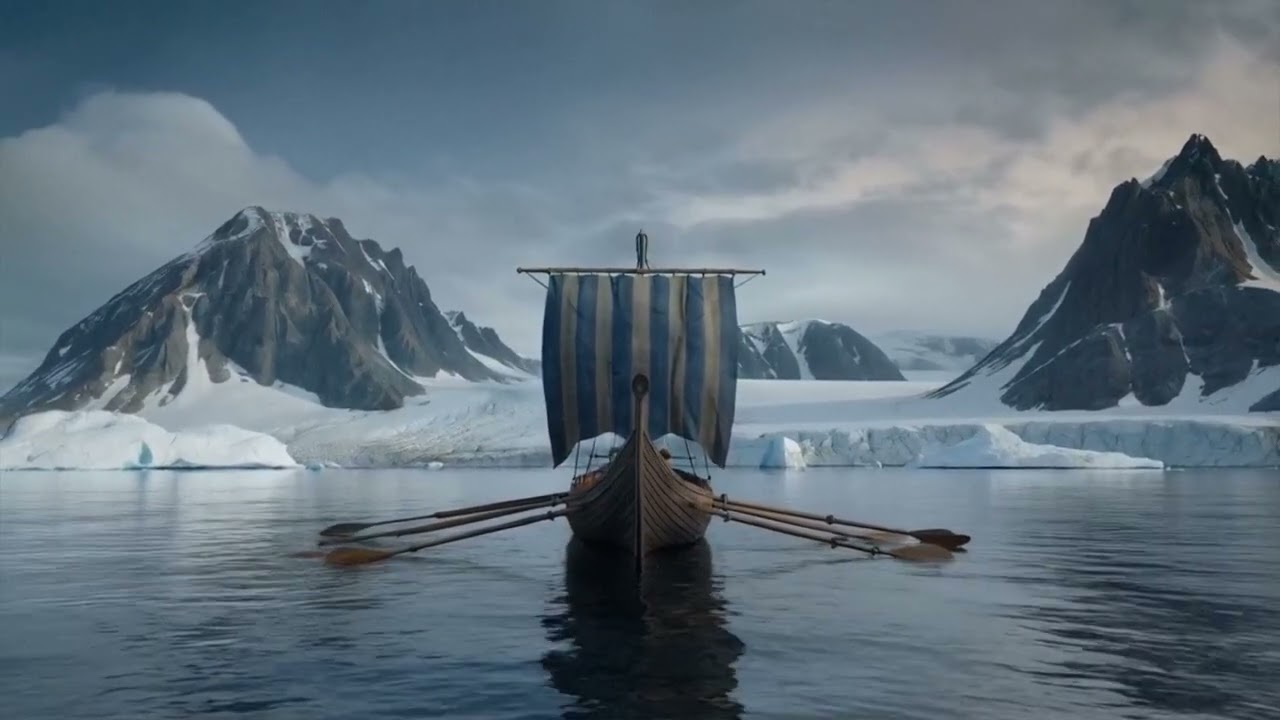
The third explorer is the one who gave Iceland its lasting name. Hrafna-Flóki Vilgerðarson was a Norwegian Viking who wanted to settle the new land he had heard about. He sailed with his family, his livestock, and a handful of followers.
Flóki earned his nickname Hrafna-Flóki (Raven Flóki) because he took three ravens on board for navigation. He released them one at a time on the voyage.
The first raven flew back to the Faroe Islands, which told him how far he had come. The second flew straight up and returned to the ship, which meant no land was near. The third flew ahead and didn’t come back, so Flóki followed it and found Iceland.
He first sighted land near Eystrahorn in southeast Iceland, then sailed west along the south coast and north into the Westfjords before settling at Vatnsfjordur.
Why Flóki Called It Iceland
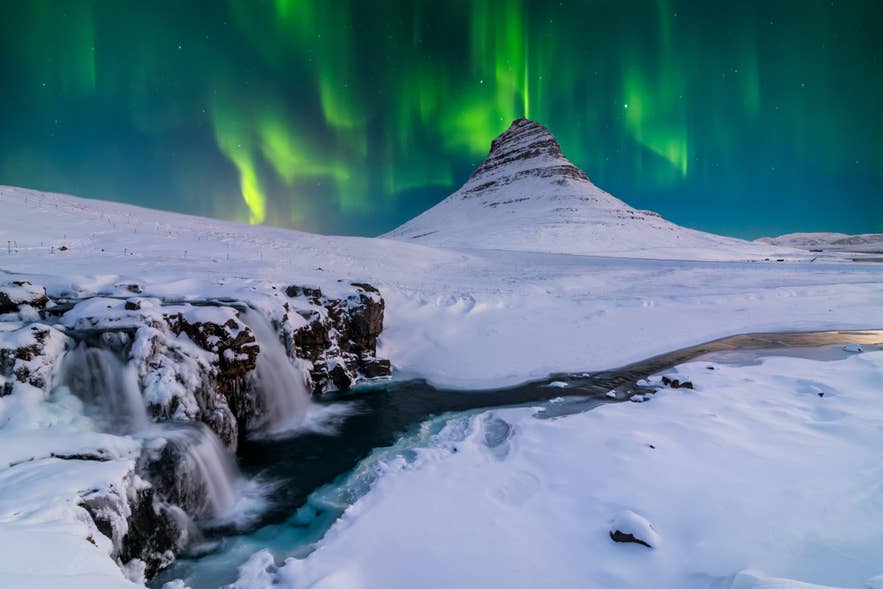 Flóki landed in Vatnsfjordur, a fjord in the Westfjords. The first summer was easy. Vatnsfjordur was rich in fish, and Flóki and his men spent their days catching salmon and cod.
The problem was that they caught too much fish and cut too little hay. When winter came, the livestock had nothing to eat. Almost every cow, sheep, and horse they had brought from Norway died that winter.
In the spring, Flóki was angry and heartbroken. He climbed a mountain at the head of the fjord to take one last look at the country that had killed his animals. From the summit, he looked north and saw another fjord still packed with drift ice.
He decided the country would always be like this, and he named it Ísland, right there on the mountain. Flóki gave up on settlement and sailed back to Norway. He told everyone that the new land was worthless.
One of his followers, Þórólfur, said the opposite, claiming that butter dripped from every blade of grass in Iceland. Þórólfur got the nickname Þórólfur Smjör (Thorolfur Butter) for his trouble.
Flóki himself later returned to Iceland and settled in Flokadalur, a valley in Skagafjordur in North Iceland, so his bitterness didn’t last a lifetime. By then, he had already given the country the name that would stay with it.
Ingólfur Arnarson Made the Name Permanent
 ▶” title=”Why Is Iceland Called Iceland? The Story Behind the Name – video” style=”border: 0px; overflow: hidden;” class=”lazyload”>
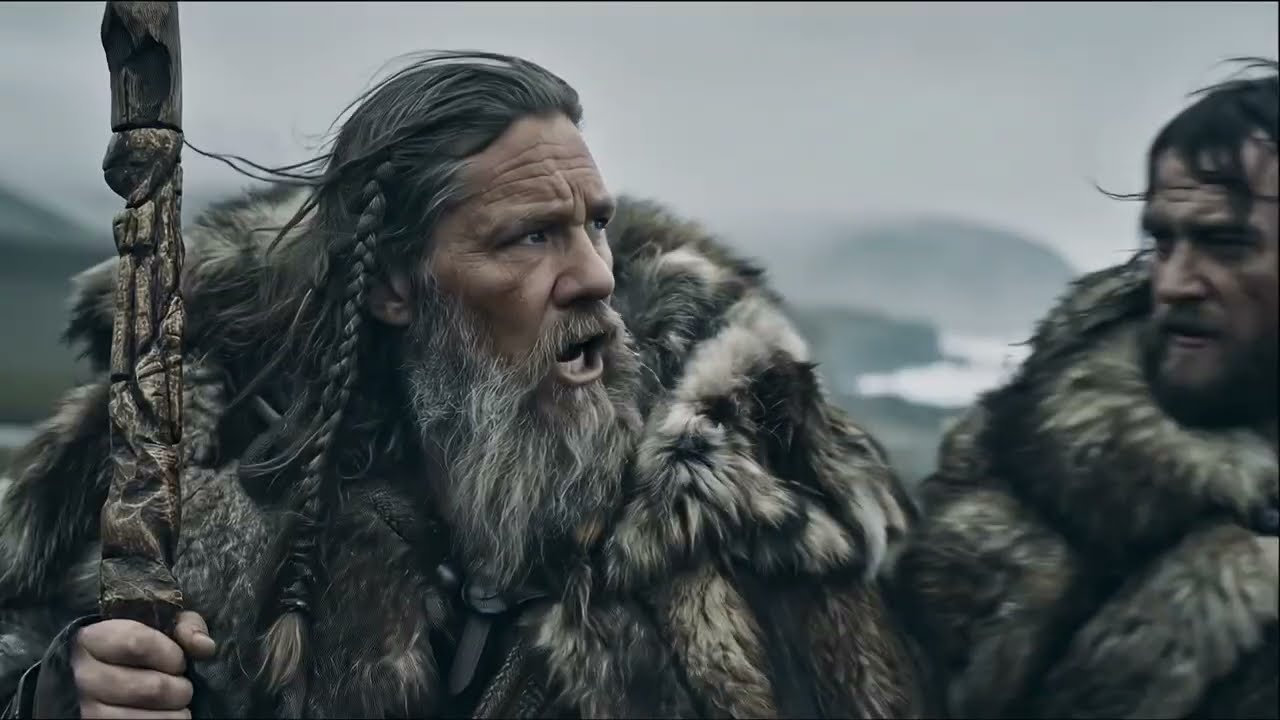
Hrafna-Flóki gave Iceland its name, but it was Ingólfur Arnarson who made it stick. In 874, the Norwegian chieftain became the first permanent settler of Iceland, founding his farm in a steamy coastal bay he named Reykjavik, meaning “Smoky Bay.”
By the time he arrived, the country had been called Iceland for about a generation, and Ingólfur saw no reason to change it. Within 60 years of his settlement, almost every piece of usable farmland on the island was claimed by Norse and Celtic settlers, and the name Iceland was locked in for good.
How to Say “Iceland” in Icelandic
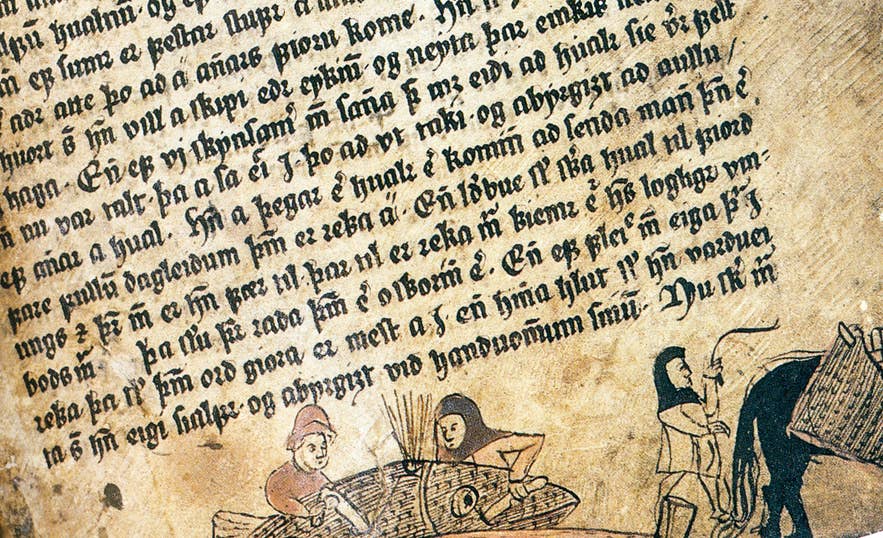 Locals don’t call their country “Iceland” when they speak Icelandic. The native name is Ísland, pronounced roughly “EES-lant.” The first letter Í is a long “ee” sound, not an English “I.”
The name is a compound of íss (“ice”) and land (“land”) in Old Norse, exactly what Flóki saw from the mountain above Vatnsfjordur.
People from Iceland are called Íslendingar (singular Íslendingur) in Icelandic, or Icelanders in English. The language they speak is íslenska, which is closely related to the Old Norse that Flóki and Ingólfur spoke.
Modern Icelanders can still read the medieval sagas in their original language and follow most of the text. This is a rare quality among modern European languages.
Other Names Iceland Almost Got
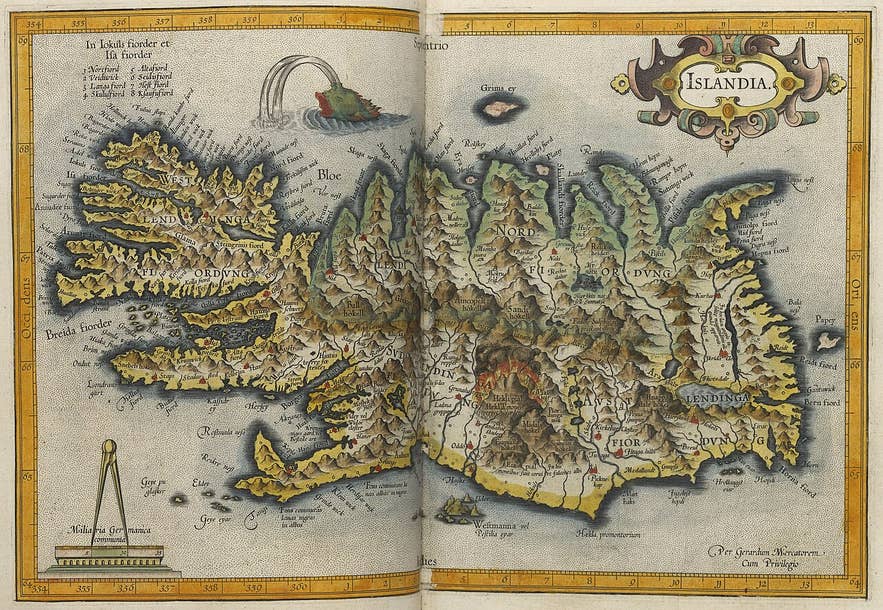
Photo from Wikimedia, Creative Commons, by Centre for Research Collections University of Edinburgh. No edits made.
Iceland was on the map, in one form or another, long before Flóki named it. The names just didn’t last.
Around 330 BC, the Greek explorer Pytheas of Massalia sailed north from the Mediterranean and described a far-northern island he called Thule, where the sun barely set in summer.
Modern scholars are split on what Pytheas actually saw, with some arguing for Iceland and others for Norway, Shetland, or the Faroe Islands. Irish manuscripts later applied the name Thule directly to Iceland.
The Irish themselves were the next to arrive. Long before any Norseman set foot on the island, Irish hermits known as the papar sailed to Iceland seeking solitude.
The 12th-century Icelandic historian Ari Þorgilsson wrote in Íslendingabók that Christian monks were already living on the island when the Norse arrived, and that they left behind books, bells, and croziers when they went.
The Norse word for the Irish was vestmenn, meaning “men of the west.” It survives today in Vestmannaeyjar (Westman Islands) off the South Coast of Iceland, named for a group of Irish men who took refuge there in the early settlement era.
Once the Norse arrived, two more names came and went before Flóki’s stuck. Naddodd called the island Snaeland (Snow Land) around 860. Garðar Svavarsson called it Gardarsholmur (Garðar’s Isle) around 865.
Only Ísland survived into regular use, helped by the fact that it was short, easy to say, and matched the description Flóki carried back to Scandinavia.
Iceland and Greenland: The Name-Swap Story Explained
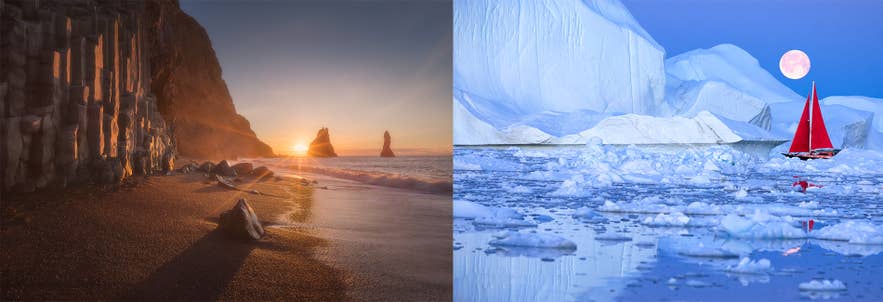 Almost every traveler who visits both Iceland and Greenland eventually hears the same joke. Iceland is green, Greenland is ice, and the Vikings swapped the names on purpose to trick rival settlers.
The myth is half right. Greenland really was named as a marketing move.
Erik the Red was exiled from Iceland for killing a neighbor around 980, sailed west, and spent a few years exploring an ice-covered island. When he came back, he wanted to convince other Icelanders to move there.
According to the Saga of Erik the Red, he called the place Graenland, or Greenland, because people would be more willing to settle in a country with a good name.
Iceland’s name has nothing to do with that. Flóki named it Ísland a full century before Erik the Red set sail, and the country had already been called Iceland for generations, settled by Norse and Celtic farmers, by the time Greenland got its name.
The two names weren’t a coordinated trick. They were chosen separately, by different people, for different reasons. What the myth gets right is that one of the names was a sales pitch. What it gets wrong is which one.
Iceland Today Isn’t Just Ice
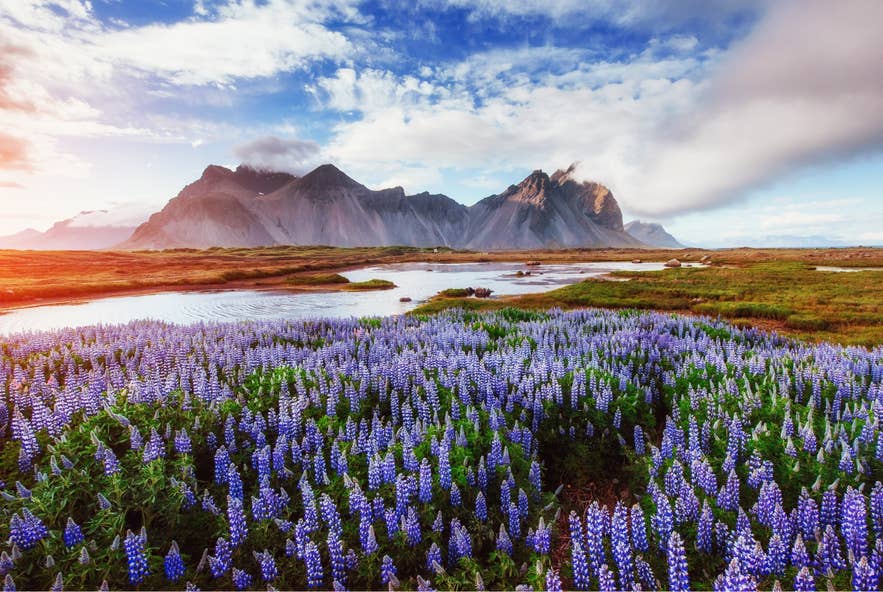 If Flóki could see the country now, he would probably feel cheated by his own name. Modern Iceland is closer to Þórólfur’s buttery version than to Flóki’s frozen one.
Roughly 11% of the country is covered by glaciers, mostly in the highlands and the south. The rest is a country of lava fields and moss, steaming geothermal valleys, black sand beaches, coastal farmland, and sea cliffs alive with puffins in summer.
Inland, the Icelandic Highlands open into deserts of red and black volcanic rock that look closer to Mars than to anywhere icy. Along the coast, geothermal heat warms outdoor pools year-round, even in January.
That said, the ice is still core to Iceland’s identity. Take a self-drive tour of the Ring Road in winter and you’ll see why Flóki called the country what he did.
Driving the Ring Road puts most of the country’s glaciers within reach. You can walk right up to ice on glacier hiking tours, sail among floating icebergs at Jokulsarlon Glacier Lagoon, or explore ice caves. The route also passes Vatnajokull, the largest glacier in Europe by volume, which covers about 8% of Iceland’s surface.
Visit the Places Where Iceland Got Its Name
 You can still stand at most of the key sites from the naming story of Iceland by renting a car or going on self-drive tours. For travelers who prefer to leave the driving to someone else, guided multi-day tours cover the same ground with a local expert at the wheel.
Vatnsfjordur, where Flóki’s livestock died and he named the country, is reachable on Westfjords tours. Husavik, where Garðar spent his winter, is among the best whale-watching destinations in Iceland today. Reykjavik, where Ingólfur built the first permanent farm, is the capital and the starting point for most vacations in Iceland.
Three museums in Reykjavik and the west fill in the rest of the story, all drawing directly from Landnámabók and the sagas:
If the naming story has you wanting more, the broader history of Iceland covers the next thousand years: settlers feuding with each other and the land, a parliament forming at Thingvellir National Park in 930, and Icelandic writers shaping most of what we know about the Viking age today.
Flóki was wrong about the place being worthless; he just wasn’t entirely wrong about the ice.