
Penn Medicine in Philadelphia is using nuclear medicine to treat cancer patients, offering advanced care and hope to those battling the disease. Patient storyLori Canzanese, a 54-year-old mother of two, has been receiving shots of radioactive material as part of her treatment for advanced neuroendocrine pancreatic cancer, which she was diagnosed with 10 years ago. “When you hear nuclear medicine or radioactive, it can feel pretty ominous, but the actual treatment was pretty calm,” Canzanese said.How the treatment worksAfter her initial surgery, Penn’s Department of Nuclear Medicine took over her care, using advanced imaging to locate tumors and radioactive material to destroy cancer cells. “After each treatment, I was considered hot with radiation and so I had to be in isolation for three days,” Canzanese said.Expert perspective Dr. Phil Mulugeta, from Penn Medicine’s Department of Radiation, explained the impact of the treatment on Canzanese’s condition. “Nuclear medicine is in a new era, and we can individually pick what kind of radioactive medication is the best for each individual patient,” Mulugeta said. He added that several important research advances are expanding the horizons of nuclear medicine. “I know. It’s, it’s a scary word, but there’s no need to be afraid. These are special kinds of radioactive molecules. No patient has ever been harmed,” Mulugeta said.Support and stabilityCanzanese said she feels supported by the care she receives at Penn Medicine. “I feel fortunate that this treatment was available,” she said. Routine scans at Penn show her tumors are stable, allowing her to spend quality time with her family.She is also working to help others by organizing the annual Run for the Stripes, an event at the zoo that raises money and awareness for neuroendocrine tumors.
Penn Medicine in Philadelphia is using nuclear medicine to treat cancer patients, offering advanced care and hope to those battling the disease.
Patient story
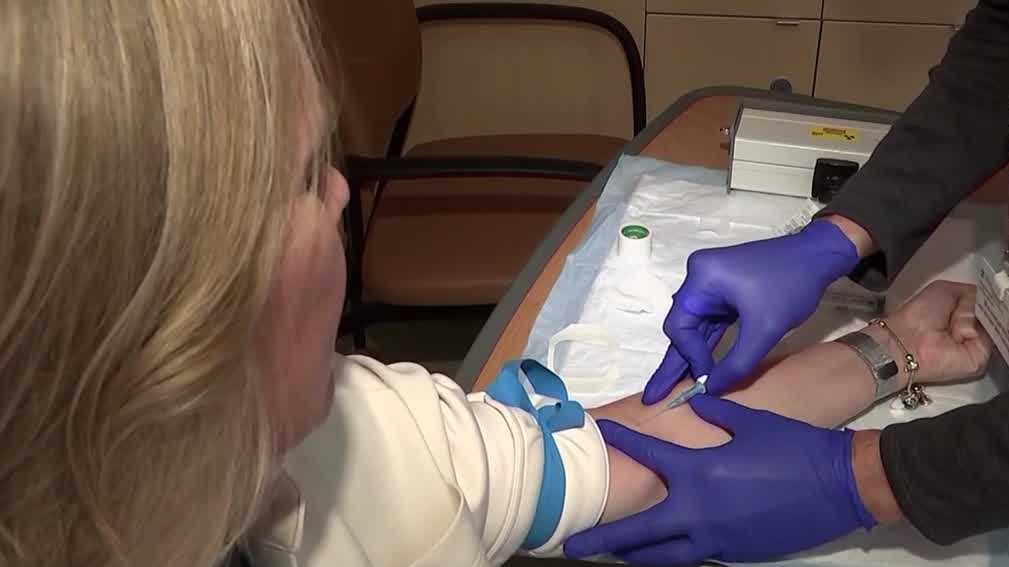
Lori Canzanese, a 54-year-old mother of two, has been receiving shots of radioactive material as part of her treatment for advanced neuroendocrine pancreatic cancer, which she was diagnosed with 10 years ago.
“When you hear nuclear medicine or radioactive, it can feel pretty ominous, but the actual treatment was pretty calm,” Canzanese said.
How the treatment works
After her initial surgery, Penn’s Department of Nuclear Medicine took over her care, using advanced imaging to locate tumors and radioactive material to destroy cancer cells.
“After each treatment, I was considered hot with radiation and so I had to be in isolation for three days,” Canzanese said.
Expert perspective
Dr. Phil Mulugeta, from Penn Medicine’s Department of Radiation, explained the impact of the treatment on Canzanese’s condition.
“Nuclear medicine is in a new era, and we can individually pick what kind of radioactive medication is the best for each individual patient,” Mulugeta said.
He added that several important research advances are expanding the horizons of nuclear medicine.
“I know. It’s, it’s a scary word, but there’s no need to be afraid. These are special kinds of radioactive molecules. No patient has ever been harmed,” Mulugeta said.
Support and stability
Canzanese said she feels supported by the care she receives at Penn Medicine.
“I feel fortunate that this treatment was available,” she said.
Routine scans at Penn show her tumors are stable, allowing her to spend quality time with her family.
She is also working to help others by organizing the annual Run for the Stripes, an event at the zoo that raises money and awareness for neuroendocrine tumors.