
Best Things to Do in Iceland in Spring
Iceland in spring offers a wide range of experiences, from natural wonders to seasonal highlights. As the days grow longer and conditions begin to improve, you can explore more of the country while still enjoying some winter-only experiences early in the season.
In March and April, you still have a chance to see the northern lights, while May brings longer days, milder weather, and even the start of the midnight sun. It is also an excellent time for spring Iceland adventures like road trips, wildlife spotting, and visiting iconic attractions without peak-season crowds.
Here is a list of the best things you can do in Iceland in spring.
Seasonal Experiences To Try in Iceland in Spring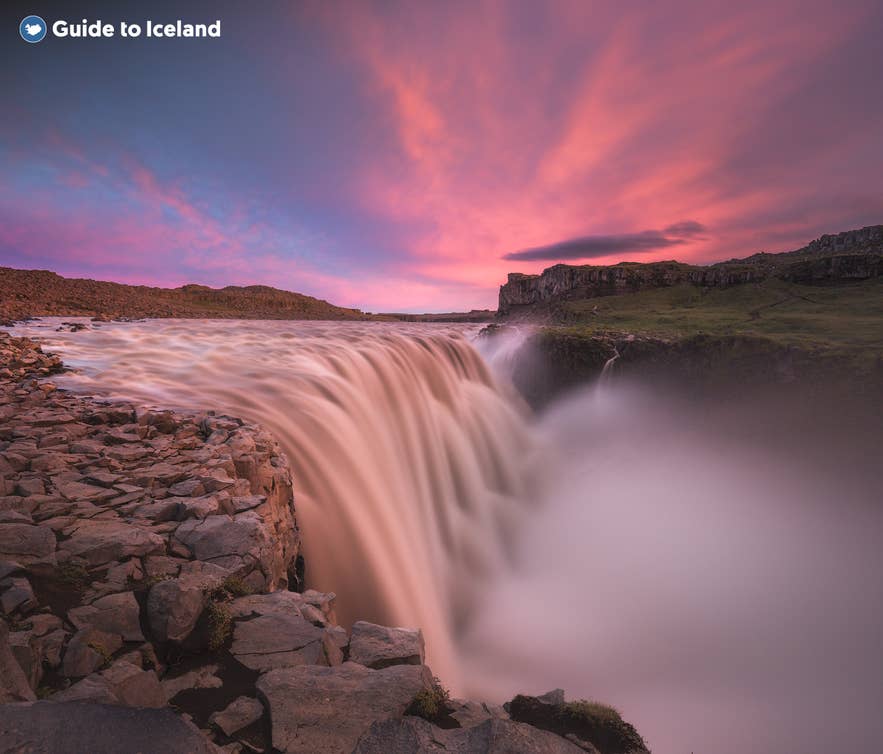
Spring brings unique, time-sensitive experiences like northern lights, returning wildlife, and fewer crowds at popular tours.
See the Northern Lights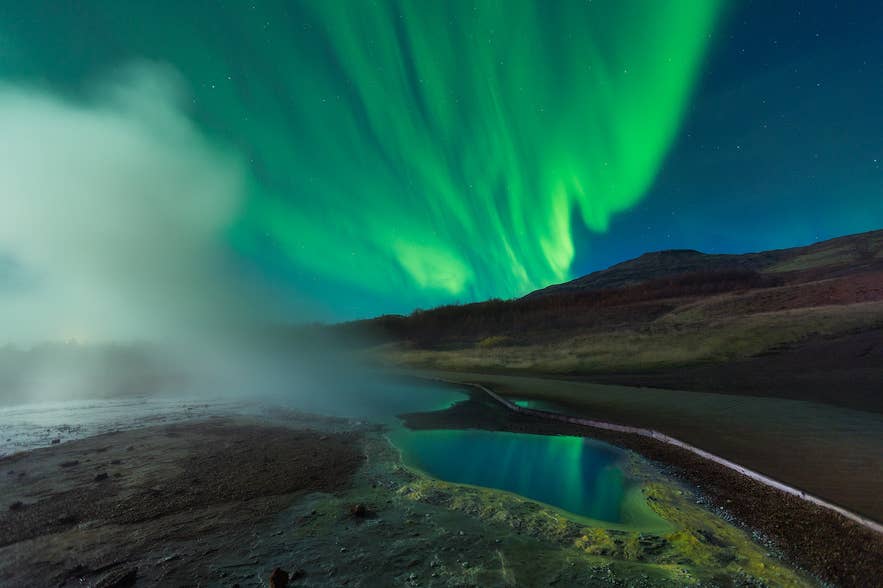
While winter is the peak season for the aurora, you can still see the northern lights during your spring travel in Iceland, especially in March and early April. The key is to find dark locations away from city lights and monitor the aurora forecast.
If seeing the aurora is a priority, consider staying in northern lights hotels or joining guided aurora tours to improve your chances. You can also check this comprehensive guide to hunting the northern lights in Iceland.
Go Whale Watching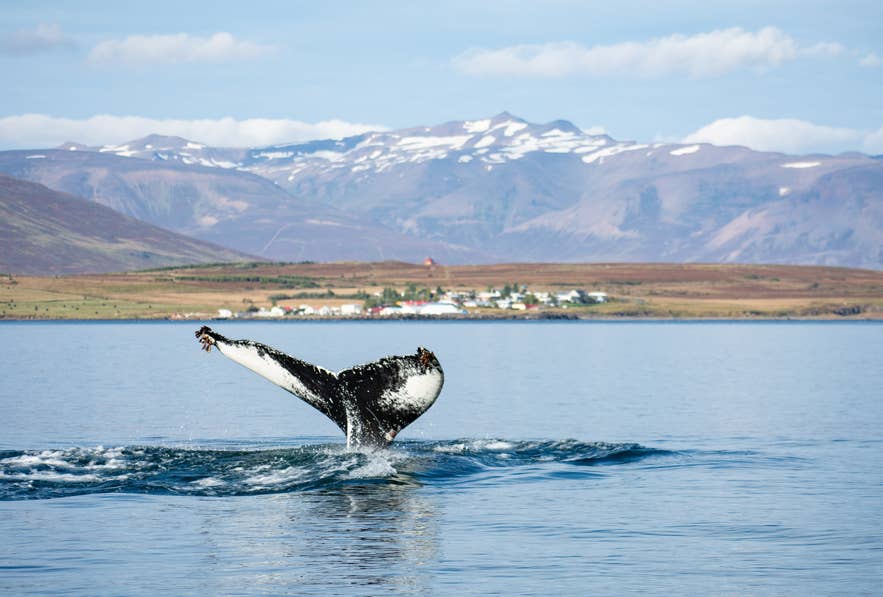
Whale-watching tours in Iceland operate from Reykjavik and towns like Husavik, often called the whale-watching capital of Iceland. One of the advantages of spring travel is that you do not need to go far. A whale watching tour in Reykjavik offers convenient access to sightings just off the coast.
During spring, migratory whales begin returning to coastal waters, making it an exciting time to spot early arrivals such as humpback whales. While sightings are generally less frequent than in summer, opportunities improve steadily from April onward, and tours tend to be less crowded.
See Wildlife and Puffins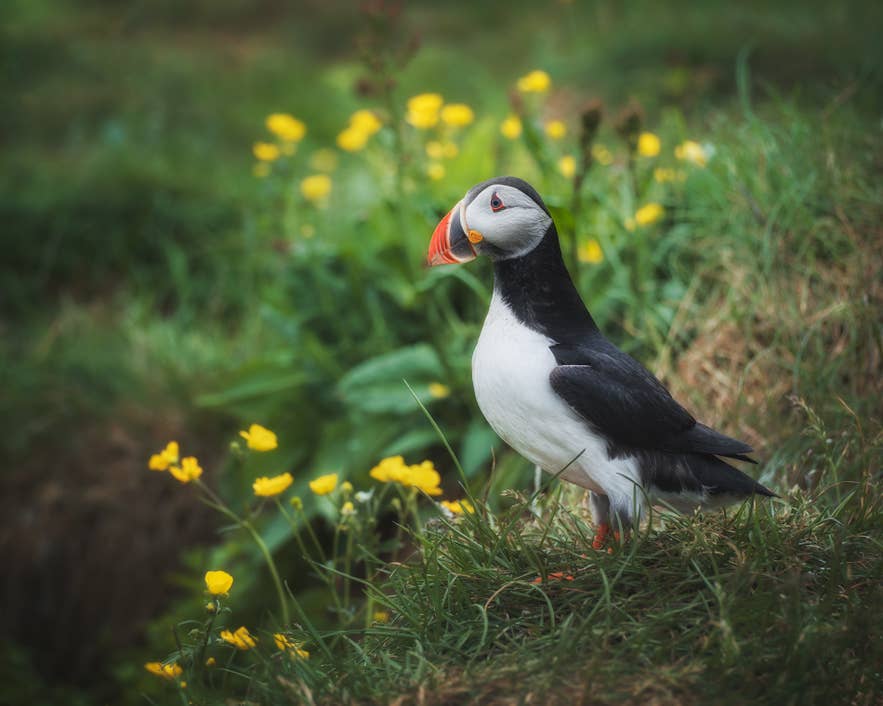
Late spring is one of the best times to see wildlife in Iceland. Puffins return to coastal cliffs in late April and May, while whales and seals become more active along the shoreline.
These seasonal changes make wildlife adventures like puffin tours one of the highlights of spring Iceland adventures, especially for nature lovers and photographers.
Iconic Iceland Attractions To See in Spring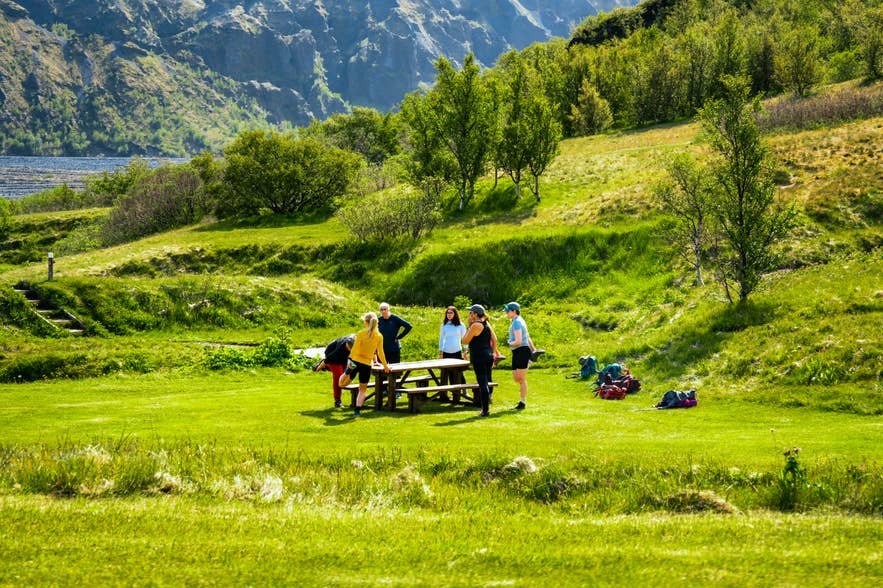
Visit Iceland’s most famous sights as they come to life with flowing waterfalls, thawing landscapes, and quieter conditions.
Explore the Golden Circle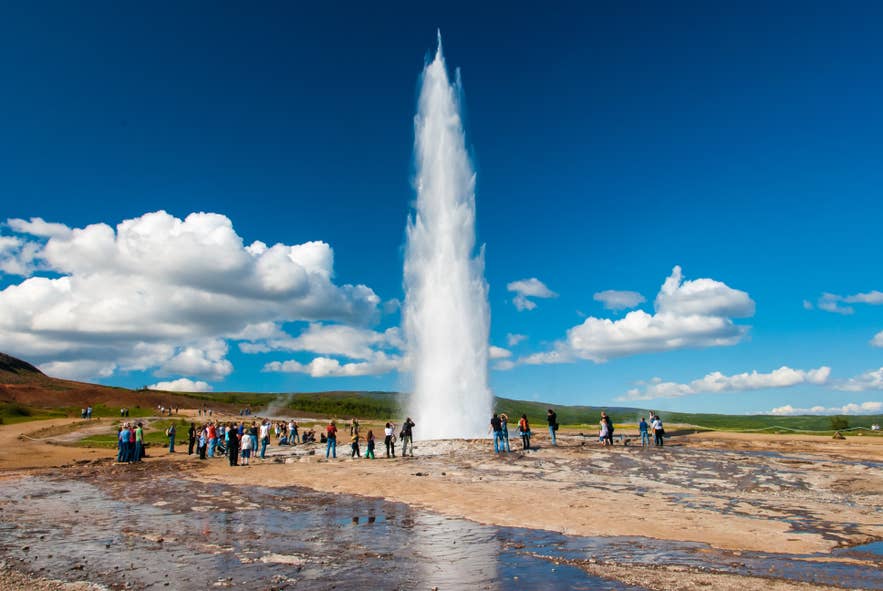
The Golden Circle is one of Iceland’s most popular routes, and spring offers a quieter way to experience it. This easy day trip from Reykjavik includes highlights like Thingvellir National Park, the Geysir Geothermal Area, and Gullfoss Waterfall.
In spring, Thingvellir’s landscapes begin to thaw, revealing flowing rivers and clearer walking paths. At Geysir, cooler air temperatures can make the steaming geothermal activity even more visible. Gullfoss is especially powerful during this season, fueled by melting snow and increased glacial runoff.
Chase Waterfalls at Their Most Powerful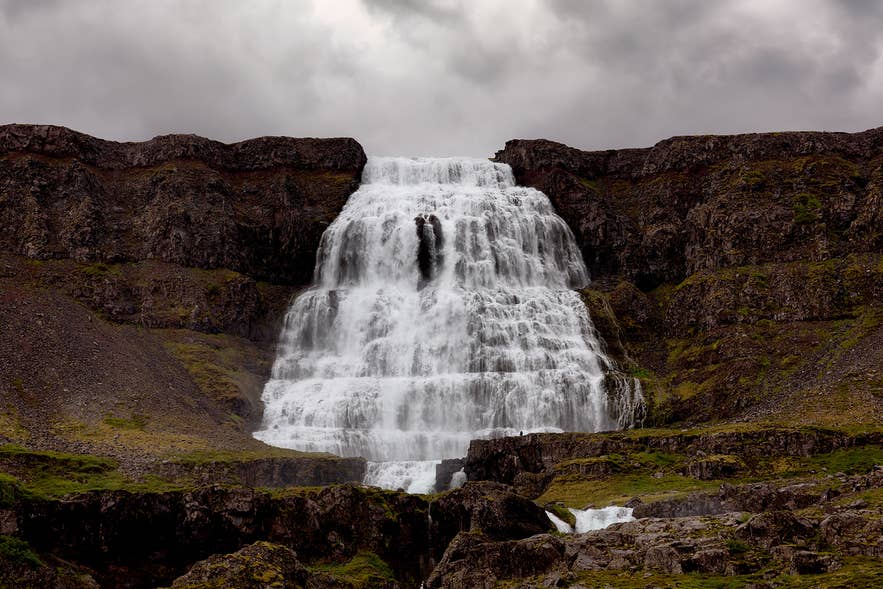
Spring is one of the best times to see Iceland’s waterfalls at full force. Melting snow and glacial runoff increase water flow, creating dramatic and powerful cascades.
Famous waterfalls like Gullfoss, Skogafoss, and Seljalandsfoss become even more impressive. Enjoy the fresh greenery as the landscape begins to come alive.
Conditions can still be wet and slippery, so wear proper footwear and always check weather and road conditions before setting out.
Scenic Travel & Road Adventures in Iceland in Spring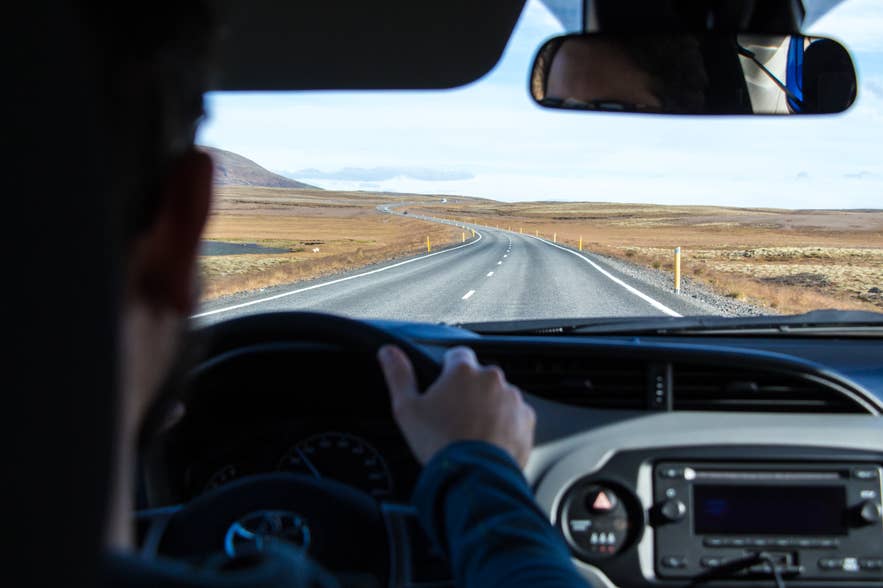
Spring is a great time for road trips in Iceland, with improving conditions and extended daylight hours making it easier to explore at your own pace. Here are some road trip-worthy places you might want to see in Iceland in spring.
Ring Road Road Trip in Spring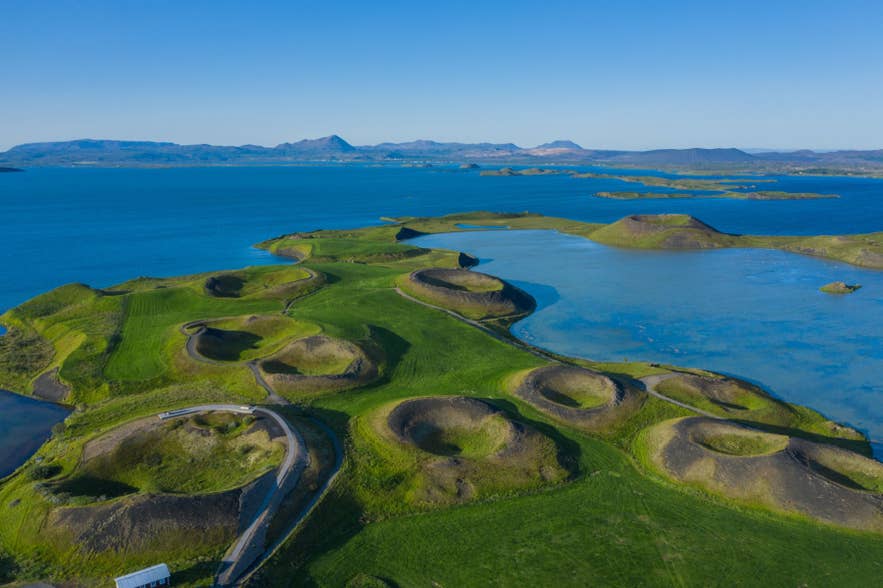
The Ring Road is more accessible in spring, offering a mix of waterfalls, glaciers, and coastal views without peak summer traffic. While it is technically possible to drive short sections as day trips, completing the full route requires at least 7 to 10 days for a comfortable pace. In spring, it is best to split the journey over several days to account for changing weather and road conditions.
Snaefellsnes Peninsula Road Trip in Spring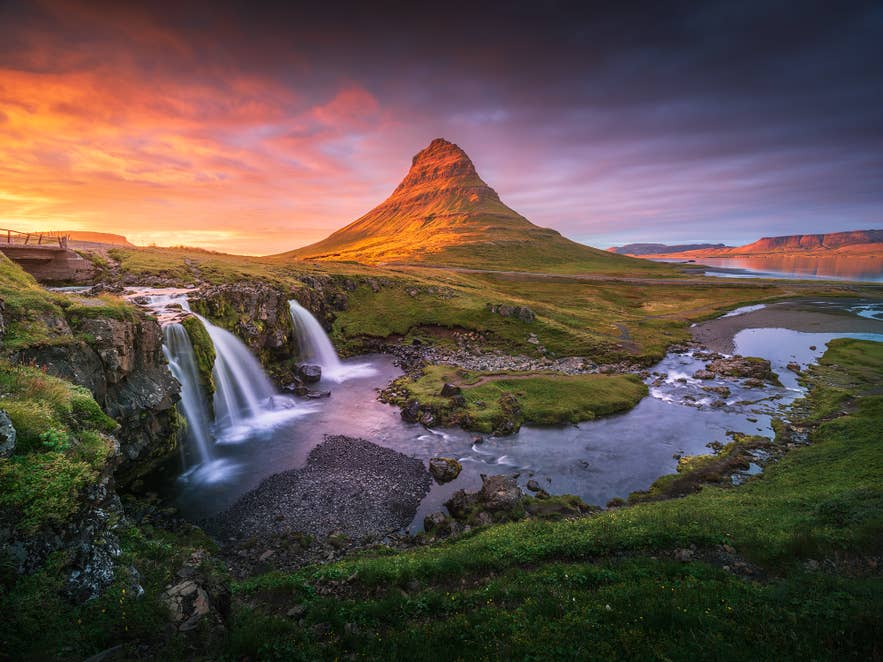
Snaefellsnes combines lava fields, cliffs, glaciers, and mountains, all within a relatively compact area. Located about 2 to 3 hours from Reykjavik, it can be done as a long day trip, but spending 1 to 2 days allows you to explore more comfortably and enjoy the scenery without rushing.
Silver Circle Road Trip in Spring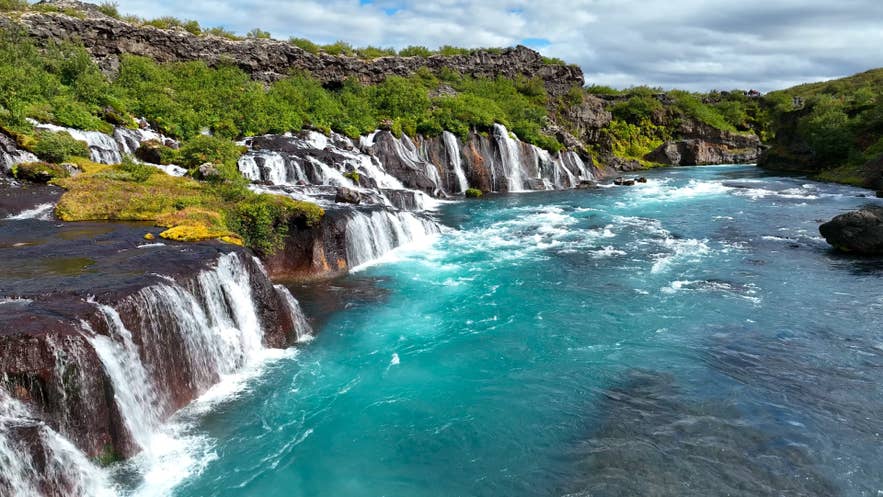
The Silver Circle is located in West Iceland, near Borgarnes, about 1.5 to 2 hours from Reykjavik. This scenic route includes waterfalls, geothermal areas, and historical sites, offering a quieter alternative to the Golden Circle. It is well-suited for a day trip, though you can extend it into an overnight stay if you want to explore nearby areas at a slower pace.
Westfjords Road Trip in Spring (early or late spring considerations)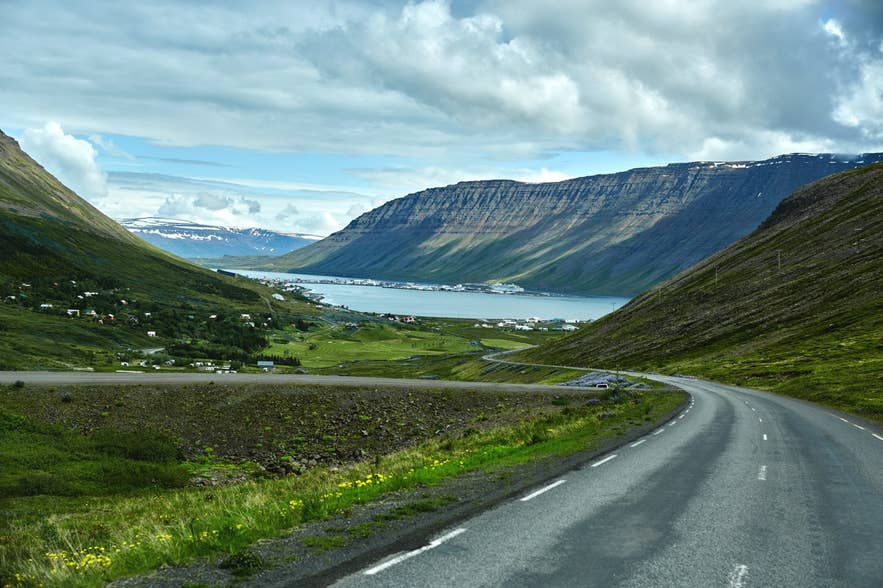
The Westfjords begin to open up later in spring, offering dramatic landscapes and remote scenery. Access can still be limited early in the season, so timing and road conditions are important.
Relaxation & Outdoor Activities To Try in Iceland in Spring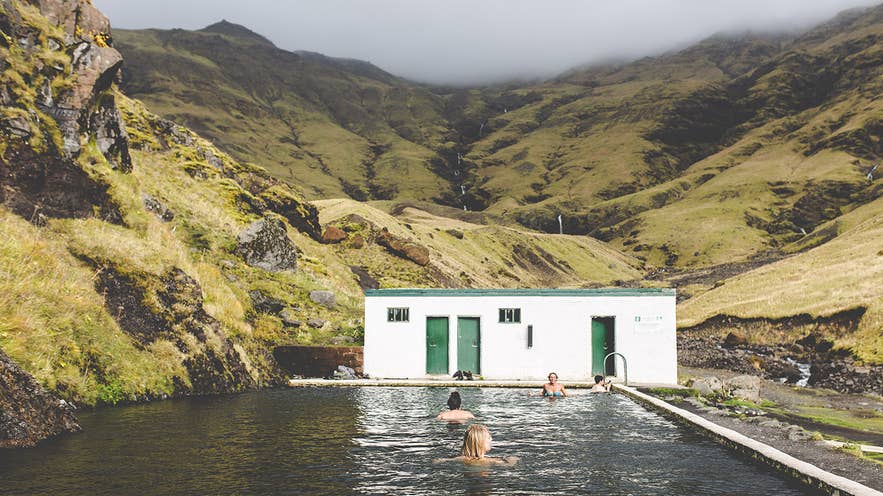
Unwind in Iceland’s geothermal pools and enjoy outdoor activities at a comfortable pace as the weather begins to soften.
Visit Hot Springs Near Reykjavik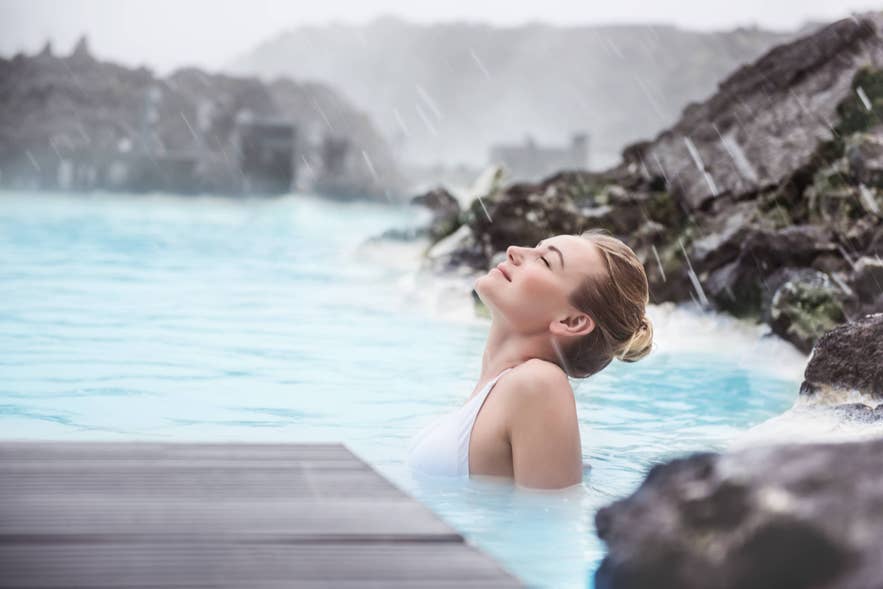
Iceland is known for its geothermal bathing culture, and spring is a comfortable time to enjoy it. Popular options near Reykjavik include the Blue Lagoon, Sky Lagoon, and Hvammsvik Hot Springs.
Hot spring tours in Iceland help you experience this amazing bathing culture.
Go Hiking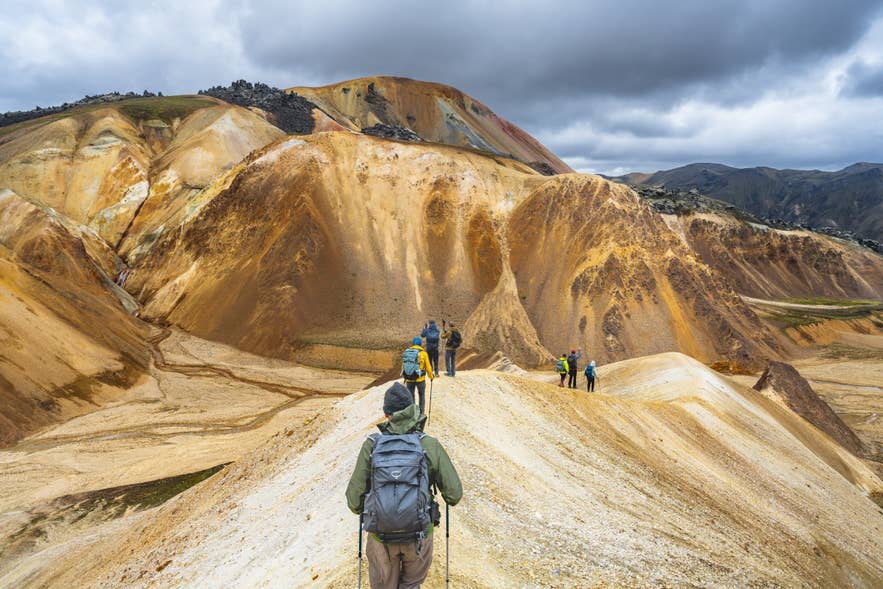
Hiking in spring offers a mix of snowy landscapes and emerging greenery. Trails begin to open at lower elevations, especially near Reykjavik and along the South Coast.
Popular hiking tours in Iceland include Reykjadalur Valley, where you can hike to a hot river, and coastal or lava field trails that are more accessible during this time of year.
Itineraries in Iceland in Spring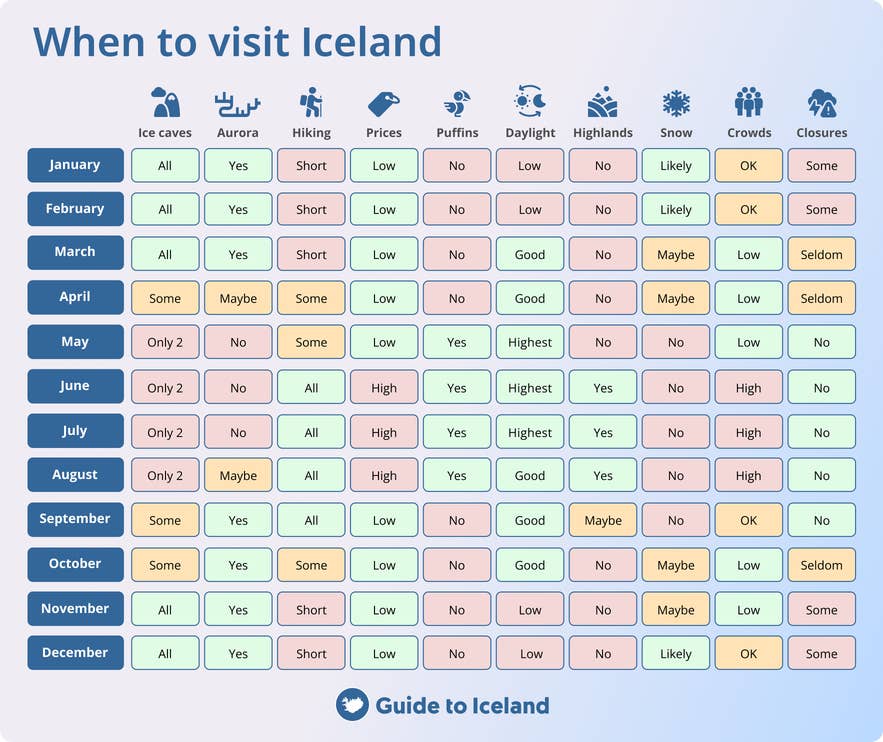
If you are planning spring travel in Iceland, choosing the right itinerary can make your trip much smoother. For ease and convenience, you can book vacation packages in Iceland, which combine accommodations, guided tours, or self-drive options, and ready-made itineraries to simplify planning.
Sample 5-Day Spring Itinerary in Iceland (Ring Road Highlights)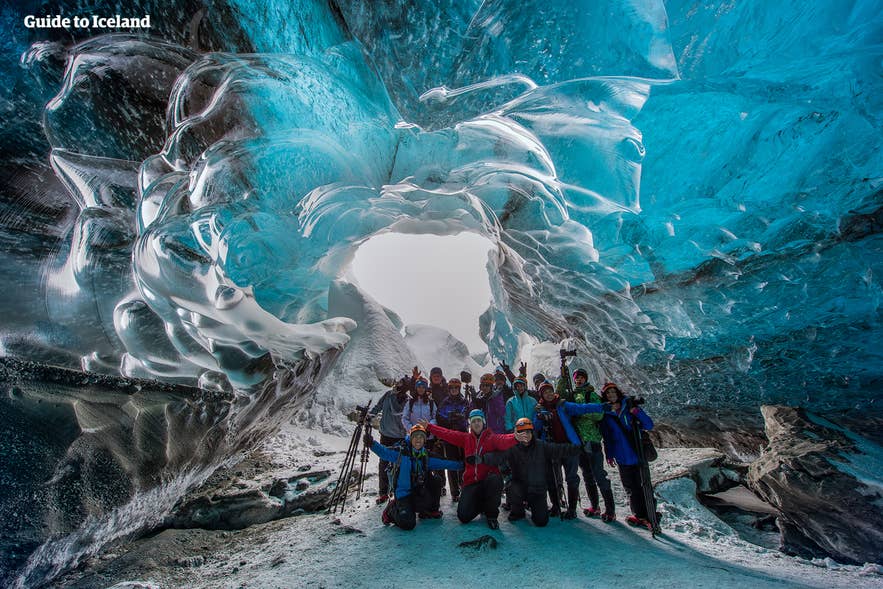
A popular route for Iceland in spring is a Ring Road itinerary which can look like this:
-
Day 1 – Reykjavik to South Coast: Waterfalls, black sand beaches, and coastal views.
-
Day 2 – South Coast to Eastfjords: Glacier lagoons and scenic drives through quiet fishing villages.
-
Day 3 – Eastfjords to North Iceland: Geothermal areas, lava fields, and Lake Myvatn highlights.
-
Day 4 – North Iceland to West Iceland: City stop in Akureyri and a scenic cross-country drive.
-
Day 5: West Iceland to Reykjavik: Waterfalls, geothermal sites, and optional Snaefellsnes detour.
For more detailed routes and trip ideas, explore this guide to itineraries in Iceland to find one that fits your travel style and timeframe.
Spring Festivals and Events in Iceland
Spring in Iceland is not just about changing landscapes. It is also a time of local traditions, unique celebrations, and cultural moments that give you a deeper look into everyday life.
Reykjavik Folk Festival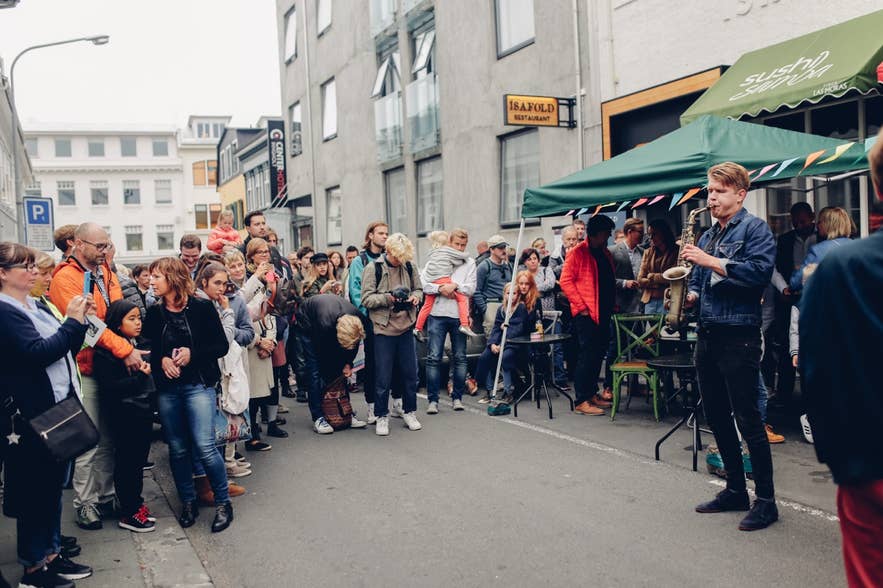
The Reykjavik Folk Festival, established in 2010, celebrates traditional and contemporary folk music in Iceland. It is usually held in March, making it a great cultural event to experience during Iceland in spring.
The festival runs for three days. There are both free and ticketed events, offering something for different interests and budgets. For the latest schedule and details, you can check the Reykjavik city website.
Beer Day 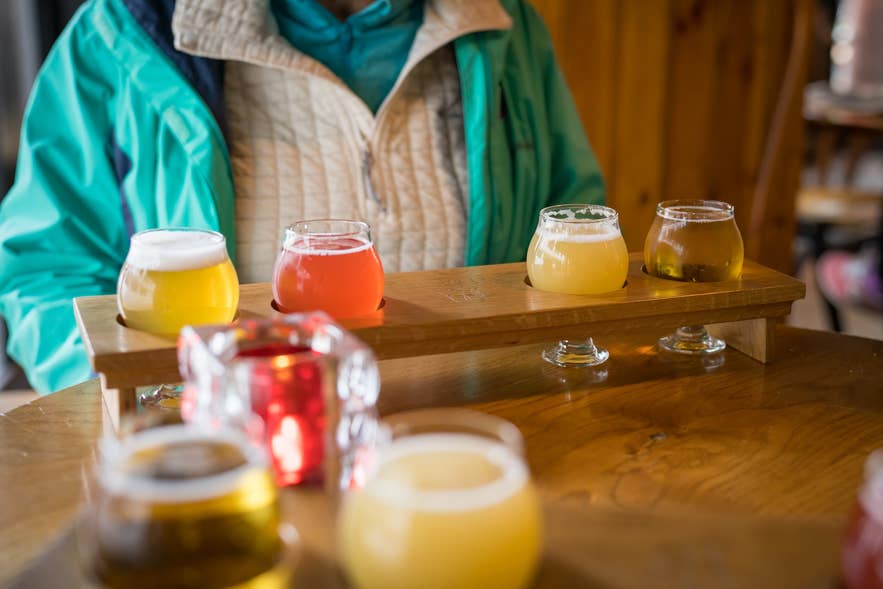
Beer Day is celebrated every year on March 1 and marks the end of Iceland’s beer prohibition, which lasted until 1989. While it is not an official public holiday nor a festival, it is widely recognized across the country.
If you are visiting Iceland in spring, you will find many bars and breweries offering special promotions, often with lower prices and themed events on this date. Reykjavik is the best place to experience it, with a wide selection of craft breweries and lively bars where locals gather to celebrate.
First Day of Summer (Sumardagurinn Fyrsti)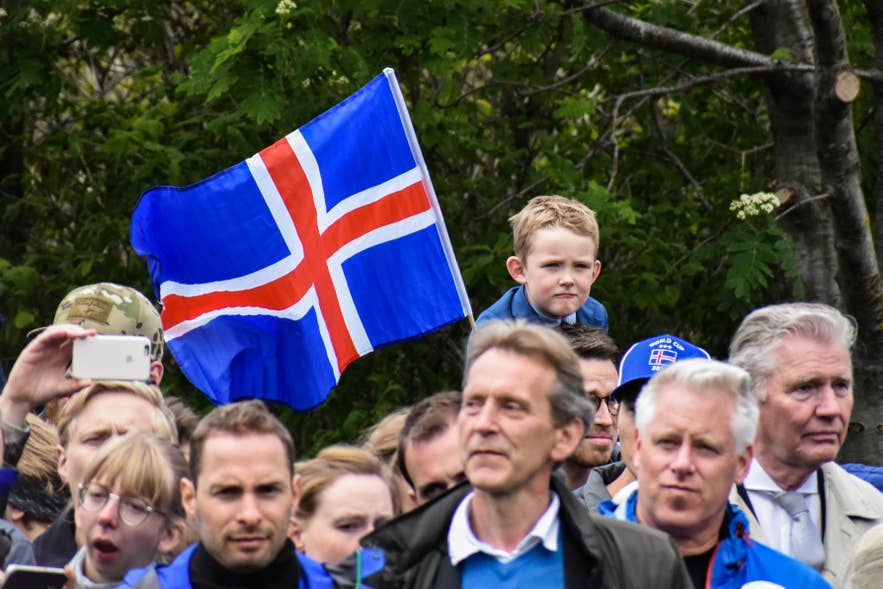
The First Day of Summer, or Sumardagurinn Fyrsti, is an official holiday in Iceland celebrated on the first Thursday after April 18.
Despite the name, the weather is definitely not in summer and falls under spring. If you’re curious why this is, check out this article on the First Day of Summer in Iceland. The celebration is less about sunshine and more about optimism. It marks the end of the long winter and the beginning of brighter days ahead.
Easter in Iceland
 ▶” title=”Iceland in Spring: The Ultimate Travel Guide – video” style=”border: 0px; overflow: hidden;” class=”lazyload”>
Easter, known as “Páskar”, is one of the most important public holidays in Iceland and a special time to visit during spring. While it has Christian roots, today it is widely celebrated as a cultural holiday focused on food, relaxation, and seasonal traditions.
In the weeks leading up to Easter, shops fill with large chocolate eggs filled with candy and small messages. Across the country, restaurants offer special menus, and many towns host events, concerts, and local celebrations, creating a festive atmosphere for visitors.
What to Pack for Spring in Iceland
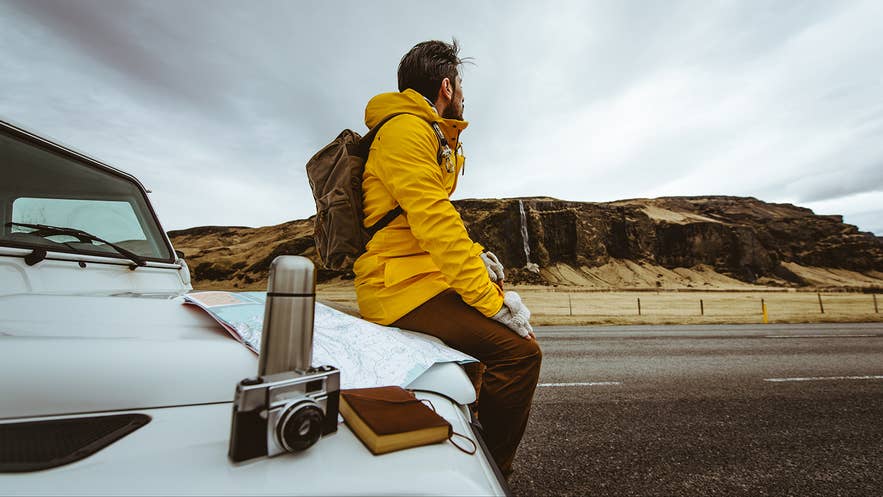 While spring in Iceland is generally milder than winter, visitors should still pack warm and waterproof clothing, as well as sturdy hiking boots, a hat, gloves, and a scarf. The weather can be unpredictable, with occasional snow and rain, especially in the early part of the season. Here are some essential items to pack for a trip to Iceland in spring:
-
Warm layers: Bring warm clothing that can be layered, including a waterproof and windproof jacket, a warm sweater or fleece, and a thermal base layer.
-
Waterproof and sturdy shoes: Pack sturdy hiking boots or shoes that can handle uneven terrain and protect your feet from the elements.
-
Accessories: Bring a warm hat, gloves, and scarf to protect your head, hands, and neck from the cold.
-
Sunglasses: Bring sunglasses to protect your eyes from the bright sunlight, which can be intense in Iceland, especially during the spring.
-
Camera equipment: Bring your camera and any necessary equipment to capture Iceland’s stunning natural landscapes and wildlife.
-
Swimwear: Pack swimwear if you plan to visit any geothermal pools or hot springs.
-
Travel adapter: Bring a travel adapter if necessary to charge your electronics in Iceland.
Spring Compared to Other Seasons in Iceland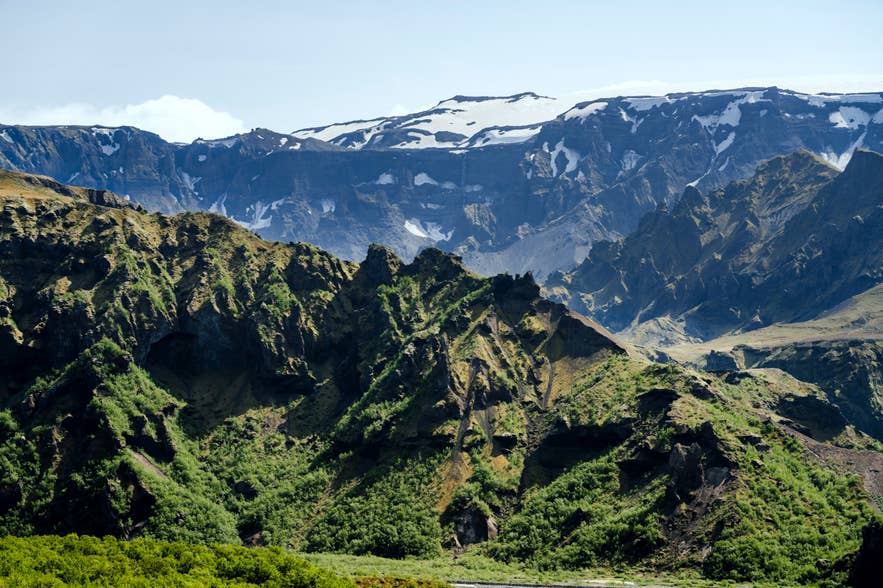
If you are deciding when to visit, here is how Iceland in spring compares to other seasons in terms of activities, crowds, and costs.
Spring vs. Summer
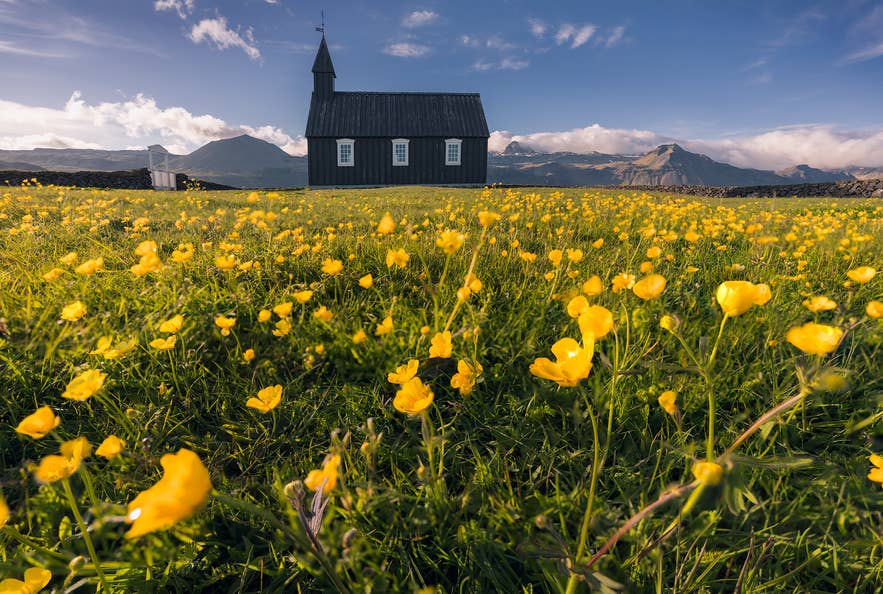 Spring offers fewer crowds and lower prices compared to summer, especially for accommodations and tours. While some highland routes remain closed, you can still enjoy popular routes like the Golden Circle and South Coast with more space and flexibility.
Summer, on the other hand, provides full access to the Highlands and the widest range of tours, including hiking and camping. However, it is the busiest and most expensive time to visit, with peak demand across the country.
Spring vs. Winter
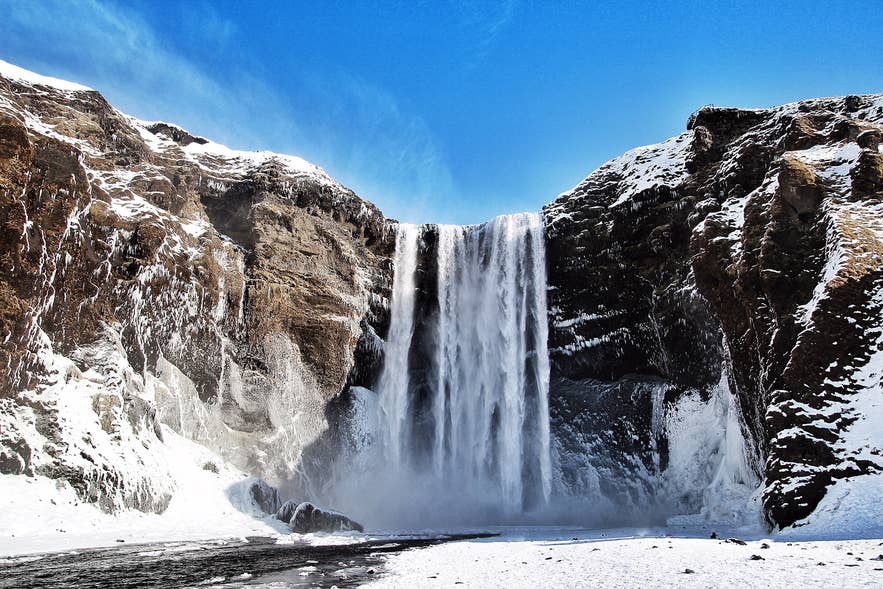 Spring gives you a mix of seasons. You may still catch the northern lights in early spring, while also enjoying longer days and improving road conditions. More tours begin to operate, including glacier lagoon tours in May.
Winter focuses more on snow-based activities like ice caving, snowmobiling, and dog sledding. However, shorter daylight hours, harsher weather, and limited accessibility can make travel more challenging.
Spring vs. Autumn
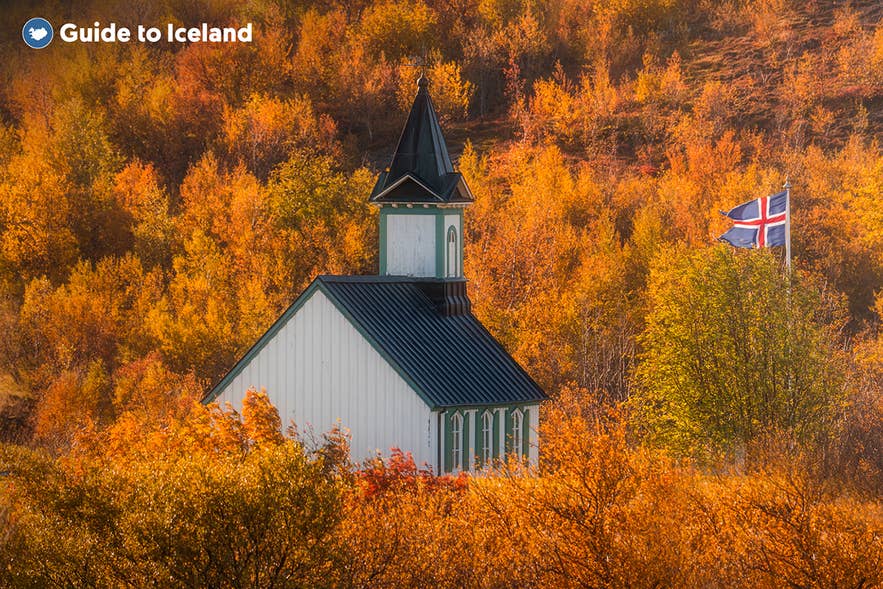 Spring and autumn are both shoulder seasons with similar temperatures and fewer crowds than summer. However, they offer different experiences.
Spring is all about renewal, with wildlife returning, waterfalls at their strongest, and longer daylight hours. Autumn is known for colorful landscapes, cultural events, and the return of darker nights, which improve northern lights visibility.