
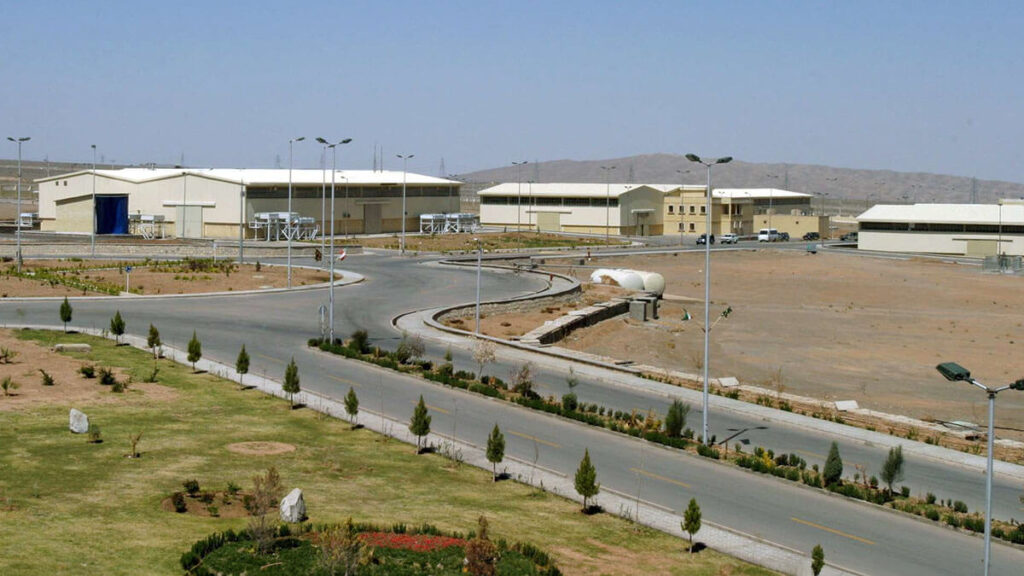
US intelligence agencies are warning of the ongoing nature and danger of Iran’s nuclear programme.
The latest war, which began on 28 February, has not halted the development of the Ayatollahs’ regime’s nuclear programme, as indicated by US intelligence, according to sources familiar with the matter cited by Al Ain News.
These sources indicated that US intelligence analyses show that the time required by the Ayatollahs’ regime to produce nuclear weapons has not changed since last summer, when the US launched its attack on Iran as part of the so-called “Operation Midnight Hammer”, which targeted the Fordow uranium enrichment plant, the Natanz nuclear facility and the Isfahan Nuclear Research and Technology Centre.
This offensive set back the development of Iran’s nuclear programme by a year, and there was talk of an additional timeframe of between three and six months before the Islamic Republic would have the capacity to build a nuclear weapon. This timeframe has remained unchanged despite the fact that, just over two months ago, Iran’s latest war began with US and Israeli attacks on Persian military and energy infrastructure.
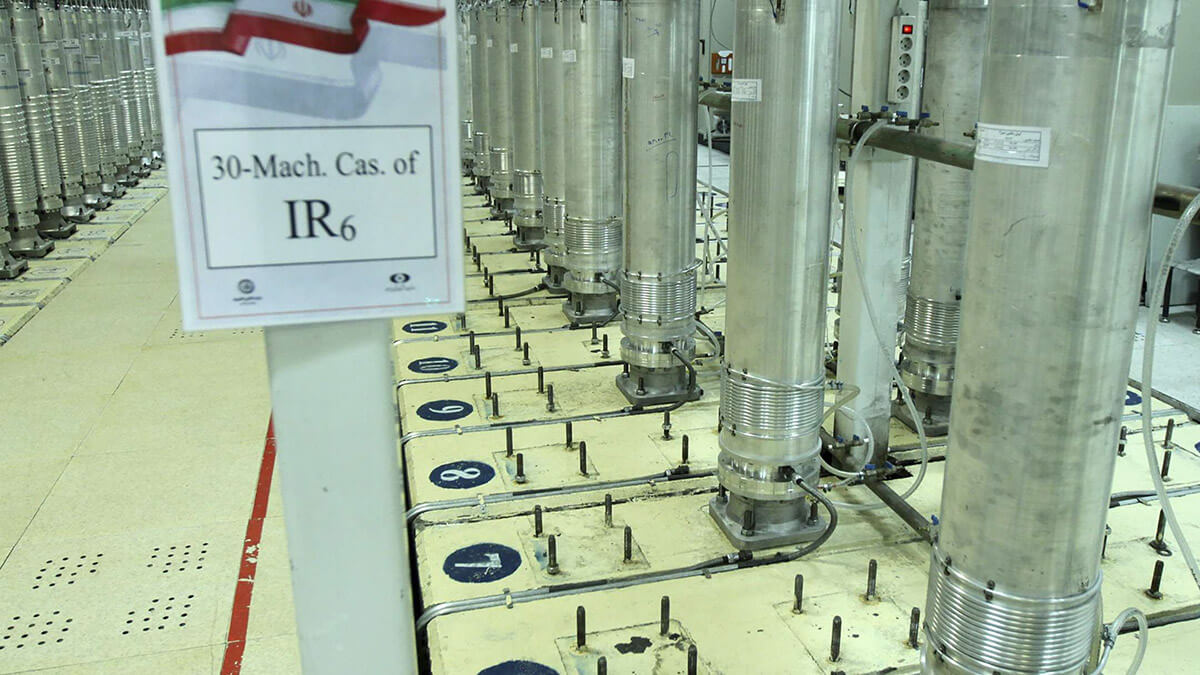
Centrifuges at the Natanz uranium enrichment facility in central Iran – PHOTO/Iranian Atomic Energy Organisation via AP
The latest US and Israeli offensive in February was launched after negotiations with Iran to limit its nuclear programme strictly to civilian use and to curb the development of its ballistic missile programme – also considered a genuine threat by the Israeli state – had failed.
These attacks on 28 February dealt a severe blow to Iran, including the death of several key leaders, amongst them Ayatollah Ali Khamenei.
In this context, the Islamic Republic responded with attacks on US interests in neighbouring Gulf states, including military bases and oil facilities, and with a blockade of the Strait of Hormuz, which restricted the passage of certain vessels linked to the US or its allies.
The United States also imposed its own blockade on the Strait of Hormuz to affect Iranian ports and thus continue to strangle the Iranian economy. It should be remembered that, in the absence of an international agreement on limiting its nuclear programme, significant economic sanctions are in place against Iran, mainly targeting the oil industry, which is its primary source of funding, and that maritime trade accounts for 90% of the nation’s commercial exchanges; consequently, the actions in the Strait of Hormuz also create significant economic difficulties for the Ayatollahs’ regime.
Mediation by various countries, such as Saudi Arabia, Turkey and Pakistan, has failed to halt the current war in Iran. However, Pakistan did manage to persuade Donald Trump, the President of the United States, to establish a ceasefire that has been in place since 8 April, primarily focused on halting military attacks against Iran, although partial blockades of certain vessels persist in the Strait of Hormuz.
Action on this vital sea route, which accounts for 20% of global oil trade, is what is causing a major global economic crisis due to the sudden surge in crude oil prices and, consequently, in fuel prices worldwide.
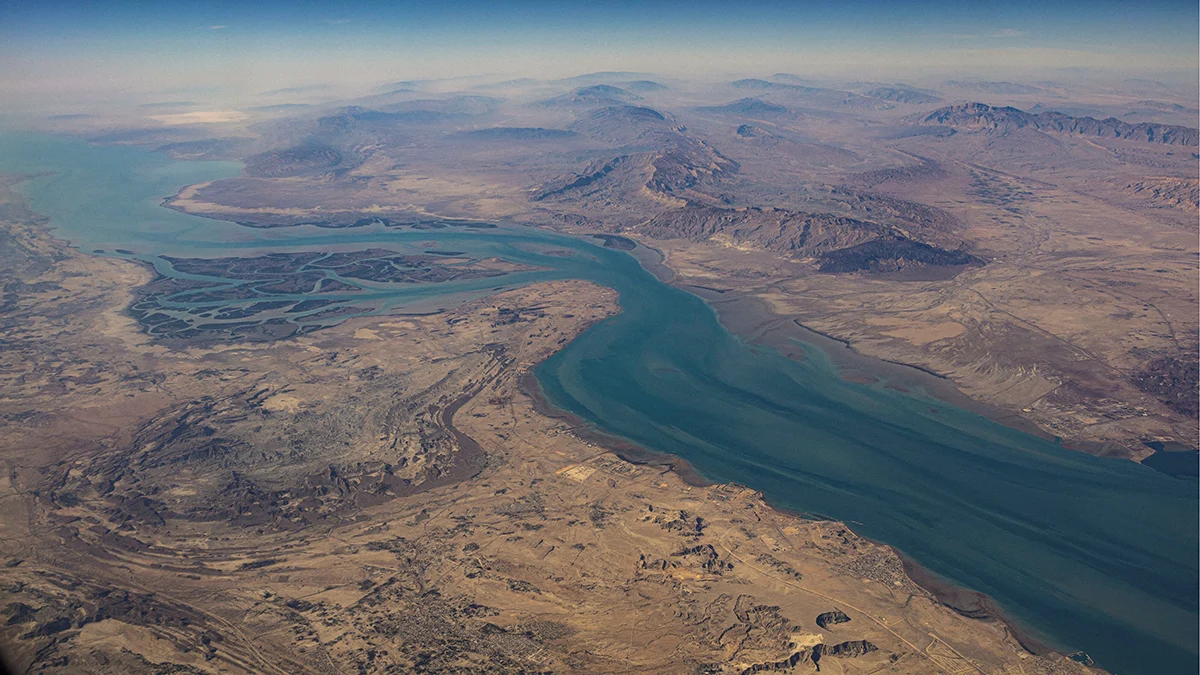
The Strait of Hormuz accounts for 20% of global oil trade – PHOTO/ REUTERS
Objective: to eliminate enriched uranium reserves
The United States’ main objective is the handover of highly enriched uranium by Iran. This is a key element in the production of nuclear weapons.
This is a non-negotiable condition on the part of the US in the internationally mediated talks that have taken place between the warring parties to halt the war in Iran.
A red line in the negotiations that Tehran has so far refused to accept, as it refuses to give up its nuclear programme to Washington, a programme it has always defended on the grounds that it is civilian rather than military in nature.
Thus, US Secretary of Defence Pete Hegseth stated that his country aims to ensure that Iran does not produce a nuclear weapon through the ongoing negotiations with Tehran. However, for the time being, the positions remain far apart.

US Secretary of Defence Pete Hegseth – REUTERS/EVELYN HOCKSTEIN
For its part, the International Atomic Energy Agency estimates that Iran’s total reserves of highly enriched uranium are sufficient to manufacture ten nuclear bombs if the enrichment level is increased from its current level.
This is therefore a situation that continues to cause great international concern and remains a major worry for the United States, as Iran is seen as the main belligerent and disruptive force in the Middle East and as the primary threat to the territorial integrity of Israel, the US’s main ally in the region.