
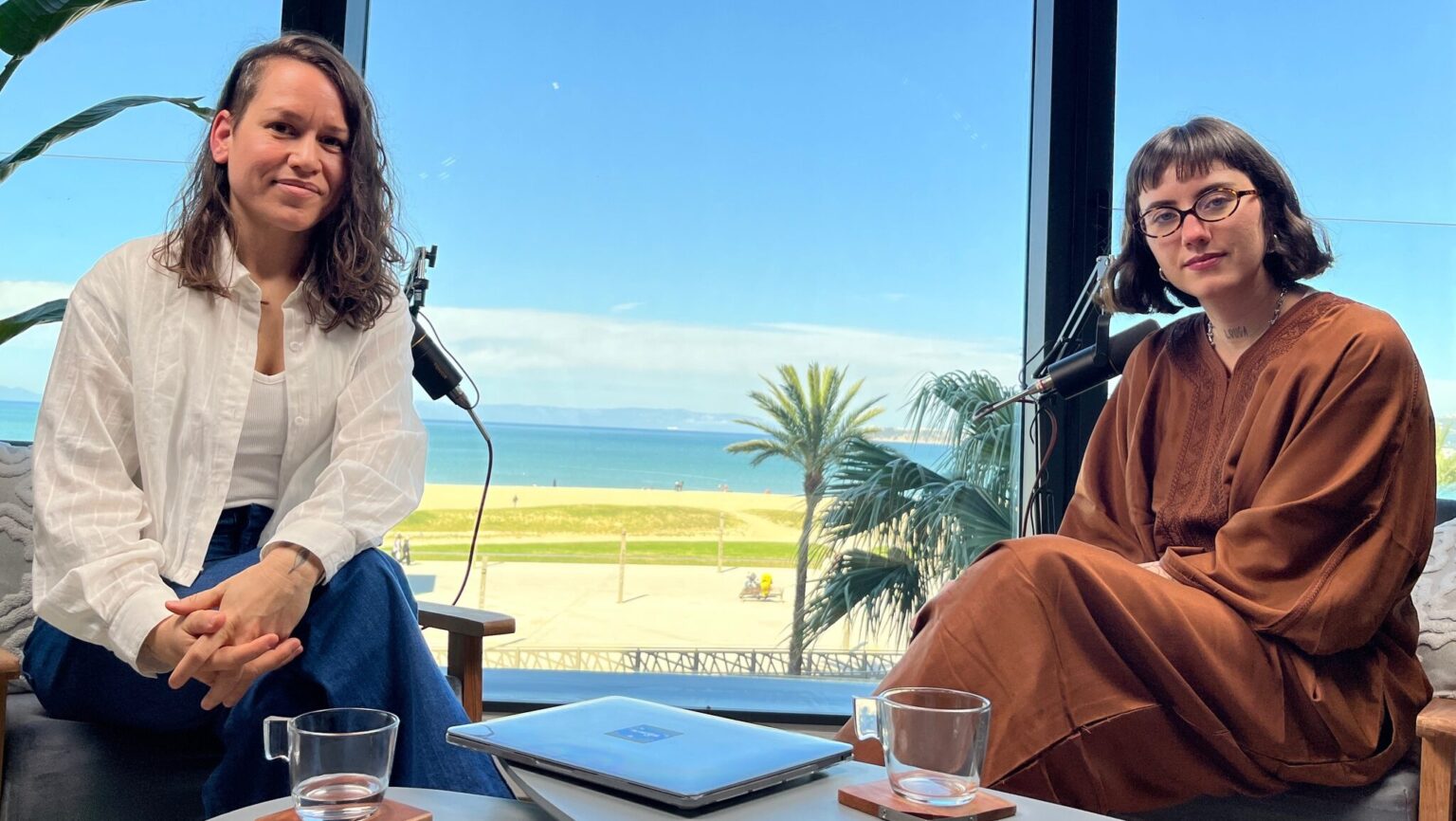
One of Hungary’s largest political YouTube channels, Partizán, is facing backlash from progressive audiences after interviewing Brazilian feminist activist Isabella Cêpa, who was persecuted and ultimately forced into exile for misgendering a politician in her home country.
The interview itself is notable, with Cêpa recounting how her public criticism of gender ideology led to legal proceedings, sustained online harassment, and, ultimately, her exile from Brazil. She argues that space for dissenting views on gender issues is shrinking—a phenomenon with which conservatives worldwide are broadly familiar—suggesting that a combination of legal frameworks, social pressure, and digital mob dynamics is increasingly used to silence gender-critical voices.
Cêpa also discusses the role of social media in escalating online conflicts into real-world consequences, as well as what she describes as a broader global trend towards informal censorship and ideological conformity.
As expected, the interview triggered outrage from Partizán’s predominantly liberal-progressive audience, with some even questioning why ‘Zsófilter’—the interviewer’s alias—is still part of the team.
The tone of the backlash was uncompromising and often moralizing, with commenters rejecting the legitimacy of the discussion altogether. One user argued that ‘trans people’s human dignity is not up for debate’, while another insisted that ‘denying someone’s identity is not a legitimate opinion, but an attack on dignity.’
Several responses escalated further, labelling the content as ‘hate speech’ and ‘stigmatization’. One commenter described it as ‘a disgrace that Partizán gives space to such incitement,’ while others accused the channel of actively normalizing harmful narratives.
The reaction also translated into direct pressure on the outlet, with viewers openly threatening to withdraw support and questioning its editorial direction. ‘You’ve just lost a regular supporter,’ one commenter wrote, while another stated they would no longer donate due to the platform ‘giving space to TERF hate speech’.
Others accused the channel of hypocrisy, arguing that it presents itself as neutral while repeatedly platforming ‘the most extreme gender-critical voices’. The emotional intensity of the responses was notable, with some describing the content as ‘inhumane’, ‘harmful’, or even stating ‘I feel sick from this,’ underscoring that the interview did not merely provoke disagreement but triggered a deeply affective backlash within Partizán’s progressive core audience.
Responding to the criticism, the reporter uploaded a video on her Facebook page, stating that despite the ongoing outrage from progressives, she would not change her position regarding women’s right to define themselves and to express their opinions, including being critical of situations in which men identify as women and are recognized as such.
Related articles: