
 ▶” title=”Iceland in Winter – The Ultimate Travel Guide – video” style=”border: 0px; overflow: hidden;” class=”lazyload”>
Discover what winter in Iceland is really like with this complete guide. Learn what to expect from the weather, driving conditions, daylight, and the best winter experiences. From travel tips to seasonal highlights, this guide will help you plan a safe and unforgettable trip to Iceland in winter.
Iceland’s dramatic landscapes take on a whole new personality during winter trips in Iceland. From late November to early April, the country shifts into a world of snow-covered mountains, frozen waterfalls, and long, glowing nights. This time is perfect for northern lights hunting, ice caving, and glacier hiking.
Guide to Iceland is the most trusted travel platform in Iceland, helping millions of visitors each year. All our content is written and reviewed by local experts who are deeply familiar with Iceland. You can count on us for accurate, up-to-date, and trustworthy travel advice.
Winter in Iceland features a quieter season, unique activities, and a chance to explore famous places like the Golden Circle, Blue Lagoon, and Jokulsarlon Glacier Lagoon in a completely different light. A variety of winter tours and packages help you make the most of these experiences, from adventure tours like snowmobiling to hot spring tours in Iceland.
Curious about Iceland in winter? Read on to find out everything you need to know for a safe and memorable winter visit.
Visiting Iceland in Winter at a Glance
-
Winter Months: November to early April, with varying daylight hours.
-
Weather: Cold temperatures, snow, ice, and occasional storms.
-
Activities: Northern lights trips, ice caving, glacier hiking, snowmobiling, and visiting hot springs and geothermal pools.
-
Top sights: Golden Circle, South Coast waterfalls, Jokulsarlon Glacier Lagoon, Blue Lagoon, and the Crystal Ice Cave.
-
Safety: Monitor weather and road conditions, as winter driving can be challenging.
-
Travel tips: Book vacation packages or winter self-drive tours for a hassle-free experience.
-
Atmosphere: Quieter landscapes, unique photo opportunities, and cozy Icelandic culture.
What To Know About Winter in Iceland
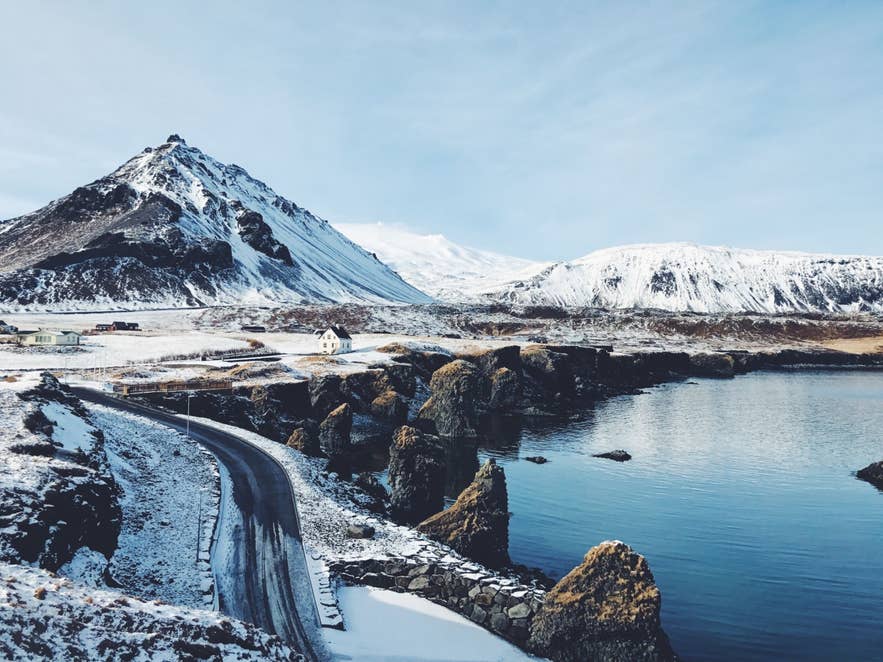 Winter in Iceland brings beautiful scenery, unpredictable weather, and a completely different travel experience compared to the summer months. Before you plan your trip, it’s essential to understand what conditions are really like, from daylight hours to road closures and how locals navigate the season.
This section covers the key things every traveler should know to stay prepared, safe, and confident during their winter visit.
Weather Conditions in Iceland During Winter
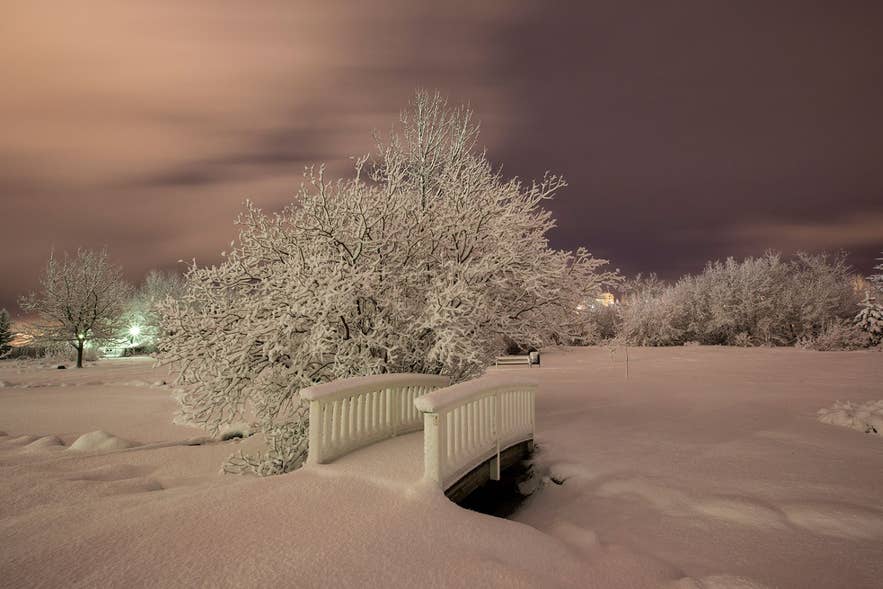 Iceland’s weather can change rapidly, especially in winter, with bright sunshine one moment and snowstorms the next. Snowfall is common, especially in the northern regions and the highlands, while the south coast experiences more rain and sleet. High winds and icy conditions can also occur, making travel more challenging.
Month
Average Temperature
Typical Weather
Daylight Hours
November
30°F (-1°C) to 39°F (4°C)
Windy, scattered rain/snow, early storms
5–8 hours
December
23°F (-5°C) to 36°F (2°C)
Snow, icy roads, frequent storms
4–5 hours (shortest days)
January
14°F (-10°C) to 37°F (3°C)
Cold, snowy, strong winds
4–7 hours
February
14°F (-10°C) to 37°F (3°C)
Snow, ice, occasional clear days
7–10 hours
March
28°F (-2°C) to 37°F (3°C)
Mixed conditions, with snow, rain, and sunshine
10–12 hours
Winter in Different Parts of Iceland
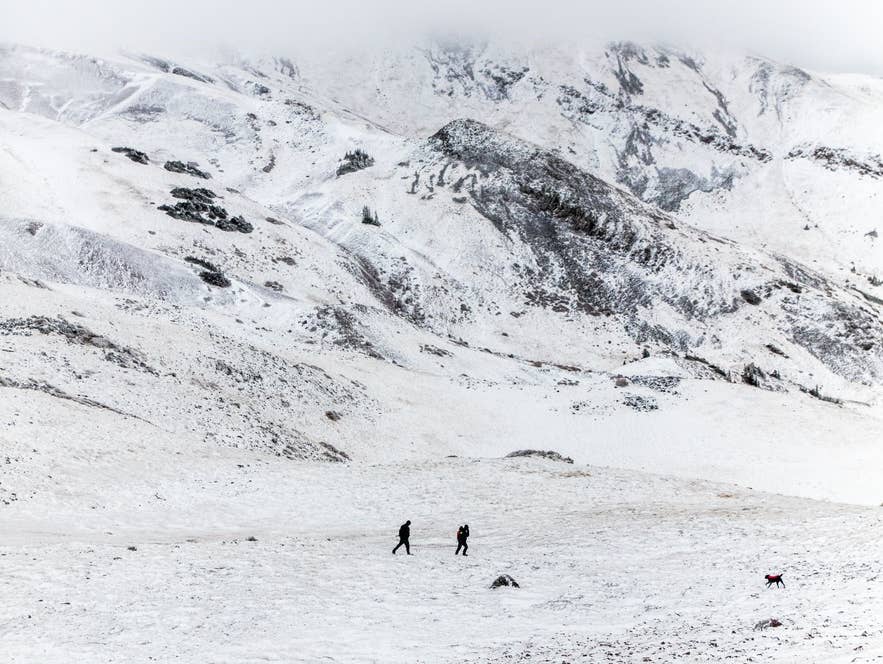 Winter conditions in Iceland can vary widely depending on the region, from the relatively mild Southwest to the snow-covered North and Highlands. Understanding these differences can help you plan your itinerary, know what to expect, and choose the best activities for each area.
Winter in North Iceland
In North Iceland, winter is characterized by frigid temperatures, heavy snowfall, and icy roads. High winds and road closures can create challenges for travel.
Despite that, this area is still a popular destination during winter. The largest town in the north, Akureyri, offers the best skiing and snowboarding opportunities in Iceland, in the popular Hlidarfjall Ski Resort, along with optimal northern lights viewing conditions.
If you want to explore the area but don’t want to drive, you can take a direct flight to Akureyri from Reykjavik Airport or from different cities worldwide.
Winter in South Iceland
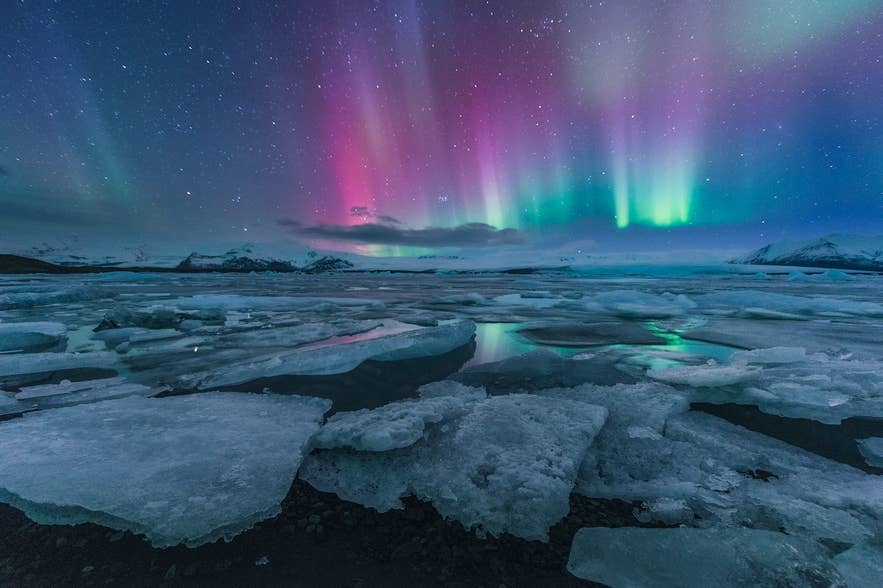
During the height of winter, it’s best to stick to the South of Iceland as the weather tends to be milder, and it’s close to Reykjavik. Visitors can explore popular attractions like the Golden Circle, Seljalandsfoss Waterfall, and the Jokulsarlon Glacier Lagoon. Despite occasional road closures due to weather conditions, the South remains relatively accessible.
 Winter in West Iceland
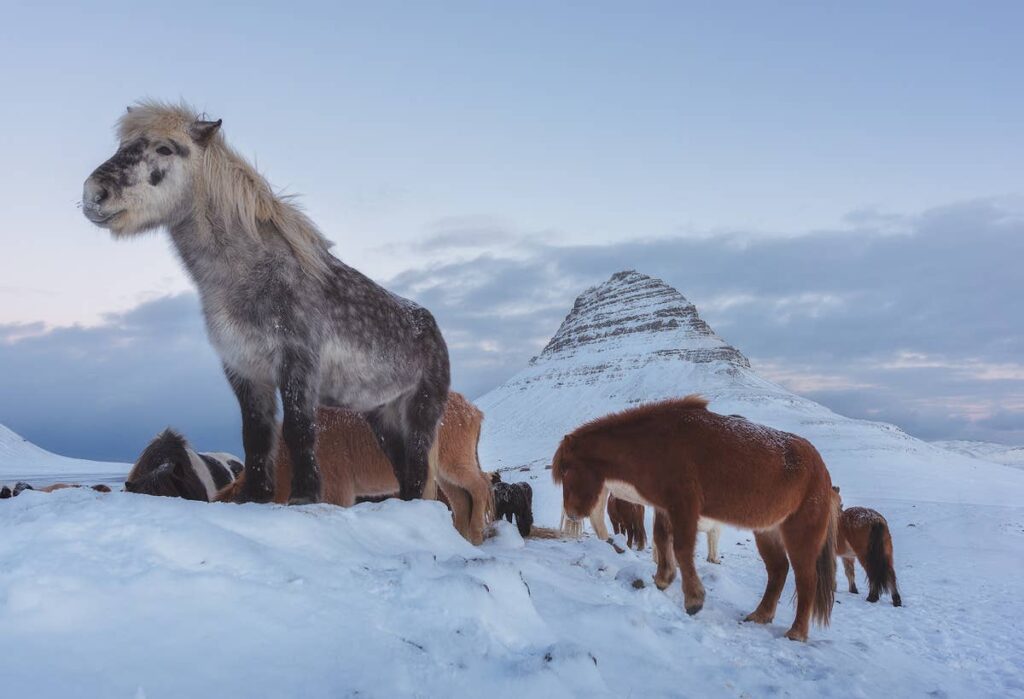
The West Coast of Iceland, including the Snaefellsnes Peninsula, experiences cold temperatures, snowfall, and icy conditions. Accessibility to some attractions may be temporarily limited, but the region offers beautiful landscapes, such as the iconic Kirkjufell Mountain.
Winter in the Westfjords of Iceland
The Westfjords of Iceland are not easily accessed during winter. This area sees heavy snowfall and extreme weather conditions during the colder months. Road closures and limited access to certain areas are also common. It’s much better and safer to explore the Westfjords during the warmer months.
Winter in East Iceland
The East of Iceland experiences colder temperatures and more snowfall compared to the South. Mountain passes can become challenging, and some roads may close temporarily. If conditions are good, it’s a nice area for skiing, and you may even see some reindeer!
Winter Safety in Iceland
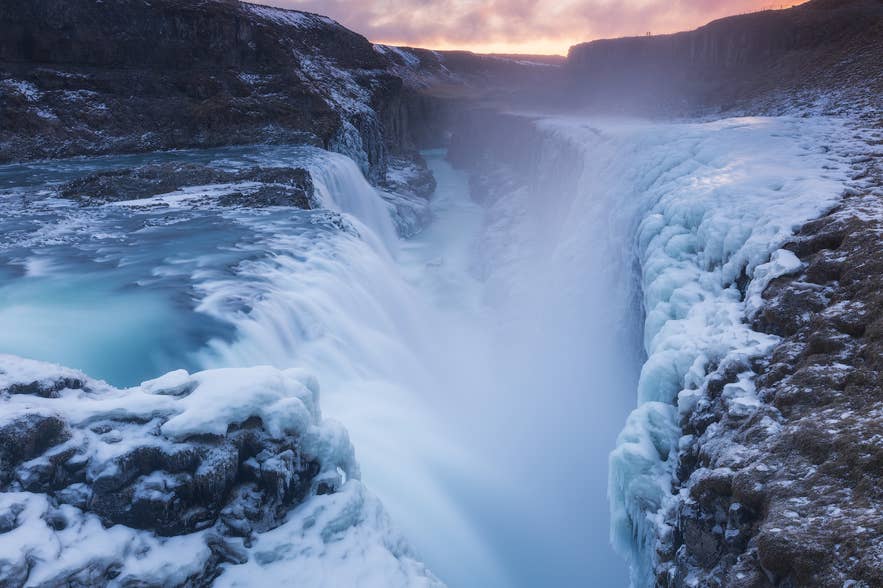 Visiting Iceland in winter is an incredible experience, but it comes with unique safety challenges. High winds, icy roads, and sudden weather changes can make travel hazardous, so it’s important to plan carefully and stay informed.
If you’re driving, always ensure your vehicle is equipped with winter tires and be extra cautious of black ice, which can appear without warning.
In the countryside and mountainous regions, avalanches can also pose a risk after heavy snowfall. Before heading into these areas, check the avalanche forecast of the Weather Office and follow all local warnings.
The Icelandic Meteorological Office also provides a detailed weather warning system to help you stay informed about dangerous wind conditions. The system uses a color-coded scale:
-
Yellow warnings indicate moderate winds that may cause minor disruptions.
-
Orange warnings represent strong winds, which can make travel difficult and create potential hazards.
-
Red warnings signal severe winds that pose serious risks to safety and infrastructure.
During the heart of winter, yellow and orange warnings are common, and there’s always a chance of red warnings. Extreme winds can reduce visibility, make driving treacherous, and even threaten personal safety.
Staying updated on weather updates and road conditions is key to keeping your trip safe and enjoyable. In case of an emergency, dial 112, the national emergency number.
Restricted Winter Access to the Highlands
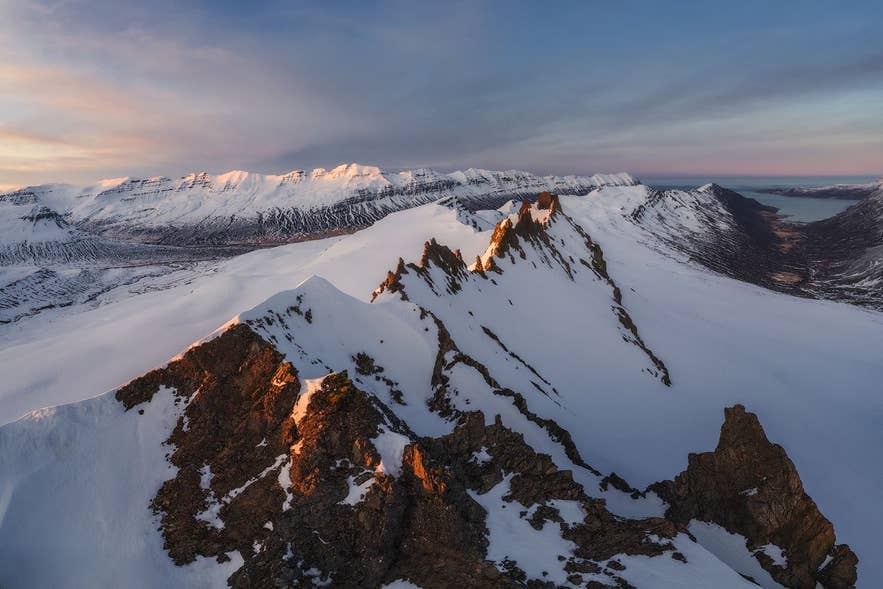 The Icelandic Highlands, home to some of Iceland’s most remote and stunning landscapes, are inaccessible during the winter season.
Driving to the Highlands in winter is not possible, as the highland roads, also called F-roads, are closed due to heavy snow, ice, and harsh weather. These closures are essential for traveler safety and to protect the delicate highland environment.
Highland road closures usually start in September or early October and can last until late May or June, depending on the severity of the winter and road maintenance. Other roads across Iceland may also close temporarily during storms or heavy snowfall, sometimes with very short notice.
If you want to explore these incredible areas, you can join guided highlands tours during the summer.
Things To Do in Iceland in Winter
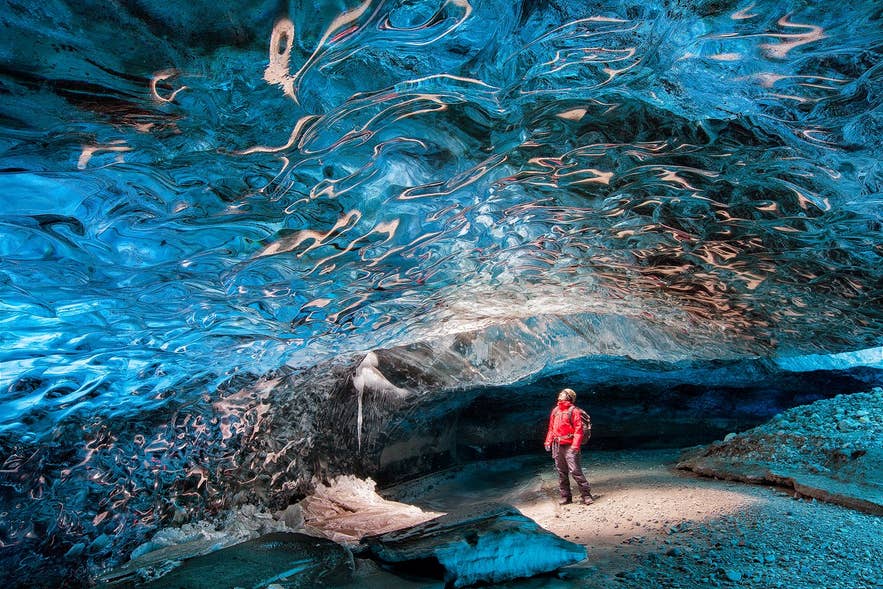 Winter transforms Iceland into a wonderland of ice, snow, and shimmering lights. Whether you’re exploring frozen waterfalls, wandering inside glacial ice caves, or chasing the northern lights across the dark skies, the season offers experiences you won’t find any other time of year.
Check out the best winter activities in Iceland below.
8. Spot Whales on a Winter Cruise
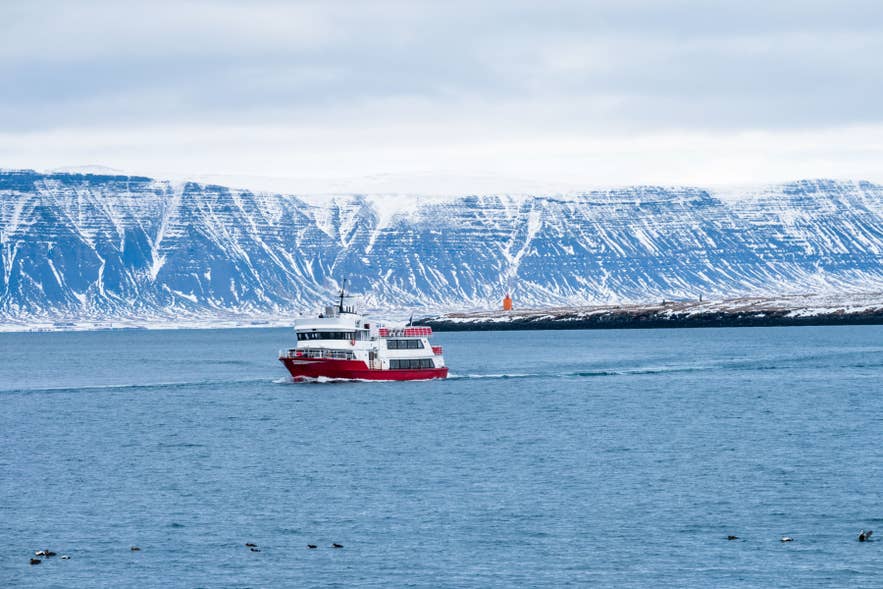 While summer is the peak season for whale-watching in Iceland, winter offers a quieter and often more intimate experience on the water. The cold months bring the chance to see orcas, humpback whales, and other marine life against a backdrop of snow-dusted coastlines and icy waters. Just be sure to dress in layers, wear a warm hat and gloves, and prepare for chilly sea winds.
If you’re staying in the capital, this whale watching tour from Reykjavik runs year-round, making it easy to enjoy this unforgettable experience even in the heart of winter.
7. Soak in Iceland’s Hot Springs, Geothermal Pools, and Lagoons
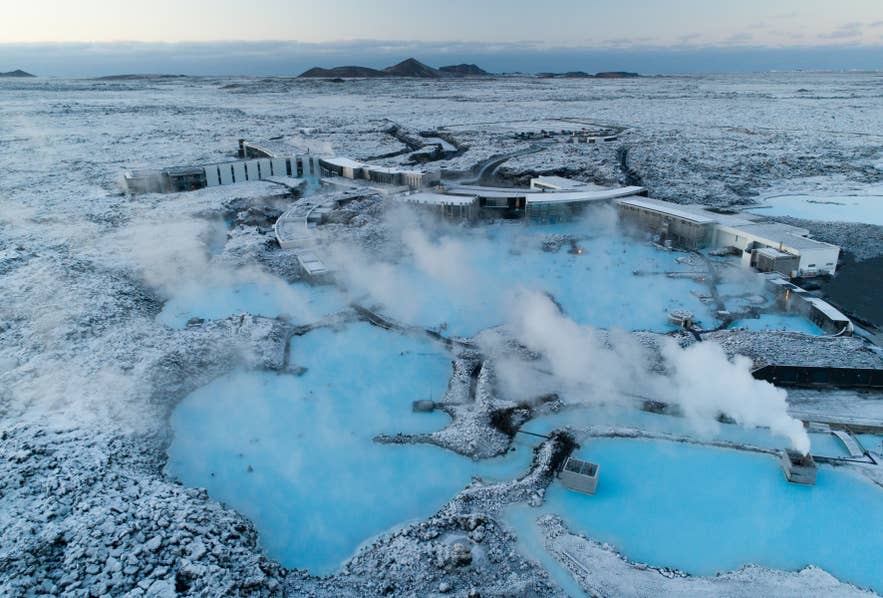 Winter might be cold, but it’s the perfect backdrop for relaxing in the many geothermally heated pools and lagoons in Iceland. There’s something magical about sinking into warm, steaming water while snow falls gently around you or the crisp air brushes your face.
Popular spots like the Blue Lagoon, Sky Lagoon, and the new Laugaras Lagoon are much quieter in winter, giving you a more peaceful and immersive experience. Many geothermal pools in Reykjavik also provide the chance to relax like a local, with fewer crowds and a cozy, welcoming atmosphere.
Here are some of the top hot spring tickets and tours in Iceland:
-
Blue Lagoon Comfort Ticket: Enjoy full access to Iceland’s most famous geothermal spa, complete with a silica mud mask and towel for the ultimate relaxation experience.
-
Sky Lagoon Entry Ticket with Full Access: Immerse yourself in the Sky Lagoon’s luxurious ocean-view geothermal pools and take advantage of all the spa’s amenities, including the ritual experience.
-
Laugaras Lagoon Birki Standard Ticket: Relax in the newly opened Laugaras Lagoon, a serene geothermal hotspot offering warm pools and a peaceful winter atmosphere on the Golden Circle.
-
Admission to Hvammsvik Hot Springs: Experience natural geothermal pools just outside Reykjavik, perfect for unwinding in a local-style setting away from the crowds.
6. Go on Winter Road Trips Across Iceland
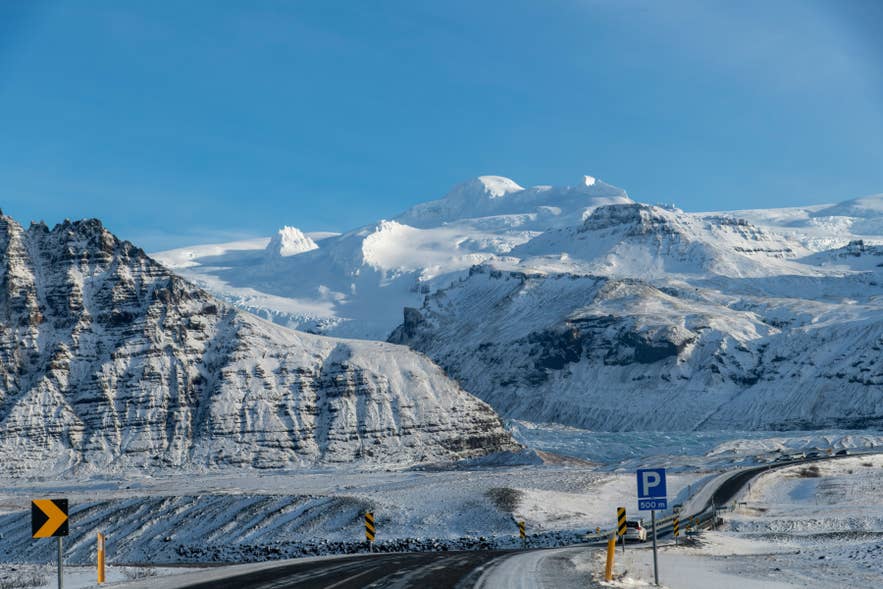 Iceland’s winter landscapes are made for adventure, and a road trip is one of the best ways to explore them at your own pace. Snow-covered mountains, frozen waterfalls, and quiet coastal roads create a unique and memorable journey through the country.
You can rent a car in Iceland and plan your own route, giving you full flexibility to explore at your own pace. Alternatively, choose from the many winter self-drive tours in Iceland, which provide a guided experience with local expertise and support.
With proper planning, a suitable vehicle, and attention to weather conditions, you can safely enjoy some of Iceland’s most iconic sights in winter.
Here are some of the best winter tours in Iceland for an unforgettable road trip:
5. Discover Iceland’s Landscapes on Tours
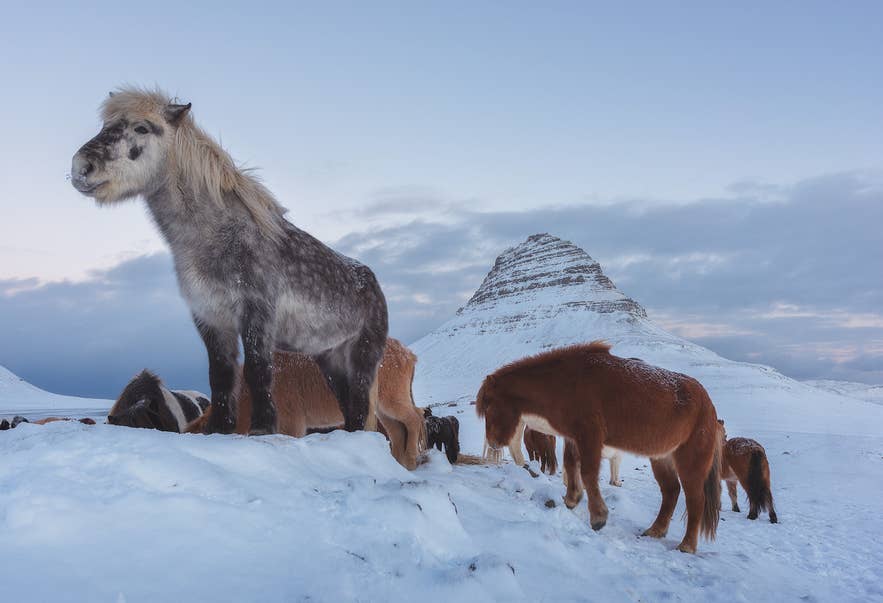 The stillness of winter in Iceland brings a unique perspective on its dramatic landscapes, revealing details that are easy to miss during the busy summer months. At the same time, the season offers countless ways to experience Icelandic nature in a thrilling and unforgettable way.
Top winter tours in Iceland include:
4. Explore the Iconic Golden Circle in Winter
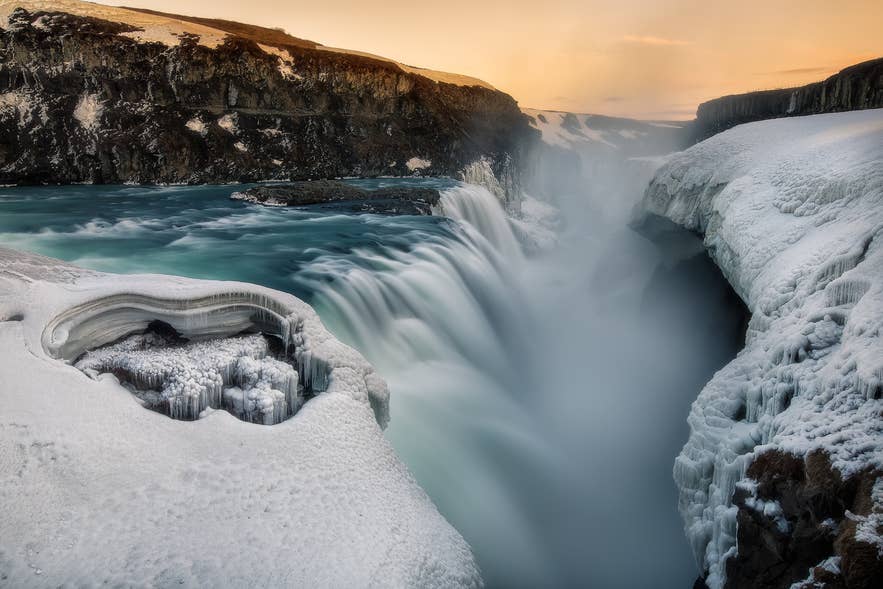 One of the most popular tourist routes in Iceland is the Golden Circle, which encompasses three iconic attractions: Thingvellir National Park, the Geysir Geothermal Area, and Gullfoss Waterfall. While most commonly explored in summer, these locations are just as beautiful in the frozen winter!
You can experience it on your own with a self-drive tour, or join guided Golden Circle tours for a more structured experience with expert local insights.
Some popular options include:
3. Experience Glacier Hiking in Iceland
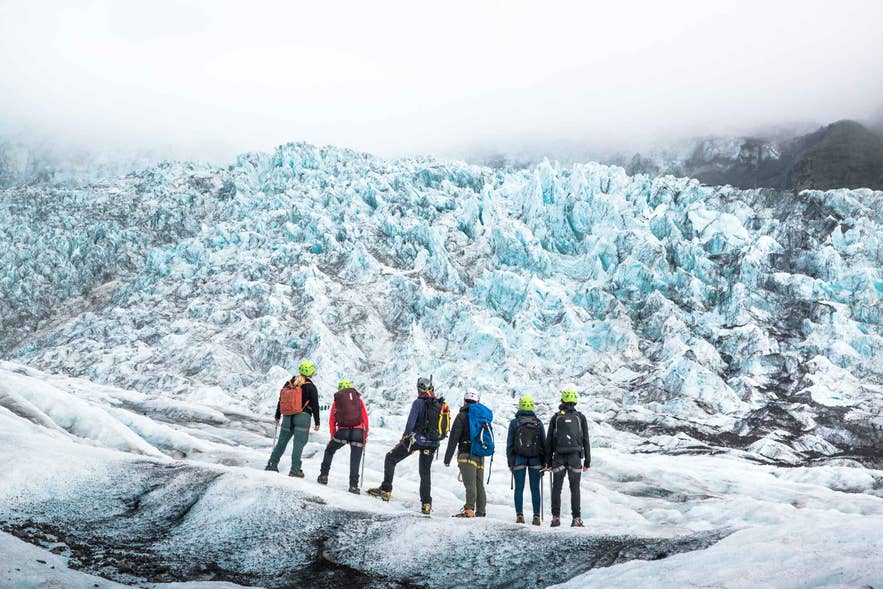 Iceland’s glaciers are among the most impressive natural features in the country, and hiking across them in winter is an unforgettable experience. The icy terrain, deep crevasses, and sparkling blue ice formations create a landscape like nowhere else on Earth.
For a safe and enjoyable adventure, it’s essential to have the right glacier hiking gear, including crampons, harnesses, and warm, waterproof clothing. Guided glacier hiking tours provide equipment, expert instruction, and local knowledge, making glacier hiking accessible even for beginners.
Check out some of the popular winter glacier tours in Iceland:
2. Venture Inside Stunning Ice Caves in Iceland
 ▶” title=”Iceland in Winter – The Ultimate Travel Guide – video” style=”border: 0px; overflow: hidden;” class=”lazyload”>
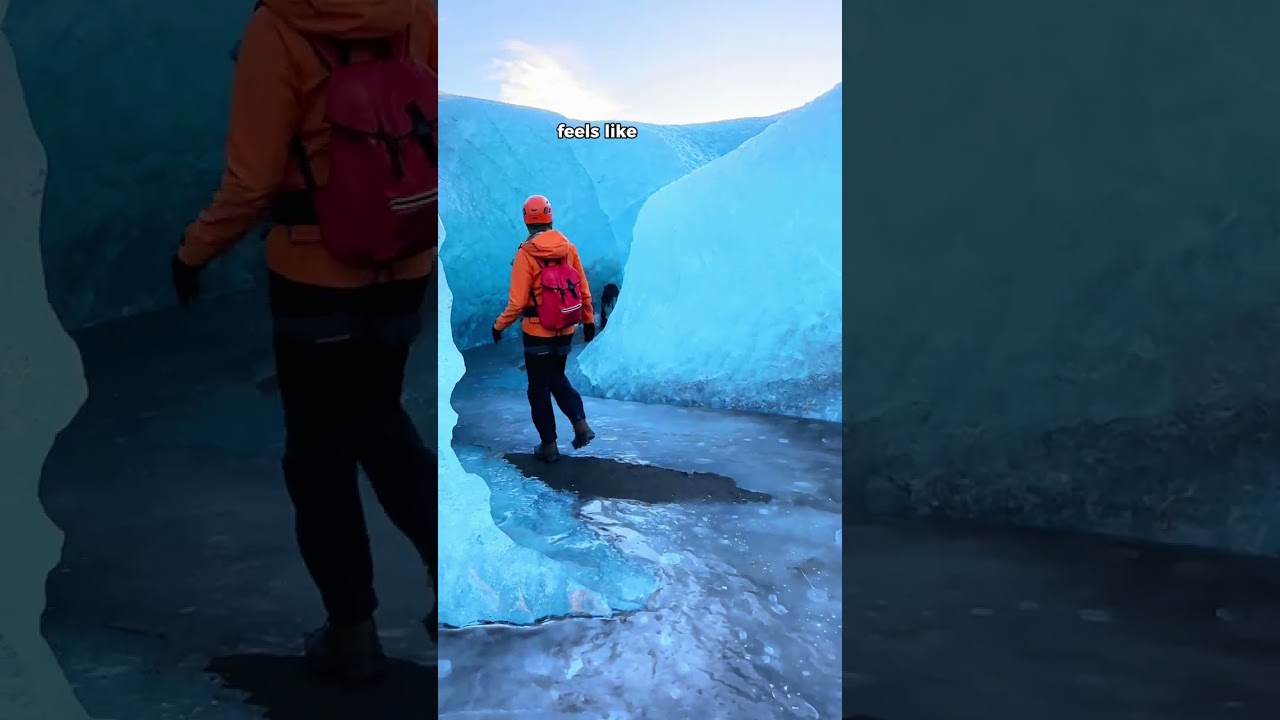
Iceland’s ice caves are a magical winter phenomenon, with translucent blue ice, dramatic formations, and otherworldly tunnels waiting to be explored. Each cave is unique and changes year to year, making every visit a one-of-a-kind experience.
Guided tours provide safety equipment, expert instruction, and transportation, allowing you to safely explore these frozen wonders. Here are some of the most popular ice cave tours in Iceland:
1. Chase the Northern Lights Across Iceland
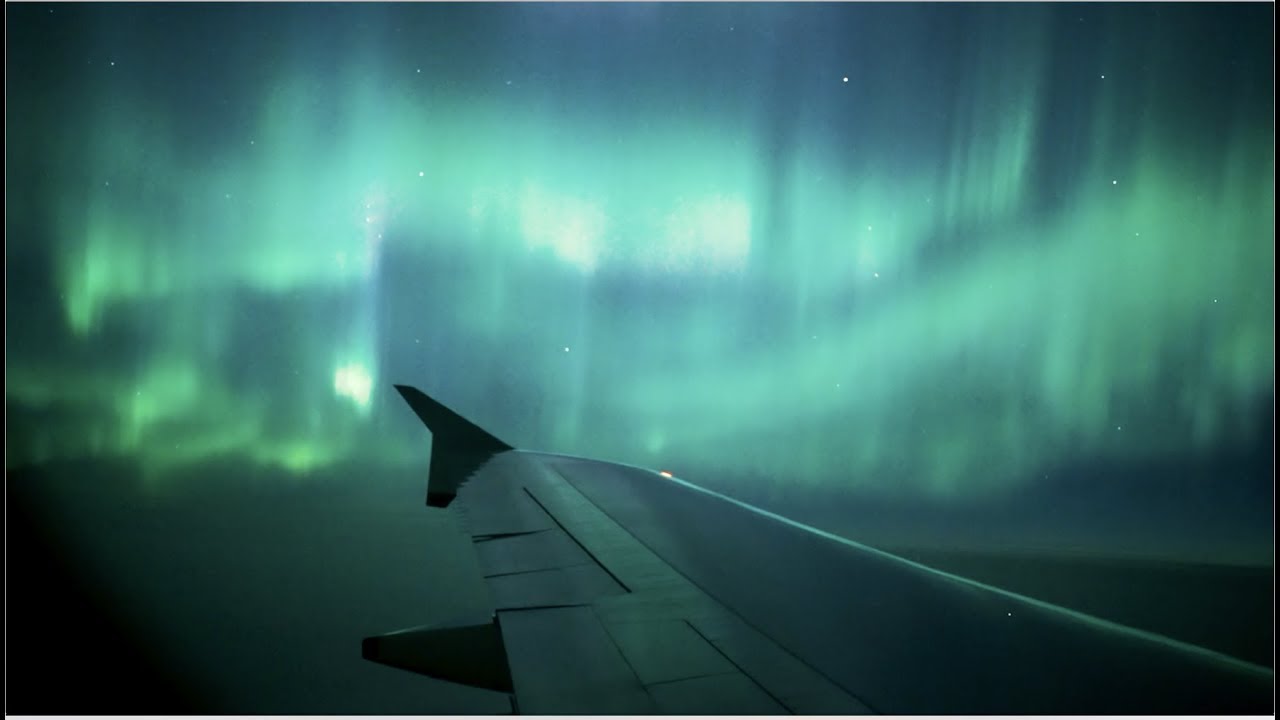
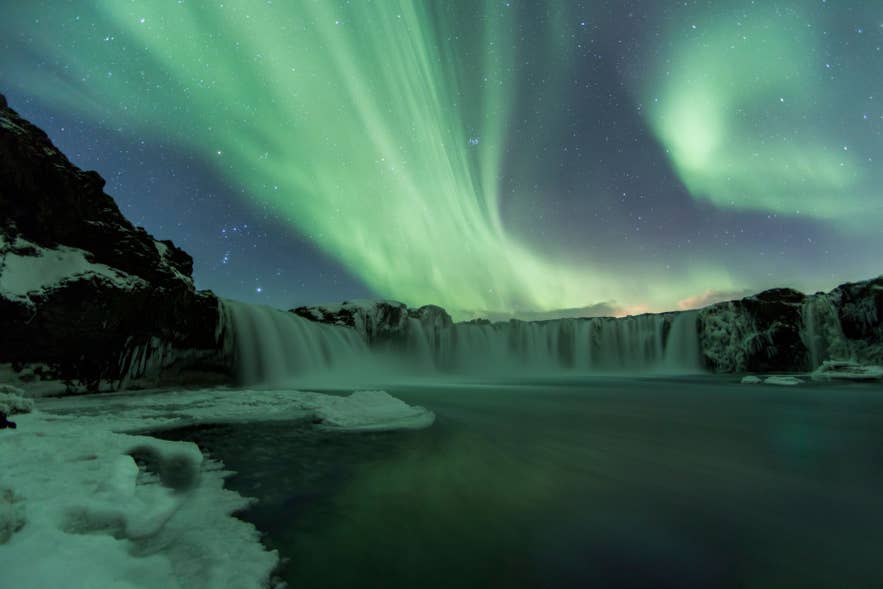 Winter in Iceland sets the perfect stage for experiencing the aurora borealis. It’s the best time to see the northern lights, when the nights are longest, and the skies tend to be clearer. Aurora forecasts let you know when conditions look promising.
To improve your chances, leave the city behind and head into the countryside, where there’s barely any light pollution. This makes it easier to photograph the northern lights and enjoy the show without distractions. Many travelers also stay in northern lights hotels, which are located in remote areas and often offer wake-up calls when the aurora appears.
For a hassle-free experience, join one of the many northern lights tours or short northern light breaks in Iceland, led by guides who know exactly where to find the clearest skies: