
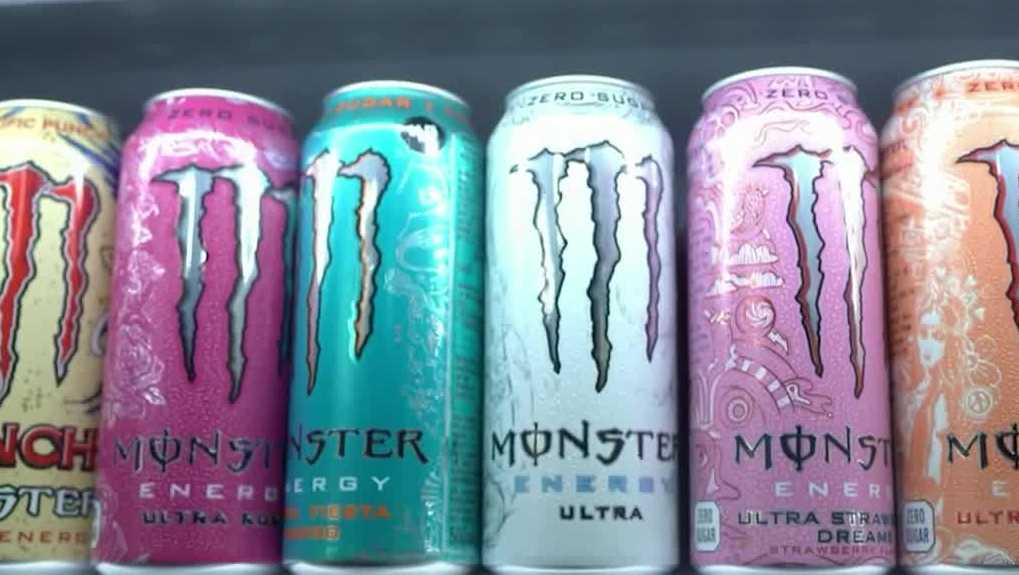
Energy drinks are colorful, sweet and hugely popular with teenagers, but parents should be aware of some dangers.
A new Consumer Reports investigation finds that what’s inside those drinks may be more than people bargain for.
“They have flavors like Jolly Rancher flavor and sour gummy worms,” said Lisa Gill, a Consumer Reports investigative reporter. “It’s so easy to just pop open a cold can and chug it.”
Consumer Reports found that many energy drinks contain two to three times the daily caffeine limit recommended for teens, which is 100 milligrams. Excessive caffeine consumption has been linked to insomnia, anxiety, jitters and heart-related symptoms, and teens may be especially vulnerable to those effects.
>> Download the free WMUR app to get updates on the go <<
To determine the accuracy of caffeine labeling, Consumer Reports tested 23 popular energy drinks and shots.
“We wanted to see how much caffeine is on the label versus how much caffeine is actually in the product,” Gill said.
The investigation revealed that most drinks closely matched their labeled caffeine content, but some contained up to 16% more caffeine than advertised.
The American Beverage Association, an industry trade group, said, “Parents should be in the driver’s seat when it comes to what their children have for beverages.”
Consumer Reports advises parents to check labels, monitor total caffeine intake from all sources, and pay attention to sleep patterns, as using caffeine to combat fatigue can lead to a difficult cycle to break.
Consumer Reports also recommends that teenagers learn to read labels, noting that even one energy drink can push them over their daily caffeine limit.