

Story and photographs by Bernd Jungbauer and Jessica Jungbauer
Sat, May 9, 2026 at 8:00 AM UTC

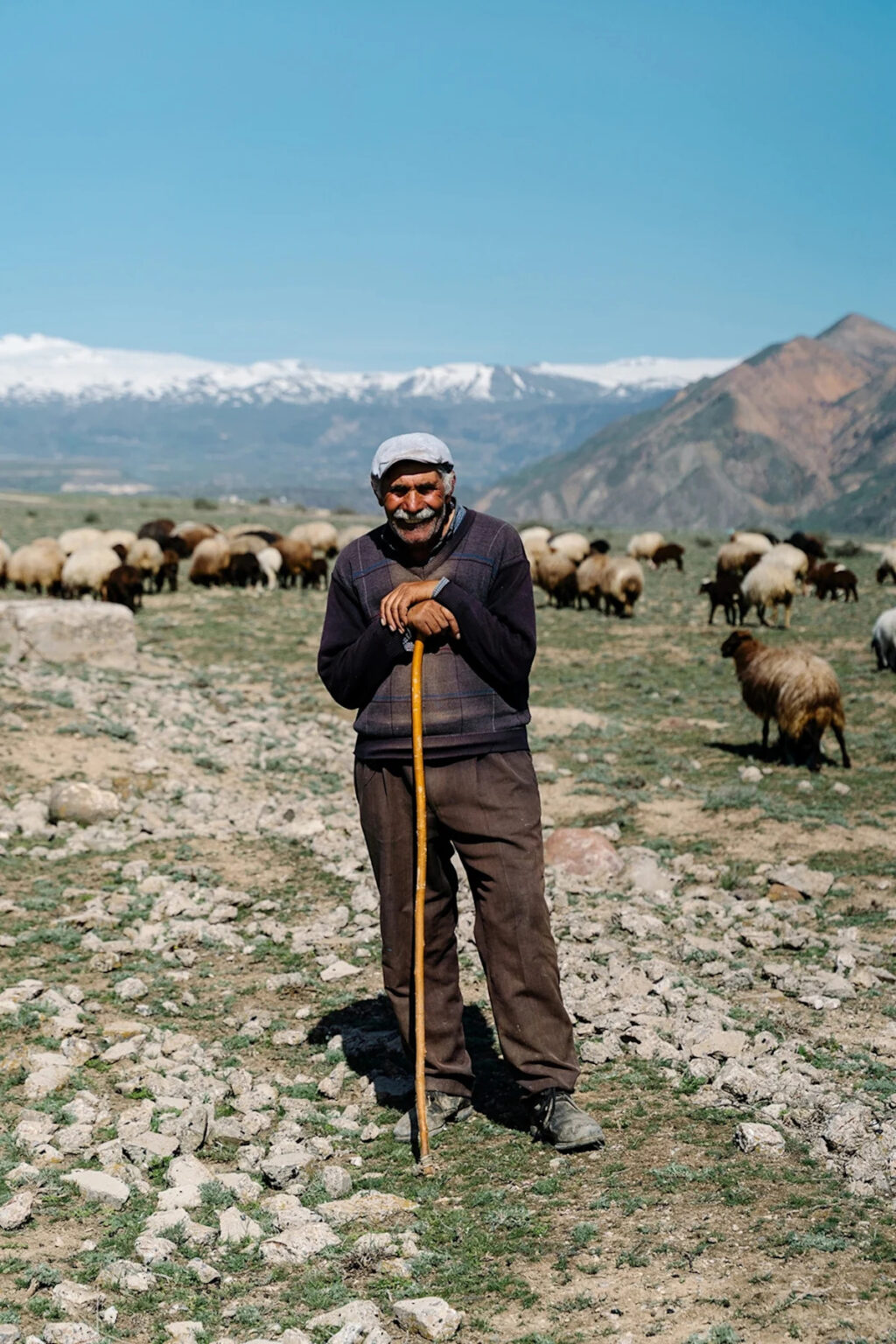
Armenia’s dining culture is shaped by its agricultural heritage of high-altitude farming. Jessica & Bernd Jungbauer
(aol_national_geographic_989)
This article was produced by National Geographic Traveller (UK).

Armenia’s proud national identity is vividly reflected in its cuisine. Lavash, a thin flatbread included on Unesco’s Intangible Cultural Heritage list, is traditionally made by women and baked in a clay oven. Jessica & Bernd Jungbauer

Image caption override Jessica & Bernd Jungbauer

Gata is another popular bread; it’s sold sweet and decorated outside medieval Geghard Monastery in Kotayk province. Jessica & Bernd Jungbauer

Fresh herbs such as tarragon feature heavily in Armenian dishes, alongside apricots, pomegranates and walnuts. Jessica & Bernd Jungbauer

The intense flavours of the seasonal produce are shaped by the country’s high-altitude landscape, which bursts into vibrant shades of green during summer. Jessica & Bernd Jungbauer

Armenia became the first nation to adopt Christianity as its state religion in 301 CE, but cross-cultural influences are visible in landmarks such as the 18th-century Blue Mosque in Yerevan. Jessica & Bernd Jungbauer

The country’s winemaking has ancient roots, too, dating back over 6,000 years, with the world’s oldest winery found in Areni province. Jessica & Bernd Jungbauer

Armenia’s first artisan cheese producer, Mikayelyan Family Farm, wraps cow’s cheese in vine leaves, celebrating the country’s connection to viticulture. Jessica & Bernd Jungbauer

Image caption override Jessica & Bernd Jungbauer

Restaurants also blend tradition with innovation: fettuccine-like arishta noodles are still beaten by hand at Tsaghkunk Restaurant & Glkhatun. Jessica & Bernd Jungbauer

Known for their generous hospitality, Armenians typically raise a toast to family, friends and good health when sharing a meal. And, while the country respects tradition — as symbolised by the Mother Armenia monument (right) overlooking Yerevan, which represents peace, unity and strength — this isn’t a place defined by its past. Jessica & Bernd Jungbauer

Image caption override. Jessica & Bernd Jungbauer

A new generation of chefs, producers and winemakers is honouring Armenia’s heritage while bringing it into the future — from modern coffeeshops, like Afrolab in Yerevan, to cultural institutions such as the Wine History Museum of Armenia in Sasunik village. Jessica & Bernd Jungbauer

Image caption override Jessica & Bernd Jungbauer
Published in the June 2026 issue by National Geographic Traveller (UK).To subscribe to National Geographic Traveller (UK) magazine click here (available in select countries only).