
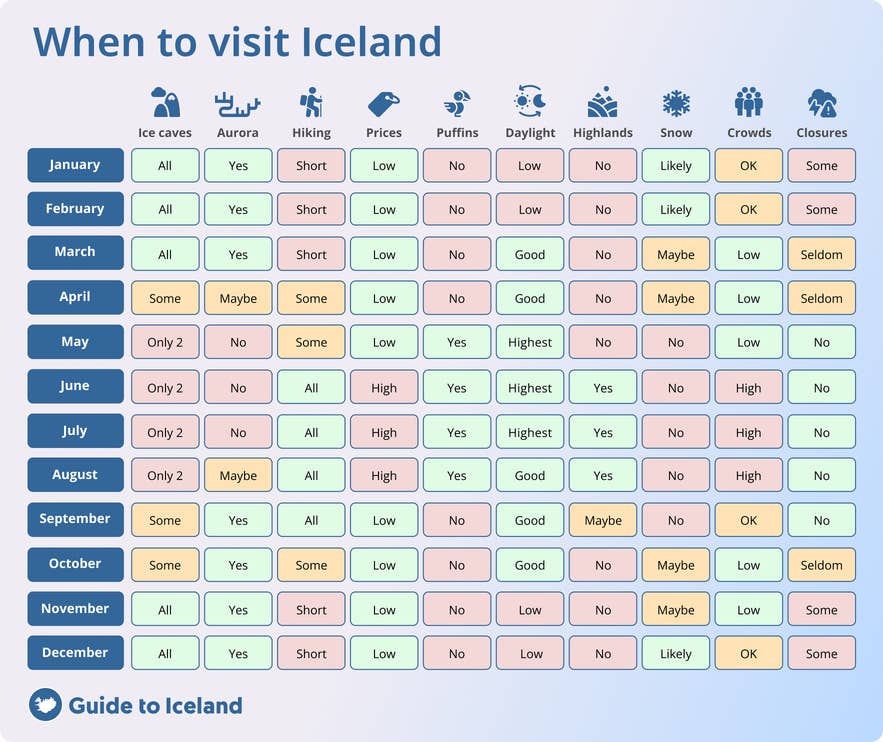
The best time to visit Iceland depends entirely on what you want to experience. September to March is best for seeing the northern lights, while June to August is ideal for summer activities and exploring all of Iceland.
Whether chasing the northern lights and exploring ice caves in winter or enjoying the midnight sun and road-tripping in the summer, each season offers something unique. In this article, you’ll discover what Iceland is like in every season- winter, spring, summer, and fall- so you can choose the perfect time based on your interests and travel goals.
Guide to Iceland is the most trusted travel platform in Iceland, helping millions of visitors each year. All our content is written and reviewed by local experts who are deeply familiar with Iceland. You can count on us for accurate, up-to-date, and trustworthy travel advice.
Quick Facts
-
Each season is different — The best time to visit depends on what you want to see and do.
-
Summer — June to August: Ideal for the midnight sun and full access to the country.
-
Winter — November to March: Best for northern lights, ice caves, and snowy landscapes.
-
Spring — April to May: Fewer crowds, blooming nature, and increasing daylight.
-
Fall — September to October: Beautiful colors, fewer tourists, and the northern lights.
-
Cheapest time to visit: Avoid the summer for cheaper prices, book hotels early to save money, and consider renting a car for flexibility.
By the end of this guide, you’ll know exactly when to go for the Icelandic experience that best suits you.
Best Time to Visit Iceland by Month and Season
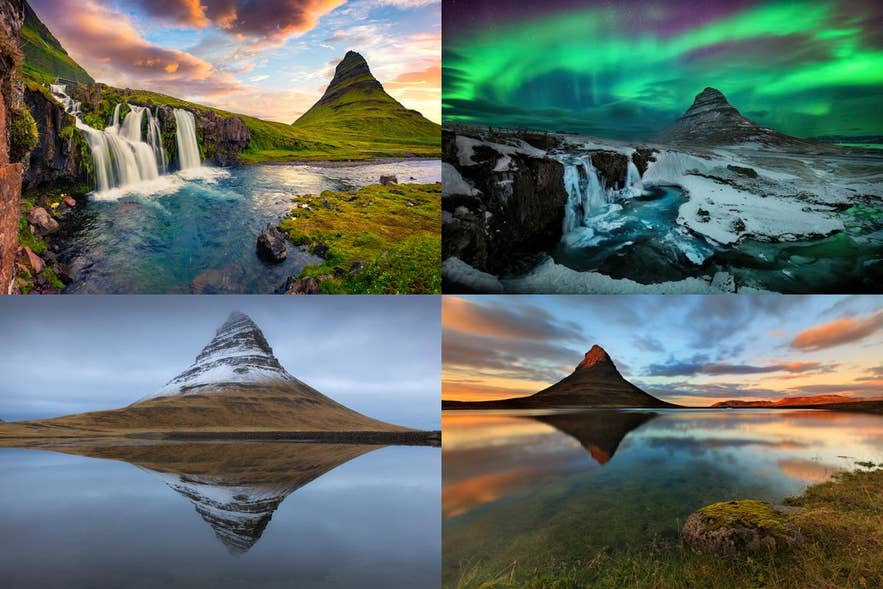
When deciding on the best time to travel to Iceland, it’s important to consider which season suits your preferences best. Iceland experiences four distinct seasons, each offering unique weather conditions, daylight hours, and seasonal activities.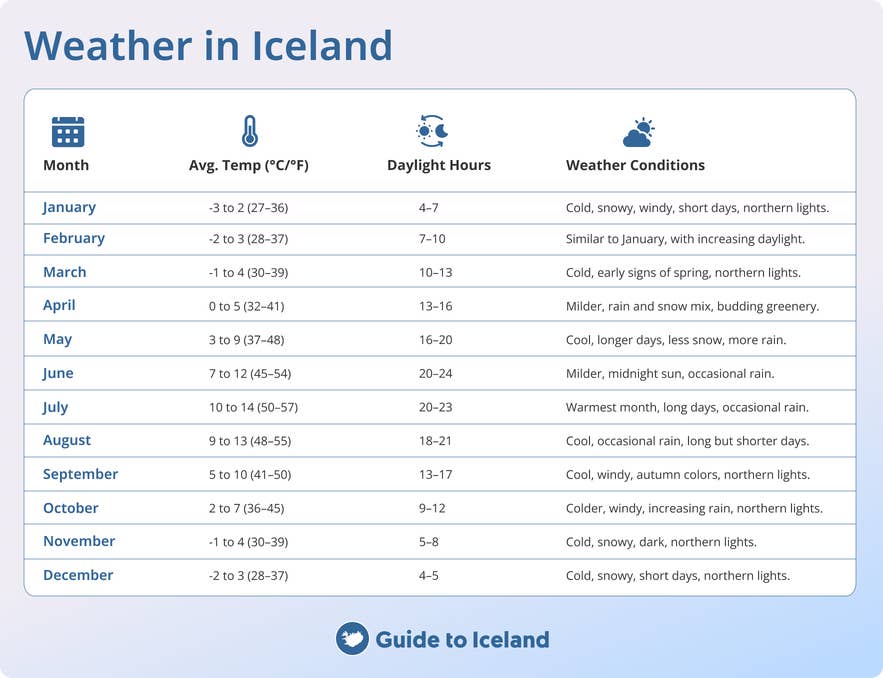 Due to its location near the Arctic Circle, Iceland’s weather can be relatively mild but highly unpredictable. One of the most significant factors to keep in mind is the dramatic change in daylight throughout the year, ranging from nearly 24 hours of daylight in summer to just a few hours in winter. These seasonal shifts play a key role in shaping the experiences available, with certain attractions and activities only accessible during specific times of the year.
The Summer Months
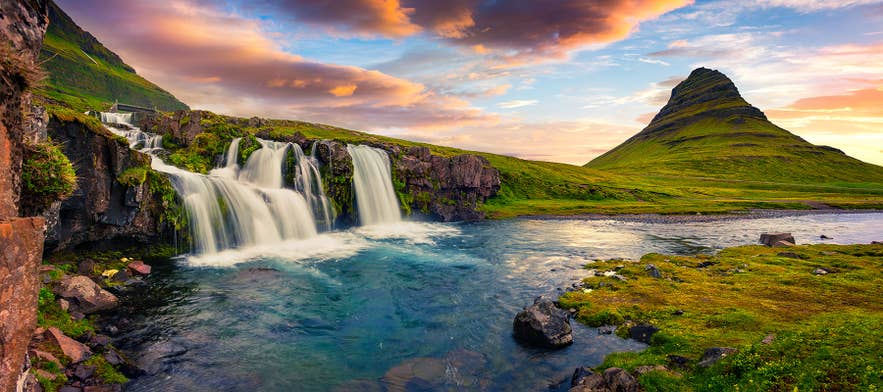
June: Midnight Sun and Vibrant Festivals
June marks the official start of summer in Iceland, bringing nearly 24 hours of daylight, known as the midnight sun. This extended sunlight creates endless opportunities for exploration, from hiking through the stunning Highlands to embarking on scenic road trips along the Ring Road. With the landscapes bathed in constant light, visitors can experience Iceland’s dramatic vistas at any hour, including iconic sites like Þingvellir National Park, Seljalandsfoss, and Reynisfjara Black Sand Beach.
Festival Season and Independence Day: June is also a vibrant time for local culture, with events like the Secret Solstice Festival in Reykjavik, where international artists perform under the midnight sun, creating a surreal atmosphere for music lovers. Additionally, Iceland’s Independence Day on June 17th is a national celebration filled with parades, concerts, and traditional Icelandic events across the country, offering a unique glimpse into the local culture (Read more about Iceland in June).
Wildlife Encounters: For wildlife enthusiasts, June is ideal for whale watching and observing puffins as they nest along Iceland’s dramatic coastal cliffs, including popular spots like Dyrhólaey and the Westman Islands.
July: Warmest Weather and Highland Adventures
July is the warmest month in Iceland, making it one of the most popular times for tourists. With average temperatures ranging from 10°C to 15°C (50°F to 59°F), this is prime time for hiking, camping, and exploring Iceland’s stunning natural wonders. Trails like the Laugavegur Trek and Fimmvörðuháls offer breathtaking landscapes, including geothermal valleys, glacier views, and cascading waterfalls.
Highland Access: This is also the best time to visit the remote Highlands, where you can explore areas like Landmannalaugar, known for its multicolored rhyolite mountains, and Askja, a massive volcanic caldera. Roads to these areas, such as the famous F-Roads, are typically open only in summer, providing a unique glimpse into Iceland’s wild interior.
Cultural Highlights: In addition to outdoor adventures, visitors can immerse themselves in Icelandic culture through traditional festivals and gatherings, like the annual Landsmót National Horse Show, which celebrates the iconic Icelandic horse. Fisherman’s Day, a cherished maritime tradition, is also celebrated in July, honoring the country’s rich fishing heritage (Read more about Iceland in July).
August: Late Summer Adventures and Cultural Celebrations
August is the final full month of summer in Iceland, offering similar advantages as July but with slightly cooler temperatures and fewer tourists. This is a fantastic time for late-summer hikes, road trips, and even berry picking, a popular local tradition where travelers can forage for wild blueberries and crowberries in Iceland’s vast landscapes.
Wildlife Watching: Puffins typically begin to leave their nesting sites by mid-August, making early in the month a great time for final glimpses of these charismatic birds. Additionally, whale watching remains popular as many species linger in Iceland’s coastal waters before migrating south.
Cultural Festivals: August hosts some of Iceland’s most vibrant cultural events, including Thjodhatid, a legendary music festival in the Westman Islands, known for its bonfires, fireworks, and all-night celebrations. Reykjavik Pride, one of the biggest LGBTQ+ festivals in Iceland, also takes place in August, drawing locals and tourists alike for a week of parades, concerts, and parties (Read more about Iceland in August).
More About Iceland in Summer
As previously mentioned, summer in Iceland, from June to August, is characterized by the mesmerizing midnight sun, which bathes the country in near-constant daylight. These extended hours offer ample time to explore Iceland’s diverse landscapes, from cascading waterfalls to black sand beaches.
The warmer temperatures also make it a perfect season for outdoor activities such as horseback riding and going on hiking tours. Summer is the peak season for the number of travelers, so expect more crowds at popular attractions. However, the opportunity to go on tours of the Highlands and indulge in various festivals celebrating Iceland’s culture and history makes it a truly memorable time to visit.
Summer Weather & Daylight Hours in Iceland
Summer in Iceland brings mild temperatures around 50–59°F (10–15°C), occasionally reaching up to 68°F (20°C), with mostly sunny days and occasional rain or wind.
Thanks to Iceland’s northern location, daylight nearly spans 24 hours during this season, especially around the summer solstice in late June, creating the midnight sun: a natural phenomenon where the sun barely sets and the landscape glows with golden light, allowing endless hours for adventure.
The Winter Months
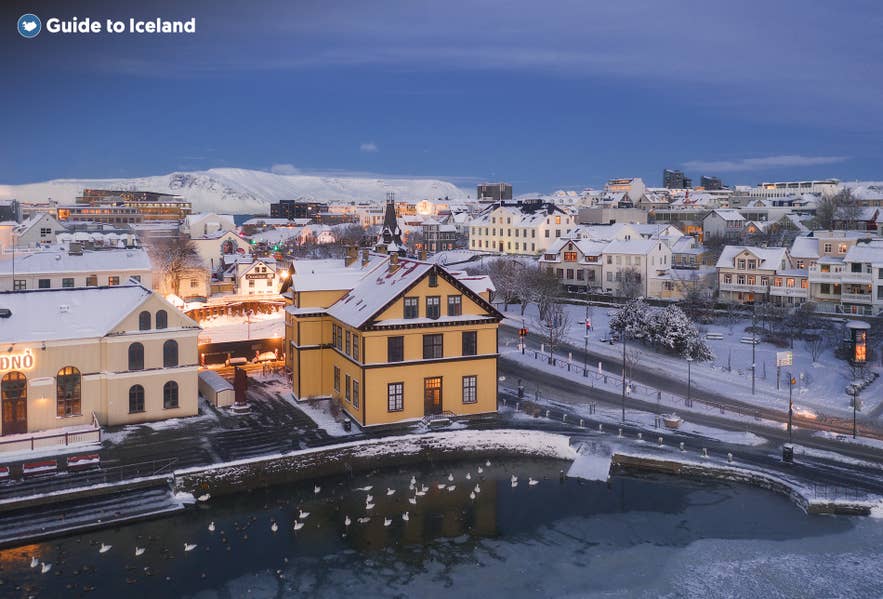
November in Iceland – Aurora Adventures and Icy Wonders
November in Iceland marks the true start of winter, with long nights perfect for witnessing the northern lights and exploring natural ice caves. As the landscape freezes, the country transforms into a stunning winter wonderland, offering breathtaking views and unique adventures. This is also the time to experience the vibrant Iceland Airwaves music festival, which draws artists and music lovers from around the world to Reykjavik for an unforgettable blend of live performances and creative showcases.
The Warm Embrace of the Chilly Icelandic Winter: For those looking to embrace the colder months, November offers fewer crowds, lower accommodation prices, and a genuine taste of Icelandic winter. Just be prepared for chilly weather and rapidly changing conditions as you explore the country’s dramatic landscapes. (Read more about Iceland in November).
December in Iceland – Festive Lights and Winter Magic
December is one of the most enchanting months to visit Iceland, as the holiday spirit takes over the entire country. Icelandic towns and cities sparkle with Christmas lights, and locals embrace unique holiday traditions, including the arrival of the Yule Lads – Iceland’s mischievous but beloved Christmas characters. These 13 playful figures appear in the days leading up to Christmas, each with their own quirks and tales, adding a magical touch to the festive season.
Holiday Extravanganza: For those brave enough to endure the cold, December also offers prime northern lights viewing and unforgettable New Year’s Eve fireworks displays, particularly in Reykjavik, where the city’s skies light up with one of the most impressive pyrotechnic shows in the world. Be sure to plan ahead, as accommodation and tours can fill up quickly during this busy period. (Read more about Iceland in December).
January in Iceland – A True Winter Wonderland
January is a perfect month for those seeking a full winter experience in Iceland. With snow-covered landscapes, frozen waterfalls, and crisp, clear air, this is an ideal time to explore the country’s dramatic scenery. Popular activities include ice caving in Vatnajökull, snowmobiling on Langjökull, and soaking in the Blue Lagoon’s warm, mineral-rich waters while surrounded by snow.
Limited Sun, Still Lots of Fun: Despite the limited daylight, the long nights are ideal for northern lights hunting, and the stark, beautiful landscapes create a surreal backdrop for winter photography. Just remember to pack plenty of warm clothing, as temperatures can dip significantly, and weather conditions can change rapidly. (Read more about Iceland in January).
February in Iceland – Winter Thrills and Cultural Feasts
February in Iceland is a month of contrasts, offering both extreme winter adventures and rich cultural experiences. This is still deep winter, making it ideal for ice caving in Vatnajökull, glacier hiking on Sólheimajökull, and chasing the northern lights under long, dark skies. The landscape remains beautifully snow-covered, providing dramatic backdrops for photography and unforgettable sightseeing.
Fabulous February Festicvals: Additionally, February is the time for the Þorrablót (Thorri) festival, a celebration of traditional Icelandic culture and cuisine. Locals come together to enjoy centuries-old delicacies like fermented shark, smoked lamb, and pickled ram’s testicles – a truly unique taste of Icelandic heritage. This cultural immersion adds a fascinating layer to any winter trip, making February a fantastic month for adventurous travelers looking to experience Iceland’s wild side. (Read more about Iceland in February).
March in Iceland – The Dawn of Spring
March in Iceland signals the slow but steady approach of spring, bringing with it longer daylight hours and milder temperatures. It’s a transitional month, making it one of the most dynamic times to visit. Travelers can still enjoy iconic winter activities like ice caving and snowmobiling, but with the added benefit of more sunlight for extended exploration.
Explore Local Marine Wildlife: March is also an excellent time for unique experiences like snorkeling in the Silfra Fissure, where you can swim between two continental plates in some of the clearest water on the planet. As the days lengthen, the chances of witnessing the northern lights gradually decrease, but the auroras are still visible, especially in early March. For those seeking both winter adventure and the first hints of Icelandic spring, this is an ideal time to explore. (Read more about Iceland in March).
More About Iceland in Winter
Iceland’s winter months, from late November until March, slowly transform the country into a snow-covered wonderland, with crisp air and shorter days. During this season, travelers can embrace Iceland’s ethereal beauty by exploring ice caves, snowmobiling on glaciers, or dipping in geothermal hot springs surrounded by snowy landscapes.
Festivals and Lights: The long nights provide ample opportunity to chase the magical northern lights or even go on a northern lights cruise. Additionally, the festive atmosphere in towns around the country allows visitors to enjoy the local Christmas celebrations and the bombastic New Year’s Eve. Although the weather can be unpredictable, visiting Iceland in winter is a unique experience that highlights the country’s enchanting allure.
Winter Weather & Daylight Hours in Iceland
Winter in Iceland brings temperatures between 23–36°F (−5 to 2°C), snowy landscapes, and unpredictable weather ranging from calm days to snowstorms and high winds.
Despite the cold, it’s a stunning season with frozen waterfalls, snow-covered scenery, and icy vistas. Daylight is minimal, especially in December, with just 4 to 5 hours of light (sunrise around 11:30 AM, sunset at 3:30 PM), but the long nights offer ideal conditions for viewing the northern lights.
The Spring Months
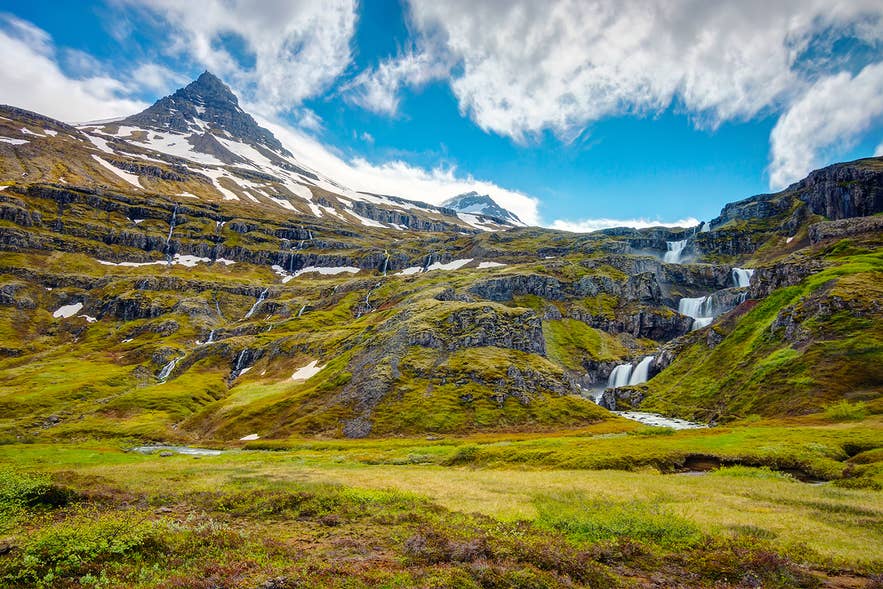
April in Iceland – Spring Awakens in the Land of Fire and Ice
April marks the true start of spring in Iceland, bringing milder temperatures, thawing landscapes, and the return of migratory bird species. It’s a fantastic time for those looking to experience Iceland’s raw, natural beauty without the peak summer crowds. As the snow melts, the countryside bursts into life, revealing vibrant green moss, powerful waterfalls, and newly accessible hiking trails.
Something for Everyone: This is also the last month to catch the northern lights before the midnight sun takes over, making it a unique time for a blend of winter and spring adventures. Popular activities include Super Jeep tours into the rugged Highlands, puffin watching along the dramatic coastal cliffs, and exploring the rapidly changing landscapes of Iceland’s national parks. The weather can still be unpredictable, so it’s wise to pack layers and prepare for anything from sunshine to snow. (Read more about Iceland in April).
May in Iceland – Bright Days and Blooming Landscapes
May is a beautiful time to visit Iceland, as the days grow longer and the landscape comes alive with fresh blooms and migrating wildlife. This month offers nearly 20 hours of daylight, making it ideal for outdoor adventures like hiking, horseback riding, and diving in the Silfra Fissure, where you can swim between the North American and Eurasian tectonic plates in some of the clearest water on Earth.
Festivals and Celebrations: May also marks the start of Iceland’s festival season, with events like the Reykjavik Arts Festival showcasing local talent and international performances across the city. It’s a wonderful time to experience Icelandic culture, explore less-traveled routes, and take advantage of the mild weather before the peak tourist season begins. (Read more about Iceland in May).
More About Iceland in Spring
Spring in Iceland, typically from April to May, offers a delightful blend of mild weather and blossoming landscapes. As the snow begins to recede, visitors can enjoy longer daylight hours and fewer crowds at iconic attractions before the high season of the summer starts.
Additionally, spring is an ideal time for birdwatching enthusiasts, as migratory birds, including the charming puffin, return to nest along the rugged cliffs. It’s also the last chance to see the northern lights before it gets too bright.
Spring Weather & Daylight Hours in Iceland
Spring in Iceland brings rapidly changing weather and longer days, with temperatures ranging from 37–50°F (3–10°C) and occasional snow, rain, and sun in a single day.
Daylight increases quickly, from about 13–14 hours in April (sunrise around 6 AM, sunset at 8 PM) to 20–21 hours by late May, making it a lively time to explore Iceland’s blooming landscapes and natural beauty.
The Autumn Months
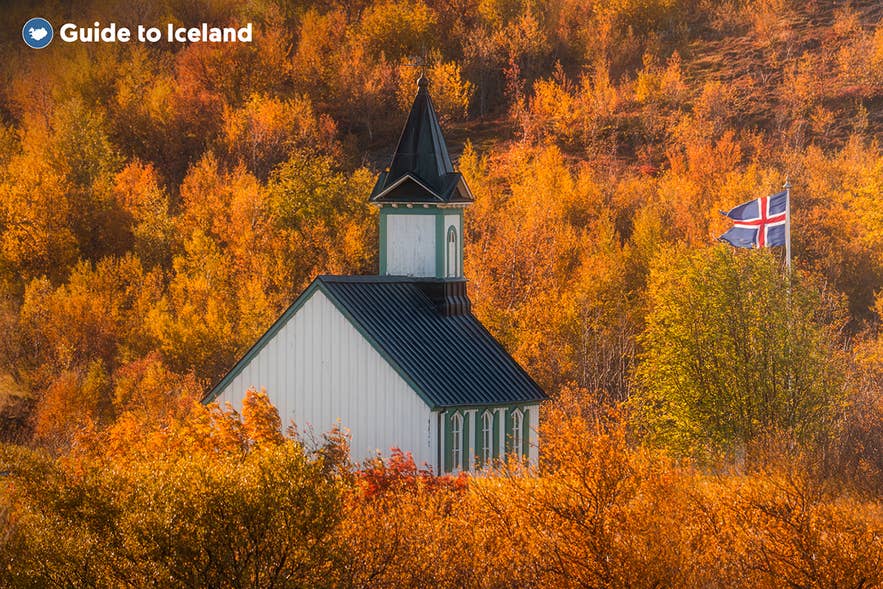
September in Iceland – Autumn Colors and Aurora Magic
September marks the beginning of autumn in Iceland, bringing cooler temperatures, vibrant fall foliage, and the return of the northern lights. It’s an ideal month for those looking to explore the country without the peak summer crowds, as many popular attractions become less crowded while still offering stunning scenery. The changing leaves paint the landscapes in rich hues of gold, orange, and red, creating picturesque settings for hiking, photography, and scenic road trips.
Movies and Road Trips: This month also hosts the Reykjavik International Film Festival (RIFF), a must-see event for film enthusiasts that showcases innovative cinema from around the world. With longer nights and milder weather, September strikes a perfect balance between the warmth of summer and the crispness of winter, making it a favorite for photographers and nature lovers alike. (Read more about Iceland in September).
See September tours in Iceland
October in Iceland – The Best of Both Worlds
October is a transitional month in Iceland, offering a unique blend of summer and winter experiences. The days are shorter, but the weather remains relatively mild, allowing visitors to enjoy a wide range of outdoor activities like hiking, whale watching, and even early-season northern lights tours. The fall colors reach their peak this month, transforming the Icelandic landscapes into a breathtaking tapestry of fiery reds and golden yellows.
Autumn Remembrance: One of the standout events in October is the lighting of the Imagine Peace Tower, a stunning beam of light dedicated to the memory of John Lennon and created by Yoko Ono. Located on Viðey Island, just off the coast of Reykjavik, this powerful symbol of peace is illuminated each year from October 9th (Lennon’s birthday) until December 8th (the anniversary of his passing), creating a moving spectacle against the autumn night sky. (Read more about Iceland in October).
More About Iceland in Fall
Autumn in Iceland starts in September and lasts until the end of November, when winter slowly creeps in. The fall season in Iceland displays a captivating transformation as the vibrant hues of fall overtake the landscape. This period offers a more tranquil atmosphere as travelers’ numbers dwindle and the countryside is adorned with golden foliage.
With cooler temperatures setting in, visitors can still enjoy outdoor pursuits such as hiking and exploring geothermal hot springs without the summer crowds. Fall also brings the return of darker skies, so the chance of seeing the elusive aurora borealis returns. Visiting Iceland in the fall promises a unique blend of natural beauty, space to roam, and countless opportunities.
Fall Weather & Daylight Hours in Iceland
During fall in Iceland, temperatures range from 41–50°F (5–10°C) but can dip below freezing as winter nears. The weather is unpredictable, shifting from sunny to windy and rainy, but the season paints the landscape in vivid red, orange, and yellow tones.
Daylight decreases steadily from about 12–13 hours in September (sunrise around 6:30 AM, sunset at 7:30 PM) to 8–9 hours by late October (sunrise near 9 AM, sunset around 5 PM). These darker evenings offer excellent chances to see the northern lights.
When to Visit Iceland for Seasonal Activities
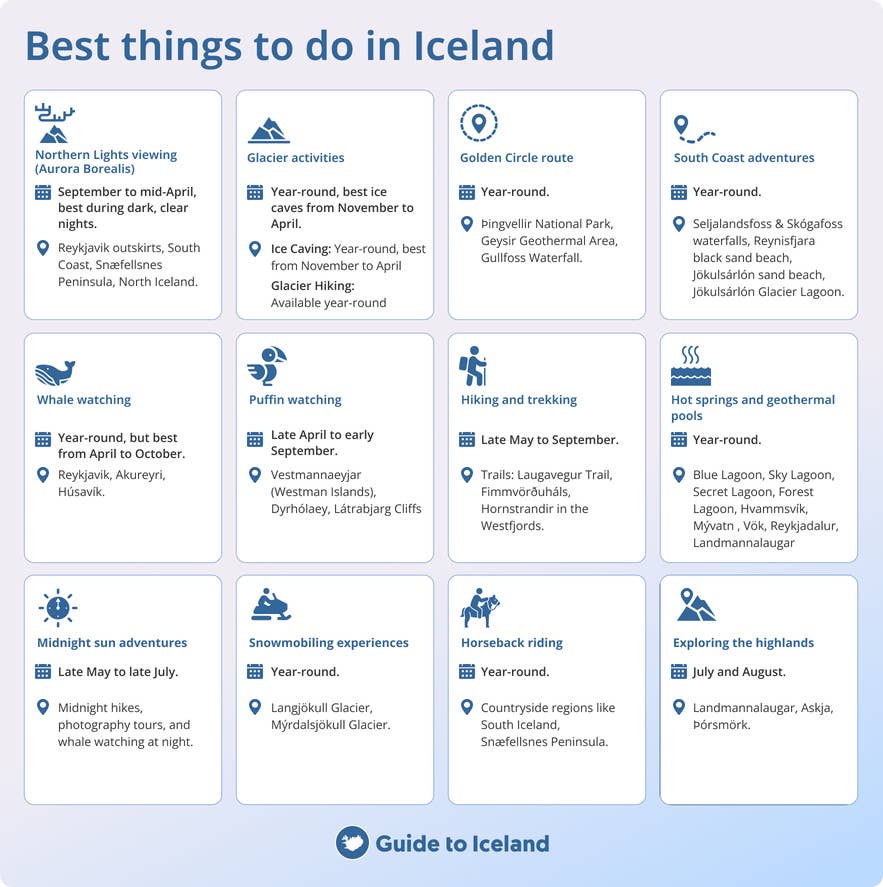
Because of the wide range of different activities and things to do in Iceland, it can be helpful to break down what activities are possible depending on the time of year.
Of course, there are plenty of things you can do any time of year, such as engaging in delicious food tours in Reykjavik or exploring waterfalls on the South Coast, but below are a few of the season-dependent activities that might make or break when you’d want to visit Iceland.
The Best Time to See the Northern Lights in Iceland
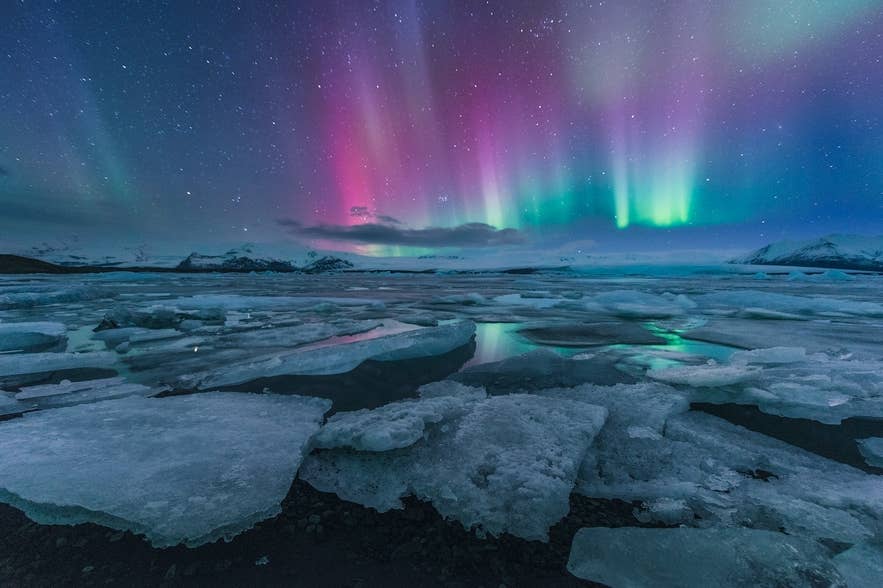
The best time to see the northern lights in Iceland is during the dark winter months, from late September to late March. This period has the longest and darkest nights, which increases the chances of spotting these ethereal lights. However, peak viewing season is between November and February, when nights are at their longest.
Keep in mind that while this mesmerizing phenomenon is largely dependent on solar activity and clear skies, it is also important to venture away from city lights to areas with less light pollution for the best viewing experience. This is why you may want to book northern lights hotels to maximize your chances. Then, cross your fingers and enjoy the show!