
The Eurovision Song Contest kicks off in Vienna this week, and for the first time since 1965, Ireland won’t be part of it.
RTÉ withdrew from the 70th edition of the contest in protest at Israel’s continued participation, citing the humanitarian crisis in Gaza.
The Netherlands, Spain, Slovenia and Iceland are also boycotting the event, making it the largest walkout since 1970.
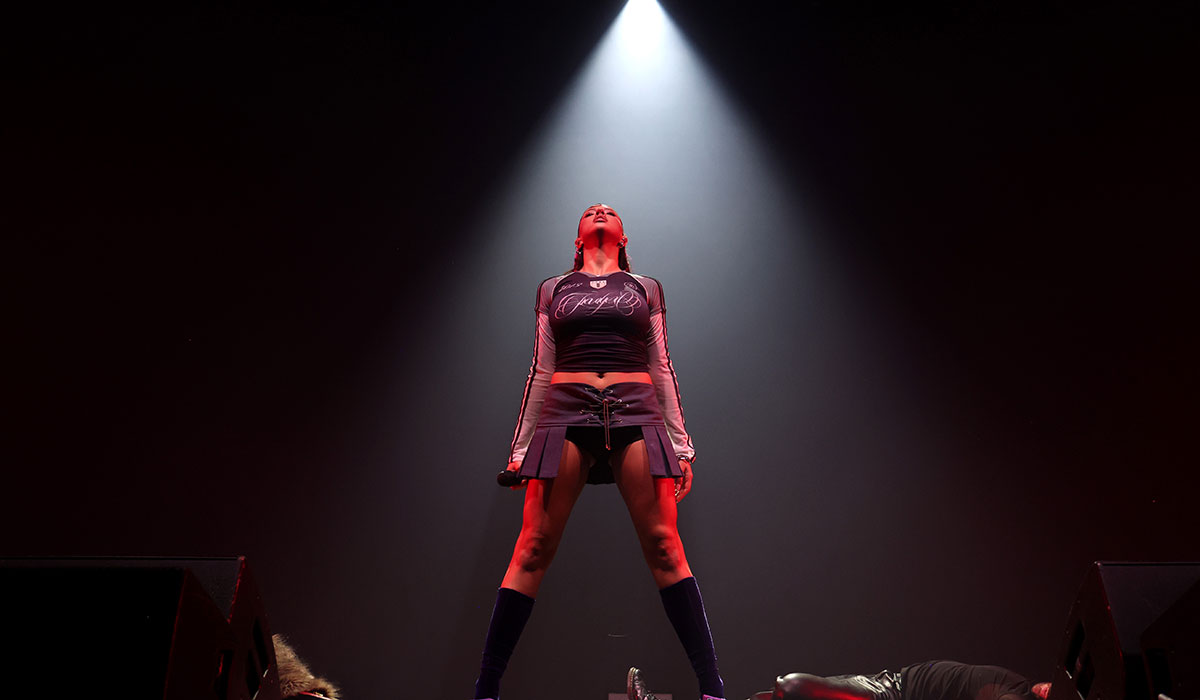 LONDON, ENGLAND – APRIL 19: Dara, who will represent Bulgaria at the Eurovision song contest performs during the London Eurovision Party 2026 at Outernet London on April 19, 2026 in London, England. (Photo by Tristan Fewings/Getty Images)
RTÉ will not broadcast any of the three shows, meaning Irish viewers will need to find alternative ways to watch.
When is it on?
All three shows take place at the Wiener Stadthalle in Vienna and start at 8pm Irish time:
Semi-final 1: Tuesday May 12
Semi-final 2: Thursday May 14
Grand Final: Saturday May 16
How can Irish viewers watch?
With RTÉ not broadcasting, Irish fans have two main options. BBC One will show all three live shows.
The semi-finals will have Sara Cox and Rylan Clark on commentary while the grand final will have our own Graham Norton.
The Eurovision Song Contest YouTube channel will also livestream all three shows internationally with no commentary.
Who’s competing?
Thirty-five countries are taking part making it the smallest field since 2003.
The ‘Big Five’ has become the ‘Big Four’ without Spain, meaning France, Germany, Italy and the UK go straight to the final along with host country Austria.
Austria won the right after JJ’s victory in Basel last year with ‘Wasted Love.’
The show will be presented by Victoria Swarovski and Michael Ostrowski.
Among the early favourites are Finland’s Linda Lampenius and Pete Parkkonen with ‘Liekinheitin,’ who topped the annual OGAE fan poll.
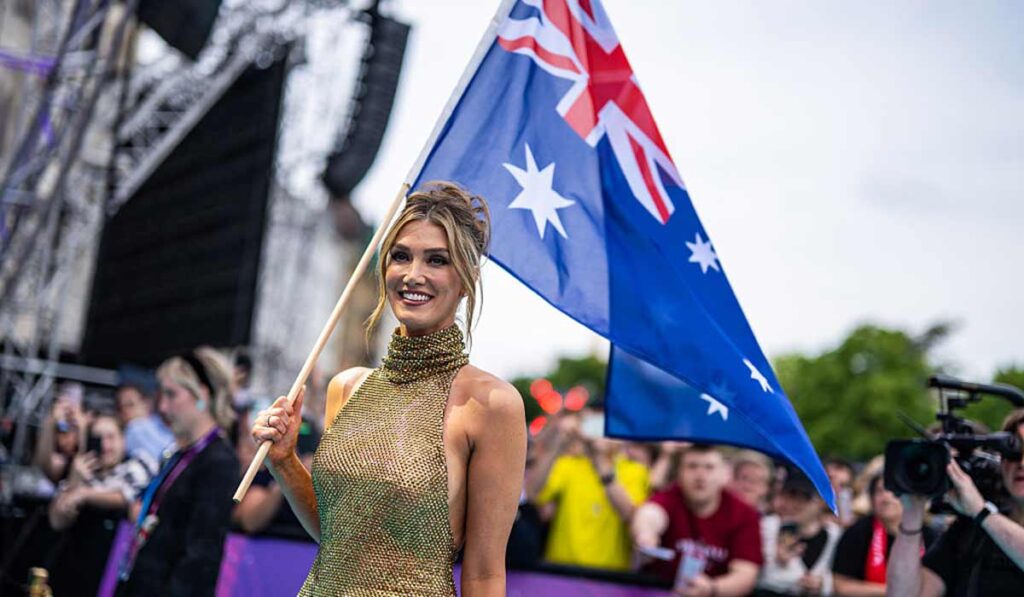
Popstar Delta Goodrem is competing for Australia but is fifth favourite at 14/1. Other fancied tunes come from Greece, Denmark and France.
Will Ireland be back in 2027?
That remains unclear. RTÉ has not indicated whether the boycott is a one-year protest or an open-ended withdrawal.
Under EBU rules, there is no penalty for sitting out a single year, but a prolonged absence could affect Ireland’s automatic qualification status in future contests.