
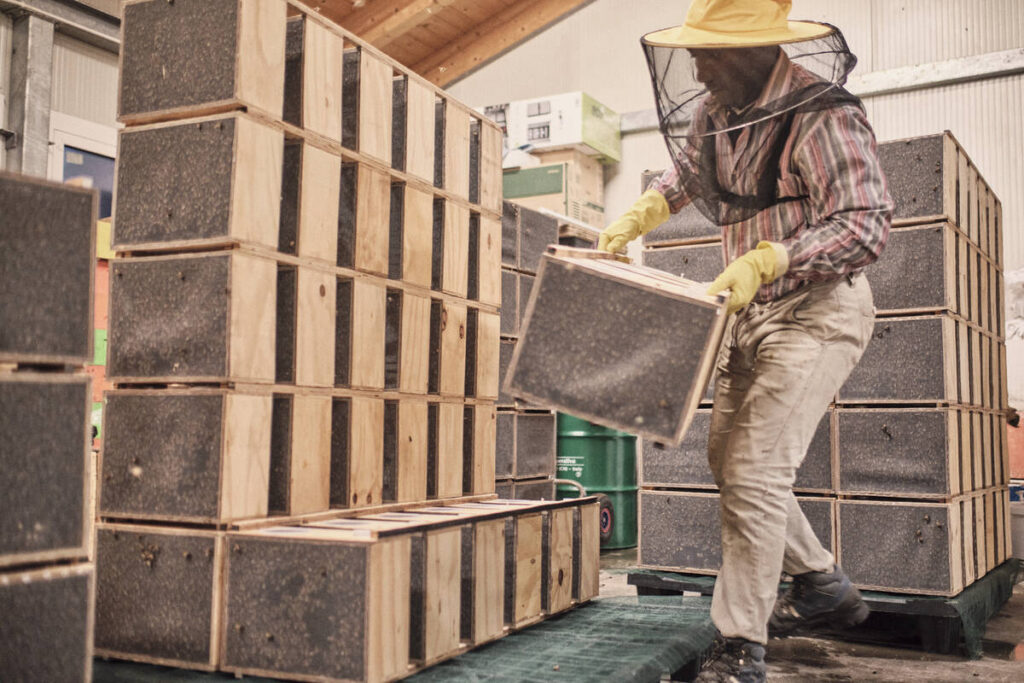
A European bee company is accusing Canada of violating the Comprehensive Economic and Trade Agreement.
Melita Bees of Malta filed an official complaint last month with Global Affairs Canada over what it says are breaches of the European Union-Canada deal’s provisions, as well as market defamation.
In an email to Glacier Farm Media, it said it also wants to “reserve the right to seek full compensation for the economic damages resulting from these treaty violations.”
WHY IT MATTERS: Provincial biosecurity rules for bee imports are now the subject of an international trade complaint. How Canada responds will shape whether provinces can set their own standards on agricultural imports — or whether CFIA rules and CETA provisions take precedence. The outcome could affect bee supply, prices and disease risk for beekeepers across the country.
What the complaint alleges
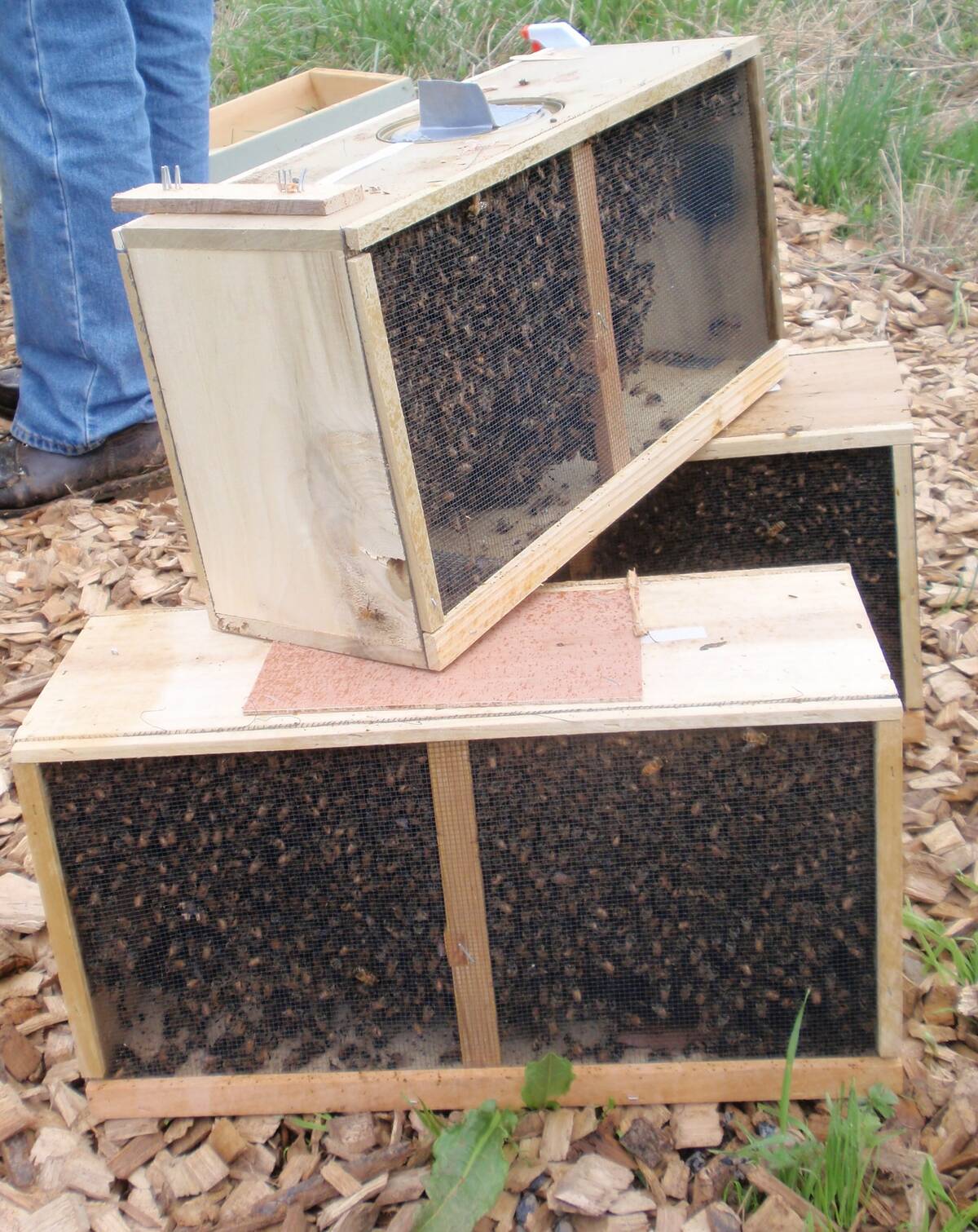 Live bee packages — the product at the centre of the CETA complaint — are biologically fragile and can be killed by extended quarantine, Melita Bees says. Photo: Creative Commons/vastastateparkstaff
The company outlined four points to the CETA secretariat in a request for action, claiming Canada is liable for provincial and industry-led barriers under CETA.
It also asks the federal government to direct Ontario, Nova Scotia and Prince Edward Island to align their policies with Canadian Food Inspection Agency standards.
The company says it believes misinformation campaigns by Canadian bee organizations have led to an unfounded fear of European Union bee package exports that have led to cancelled orders.

As well, it said foreign imports of bees are unfairly under attack by a handful of provinces tightening up their biosecurity measures, which goes against CFIA directives and CETA trade provisions.
The filed complaint highlighted a recent case in Ontario, which accuses the provincial apiarist of waiting 14 days before imposing “indoor quarantine” conditions.
The complaint claims this is biologically fatal for live bee packages and was never requested by the CFIA during the federal inspection process, forcing the complete cancellation of orders.
Melita Bees said these restrictions contradict the CFIA’s stance that there is no scientific evidence to suggest Canada should ban imports of honey bees from outside North America.
Industry losses and the exporter’s case
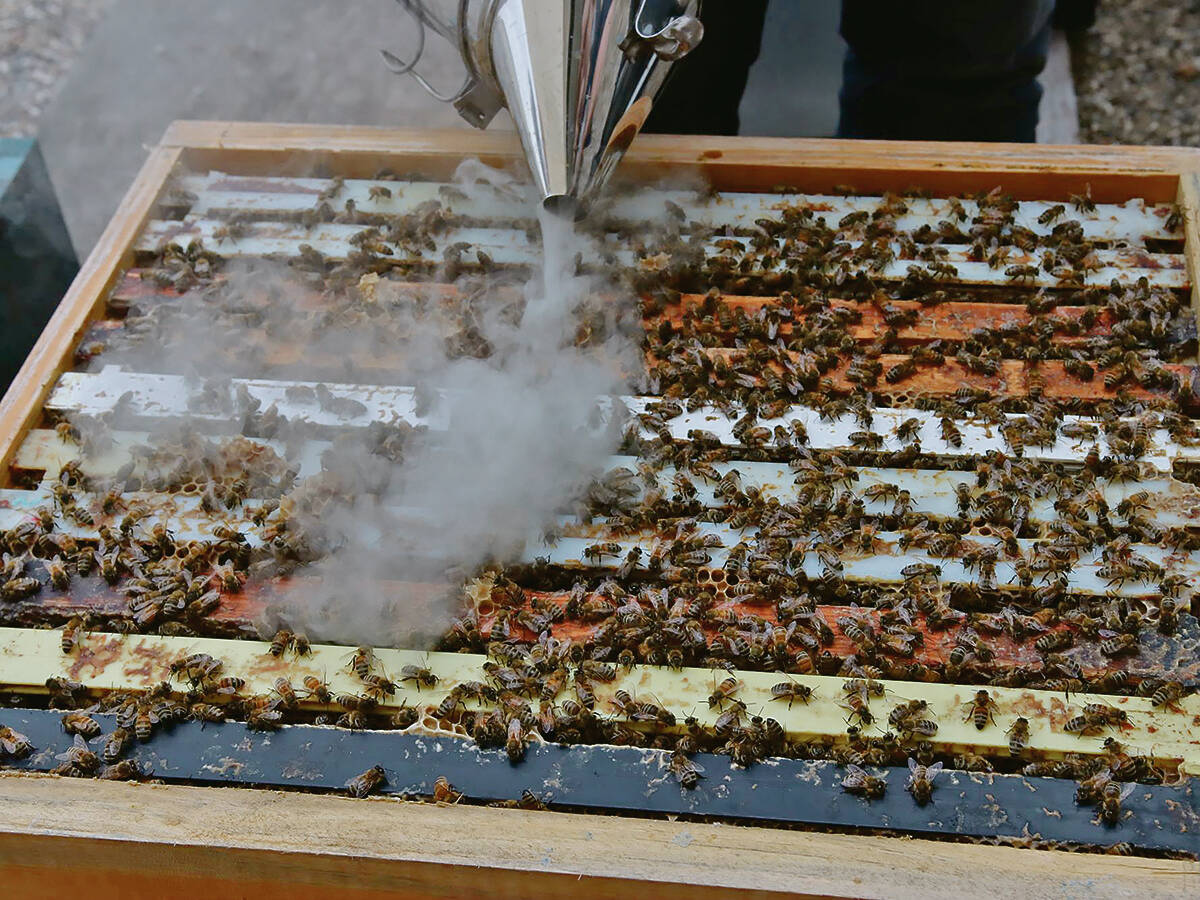 Provincial apiarists in Ontario, Nova Scotia and P.E.I. have tightened biosecurity rules on imported bees — restrictions European exporters say violate CETA. Photo: Miranda Leybourne
“We can estimate it at around $1.5 million for our company alone. I estimate the overall loss from exports from Europe at around $4 million,” Ermanno De Chino, chief executive officer of Melita Bees, said in an email, adding that failed attempts by Canadian bee organizations to lift bans on packaged bees from the United States has led to attacks on EU suppliers for fear of tropilaelaps mite.
De Chino said P.E.I. has had SHB-free requirements for three years, even though Italy is the only country in the world to have contained the small bee beetle (SHB) infestation.
He said all major bee diseases and parasites have arrived in Canada despite efforts to restrict honeybee imports.
“This shows it is almost never controlled-and-certified imports that are the source of diseases and parasites,” said De Chino.
Instead, he pointed a possible finger at domestic beekeepers who vacation around the world and return with a few queens in their suitcases to renew poor, inbred genetics.
Canadian industry response
De Chino said communications with the Canadian Honey Council confirm the formation of a national tropi committee which includes beekeepers, provincial apiculturalists, representatives from the CFIA, Canadian Border Services, Transport Canada and chief veterinary officers from across Canada for an inclusive plan. It emphasized the concern of tropilaelaps entering into Canada.
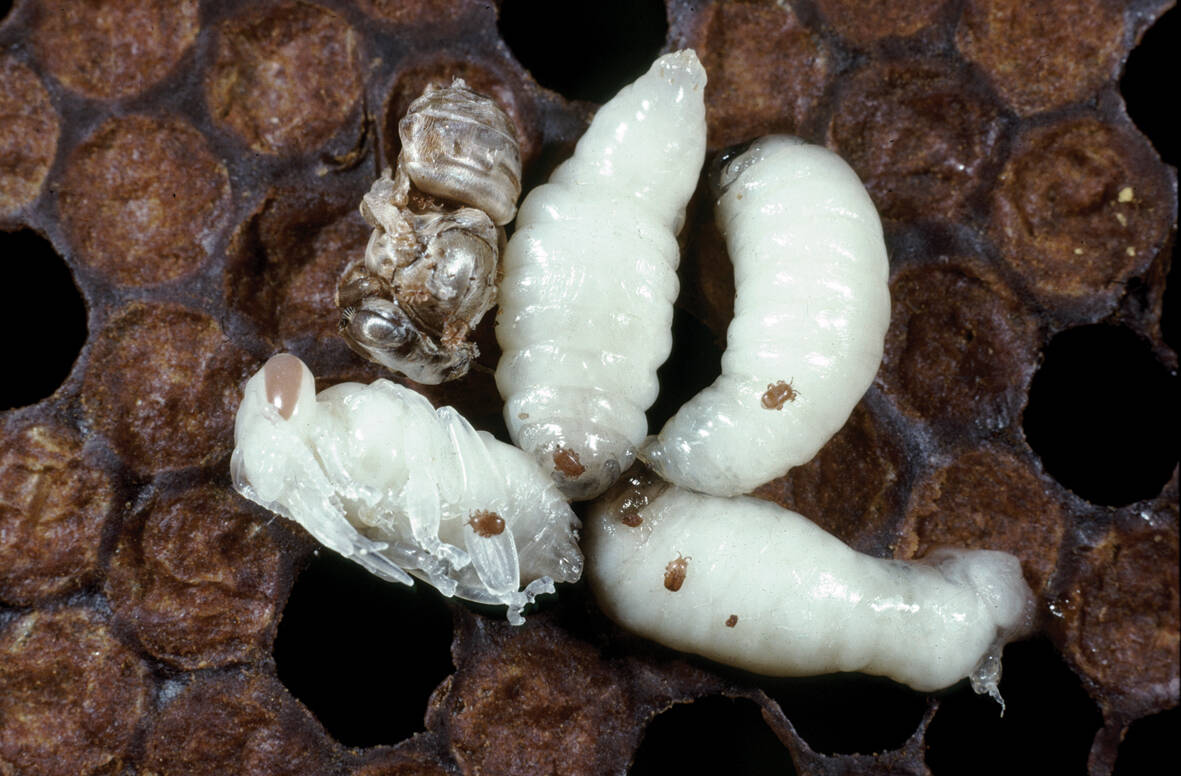 Fear of tropilaelaps mite establishing in Canada is driving provincial biosecurity restrictions on imported bees. Photo: Denis Anderson/CSIRO
“The science behind tropi survival has been changing, and it has been shown they can survive on dead bees. Moreover, we are getting conflicting information as to whether there is a greater risk from packages than from queens,” stated the correspondence between De Chino and the honey council.
The council has asked the CFIA to review the protocols for importing bee packages from Europe.
“They have indicated that they have full confidence in European inspections and protocols,” council executive director Rod Scarlett said in an email, adding it fully agrees with the risk assessment conducted by CFIA into bee packages from the United States into Canada.
What’s next
De Chino confirmed that Global Affairs has responded to the complaint, adding it has been processed and forwarded to the appropriate office.
Requests for clarification from Global Affairs Canada about the exact powers that provinces have related to CETA have not yet been answered.
Emails requesting comment from the Canadian Beekeepers Federation have also not been answered.