
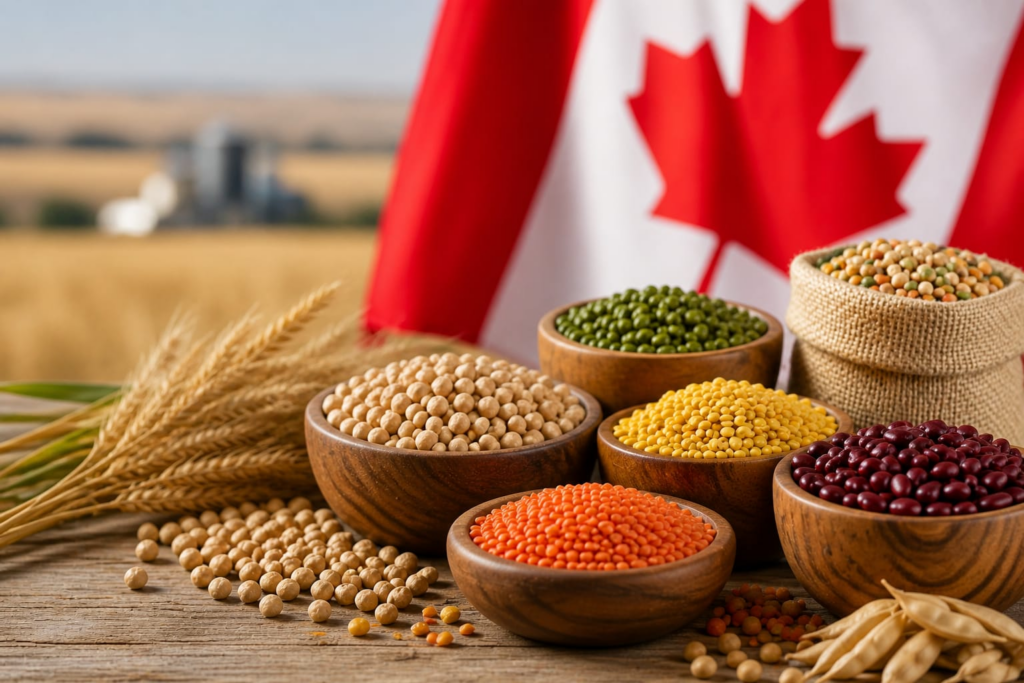
The Canada pulse market is flourishing, positioning it as a global leader in pulse cultivation and exports, supplying lentils, peas, chickpeas, and beans worldwide. In response to growing consumer demand for plant-based nutrition, the market is on an upward trajectory, driven by robust agricultural infrastructure, international trade, and evolving dietary patterns.
According to IMARC Group, the Canada pulse market was valued at USD 1.98 billion in 2024, with an estimated growth to USD 2.81 billion by 2033, at a CAGR of 3.79% during the forecast period of 2025-2033.
The rising popularity of plant-based diets and protein sources is a significant driver of growth. As a rich source of protein, fiber, and essential nutrients, pulses are a favored choice among health-conscious consumers as they transition toward vegetarian and vegan lifestyles.
Canada’s leadership in pulse exports is a crucial factor for the market’s expansion. Being one of the largest pulse exporters globally, it supplies vital markets in Asia, the Middle East, and Europe. The continued strong demand from India and China further propels production and trade.
The market is also thriving thanks to improvements in agricultural and processing techniques. Modern farming practices, superior seed varieties, and precise agricultural tools enhance crop yields and quality. Additionally, investments in pulse processing capabilities, including milling and protein extraction, are boosting the value-added segment.
A significant trend driving market development is the growing utilization of pulses in food processing and ingredient formulations. Pulses are now key ingredients in snacks, baked goods, meat alternatives, and gluten-free products. This diversification creates new revenue streams and market avenues.
The increasing awareness of sustainability and the environmental benefits of pulses also contribute to market growth. With lower water requirements than many other crops and nitrogen-fixing capabilities that enhance soil health, pulses are a sustainable agricultural option, aligning with global environmental goals.
By pulse type, the market includes lentils, dry peas, dry beans, and chickpeas. Lentils and dry peas dominate the market share due to favorable climatic conditions and robust export demand.
In terms of applications, the market encompasses food processing, retail consumption, and foodservice. The food processing sector leads, driven by the growing demand for pulse-based ingredients in packaged and functional food items.
Regionally, the prairie provinces of Saskatchewan, Alberta, and Manitoba are the primary pulse-producing areas in Canada, accounting for the majority of production due to suitable soil and climatic conditions.
The expanding market for pulse-based protein products is another key growth driver. With a rise in demand for alternative proteins worldwide, pulses are becoming integral to plant-based protein powders, meat substitutes, and nutritional supplements, bolstering market growth.
However, challenges like price volatility, climatic uncertainties, and reliance on export markets may pose hurdles. Fluctuations in global demand and weather conditions can impact both production and pricing.
The Canadian pulse market’s strength lies in its deep integration with global food supply chains and sustainability trends. As health and environmental considerations become increasingly important for consumers and industries alike, pulses are finding their place at the forefront of modern diets.
In the future, the market is poised to benefit from increasing plant-based food demand, expanding export markets, advanced agricultural technologies, and the growing use of pulse-based ingredients in food innovation. With Canada cementing its position as a global pulse leader, steady and sustainable growth is on the horizon.