
On fruit trees in Stranjani, a refugee home in Germany, and standing on the other side of it all wondering if it is finally time to go back.
By Ivana Strbac Alfonso
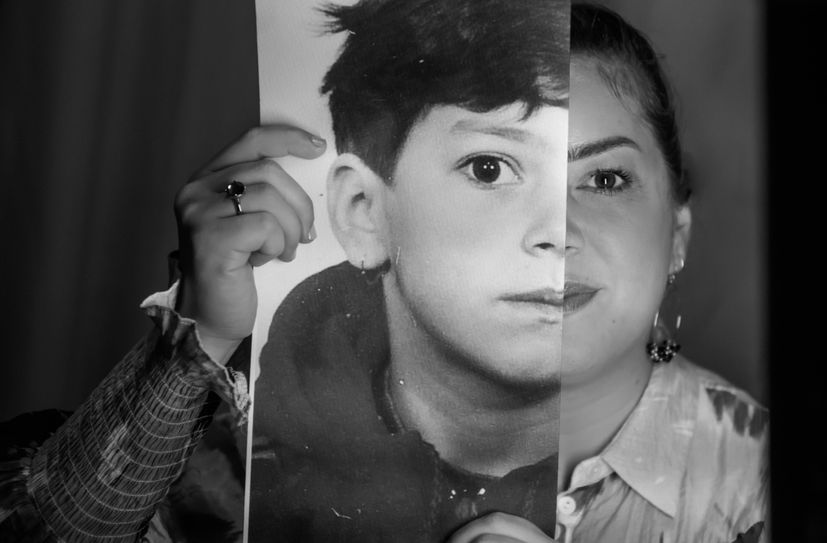
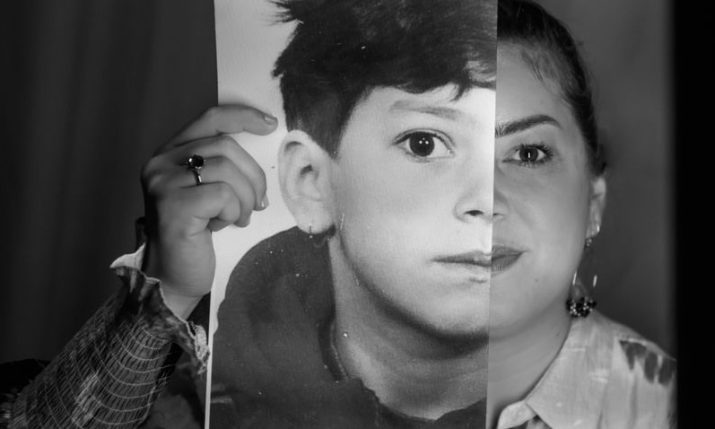
Then and now. The face in the photograph and the woman holding it. (Photo: Ivana Strbac Alfonso)
My first memory is not really an image. It is more of a feeling. Green hills outside a village called Stranjani, just on the edge of Zenica in central Bosnia. Fruit trees in the yard. Family everywhere, the kind of everywhere that only exists before anyone has left. I was five. I had no idea it was the last time I would stand there as a child. Nobody tells you that part.
Zenica is where I was born, a steel city, industrial, heavy with smoke and history. But Stranjani was where we actually lived.
Up in the hills, the kind of village where everyone knew which fruit tree belonged to which family and summers tasted like something you genuinely cannot describe to someone who was not there. That was my start. Green and whole and loud with people I loved.
And then the country fell apart. We left Bosnia as refugees. We ended up in Germany, in a refugee home, and we stayed four and a half years.
I grew up between languages I was not born into, in a country that was not ours, while my parents held onto the one thing nobody could take. Behind the door of wherever we were living, we were Croatian. That never changed.
You learn fast as a kid in that situation how to shrink yourself in public. How to watch and wait and fit in well enough. But at home, behind closed doors, we were completely ourselves. Croatian was the language of those rooms.
The food, the arguments, the coffee, the way my parents talked to each other. None of that got left behind in Bosnia. It just came with us, packed into something smaller than a suitcase and more permanent than any visa.
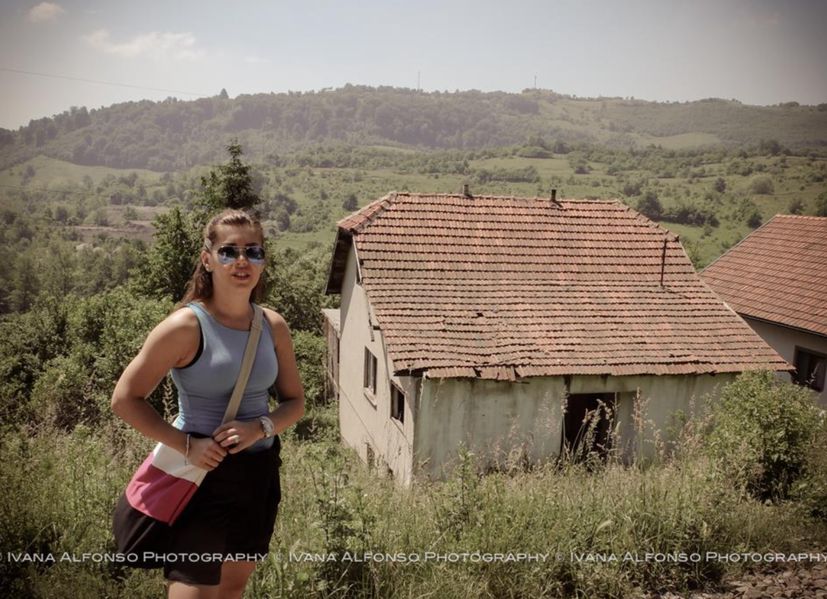
Back in Stranjani. The hills are exactly as I remembered them. (Photo: Ivana Strbac Alfonso)
Eventually we moved again. Australia. The Gold Coast. About as far from Stranjani as you can physically get on this planet. But identity does not care about geography.
My family were Croatian, born and raised in Bosnia, from those hills, long before any border made it complicated. I come from those people. I have always known exactly who I am. The paperwork just kept disagreeing.
I built a life here from scratch. A family, a business, a community of women who get it without needing it explained. I run a podcast called Balkan Sis where I talk to other women about exactly this, what it means to be from somewhere you can no longer simply point to, what you carry and what you pass on and what keeps pulling you back.
The audience finds me because we share something that does not need much introduction. We just recognise each other.
“Behind the door of wherever we were living, we were Croatian. The food, the arguments, the coffee. None of that got left behind in Bosnia. It just came with us.”
People tell me my kids should speak Croatian better than they do. They understand it, they are getting there with speaking it, and honestly the criticism lands differently when it comes from people who have never had to rebuild a life from nothing in a country where nobody speaks your language.
My kids also have a mother writing them a book, At Baba and Dido’s House, built out of the world my parents came from. The hills. The fruit trees. The feeling of a Balkan summer when you are small and safe and everyone you love is in the same yard. That is going into pages they can hold. There is more than one way to give your children a language.
Right now we are in the process of applying for Croatian citizenship for my children. Forms and translations and waiting and more forms. I am doing it because I want them to have the option one day to go back, not as visitors, but as people with a real claim to that land. To live there for a while if we choose. To feel what I feel every time I let myself think about those hills, that it is not just nostalgia but something with roots.
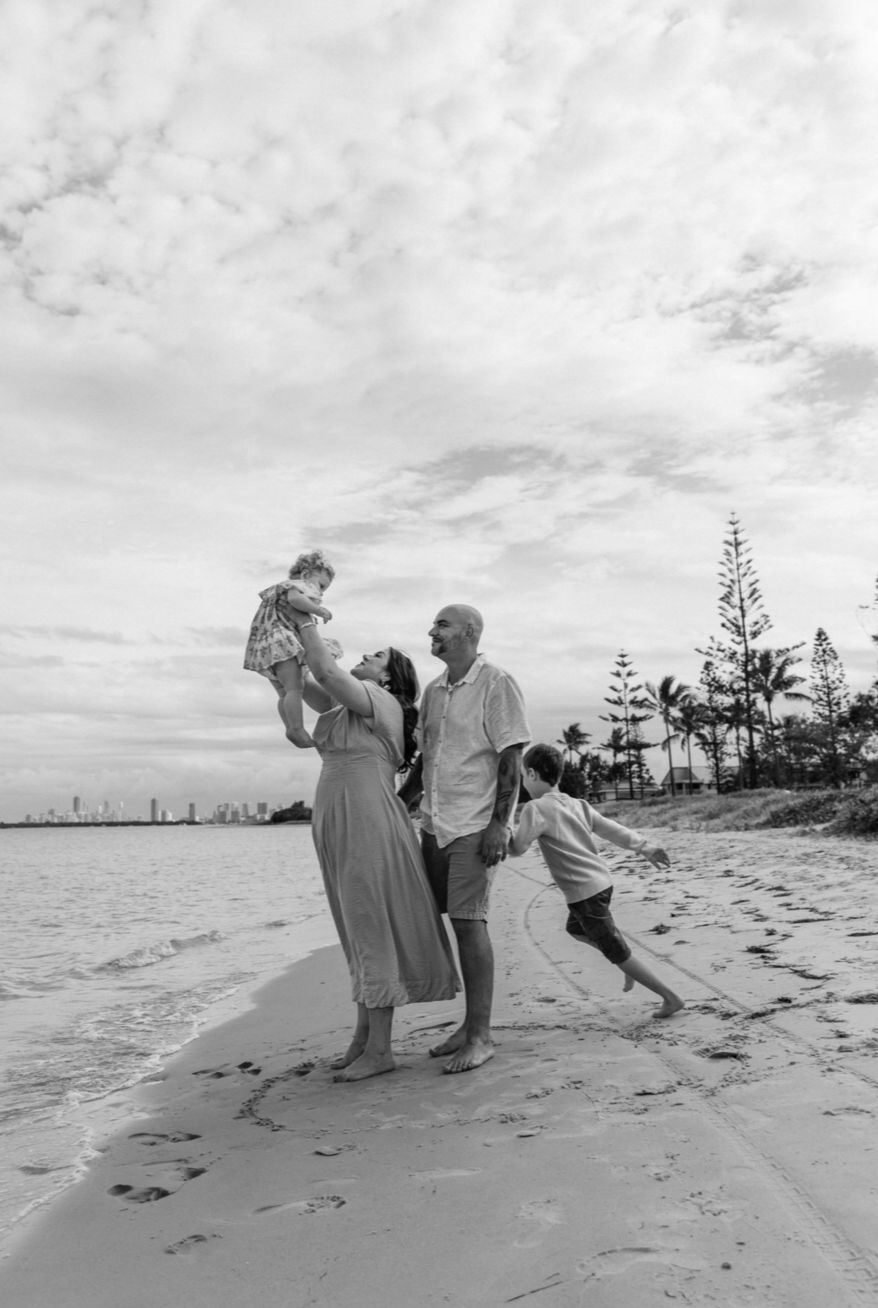
Gold Coast, Australia. Building a life on the other side of the world while the motherlands call you back. (Photo: Ivana Strbac Alfonso)
What do I feel when I think about going back? Honestly, it shifts. Some days it is a pull with no name, something unfinished. Some days it feels like guilt, like leaving had a cost and I have not finished paying it.
Other days it is just a quiet hope that my kids could one day wake up somewhere near the Adriatic and feel at home. That this story does not end with displacement.
Bosnia to Germany to Australia. Three countries, one identity, a children’s book in progress, a podcast, a citizenship application on the kitchen table. That is what my life looks like right now and I would not swap any part of the journey even on the hard days, which there have been plenty of.
The motherlands are calling. I hear them differently depending on the day. But I hear them.
And if you are reading this far from where you started, with cold coffee and a life that looks nothing like the one you were born into, carrying something heavy that does not translate well, you know exactly what I mean. You do not need me to explain it.
We are still here. Still Croatian. Passing it forward the only way we know how, imperfectly, stubbornly, with everything we have got.
Ivana Strbac Alfonso is a Gold Coast-based photographer, creative entrepreneur and host of the Balkan Sis podcast. She is currently writing a children’s book, At Baba and Dido’s House.