
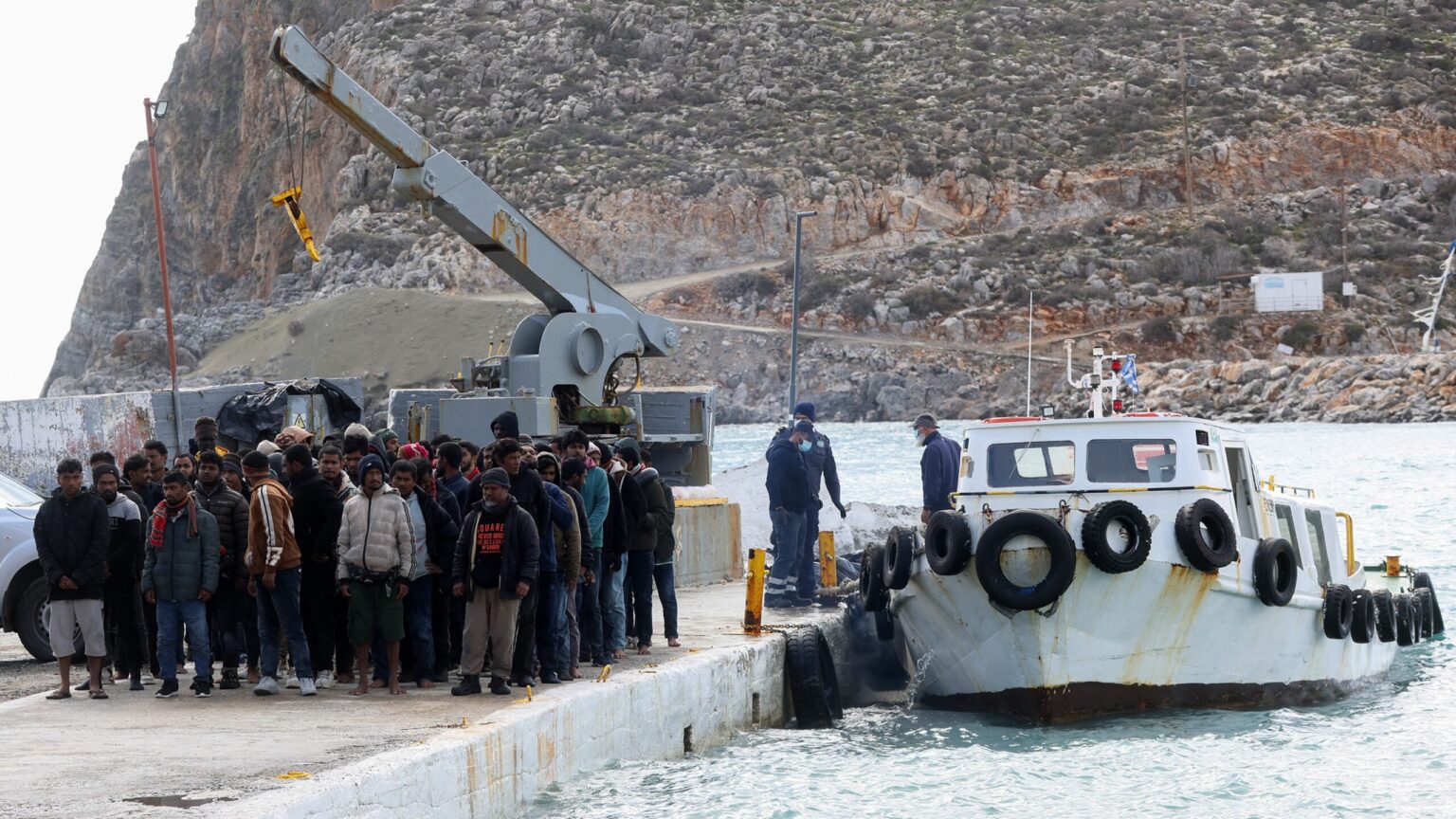
Approximately 550 000 migrants are waiting in Libya to cross the Mediterranean to Europe—Greek migration minister Thanos Plevris warned recently. While illegal crossings into Greece through Türkiye have decreased over the past years, the number of arrivals is rising from Libya through the island of Crete.
According to InfoMigrants, close to 300 migrants arrived on the small Greek island within 24 hours in early May. According to the United Nations High Commissioner for Refugees (UNHCR), nearly 17,000 people arrived in Crete as refugees in 2025.
In response to the growing numbers, Greek Minister of Shipping and Island Policy Vasilis Kikilias recently visited Crete and pledged to strengthen the island’s defences and coast guard. The Greek authorities’ growing concern highlights the migratory pressure Europe may soon face as the Migration and Asylum Pact enters into force on 11 June 2026.
While Greece estimates that Libya is filling up with people preparing to cross into Europe, some are raising alarms over the possible impact the prolonged war in Iran could have on migration. Months into the crisis, the situation in Iran remains far from stable, and the war has already displaced a considerable number of people internally.
‘If instability in the region continues, Europe could soon face significant migration-related challenges’
The closest neighbouring countries for Iranian refugees are Türkiye and Iraq, but given the humanitarian conditions and the size of the existing migrant populations there, many would be unlikely to remain in either country for long. As Lebanon has also been severely affected by the wider Middle Eastern conflict, some people may choose to leave from there as well. If instability in the region continues, Europe could soon face significant migration-related challenges.
Iran hosts one of the world’s largest refugee populations—over two million Afghans. This might have added an extra reason for the European Commission to begin organizing high-level talks with the Taliban leadership of Afghanistan on migration. A Commission spokesperson confirmed that the preparation for the talks is underway, while it was stressed that it does not mean the recognition of the Taliban administration.
While these new challenges will likely be a part of the discussions between Kabul and the Commission, initially, the contact was proposed by 20 EU Member States back in October last year to negotiate returns and deportations from the bloc to Afghanistan.
Returns are a flagship part of the EU’s new migration approach. On an annual basis about 400 000 foreign nationals are ordered to leave the EU—however, only 20 per cent of them are actually returned. Brussels now vows to increase these numbers by introducing so-called ‘return hubs’ in safe third countries from where migrants can be deported in case their asylum application is rejected. The EU’s blueprint to make returns more efficient was welcomed by right-wing parties across the union, while other parts of the EU’s Migration and Asylum Pact are under serious fire.
‘The Migration and Asylum Pact has been criticized for focusing primarily on the redistribution of migrants among Member States’
Despite the EU’s attempt to accelerate deportations from the bloc, the Migration and Asylum Pact has been criticized for focusing primarily on the redistribution of migrants among Member States rather than on strengthening the EU’s external borders. Each year, the European Commission assesses the migratory situation of every Member State, and countries deemed ‘not under migratory pressure’ are expected to assist those that are.
The regulation outlines two main forms of ‘support’: either accepting 21,000 migrants from states under pressure or contributing €420 million to a common ‘solidarity pool’ used to support affected countries. Right-wing political forces across the Union have criticized these measures for emphasizing redistribution rather than addressing the root of the problem by preventing illegal arrivals into EU territory.
The recently inaugurated Hungarian government has pledged to implement the EU’s Migration Pact, marking a significant departure from the previous administration, which became known for opposing Brussels’ migration policies. Anita Orbán, Hungary’s new foreign minister, stated during her ministerial hearing that the government would seek to resolve legal disputes with the EU over Hungary’s migration policy.
Hungary is currently being fined €1 million per day by the European Court of Justice for enforcing migration laws the court considers incompatible with EU law. In addition to seeking a compromise over the fines, Orbán argued that the EU’s Migration Pact ‘does not entail mass immigration into Hungary’, but rather ‘mutual assistance’ among member states facing significant migratory pressure. As Hungarian Conservative previously reported, some critics view Orbán’s remarks as a betrayal of the Tisza Party’s earlier campaign promises suggesting a tougher stance on migration.
Related articles: