
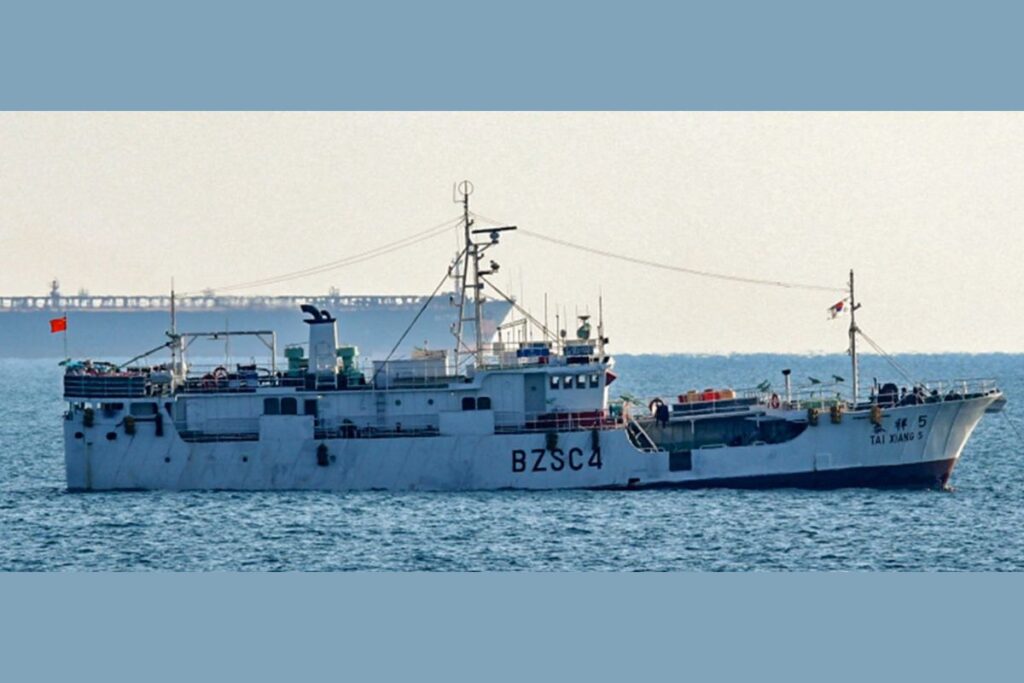
CHINA: ‘Death ship’ lands beriberi victims in Singapore
The Environmental Justice Foundation (EJF), a UK NGO, has published details of a Chinese fishing vessel on which three crewmen died at sea with symptoms of beriberi – a disease caused by poor diet that was responsible for the deaths of many prisoners of war in Japanese camps during the Second World War.
Verified phone footage from the vessel Tai Xiang 5, which is operated by a company that is 100% government-owned, includes the placing of the first fisherman to die – a Filipino who had been punished by the skipper for complaining about his diet and working conditions – into a coffin made from wooden pallets.
The migrant crew, who were paid less than $200 a month, were, the report says, forced to work 16-hour days, eating mainly unwanted fish from the catch and drinking contaminated water with high salt levels.
The skipper continued fishing after two further deaths, ending the eight-month trip in Singapore only after other crew became dangerously ill. One survivor, who had to be taken off the vessel in a wheelchair and was subsequently hospitalised, was then charged more than a third of his pay for the trip for his medical treatment.
No charges have been brought against the skipper or owners of the vessel. Steve Trent from EJF said, after investing the case and speaking to survivors: “This is a brutal case, but the sad reality is that it is very typical of what is happening across the Chinese distant-water fleet.”
The Tai Xiang 5, in common with many Chinese vessels, is licensed to export its catches to both the EU and the UK.
ICELAND: Minister blames Namibian culture for Icelandic bribes
Talking about the huge Fishrot scandal, currently the subject of court cases in London, Angola and Namibia, Iceland’s finance minister Daði Már Kristófersson blamed Namibian culture for the fiasco, telling a Danish newspaper: “This is a terrible case. But there is corruption in Namibia – not in Iceland.”
Uncovered in 2019, but still subject to court action, the scandal uncovered a series of huge bribes paid by Icelandic fishing company Samherji to obtain access to quota and fisheries in Namibia on favourable terms.
Namibian politicians were quick to react. One MP, Rodney Cloete, said: “This is one of the oldest statements in the history of extractive economics.
“Six years on, the Icelandic prosecutor has concluded its investigation and not one Samherji executive has been charged in Iceland. Iceland has refused our extradition requests three times. And in that same window, the Icelandic government quietly paid Samherji more than N$120m in public subsidies.
“In the same article where he blamed Namibia, he also said Iceland’s fisheries lobby is ‘eating Icelandic democracy from the inside’.”
Ten defendants, including two ex-ministers, are due to return to court in Namibia, charged with receiving part of the $300m in bribes, which came to light after secret recordings of Samherji staff handing over briefcases of money to officials were leaked.
This story was taken from the latest issue of Fishing News. For further information on this story and for more reports on the UK and Irish commercial fishing sector, subscribe to Fishing News here or buy the latest single issue for just £3.50 here.
Sign up for Fishing News’ FREE e-newsletter here.