
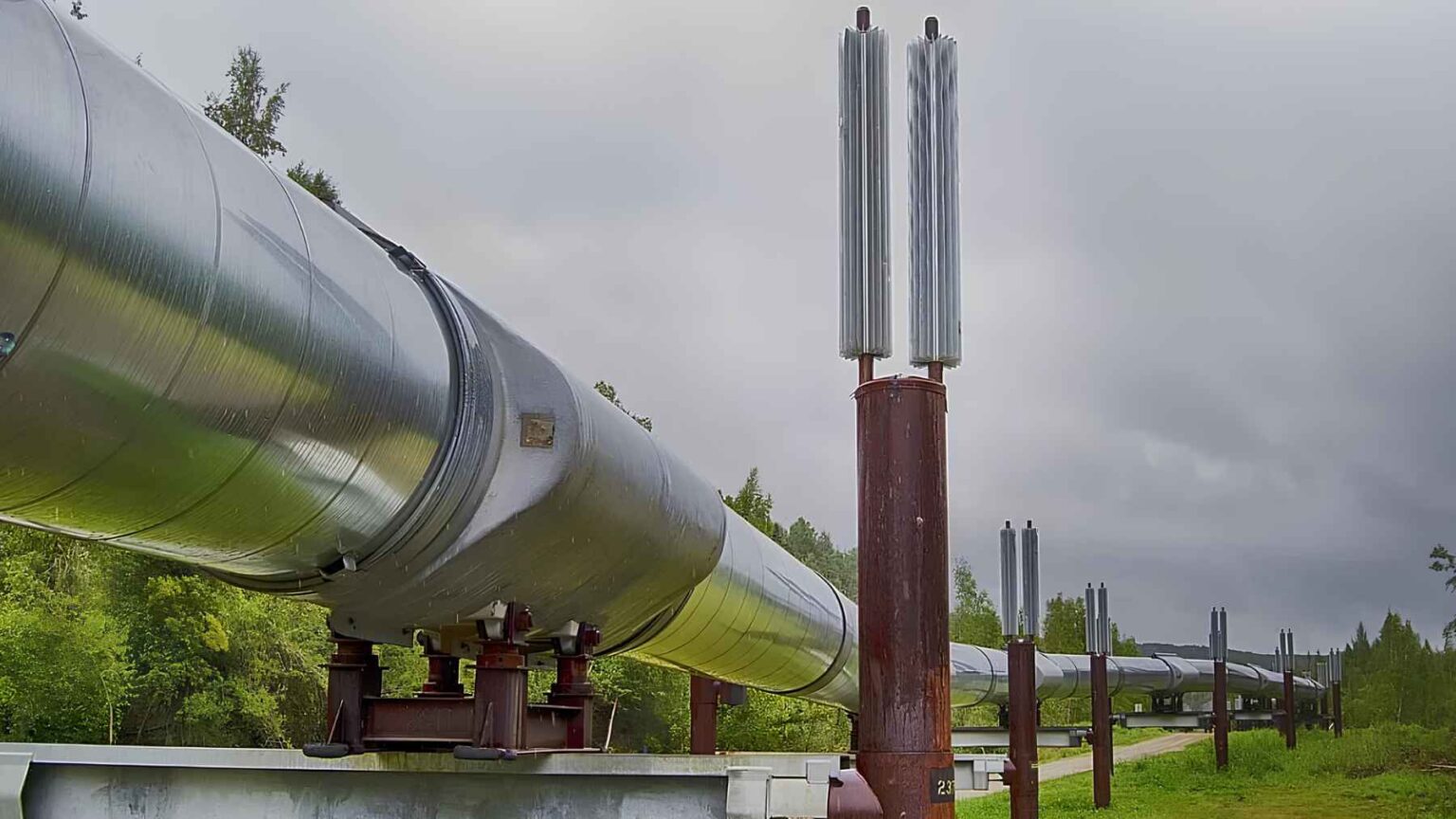
Croatia and Bosnia and Herzegovina have signed a long-awaited agreement to build the Southern Interconnection gas pipeline, a project designed to give Bosnia a new route for natural gas through Croatia and the liquefied natural gas (LNG) terminal on the island of Krk.
The deal was signed in Dubrovnik by Croatian Prime Minister Andrej Plenković and Borjana Krišto, chair of Bosnia’s Council of Ministers, during the Three Seas Initiative summit, with U.S. Energy Secretary Chris Wright in attendance.
On paper, this is a clean energy-security story. In practical terms, Bosnia gets a way to loosen Russia’s grip on its gas supply. But the political fight is already here, because the European Union (EU) has warned that Bosnia’s decision to name a private U.S. company as investor and developer could put about $1.16 billion in EU-linked funding at risk.
A new gas exit from Moscow
Bosnia currently imports virtually all of its gas from Russia, with supply arriving through Serbia and Bulgaria along the TurkStream route. That means one entry point, one main supplier, and not much room to maneuver when geopolitics gets ugly.
The Southern Interconnection would change that by linking Bosnia to Croatia’s gas network and, from there, to the LNG terminal at Krk. That terminal can receive seaborne gas, including U.S. LNG, which is exactly why Washington has treated this project as more than just another pipe in the ground.
Could one pipeline really change the balance of power in the Balkans? To a large extent, yes. For a country with limited gas options, a second route is not just infrastructure, it is leverage.
The American card
The project has a distinctly American flavor. AAFS Infrastructure and Energy, a U.S.-based company, has been designated as the investor and developer, while Reuters reported that the firm is run by Jesse Binnall, a former Trump lawyer, and Joseph Flynn, the brother of former national security adviser Michael Flynn.
AAFS has said it would invest about $1.8 billion in the project, according to Reuters. The U.S. Department of Energy also framed the Dubrovnik announcements as part of a wider push to expand American LNG exports and build what it called the “Trump Peace Pipelines Framework.”
That is why this is not only about Bosnia’s boilers, power plants, or winter heating bills. It is also about Washington trying to fill the space left by Russian energy and, in doing so, planting a bigger commercial and political footprint in southeastern Europe.
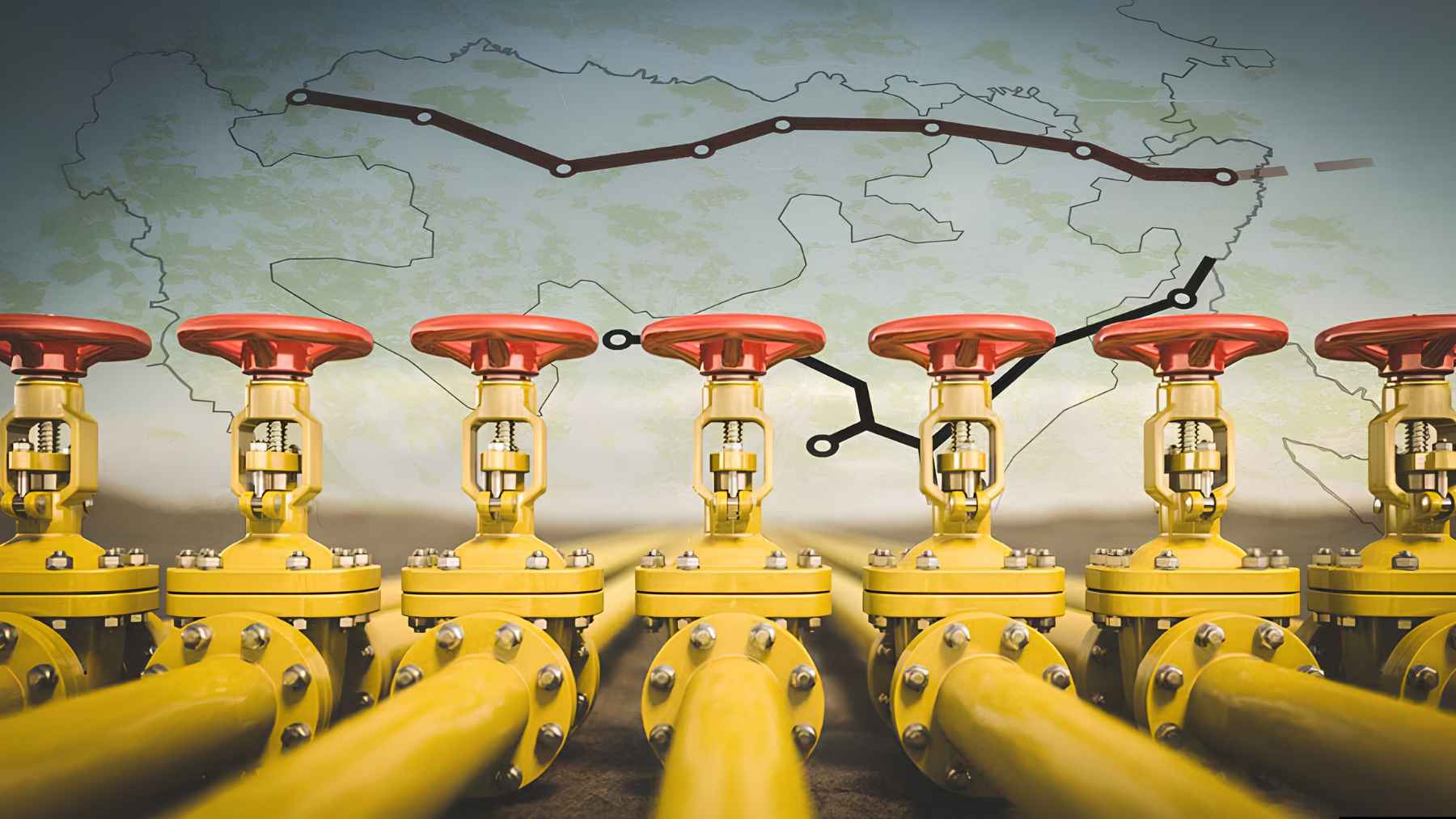 The Southern Interconnection project would connect Bosnia and Herzegovina to Croatia’s LNG-linked gas network through a new regional pipeline route.
Brussels pushes back
The EU’s concern is not that Bosnia wants to diversify away from Russian gas. Brussels has been pushing the region in that direction for years, especially after Russia’s full-scale invasion of Ukraine made energy dependency feel like a security risk, not just a utility problem.
The problem is the way the deal is being structured. EU Ambassador Luigi Soreca warned in an April 13 letter that legislation written specifically for the pipeline could threaten Bosnia’s access to the European energy market and about $1.16 billion in funding under the EU Growth Plan for the Western Balkans.
In simple terms, Brussels wants transparency, competition, and open access to infrastructure. A special law that hands a strategic project to one company without the normal competitive process is exactly the sort of thing EU officials tend to flag, especially for a country still trying to move toward membership.
The route matters
The official Bosnia and Herzegovina statement says the pipeline route would run from Split and Zagvozd in Croatia toward Posušje, Tomislavgrad, Šuica, Kupres, Bugojno, and Travnik in Bosnia, with additional branches toward several other towns.
The Western Balkans Investment Framework describes the planned bidirectional pipeline as about 147 miles long, with around 101 miles in Bosnia and 46 miles in Croatia.
That may sound like a lot of geography, but it matters for everyday life. New gas access can shape how factories run, how towns heat buildings, and how quickly old coal-fired systems can be replaced where gas is used as a transition fuel.
At the same time, bigger pipes can also lock countries into years of fossil-fuel use if cleaner investments lag behind. That is the uncomfortable middle ground Bosnia now faces.
Big capacity, small market
Bosnia’s annual gas imports total roughly 7.9 billion cubic feet, with payments to Gazprom estimated at about $87.7 million per year, according to figures cited by RFE/RL.
The previously discussed pipeline capacity of around 53 billion cubic feet per year would be several times larger than current annual imports, which shows the project is about future expansion as much as replacement.
That does not automatically make it a bad investment. New industrial demand, regional connections, and replacement of aging coal plants could all change the math.
But it does raise a fair question. Is Bosnia building just enough infrastructure to escape Russian gas, or is it building a much larger gas future at the very moment Europe is trying to move faster toward cleaner energy?
The 2028 clock
Timing is everything here. The EU has moved to phase out Russian gas imports, with long-term contracts facing a final cutoff around the start of 2028 under the bloc’s step-by-step approach.
Bosnia is not an EU member, but it is tied into Europe’s energy system and has been working through the accession process. That means Brussels can still shape what happens, especially when money, market access, and future membership are on the line.
For Moscow, the risk is obvious even without a public statement of alarm. If Bosnia can buy gas through Croatia instead of depending on Russian supply routes, one more piece of Russia’s Balkan energy influence starts to shrink.
What happens next
The agreement is a major step, but it is not the finish line. Financing, permits, route details, EU scrutiny, and the role of AAFS all remain central questions before construction can turn political promises into steel in the ground.
Plenković said the project would strengthen “energy security and independence,” while Krišto called the signing “a big day for both countries,” according to AP. Both may be right, but Bosnia now has to prove that independence from Russian gas does not come at the cost of transparency with Europe.
That is the real story. The pipeline could give Bosnia a new energy future, but the rules around it may decide whether that future points toward Brussels, Washington, or another complicated bargain in between.
The official statement was published on the Council of Ministers of Bosnia and Herzegovina.