
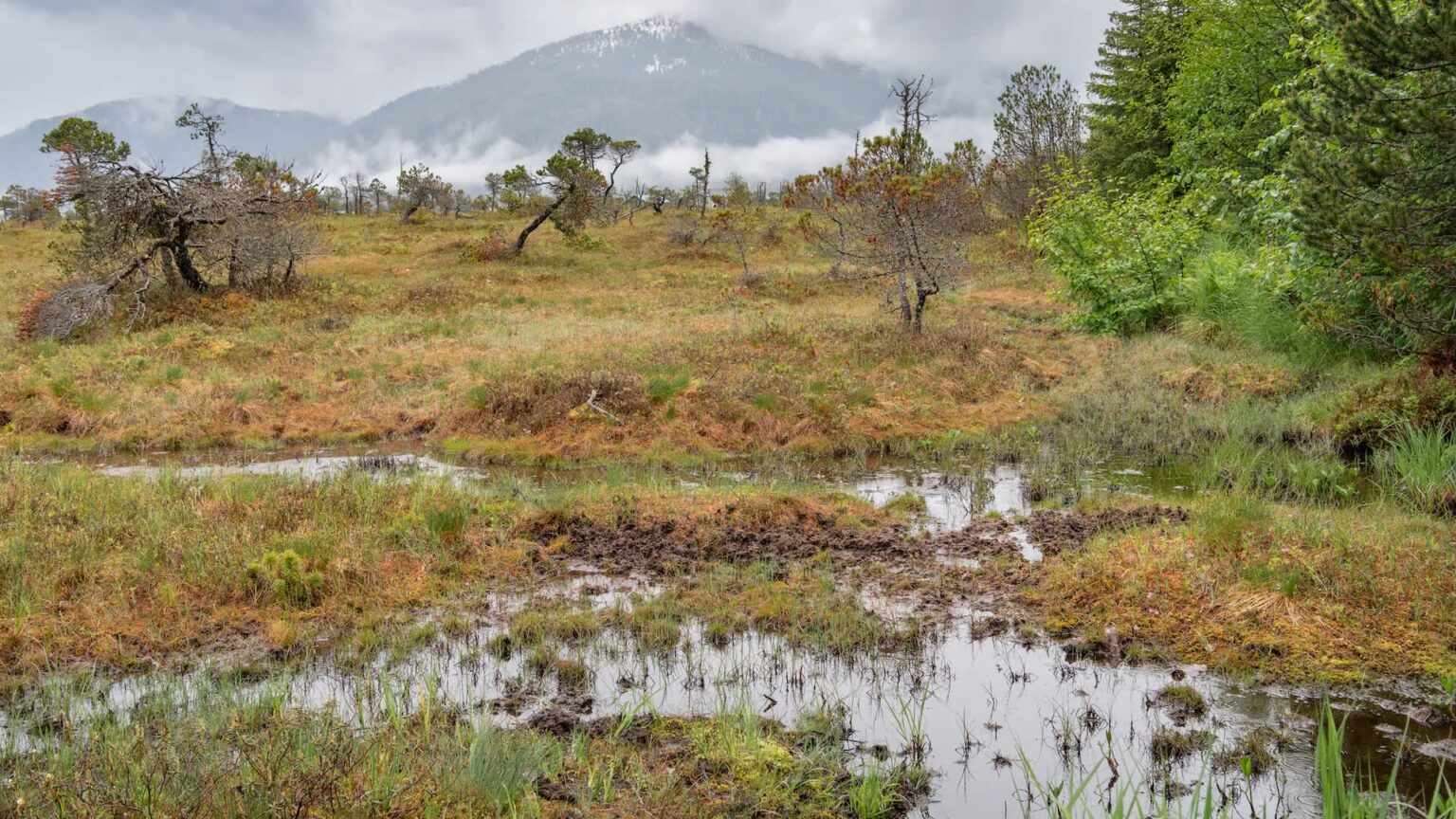
Lithuania is restoring damaged wetlands in a way that could deliver two major benefits at once: helping the climate while also making it harder for a potential Russian invasion to move quickly across the landscape.
According to The New York Times, crews this spring in the Kaišiadorys district, about an hour from Vilnius, have been working to restore peat bogs drained during the Soviet era. That process involves rewetting the land and removing trees. The goal is to bring back the thick, spongy terrain that once defined the area — terrain that stores vast amounts of carbon and is also difficult for heavy armored vehicles to cross.
That combination is what makes the effort stand out.
Peatlands cover only a small portion of the planet, but they store enormous quantities of carbon, often more effectively and for longer periods than forests. Once rewetted, they can return to functioning as long-term carbon sinks.
In Lithuania, those benefits may be especially tangible. Restored bogs could serve as low-cost natural barriers that make it more difficult for tanks and other military vehicles to travel off-road, potentially forcing them onto more predictable paths.
The Lithuanian government plans to restore roughly 6,000 hectares of peatlands as part of a broader “total defense” strategy, which blends military readiness with civilian and private-sector planning, per the Times.

BOBS from Skechers has helped over 2 million shelter pets around the world — and the charity program just announced this year’s Paws for a Cause design-winning sneakers.
These “hound huggers” and “kitten kicks” sneakers are machine washable and equipped with memory foam insoles. Plus, they were designed by passionate students who were inspired by their very own rescue pets.
BOBS from Skechers is also committed to donating half a million dollars to the Best Friends Animal Society this year to help every dog and cat experience the safety and support of a loving home.
The effort also aligns with the European Union’s Nature Restoration Law, which requires member states to develop plans for rebuilding ecosystems and reducing pollution.
It is a notable example of conservation producing practical security benefits, not just long-term climate advantages. Rewetting peatlands can support biodiversity, reduce carbon pollution, and restore landscapes that were altered decades ago for extraction.
Because much of Lithuania’s peat remains underground, officials believe the country has an opportunity to recover some of that lost natural function, the Times noted.
The work remains in its early stages, and restoring a peatland can take years of planning and follow-through. Some residents are skeptical that bogs alone could stop an invasion. But that skepticism also underscores something important: These projects are not being presented as a single solution but as one useful layer in a broader strategy that also benefits the environment.
There is also a community dimension. Restoring peatlands can build long-term resilience in rural areas, turning former extraction sites back into functioning ecosystems and giving residents a direct role in shaping safer, healthier surroundings.
As Lithuanian Vice Minister of Defense Tomas Godliauskas told the Times, restored bogs could become “an integral defensive line” when paired with other strategies.
Richard Hooker, former director of the U.S. National Security Council, told the Times: “The idea that you can use natural obstacles to tie in with man-made obstacles to slow down an attacker is an excellent one.”
“A lot more could be done than has been done, but the early signs anyway are promising,” Hooker added.
Get TCD’s free newsletters for easy tips, smart advice, and a chance to earn $5,000 toward home upgrades. To see more stories like this one, change your Google preferences here.
