
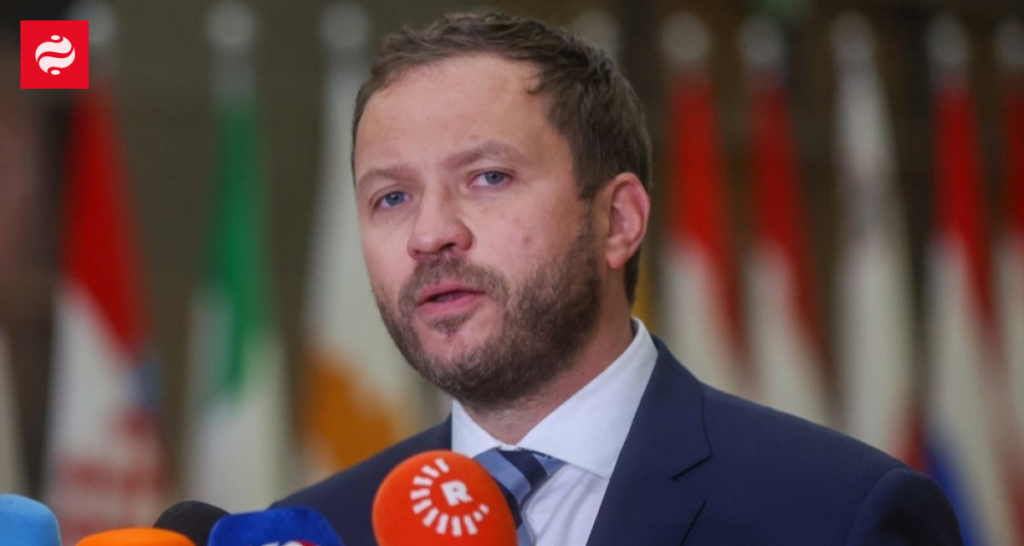
Tsakhkna commented on the situation in the peaceful settlement and the current weakening of Moscow

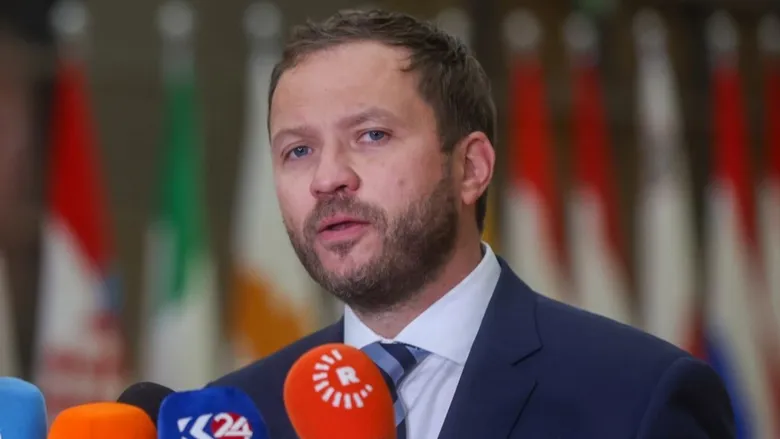 Margus Tsahkna (Photo: Margus Tsahkna / EPA)
Europe should not fall for the Kremlin’s bait and enter into direct negotiations with Russia at a time when Ukraine has gained an advantage in its struggle. This warning was issued by Estonian foreign minister Margus Tsakhna, Bloomberg reports.
Why it is important
After the word “negotiations” ceased to be a taboo in the West, Russian dictator Putin on May 9 called former German Chancellor Schroeder the “best candidate” for mediation. In Europe, this step was seen not as diplomacy, but as a test to see if the West was ready to return to a model of coexistence without changing Russian policies and people who embodied energy dependence on Russia. The question of whether normalization of relations with Russia is possible after Bucha and four years of the Great War, and where exactly European unity may crack, read the analysis by LIGA.net.
The head of Estonian diplomacy said that Moscow has intensified its attempts to establish contacts with European countries amid the deterioration of its economy and military difficulties in making progress in the fifth year of the full-scale invasion. According to the minister, the response should be to strengthen sanctions, not to help Moskva find a way out of the situation.
“Now is not the moment to talk or negotiate. It’s the moment to put pressure on Russia,” the official said.
His warning came as U.S.-led efforts to find a solution to the war have largely stalled, with Washington’s attention absorbed by the war in Iran. Europe has largely remained on the sidelines of the diplomatic process, even though it is increasingly bearing the brunt of the costs of supporting Kyiv. While this situation could potentially create an opportunity for the continent to take the initiative, Tsakhna called this thinking “very dangerous.”
According to him, the Europeans are not very positive about the idea that “everybody is rushing to Moscow” and suggesting that negotiations should begin because it is weaker. According to the official, “it’s not the time” for this.
Tsakhna also said that the Russian dictator Vladimir Putin the Russian military is running out of options, and that multiple rounds of Western sanctions are working. The Russian invasion has failed to make much progress, while inflicting heavy losses on Russian troops, and Ukraine is actively targeting Russian oil production and maritime transportation facilities, including strikes deep inside the country.
The minister also pointed to the growing discontent within Russia due to interruptions in mobile Internet and problems in the economy, as well as shortened military parade in Moscow on May 9 as potential signs of vulnerability.
Recently, Putin lost an important ally in the European Union Viktor Orban, who has visited Moscow several times in recent years, lost his post as prime minister of Hungary after losing the election. This allowed the EU to adopt another package of sanctions against Russia and approve a €90 billion soft loan for Ukraine, which had previously been blocked by Budapest.
“The tone has changed. Everybody understands that now it is the right time to push Russia. The broader picture is we see that Russia is in a shaky position now,” Tsakhna said.
Since the beginning of Russia’s great war against Ukraine, attempts to resume a dialogue with Moscow have been intensifying and weakening.
- In February, a diplomatic adviser to the French president, Bonn, visited Moscow. According to the FT’s sources, the Kremlin reacted negatively to Paris’ attempts to negotiate European participation in the peace talks.
- In March, European Council president Costa said that the EU should be ready to replace the United States in negotiations with Russia, when the time comes.
- In May, Finland’s leader said that Europe should start independent negotiations with Russia in the context of the US policy towards Russia and Ukraine does not meet the interests of the continent.