
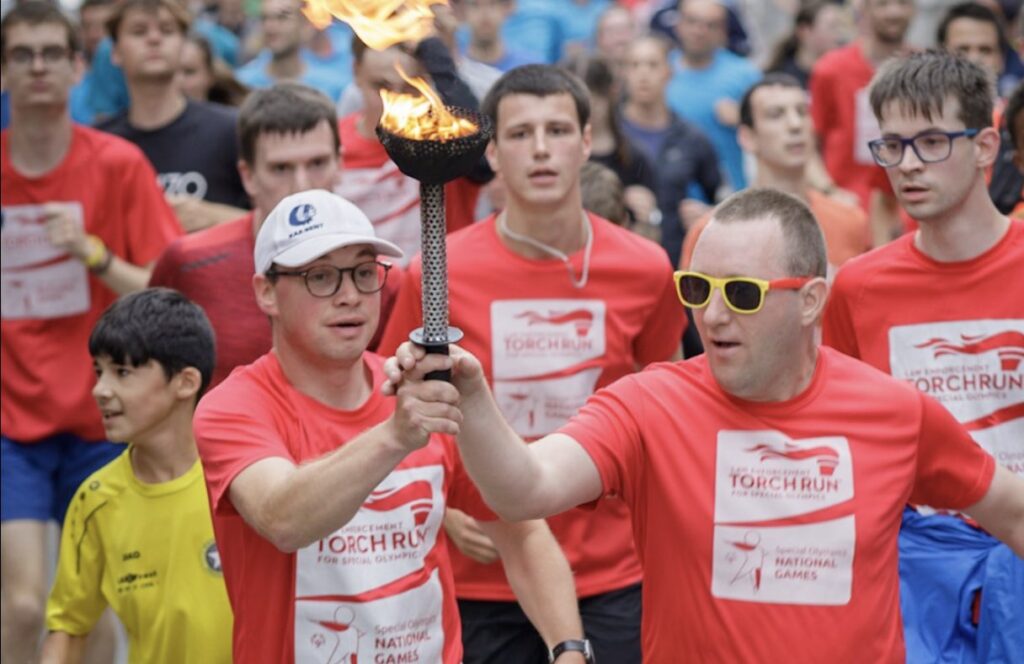
Over four remarkable days in the High Fens region of Wallonia, more than 3,500 athletes gathered alongside 1,200 coaches and around 1,800 volunteers in what became not merely a sporting competition, but a celebration of resilience and inclusion at its very finest. Competitions were staged across Malmedy, Eupen, Spa, Bütgenbach, Theux and Elsenborn, transforming the region into a festival of positivity and shared endeavour.
The organisers deserve enormous praise for delivering an event of such scale and warmth. To host thousands of competitors across 19 sporting disciplines is no small undertaking under any circumstances. To do so while maintaining an atmosphere of joy, dignity and encouragement is an achievement worthy of national recognition.
Too often in modern sport, attention is lavished upon celebrity, controversy and financial excess. The Special Olympics National Games offered a timely and deeply moving reminder of what athletics should represent: participation, effort, camaraderie and the simple exhilaration of doing one’s best.
From athletics and swimming to basketball, football, triathlon and equestrian competition, every venue in the High Fens pulsed with enthusiasm. Families travelled long distances to cheer on loved ones. Volunteers worked tirelessly behind the scenes. Coaches offered constant encouragement. Local communities embraced the competitors with generosity and affection.
Yet the true stars, naturally, were the athletes themselves.
Every single competitor who took part deserves heartfelt congratulations. Winning medals matters, of course, and more than 6,900 were awarded during the Games, including a number of fair play honours. But these Games represented something far greater than podium finishes.
For many athletes with intellectual disabilities, participation in elite sporting environments still requires overcoming barriers that others rarely even notice. Obstacles surrounding accessibility, opportunity and social perception remain stubbornly present across much of Europe. Events such as these challenge those barriers directly and powerfully.
The courage shown by the competitors was extraordinary. Some arrived as seasoned participants. Others faced the nerves of major competition for the first time. All demonstrated remarkable determination.
There is something profoundly uplifting about watching athletes compete not for fame or fortune, but for the sheer love of sport and the pride of representing themselves, their families and their communities. The atmosphere generated throughout the Games appears to have been one of pure encouragement — a refreshing contrast to the cynicism that too often infects professional sport.
The setting itself added to the occasion. The High Fens, with its rolling landscapes and welcoming towns, proved an inspired choice for Belgium’s largest sporting event for athletes with intellectual disabilities. It was the first time the region had hosted the National Games, and by every account it rose magnificently to the challenge.
Particularly commendable was the emphasis placed upon athlete wellbeing. The Healthy Athletes programme provided specialised health screenings tailored to competitors’ needs, with around 1,000 athletes benefiting from medical checks during the Games. It was a reminder that inclusion extends beyond sport itself and into broader questions of healthcare, dignity and social support.
Dominique Dehaene, national director of Special Olympics Belgium, captured the spirit of the occasion perfectly when describing the Games as “much more than a sporting competition”. He was absolutely right.
Indeed, the success of the event sends a powerful message not merely to Belgium, but to Europe as a whole. At a time when public debate can feel relentlessly divided and negative, the National Games demonstrated the extraordinary good that can still be achieved when communities unite around compassion and common purpose.
The volunteers deserve immense gratitude. Large sporting events succeed or fail on the dedication of those willing to give their time freely, often with little recognition. The hundreds of individuals who assisted competitors, guided visitors and ensured the smooth running of venues contributed directly to the uplifting atmosphere that defined the week.
Equally, the families and supporters who stood proudly on sidelines throughout the Games formed an essential part of this success story. Their encouragement, patience and belief created the emotional heartbeat of the competition.
But above all else, these Games belonged to the athletes.
Every runner who crossed a finish line. Every swimmer who entered the pool. Every footballer, cyclist, gymnast and basketball player who gave everything for their team and themselves deserves recognition and admiration.
Each competitor embodied something admirable: perseverance.
In an age obsessed with instant success and superficial celebrity, the Special Olympics National Games reminded everyone watching of a far more important truth — that genuine greatness is often found not in victory alone, but in the courage to compete at all.
Click here for more News & Current Affairs at EU TodayClick here to check out EU TODAY’S SPORTS PAGE!
___________________________________________________________________________________________________________________
Post Views: 1,047