
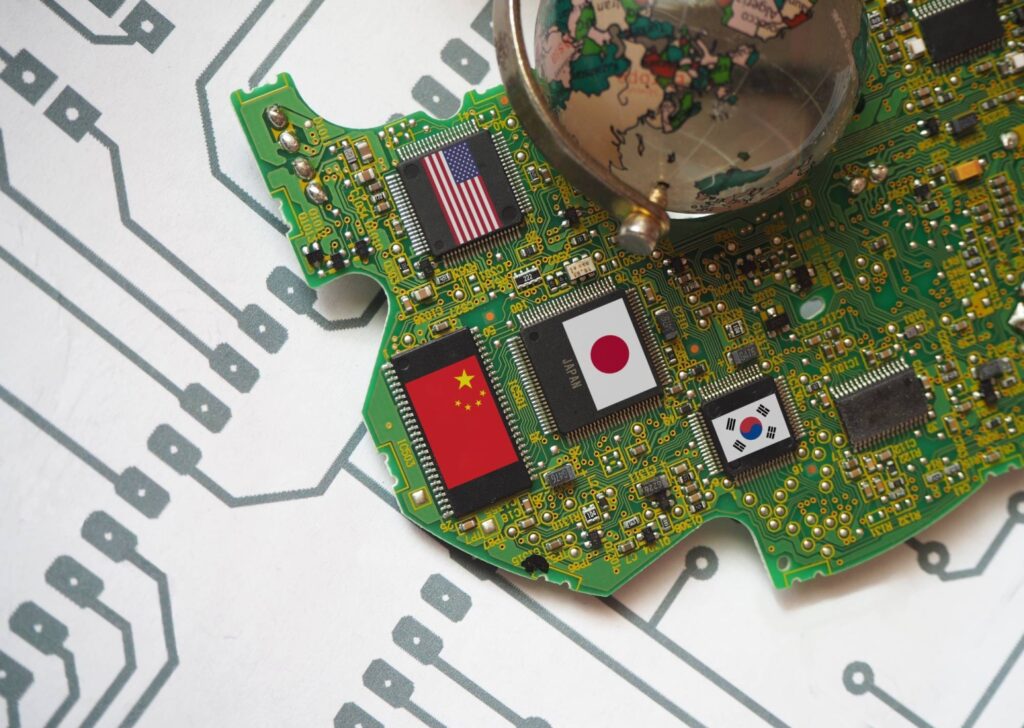
U.S. President Donald Trump’s recent trip to Beijing offers a timely moment to assess the upheaval in U.S. trade relations since the start of his second term in January 2025.
The reciprocal tariffs introduced by the Trump administration in April 2025 jolted the global economy and triggered wide-ranging diplomatic and economic consequences. As negotiations unfolded, countries were forced to confront a central question: What constitutes strategic economic strength and how can it be protected or leveraged?
Japan’s automobile industry, Taiwan’s semiconductor sector and South Korea’s shipbuilding industry quickly emerged as prominent examples.