
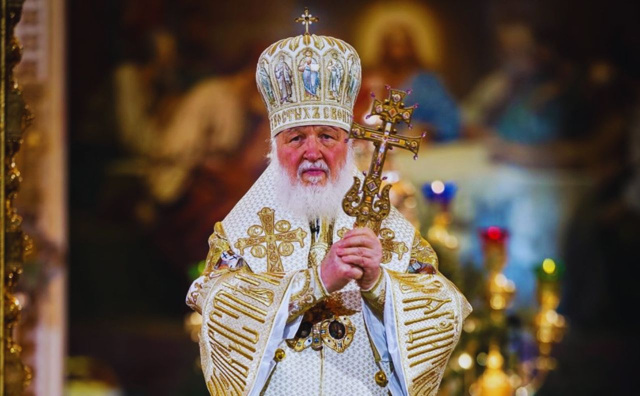
EU member states are preparing a limited new sanctions package that could mark a shift in Hungary’s stance toward Moscow, including potential support for measures against Russian Orthodox Patriarch Kirill and other previously blocked figures, Euronews reports
According to EU officials, ambassadors are expected to review a “mini” sanctions list this week covering around ten individuals and several Russian-linked vessels. The proposal comes as Budapest signals it may no longer obstruct certain listings it previously opposed under former Prime Minister Viktor Orbán.
Patriarch Kirill, head of the Russian Orthodox Church, was first targeted by the EU in 2022 over accusations of endorsing Russia’s invasion of Ukraine and spreading pro-Kremlin narratives. However, Hungary blocked his inclusion at the time, citing concerns over religious freedom.
That position now appears to be shifting under the country’s new political direction. EU sources say the current Hungarian leadership is prepared to allow Kirill’s designation, potentially ending a long-standing veto that prevented his addition to the bloc’s sanctions list.
A close ally of new political leader Péter Magyar, Márton Hajdu, outlined conditions for Hungary’s revised approach. “Sanctions that undermine Hungary’s economic stability are an absolute no-go,” he said, adding that Budapest would not obstruct joint EU measures aimed at increasing pressure on Russia where no national economic interests are at stake.
The revised package could also restore names previously removed from sanctions lists at Hungary’s insistence, including Russian Sports Minister Mikhail Degtyaryov and businessman Viatcheslav Kantor. EU diplomats say adjustments to listings are a routine part of negotiations, as unanimity among member states is required.
A separate component of the proposal targets elements of Russia’s so-called “shadow fleet” – vessels allegedly used to bypass Western restrictions on oil exports. These ships have been linked to deceptive practices such as falsified flags and inadequate insurance, and in some cases suspected of environmental risks and sabotage activities. Several European states, including France, Sweden, and Poland, have recently taken action against such vessels through inspections and boarding operations.
EU foreign policy chief Kaja Kallas has urged faster, incremental action against these networks rather than waiting for larger sanction rounds. “We are not putting together big packages, but as soon as we identify the ships, we put them on the list,” she said, describing a shift toward a rolling sanctions mechanism.
Ambassadors are expected to begin formal discussions later this week, with a possible agreement targeted for the Foreign Affairs Council on June 15. The broader 21st sanctions package is anticipated in June, with final approval potentially following by mid-July.
In parallel, EU institutions are also examining procedural changes that would extend sanctions renewal cycles from six months to one year, a reform long opposed by Hungary under Orbán due to its implications for veto leverage within the bloc.