
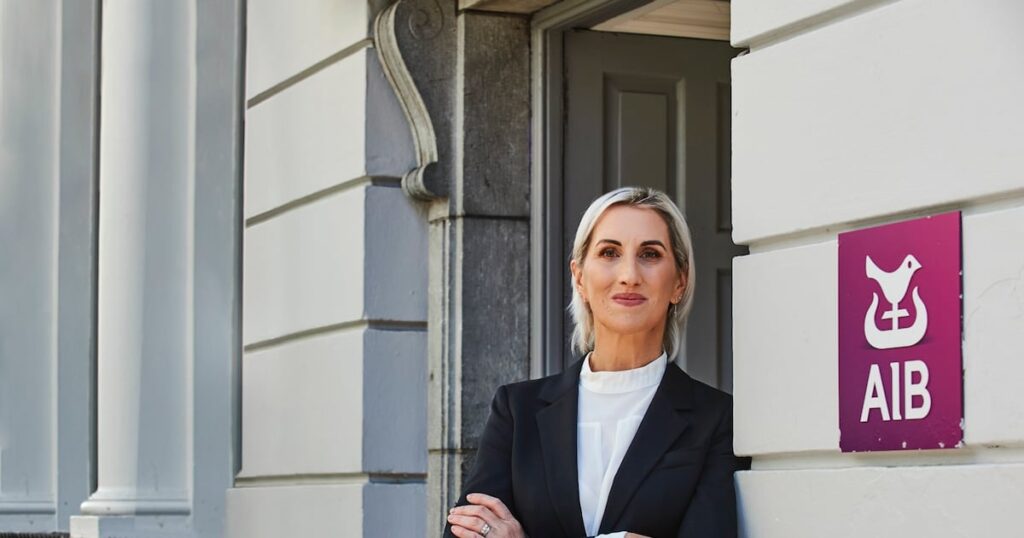
AIB and Bank of Ireland have joined a consortium of 37 European banks that are developing a euro-backed stablecoin, a digital asset that it says will allow it to offer Irish consumers and investors new methods of payment and settlement.
Called Qivalis, the joint venture was established in September last year and is targeting the second half of 2026 for its product launch.
Today, 25 new European banks, including AIB and Bank of Ireland, are joining the consortium, which was initially set up by 12 big European lenders, including France’s BNP Paribas, Spain’s BBVA and CaixaBank and Dutch lender ING.
The group intends to develop a regulated stablecoin, denominated in euro and backed by bank deposits and other assets, so as to maintain a stable price.
Stablecoins are similar to crypto assets. However, unlike bitcoin and ethereum, which are subject to wild value fluctuations, they are often pegged 1:1 to the value of a traditional asset, typically a currency like the US dollar.
AIB and Bank of Ireland said the stablecoin will be fully compliant with the European Union’s Markets in Crypto Assets Regulation (MiCAR), which came into force in the summer of 2023.
“We are investing in this consortium because we believe Europe needs trusted, regulated innovation in payments and settlement,” said Geraldine Casey, managing director of retail banking at AIB.
“Qivalis will provide access to a euro-denominated stablecoin that is being developed to operate within the EU regulatory framework.
“This is a practical step for AIB to learn, innovate, test and collaborate with other leading European banks, to help shape how new forms of digital money can be used safely, responsibly and within the regulated banking system.”
Billy O’Connell, chief strategy officer at Bank of Ireland, said: “Through this initiative, Bank of Ireland is advancing innovation to deliver real benefits for customers, strengthen Europe’s financial infrastructure, and support the responsible development of digital money.
“In doing so, we are helping to shape the future of how money moves, while supporting our ambition of offering unrivalled financial choice – now and for generations to come.”
When a user deposits money into an account, they are issued an amount of the stablecoin in a digital wallet, which can then be used for transactions.
The issue or “minting” of the tokens, as well as any transactions or transfers of the tokens between users, are logged on a public ledger on the blockchain.
For users, stablecoins should, in theory, cut the cost of cross-Border transactions, although it is unclear what fees, if any, Qivalis will charge. The joint venture will generate most of its revenue from the yield on the assets Qivalis holds in reserve, with dividends paid to the member banks from that.
Jan-Oliver Sell, chief executive of Qivalis, said the expansion of the consortium “marks a giant leap toward an open and compliant on-chain ecosystem for the euro”.
The European Central Bank is in the process of developing a digital euro, which is not a stablecoin but rather a digital representation of the euro currency.