
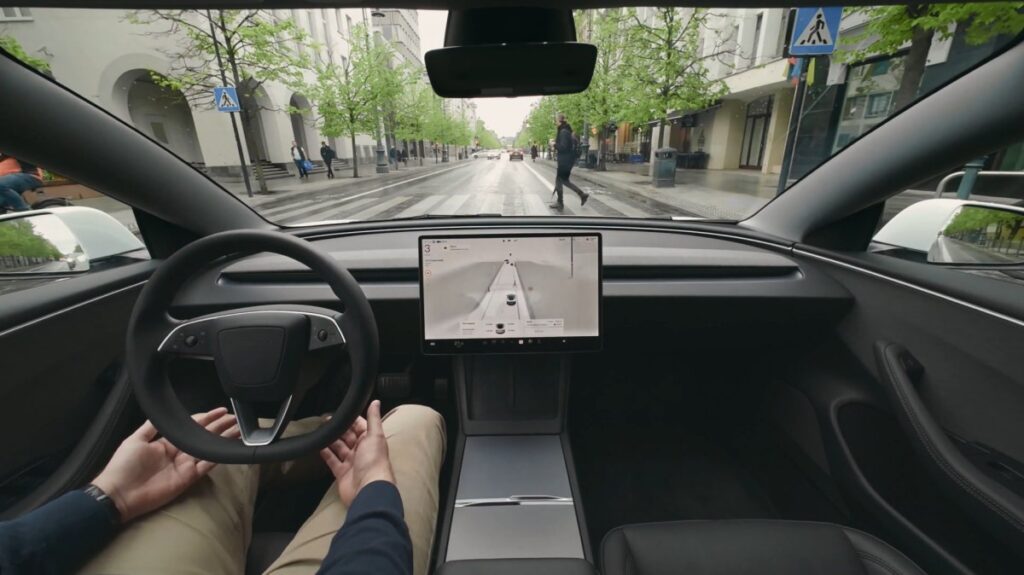
Tesla has surprised the European automotive community by expanding its advanced driver-assistance software into a brand-new Baltic market. The automaker has officially launched its Full Self-Driving (Supervised) system in Lithuania, making it only the second nation in the European Union to green-light the technology for public roads.
The official @teslaeurope account on X confirmed the deployment, posting that FSD is “making European roads safer, one by one.” While momentum for a wider European release has been building steadily in several countries, Lithuania managed to hop over its larger neighbors to welcome the software onto its streets.
FSD Supervised now rolling out to Teslas in Lithuania 🇱🇹!
Making European roads safer, one by one pic.twitter.com/Uuj0bNG7pP
— Tesla Europe, Middle East & Africa (@teslaeurope) May 20, 2026
Leveraging the Dutch Domino Effect
Lithuania’s sudden activation is a direct result of a landmark regulatory decision. Last month, the Netherlands became the first EU nation to grant approval, clearing the way for Tesla to start rolling out FSD to public testers in the country. Because much of the EU looks toward the Dutch vehicle administration (RDW) to lead automotive type-approvals, Tesla leadership and enthusiasts believed the Dutch decision could create a powerful global domino effect.
We are already seeing this strategy bear fruit. While countries like Belgium are fast-tracking approvals, Sweden is expanding public testing, and Tesla remains in talks for approval in Ireland, Lithuania utilized EU Regulation 2018/858 to legally recognize the existing Dutch assessment at a national level.
In an official press release from Lithuania’s Ministry of Transport and Communications, Minister Juras Taminskas celebrated the milestone, stating, “Lithuania is among the first in Europe where cars can now drive themselves. These technologies can already make a real contribution to safer and more comfortable driving, especially on longer journeys or in monotonous traffic.” However, Taminskas heavily emphasized that the driver remains fully responsible when FSD is engaged.
Hardware Limitations and the European UI
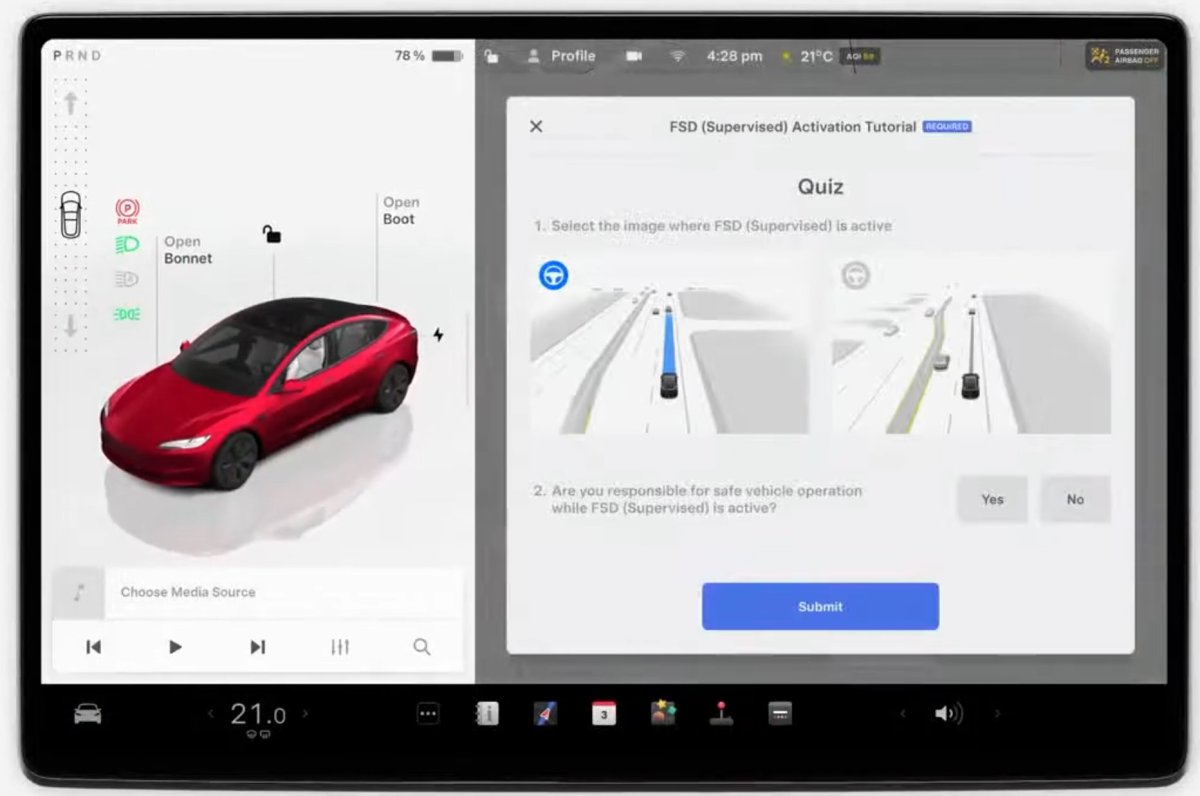
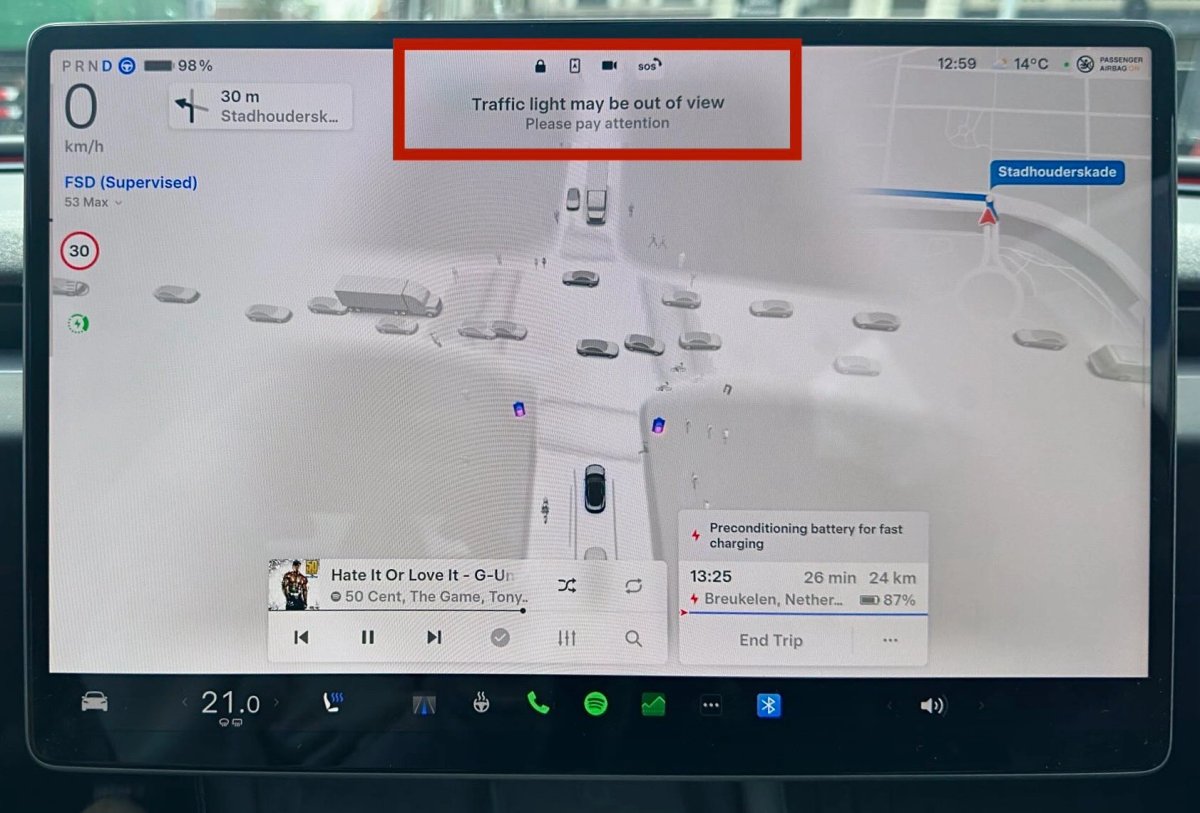
The rollout shouldn’t catch close industry watchers completely off guard, as Tesla previously began hiring FSD vehicle operators in Lithuania to map local roads last month. Teslas running the software in the region will experience a slightly customized European version of FSD with specific user interface changes tailored to comply with local traffic laws.
@tesla_jokes on X
@KRoelandschap
@TSLA_inside_
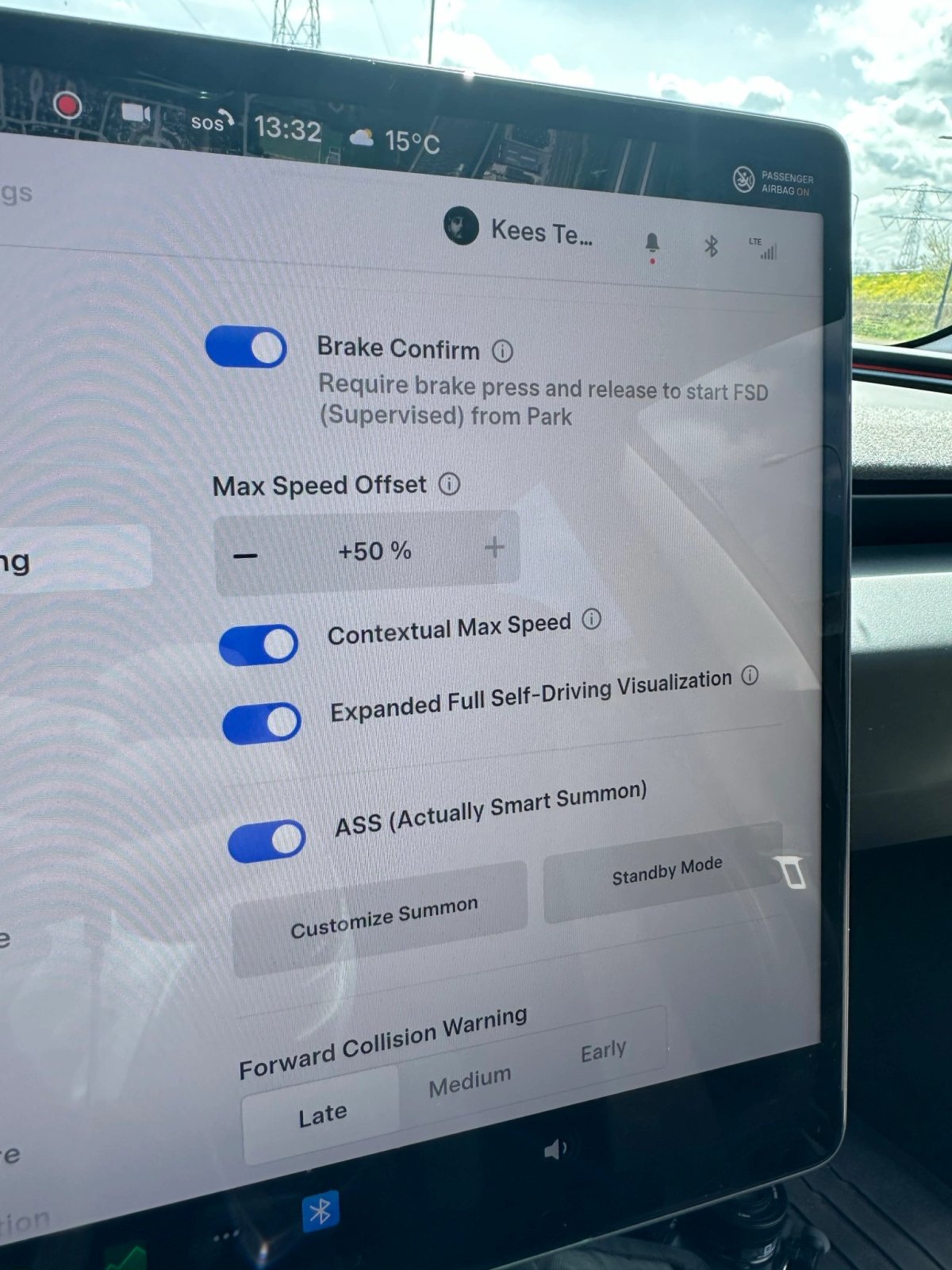
@KRoelandschap
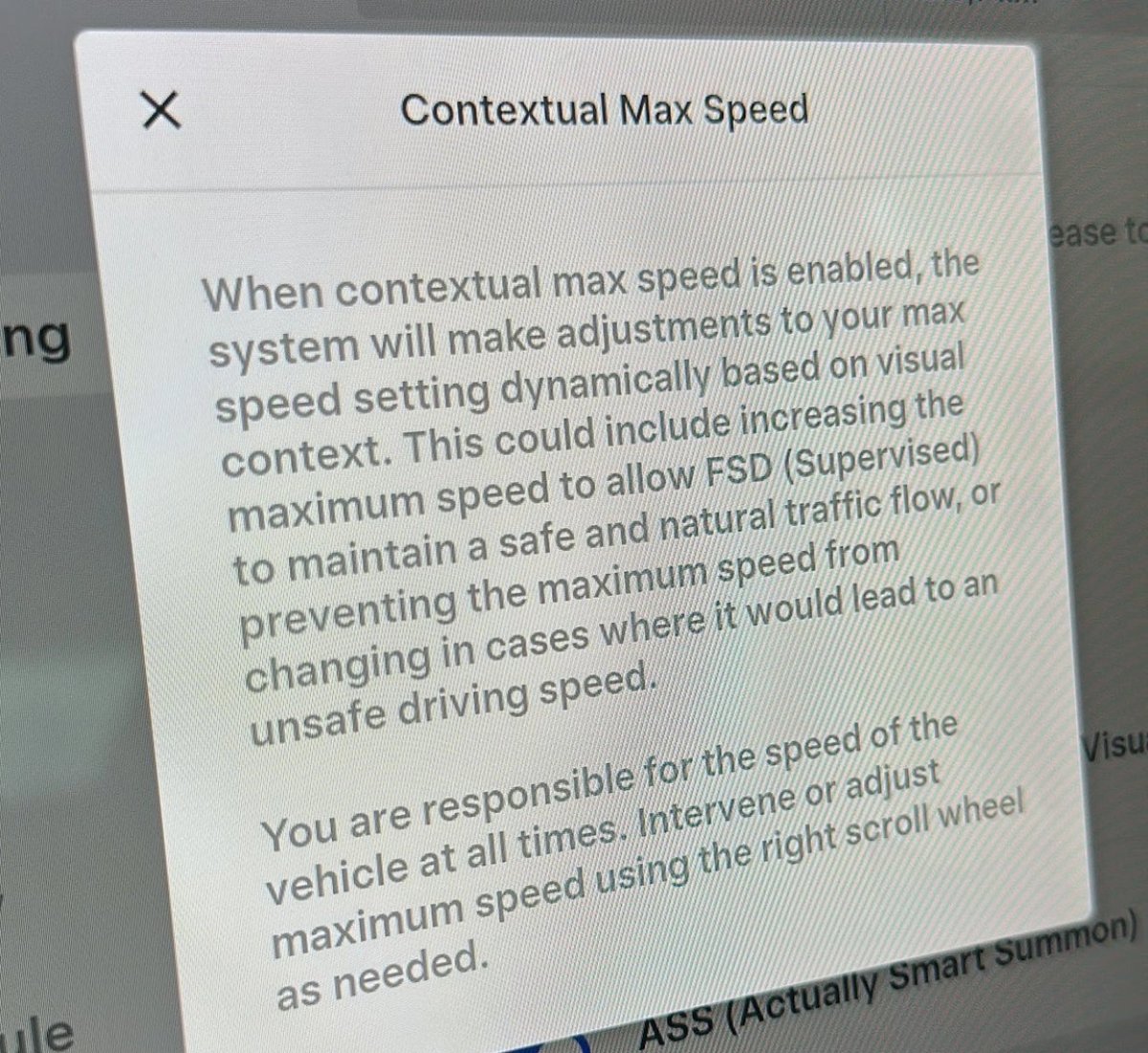
@niccruzpatane
Swipe to browse photos
Click the arrows to browse
1 / 5
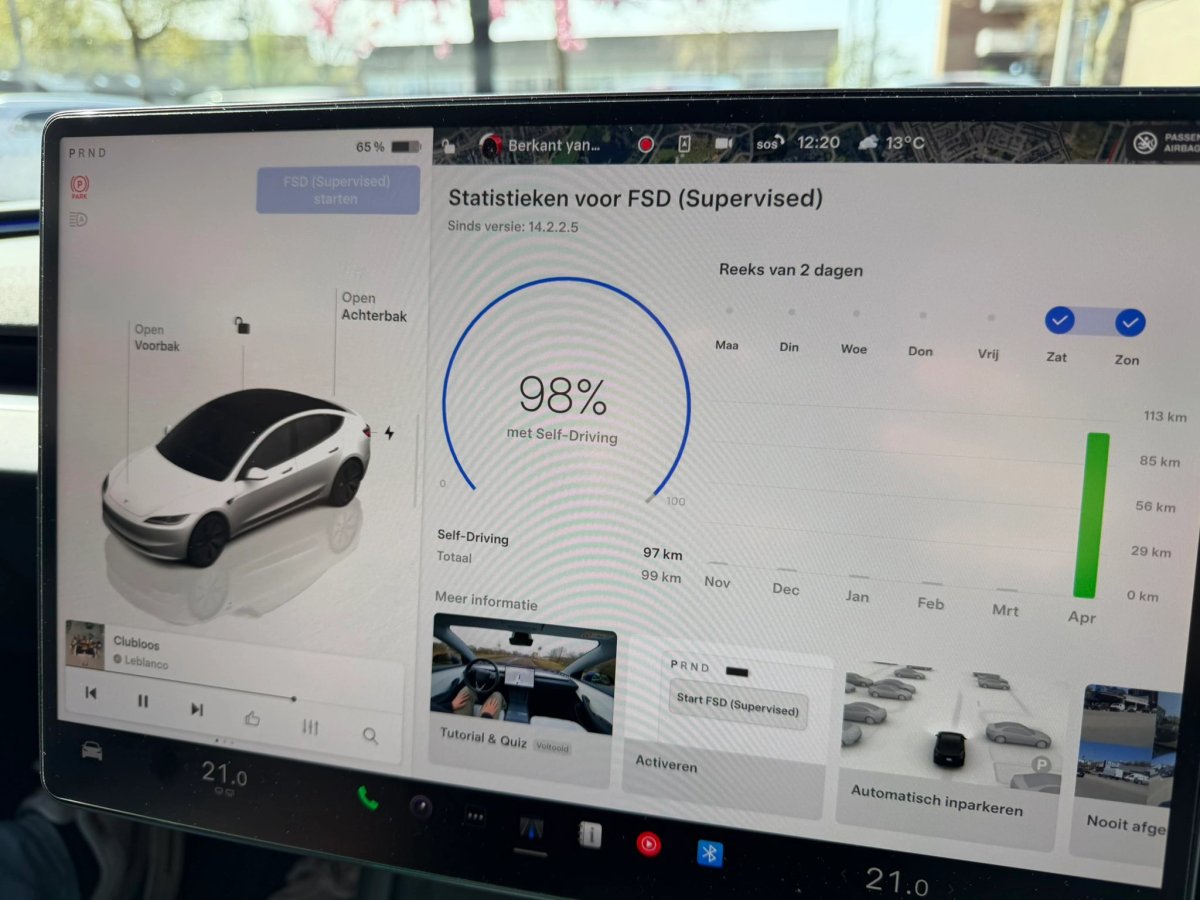
Similar to the rollout in the Netherlands, the system is initially restricted to newer vehicles equipped with Hardware 4 (AI4) suites. Owners driving older Hardware 3 vehicles will have to sit tight until later this summer, which is when Tesla plans to launch a specialized “FSD v14 Lite” build to accommodate the computing limits of the older hardware.
A Looming Midnight Deadline
The timing of Lithuania’s approval is a bit dramatic for local Tesla owners. Tesla is officially ending one-time FSD purchases across Europe tomorrow, Thursday, May 21, 2026. This means tonight is the absolute last chance for owners to buy a perpetual license outright before Tesla transitions the entire European market to a subscription-only framework.
As the Baltic nations of Latvia and Estonia recently signed a cooperative memorandum with Lithuania to foster autonomous transport, the region is quickly transforming into a premium testbed for next-generation driving tech. Lithuania now marks the ninth country globally to activate FSD (Supervised), joining a list that already includes the U.S., Canada, Mexico, South Korea, China, Australia, New Zealand, and the Netherlands. Tesla’s scalable neural networks appear to be gaining massive traction outside of North America, and an EU-wide rollout could be right around the corner.