
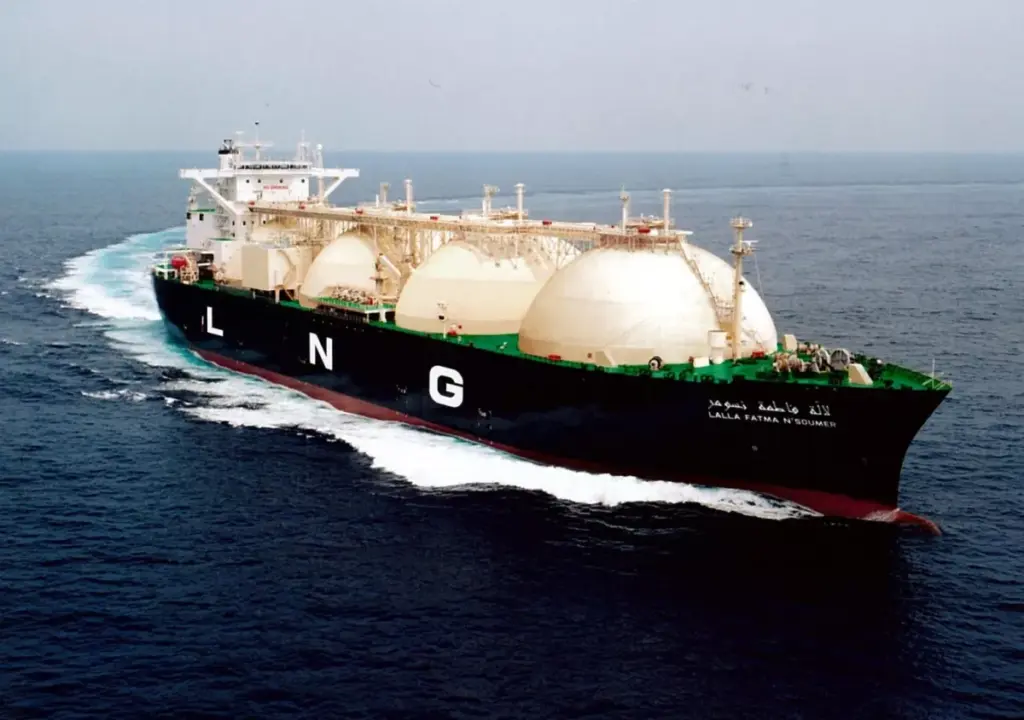
QatarEnergy and ExxonMobil have signed an agreement with Egypt to transport natural gas from offshore Cyprus fields through Egyptian infrastructure for liquefaction and export to Europe — a move analysts say further cements Egypt’s position as the Eastern Mediterranean’s emerging energy hub.
The agreement, signed on May 21 with Egypt’s Ministry of Petroleum and Mineral Resources (Egypt), outlines plans to explore development and export options for Cypriot offshore gas using Egypt’s existing pipeline and liquefaction network, as reported by Euronews.
QatarEnergy said the deal would focus on identifying future commercial opportunities built around Egypt’s established gas infrastructure, which already supplies both domestic demand and international export markets.
Seeing as Cyprus lacks its own liquefaction terminals, gas produced from offshore fields must be transported underwater to Egypt, where it is processed into liquefied natural gas (LNG) before being shipped onward to European buyers.
Cyprus has spent more than a decade trying to turn its offshore discoveries into export revenue, and President Nikos Christodoulides described the latest approvals as a major milestone, marking a shift from exploration toward commercial production and exports.
Egypt is already playing a central role in that transition. In April, partners in Cyprus’s Aphrodite field signed a 15-year agreement to sell all recoverable gas from the reservoir to the Egyptian Natural Gas Holding Company, with an option to extend the contract for a further five years.
Taken together, analysts point out how these agreements underscore Egypt’s growing role as the primary export route for Cypriot gas.
The latest deal also builds on QatarEnergy’s wider partnership with ExxonMobil in Cyprus, particularly in offshore exploration blocks. The two companies jointly operate Block 10, where the Glaucus discovery — made in 2019 — is estimated to contain around 3.7 trillion cubic feet of gas, making it one of Cyprus’s most significant finds.
A second discovery in the same block, Pegasus, was identified in 2025. In March, the consortium declared both fields commercially viable, with combined estimated reserves of around 7 trillion cubic feet.
By Nazrin Sadigova