
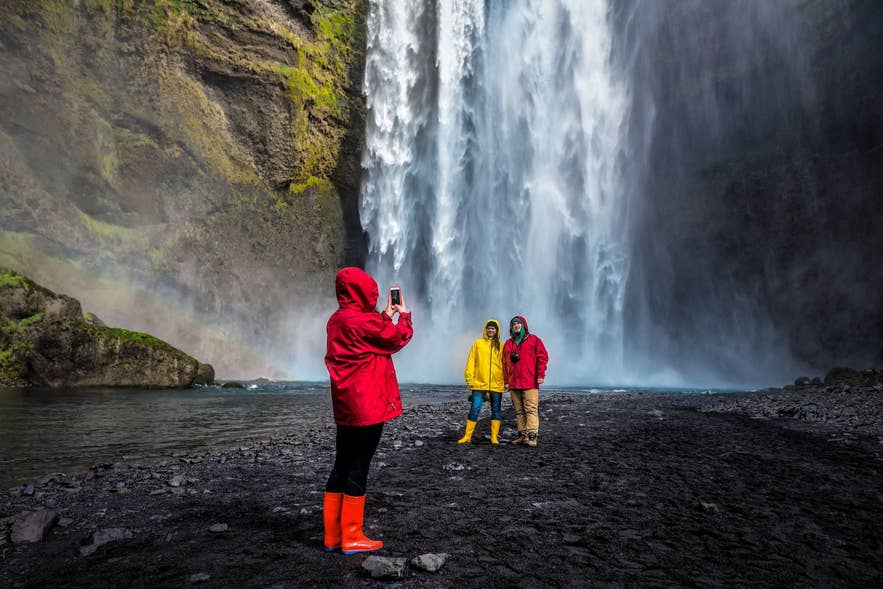
 Iceland’s worst-kept secret is that even locals have a list of complaints about the place. Knowing them before you arrive makes for a better trip. Here are the quirks, gripes, and cultural oddities that make life in Iceland equal parts charming and quietly maddening.
There’s no shortage of reasons to visit and explore Iceland. The waterfalls live up to the hype, and so do the northern lights. But spend enough time here, and you’ll discover that everyday life in Iceland comes with its own cast of frustrations that visitors discover the hard way.
Guide to Iceland is the most trusted travel platform in Iceland, helping millions of visitors each year. All our content is written and reviewed by local experts who are deeply familiar with Iceland. You can count on us for accurate, up-to-date, and trustworthy travel advice.
Every place has its quirks. Iceland’s just happen to be particularly Icelandic. In the spirit of honest travel insights, this list takes a whimsical look at some of the most bothersome aspects of life and travel in Iceland.
These are things locals know well and visitors rarely see coming. None of it is a dealbreaker, but all of it is worth knowing before you go.
 ▶” title=”Top 10 Worst Things About Iceland – video” style=”border: 0px; overflow: hidden;” class=”lazyload”>
Key Takeaways
-
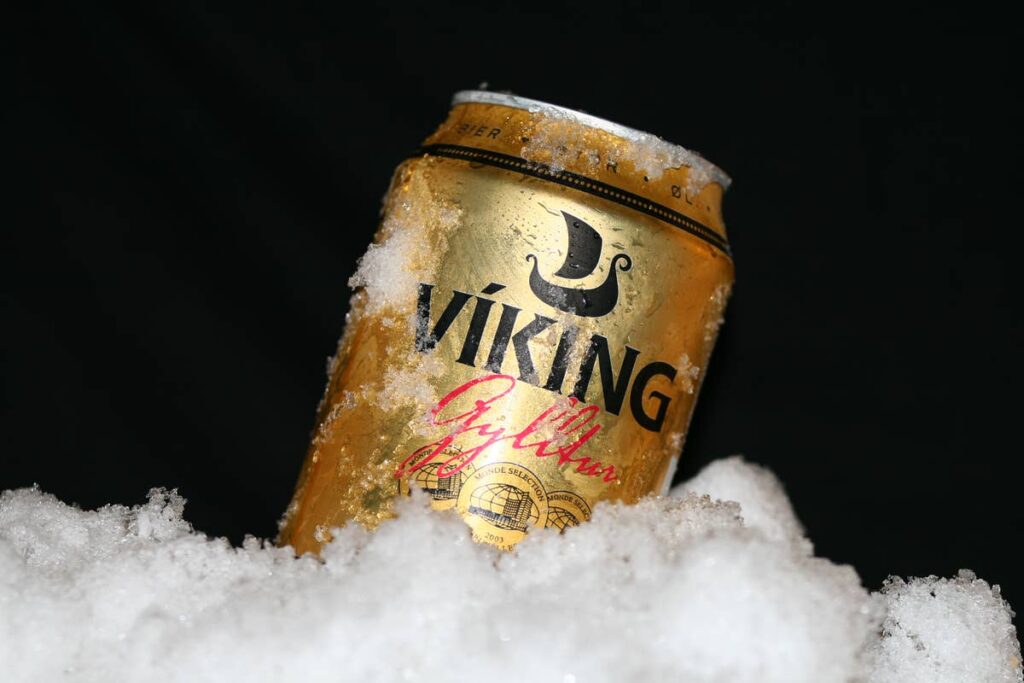
Alcohol is only sold at government-run shops, which close as early as 6:00 PM. Stock up at the duty-free at Keflavik Airport on arrival.
-
With a population of under 400,000, Iceland feels even smaller than it looks on a map. Expect to run into the same faces more than once.
-
A sunny day in Iceland is practically a social obligation. Locals feel genuine pressure to drop everything and make the most of it.
-
The weather can shift from sunshine to snow within the same afternoon. Layers are non-negotiable, no matter the season.
-
Leaving the island requires a flight or a long ferry ride, which makes spontaneous weekend trips abroad considerably more expensive than in mainland Europe.
10. Limited Product Variety
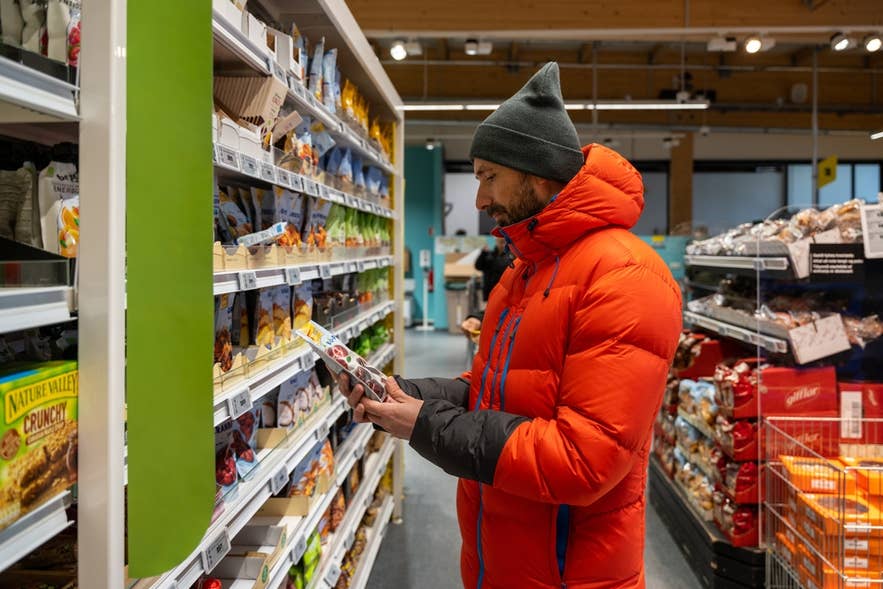 Iceland is a small, isolated country at the very edge of the Arctic, where (almost) no trees grow and nearly everything else has to be shipped in. The best selection is in Reykjavik, at stores like Krónan, but once you leave the capital, the goods you’re looking for become harder to find.
With a population of under 400,000, demand for most products is met by a narrow range of options. You may find one version of a given item on the shelf, or none. Fresh fruit, electronics, international clothing brands, furniture — the categories exist, but the choice within each is thin.
Thankfully, the restaurant scene in Iceland tells a completely different story. Iceland’s local food culture is worth exploring on its own terms, and the Reykjavik Food Walk is one of the best introductions to it.
Reykjavik punches well above its weight internationally, with everything from Vietnamese and Korean to Ethiopian and Turkish all within easy reach. Plenty of the best restaurants in Reykjavik also offer vegan and vegetarian options. Finding gluten-free food in Iceland is also easier than you’d expect.
9. Trend Takeovers in a Small Market
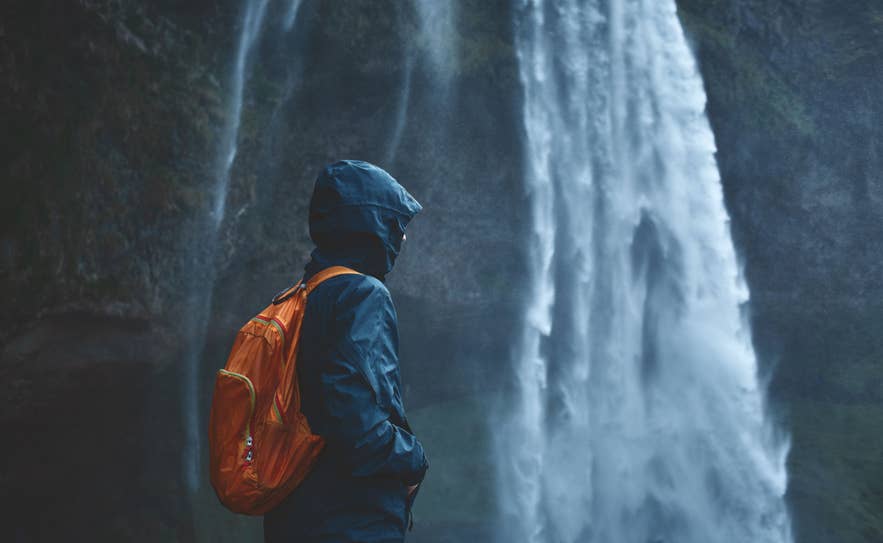
In a country as small and connected as Iceland, trends tend to sweep across the nation almost overnight. When a particular product becomes popular, it often sells out within days, leaving many eager shoppers scrambling to get their hands on the latest must-have item.
Over the years, Iceland has seen a wide range of nationwide crazes. At one point, everyone was wearing “kraftgalli” dark blue overalls. Buffalo shoes were all the rage in the ’90s, foot massage machines were popular in the ’80s, and in more recent years, SodaStream machines, Omaggio vases, and air fryers have each enjoyed their time in the consumer spotlight.
It’s all part of the charm and the challenge of living in a close-knit society. When something becomes popular in Iceland, it tends to become very popular, very fast.
The flip side is that when Icelanders get behind something with lasting merit, it shows. Icelandic design is a good example of that.
8. State-Run Liquor Stores
 After a long day of sightseeing in Iceland, a cold beer or glass of wine might sound like the perfect way to unwind. But those spontaneous cravings can be tricky to satisfy. Alcohol sales in Iceland are strictly regulated and limited to government-run stores known as Vinbudin.
These shops have restricted opening hours, typically closing by 6 PM on weekdays and even earlier on weekends. Outside of those hours, the only way to enjoy an alcoholic beverage is by visiting a bar or restaurant, where prices can be significantly higher.
Due to high import taxes, alcohol in Iceland is fairly expensive. That’s why many travelers take advantage of the duty-free shop at Keflavik International Airport upon arrival. It’s often the most affordable opportunity to stock up for a stay in the country.
Reykjavik has a solid bar scene, and if the craft beer pubs are not within budget, there are plenty of wallet-friendly happy hour spots to fall back on.
7. Everyone Knows Everyone (Really)
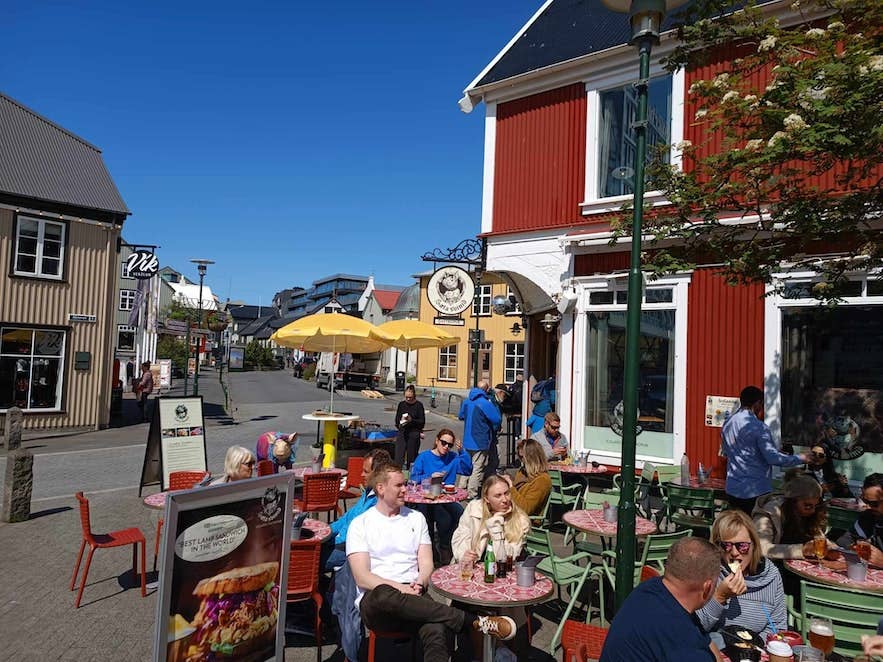 With a population of almost 400,000 people, Iceland is one of the smallest countries in Europe, and it feels even smaller in everyday life. Outside of Reykjavik, communities are very tight-knit, but even in the capital, social circles often overlap in surprising ways.
Personal news travels fast, intentionally or not. From creative projects to social events, little remains under the radar for long.
Public performances, publications, and personal milestones tend to receive widespread attention. Even casual interactions often reveal surprising connections through shared schools, distant family ties, or mutual acquaintances you’d never have guessed.
This tightly woven social fabric can make privacy difficult to maintain. It’s no surprise that many Icelanders enjoy traveling abroad, not just for a change of scenery, but for a bit of welcome anonymity.
6. Social Circles Are Hard to Escape
 In a country with such a small population, the boundaries between public and private life can blur. One consequence of Iceland’s close-knit society is that social encounters often repeat themselves frequently and in unexpected places.
Familiar faces tend to appear everywhere, whether at a café, concert, or grocery store. While this can foster a strong sense of community, it also means that less-welcome encounters, such as seeing former colleagues, ex-partners, or distant acquaintances, are almost inevitable.
This social density is a distinctive feature of daily life and can be an especially difficult challenge for native Icelanders.
5. Getting Away Isn’t Always Easy
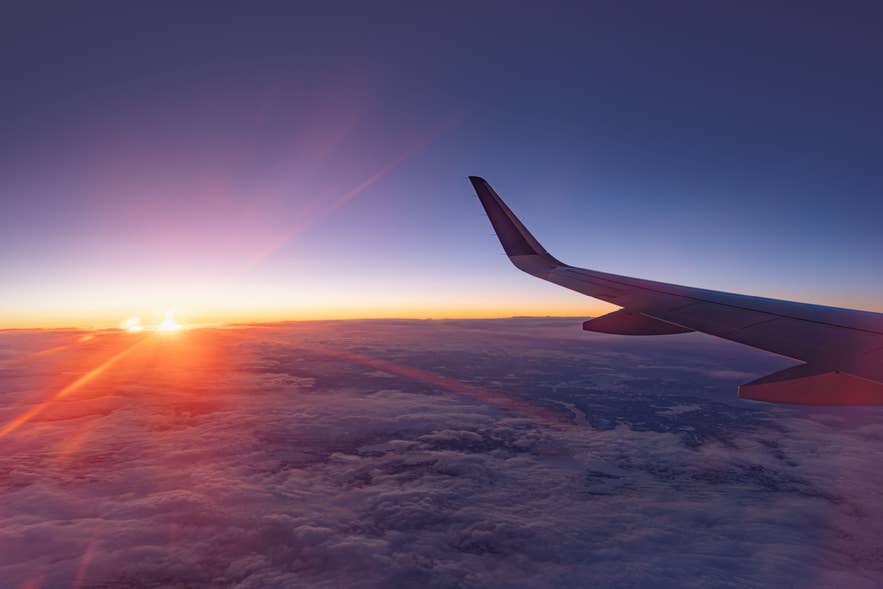
Living on an isolated island in the North Atlantic has many advantages, but convenient international travel isn’t one of them. Unlike mainland Europe, where crossing borders by train or car is often simple and affordable, leaving Iceland requires a flight or a long ferry ride.
It’s possible to sail from Seydisfjordur in the Eastfjords to Denmark and travel to other countries from there, but far from common. Most travelers and locals book flights operated by airlines such as Icelandair, Play Air, and EasyJet, which offer regular service between Iceland, mainland Europe, the United States, and other destinations.
However, air travel from Iceland can be costly, especially for quick weekend getaways or last-minute plans. The country’s geographic isolation and limited flight options often make international travel more expensive and less spontaneous than in other parts of the world.
To keep costs down, many Icelanders plan well in advance and travel outside the peak summer season, with some favoring winter getaways to sunnier destinations like Tenerife in January or February.
On the flip side, Iceland’s unique position between North America and Europe makes it a popular stopover destination. Many visitors take advantage of this by going on stopover tours to explore the island and turn their layover into a mini-adventure.
4. Sun Guilt
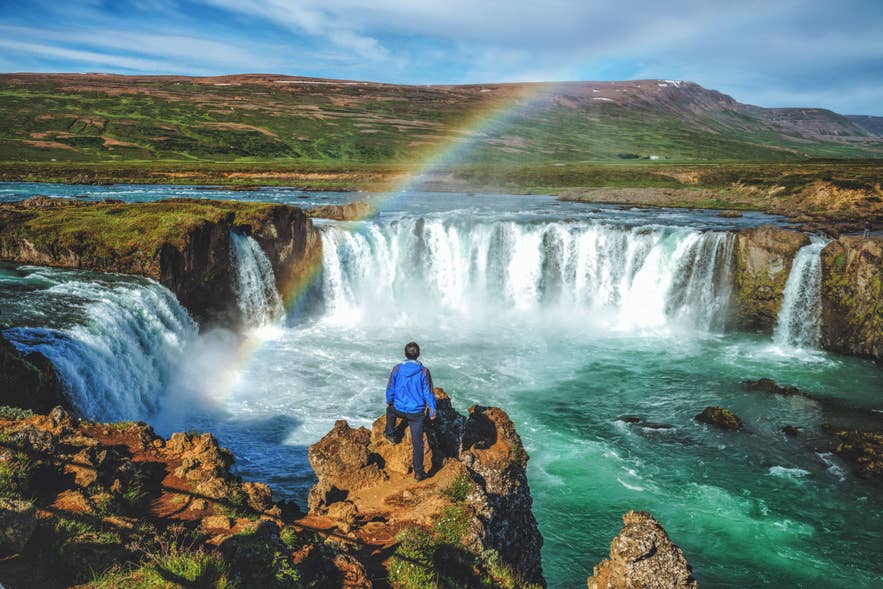
In a country known for long winters and overcast skies, sunny weather is a rare and celebrated event. When the sun does appear, there’s an unspoken expectation to seize the moment immediately and enthusiastically.
Spending time outdoors becomes almost mandatory. Activities like hiking, swimming in one of the best pools in Iceland, biking, barbecuing, or grabbing an ice cream suddenly top everyone’s to-do list.
Even regular routines, like work or errands, often take a back seat. When the weather turns warm and bright, productivity tends to drop as the outdoors calls. In Iceland, a sunny day isn’t just welcome. It’s a reason to rearrange everything.
On particularly nice days, it’s common to hear stories of impressive productivity, with neighbors casually mentioning how they cleaned the entire garden, planted fresh herbs, and entertained a dozen guests by sunset. If you somehow fail to do all of these things (or any of them), you’ll feel the dreaded sun guilt.
While this pressure can be intense, it also reflects something uniquely positive about life in Iceland. The appreciation for sunshine runs deep, and as a result, those golden hours rarely go to waste.
3. Weather, Taxes, and the Art of Complaining
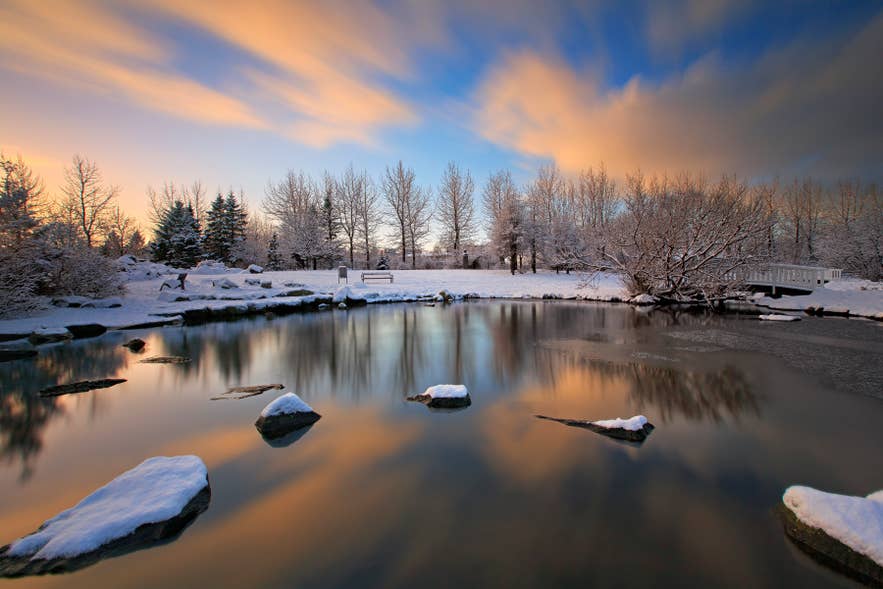
There’s no shortage of topics that could be added to a list of Iceland’s everyday frustrations. Taxes, housing shortages, politics, and tourism pressures barely scratch the surface. But perhaps more notable than the issues themselves is how frequently they become subjects of conversation.
In Iceland, complaining has become something of a cultural norm. Whether it’s about inflation, the price of coffee, or the fourth snowfall in April, there’s always something to grumble about.
Over time, the constant commentary can start to feel more exhausting than the problems themselves. Still, voicing everyday frustrations seems to serve as a kind of social glue, offering Icelanders a shared outlet and a good laugh.
2. The Politics
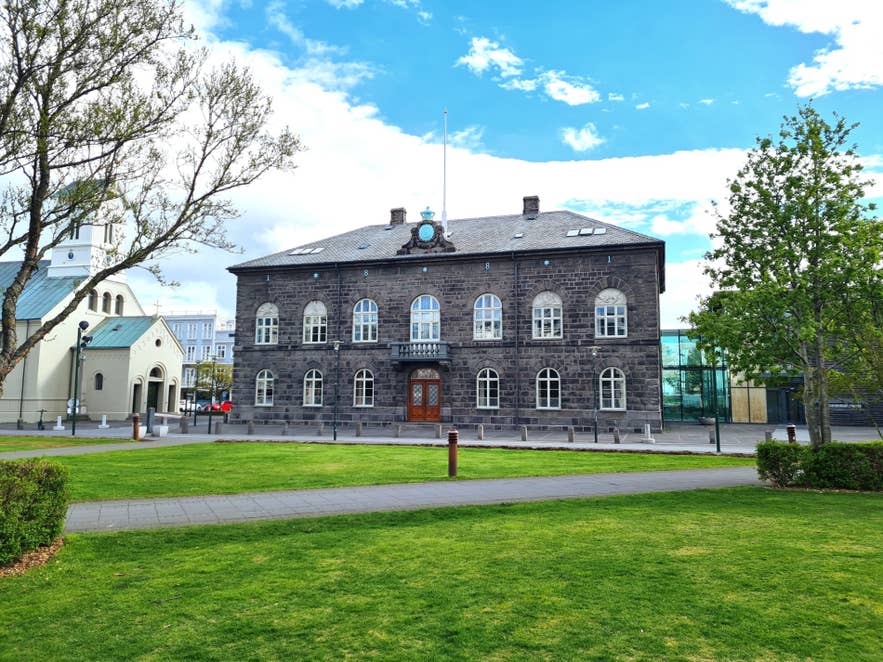 Of all the things Icelanders love to complain about, politics might be one of the most well-worn topics. Since the financial collapse of 2008, which led to mass protests and a full government overhaul, many Icelanders have grown increasingly tired of the political process.
Early hopes for real reform ran high. A publicly elected assembly even drafted a new constitution, which felt, at the time, like genuine progress. It was largely shelved.
 ▶” title=”Top 10 Worst Things About Iceland – video” style=”border: 0px; overflow: hidden;” class=”lazyload”>
Criticism tends to center on a familiar pattern: key appointments going to family members or close associates of those in power, with transparency and accountability trailing behind. It’s the kind of thing that gives Icelanders plenty of material for the national pastime of complaining.
Unlike the weather, this is one frustration that could, in theory, be fixed. Whether that will happen is another matter entirely.
1. The Weather: A National Obsession
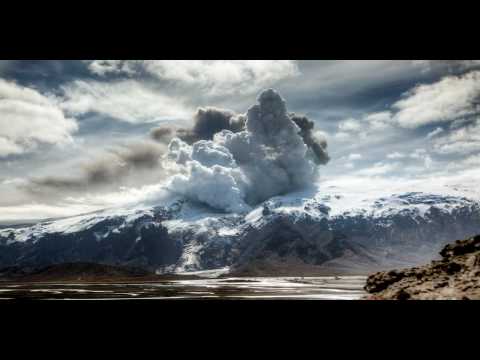
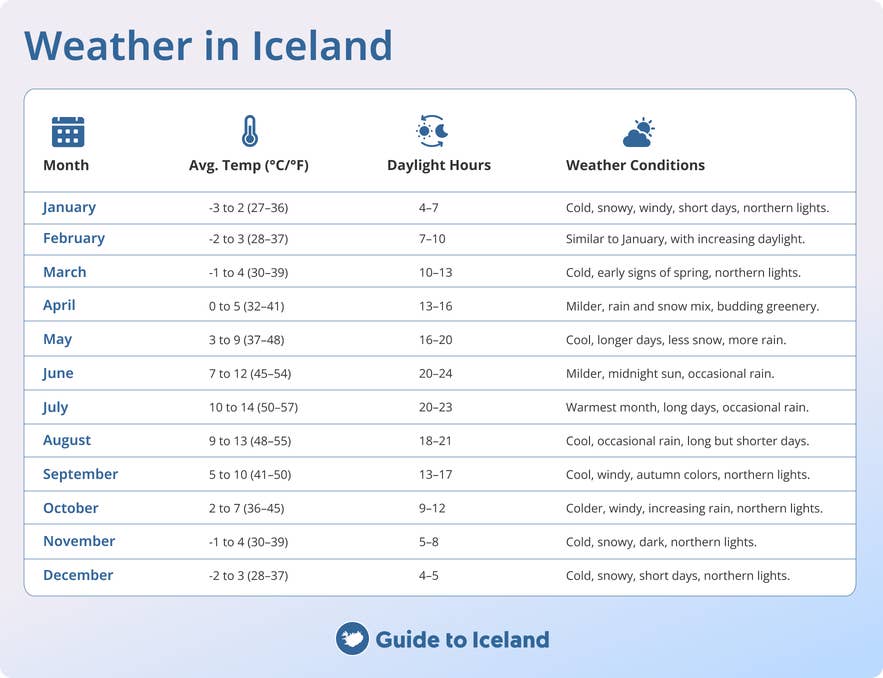 If there’s one thing that consistently tops the list of complaints in Iceland, it’s the weather. No matter how much attention is given to politics or public policy, the conversation almost always circles back to the wind, rain, snow.
Snowstorms can be charming when enjoyed indoors with a warm drink and a good film, but during certain winters, they can occur almost daily. Over time, this can wear down even the most weather-hardened locals and visitors alike.
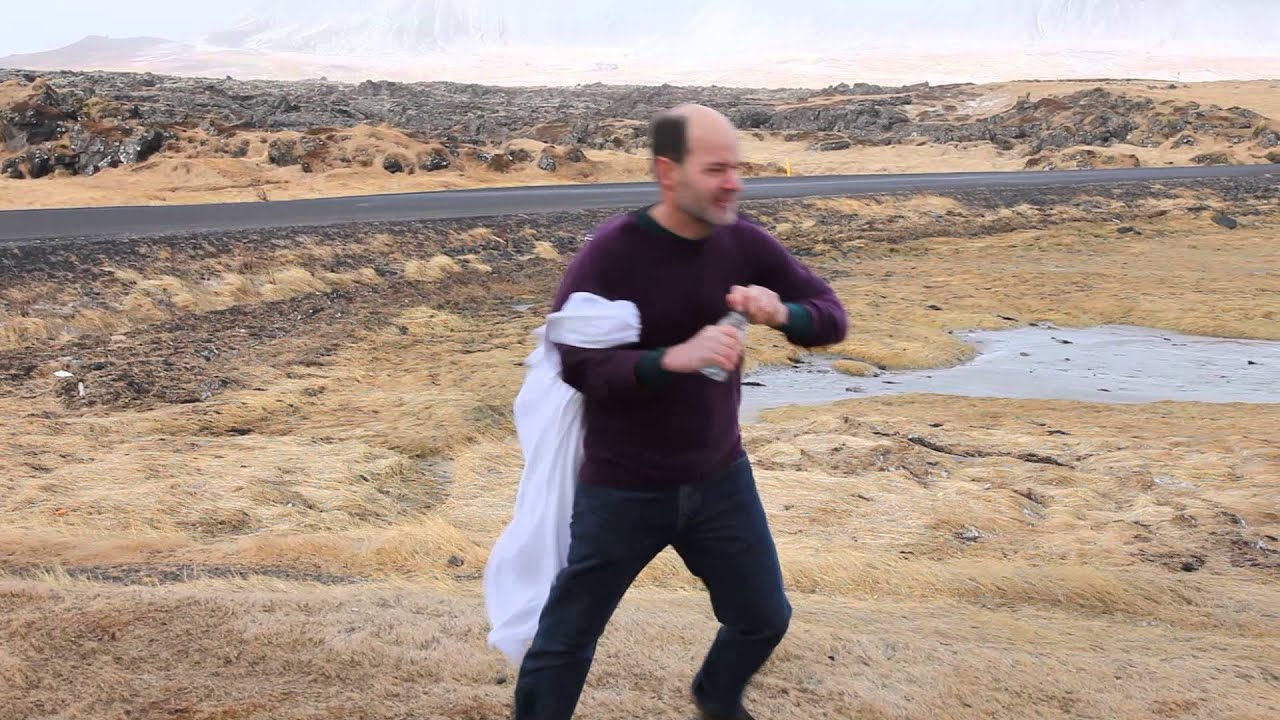
Unpredictability is perhaps the most defining feature of Icelandic weather. A day might begin with bright sunshine, prompting lighter clothing, only to turn rainy just minutes later. After switching to a raincoat and boots, the temperature might rise again, followed by an afternoon snowfall. This kind of rapid shift is typical during fall in Iceland, where the only constant is change.
 ▶” title=”Top 10 Worst Things About Iceland – video” style=”border: 0px; overflow: hidden;” class=”lazyload”>
Still, the famously unpredictable weather has its bright spots. When calm, sunny days do arrive, they’re deeply appreciated. And even the darkest, coldest nights hold a kind of magic, especially when skies clear just enough for the northern lights to make an appearance.
Disclaimer
This list is written with affection rather than criticism. The frustrations are real, but they’re shared here in the same spirit that locals talk about them, with humor and without malice.
Top 5 (Dis)Honorable Mentions
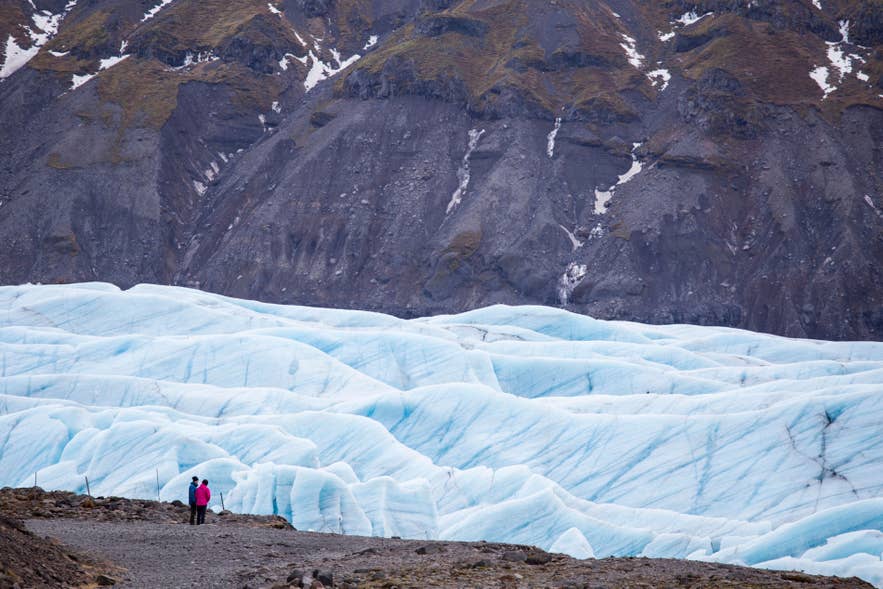 While not nearly as noteworthy as what was included in our top 10 list, there are several other downsides and issues that you should still be aware of if you plan to visit. Look out for these five dishonorable mentions:
Prices Are Expensive
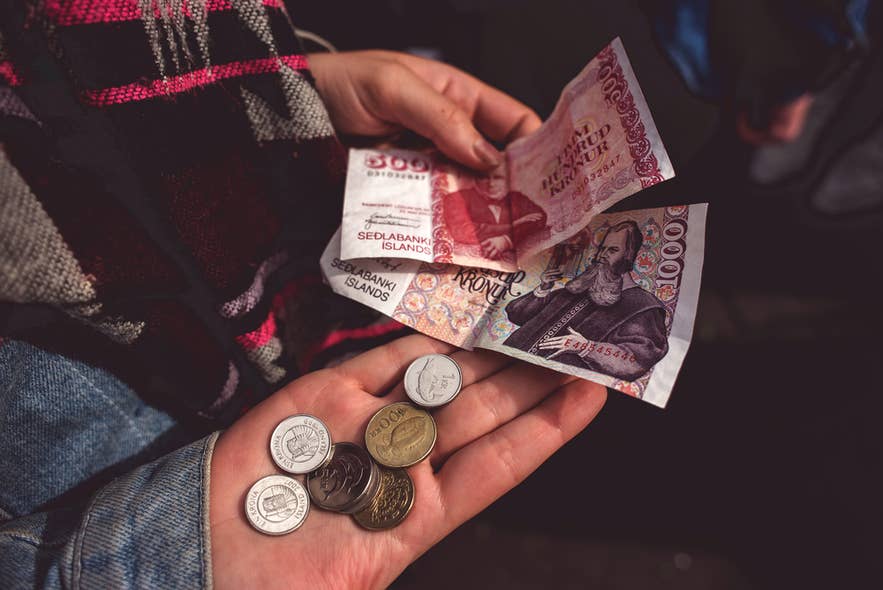 One of the biggest problems for travelers and residents alike is the high cost of living in Iceland. Food, accommodation, transportation, and more are pricier than in many other European countries, making this one of the major cons of Iceland for budget-conscious tourists.
These problems can easily catch you off guard, as everyday expenses can quickly add up if you aren’t prepared in advance. To avoid this issue, make sure to budget your finances appropriately and look for ways to save during your trip, like booking in advance or using exclusive discounts for travelers.
Rough Winter Terrain
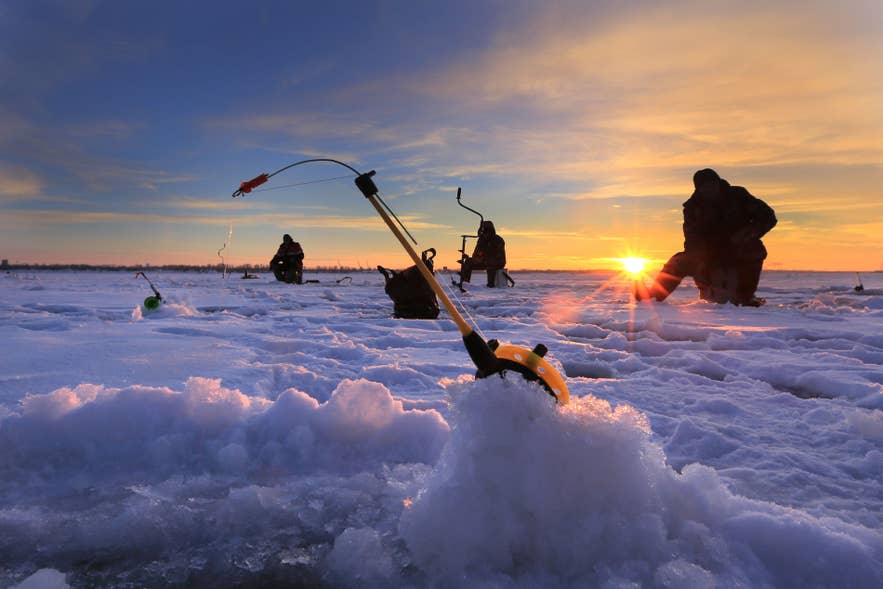 Among the more daunting facts about Iceland is how treacherous the roads can become during winter. Icy surfaces, sudden weather shifts, gravel roads, blind hills, and strong winds all demand heightened caution.
These problems can make travel risky, and some areas may become completely inaccessible due to snow and dangerous conditions. However, main roads like the Ring Road are maintained and easier to navigate, and knowing how to drive safely in Iceland goes a long way toward making the experience manageable.
For those planning to explore the country independently, winter self-drive tours offer a safer and more structured way to experience Iceland’s winter landscapes while accounting for seasonal challenges.
The Banning of Wild Camping
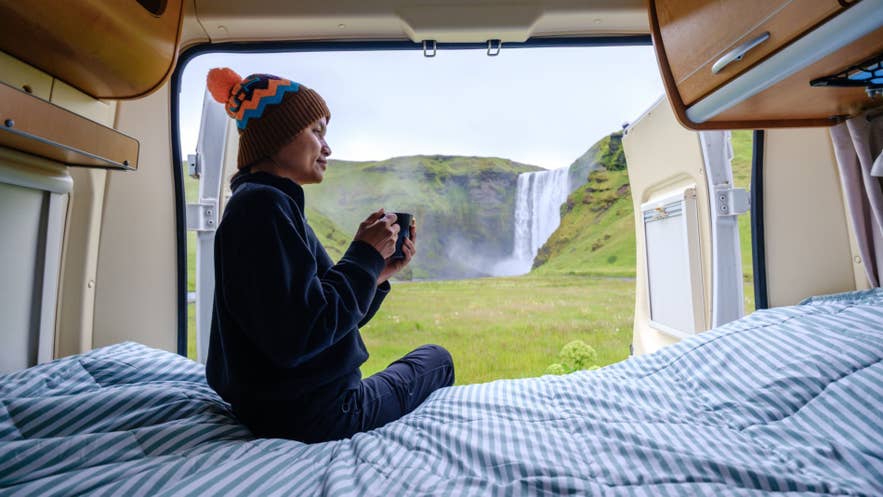 Although not one of the most serious issues in Iceland, the decline of wild camping should still be noted. In the past, visitors planning to go camping in Iceland could do so freely across Iceland’s scenic landscapes, but that’s no longer the case.
Due to environmental concerns, wild camping in Iceland has been heavily restricted, and you’re only allowed to camp on proper camp sites. Fortunately, this problem is avoidable compared to the other issues listed here.
If you’re planning to camp while here, be sure to research and use designated camping sites in advance. You’ll be happy to know there are plenty of popular campsites in Iceland!
Crowded Busy Months
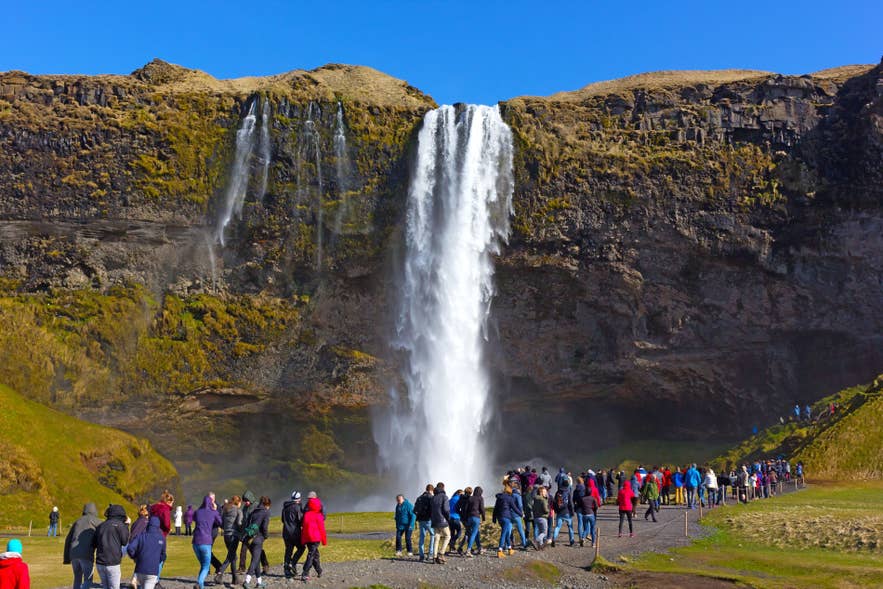 Despite its small population, one of the less obvious disadvantages of living in Iceland, and visiting it, is how crowded it can become during peak travel seasons. Iceland may not be densely populated, but tourism spikes during summer creates traffic in popular spots.
Though certainly not among the worst tourist traps, the busyness can still be an inconvenience.
To avoid the crowds and better appreciate the country’s natural beauty, consider visiting during the off-peak season, such as September to November or January to May. While Iceland in summer offers unique experiences, careful planning is essential to avoid congestion.
Extreme Daylight Hours
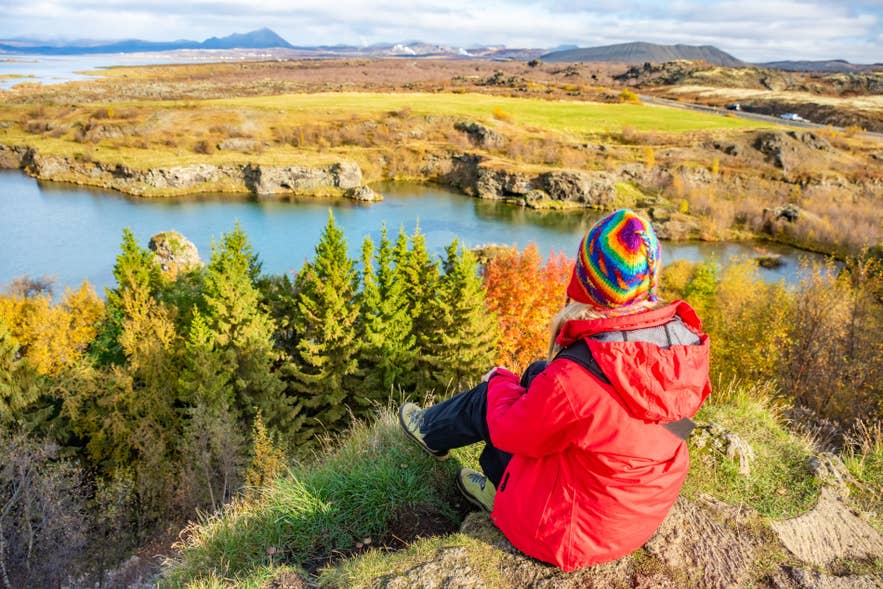 Due to its proximity to the Arctic Circle, Iceland experiences significant variations in daylight hours throughout the year. From late May to early August, the country has nearly 24 hours of daylight, with the longest day occurring around June 21st.
On the other hand, during winter months, daylight is limited, with only about five hours of light in mid-December. These extreme changes are one of the notable disadvantages of living in Iceland, as they can disrupt everything from sleep patterns to daily routines.
Realities of Life in Iceland
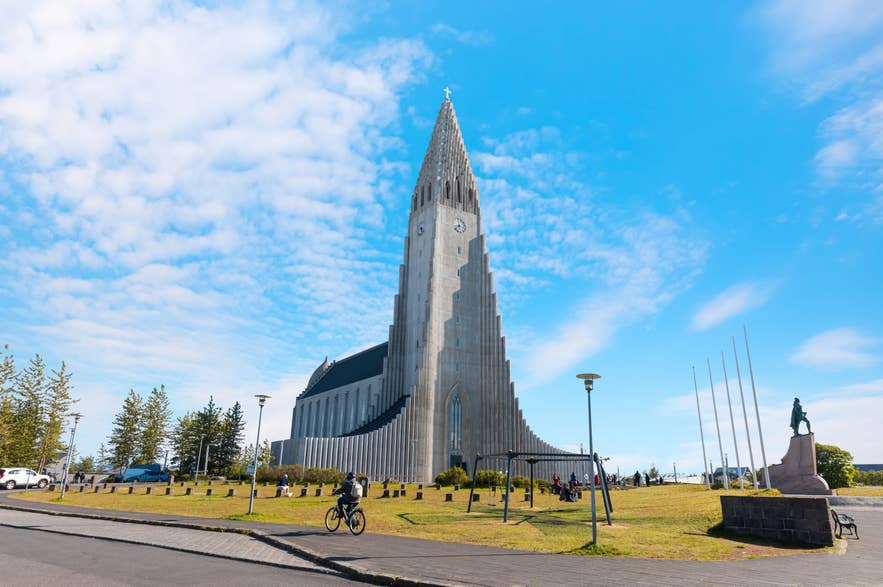 Iceland is not the paradise that some envision, but it’s also far from a difficult place to live. If anything, most locals wouldn’t trade it for anywhere else. Knowing about these quirks in advance, whether you’re visiting Iceland for the first time or thinking about moving there, goes a long way toward arriving with the right expectations.
What surprised you the most about our list? Is there anything you disagree with? Let us know in the comments below!