
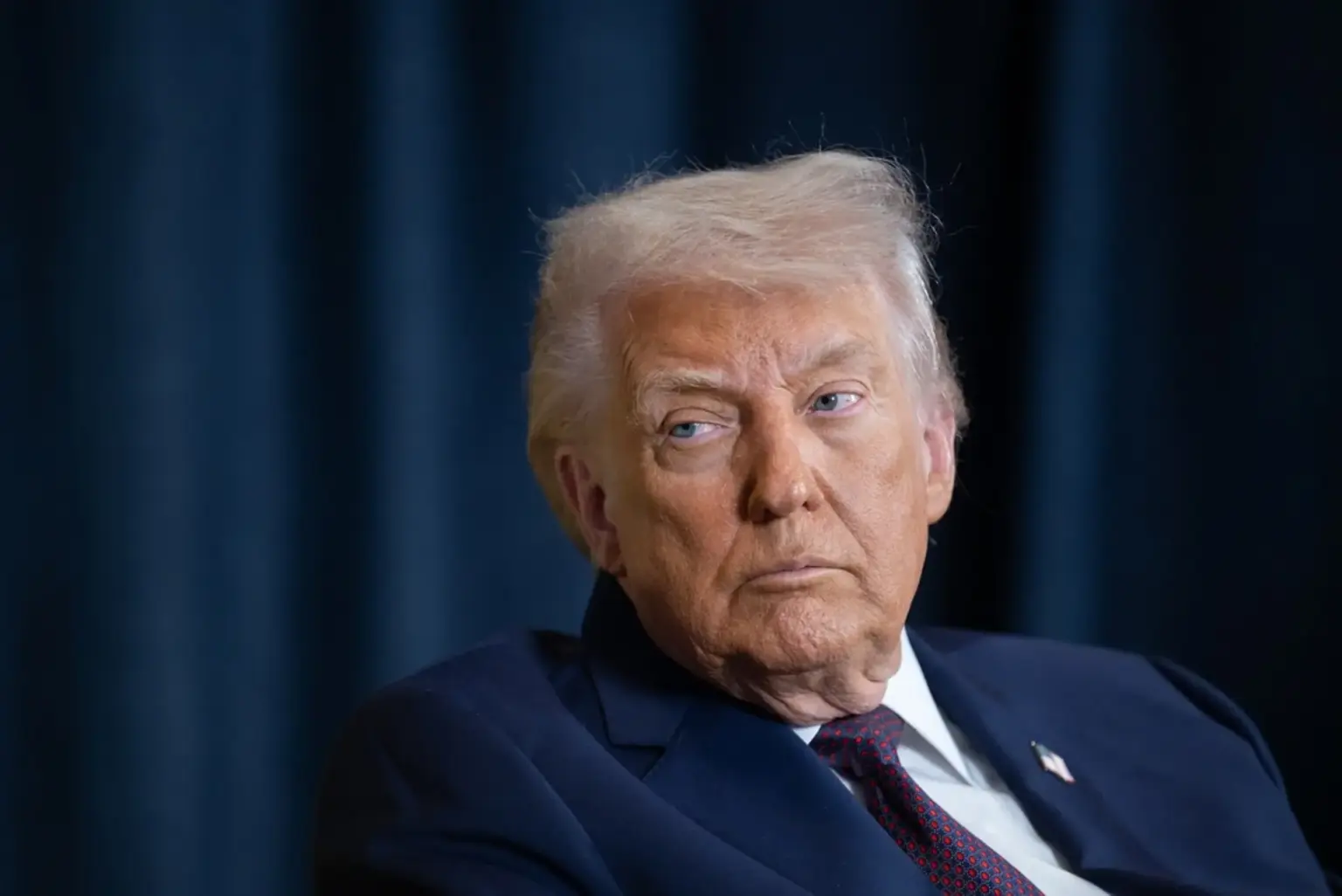
- President Donald Trump said nuclear negotiations with Iran are not over and dismissed concerns over “excessive concessions.”
- Trump said the talks would differ from the Obama administration’s nuclear deal, stressing they would not involve giving Iran large amounts of cash or opening the way for nuclear weapons development.
- After US media reports on a draft memorandum of understanding (MOU) and mounting criticism within the Republican Party over a possible rushed deal, Trump is seen as slowing the pace in pursuit of terms more favorable to the US.
Forecast Trend Report by Period


See more mid- to long-term trend analysis
 Photo: UkrPictures/Shutterstock
President Donald Trump said nuclear negotiations with Iran have not concluded, pushing back against criticism that the US is making excessive concessions.
In a Truth Social post on May 24, Trump wrote that if the US reaches an agreement with Iran, it would be a “good and proper deal.” He said it would differ from the Obama administration’s accord, which he said provided Iran with large amounts of cash and opened a path to developing nuclear weapons.
He said the deal now under negotiation is “the opposite” of the Obama-era agreement, but added that no one has yet seen its contents or knows what it includes. The negotiations, he said, are not fully complete.
Trump also urged people to ignore critics attacking something they know nothing about. He added that, unlike his predecessors, who should have resolved the issue years ago, he does not make bad deals.
Earlier on May 24, Trump posted separately that he had instructed his negotiating team not to rush into an agreement.
The more cautious tone appears linked to growing criticism after US media outlets reported details of a draft memorandum of understanding, or MOU, under discussion between Washington and Tehran. According to those reports, the draft outlines a two-stage approach: extending a 60-day ceasefire to keep the Strait of Hormuz open, while holding additional talks during that period with preventing Iran’s nuclear development as a central agenda item.
Sen. Lindsey Graham, a South Carolina Republican and close Trump ally, effectively took a critical stance by raising concerns that Iran could secure significant influence in the region. His remarks highlighted warnings within the Republican Party against a hastily arranged deal.
Some in political circles see Trump’s move to slow the talks at the last minute as an effort to secure terms more favorable to the US after criticism from within his own party intensified.
Shin Yong-hyun, Hankyung.com reporter yonghyun@hankyung.com