
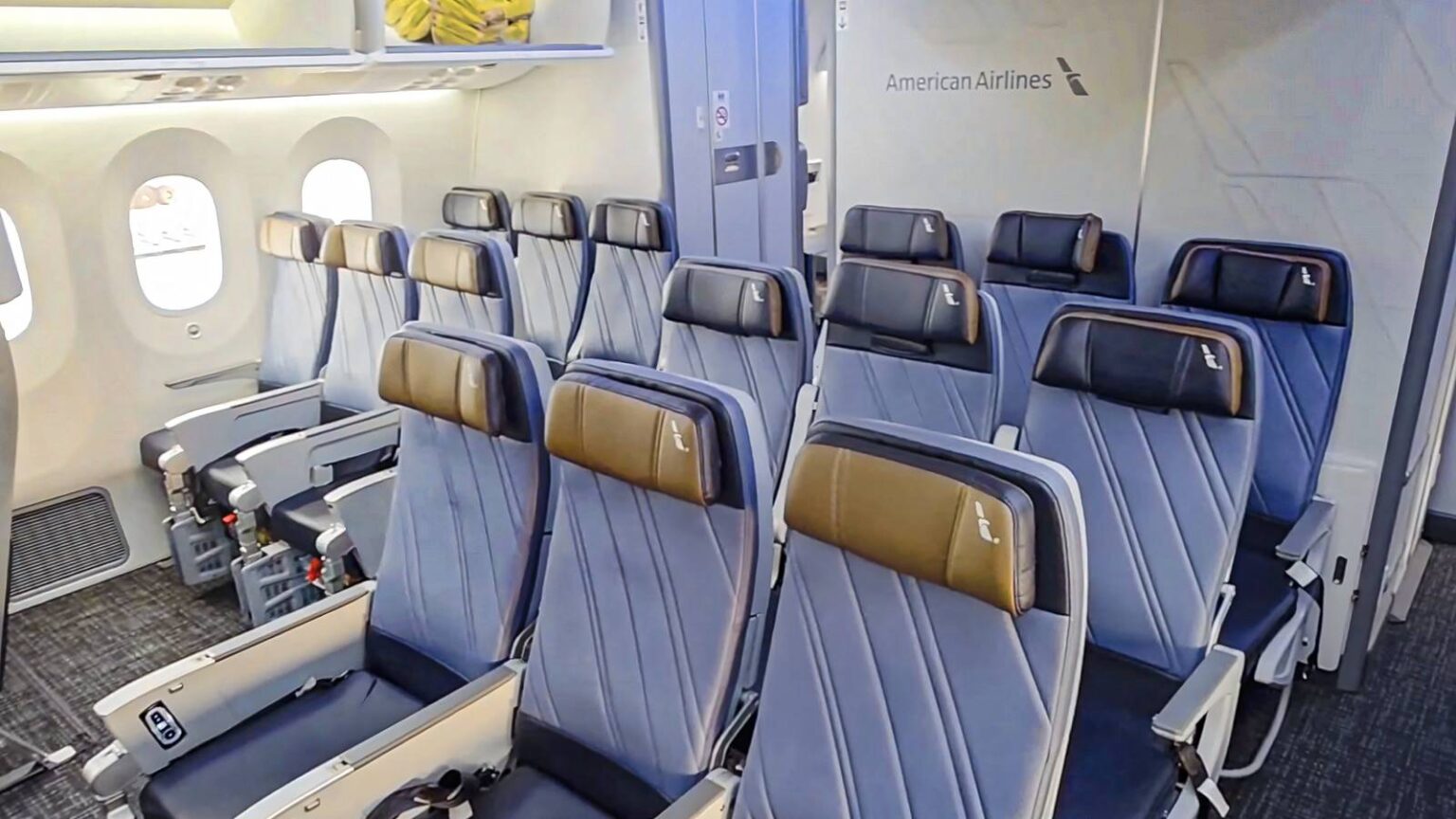
 American Airlines has spent the last several years reshaping its Basic Economy product, but the latest changes represent one of the carrier’s most aggressive moves yet against low-fare passengers. What once functioned as a stripped-down ticket aimed mostly at occasional bargain hunters has now evolved into a fare category that actively penalizes even the airline’s most loyal customers.
This includes top-tier frequent flyers who have spent years earning elite status through the airline’s AAdvantage loyalty program. The shift has surprised many travelers because American Airlines previously maintained one of the more generous Basic Economy offerings among major US competitors.
Elite members could still choose seats in advance, remain eligible for upgrades, and continue receiving many status-related perks despite purchasing the airline’s cheapest fares. That approach is now disappearing rapidly, and the changes arriving throughout 2026 dramatically alter the value proposition of both Basic Economy and elite status itself. Let’s take a closer look at the changes and what they mean.
American Airlines Has Introduced Two Major Basic Economy Crackdowns
Credit: Shutterstock
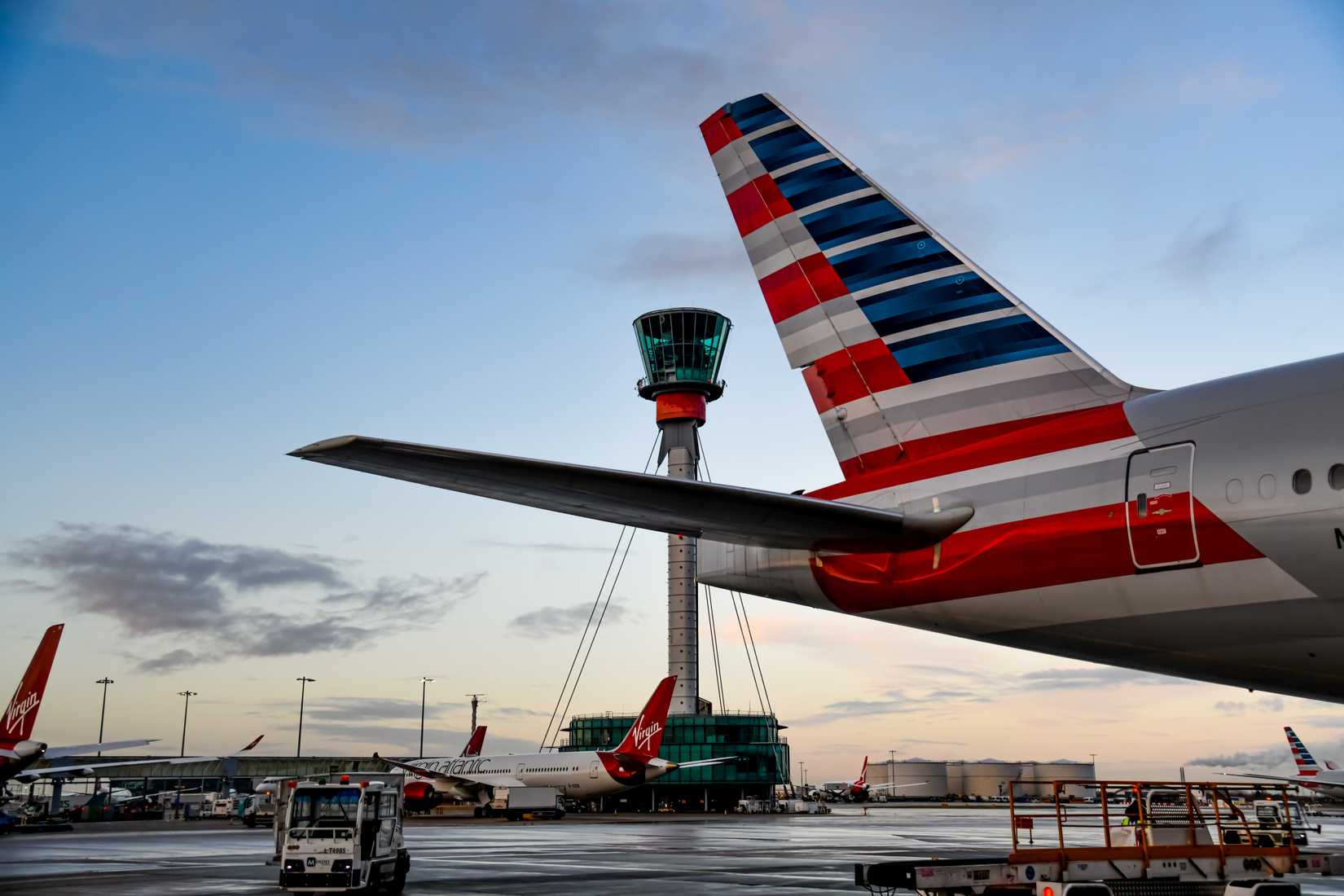
The transformation of American Airlines’ Basic Economy product did not happen all at once. Instead, the airline implemented two separate rounds of restrictions that together created a much harsher experience for travelers who purchase the carrier’s cheapest fares. The first wave arrived in December 2025, when American Airlines eliminated mileage earning entirely on Basic Economy tickets.
Passengers booking those fares now receive zero redeemable AAdvantage miles, zero Loyalty Points, and no progress toward elite qualification. Before that change, Basic Economy passengers could still earn at least some value from flying, particularly those attempting to maintain status through frequent domestic trips.
The second wave took effect in May 2026, and targeted elite benefits directly. Under the new policy, AAdvantage elite members traveling on Basic Economy fares no longer receive complimentary seat selection before check-in, and they also lose upgrade eligibility entirely. The cuts affect not only American Airlines status holders, but also elite passengers from partner airlines across the  oneworld alliance.
Together, the two changes completely reshape the economics of purchasing Basic Economy on American Airlines. A passenger who once accepted the limitations of the fare in exchange for lower pricing could still justify the purchase because status benefits and mileage earning remained intact, but that middle ground has now largely disappeared.

You might also like:
Flying Basic Economy? You’ll No Longer Earn Miles On This US Airline
This is certainly bad news for United MileagePlus members.
Elite Members Are Losing Benefits That Once Defined Their Status
Credit: Shutterstock
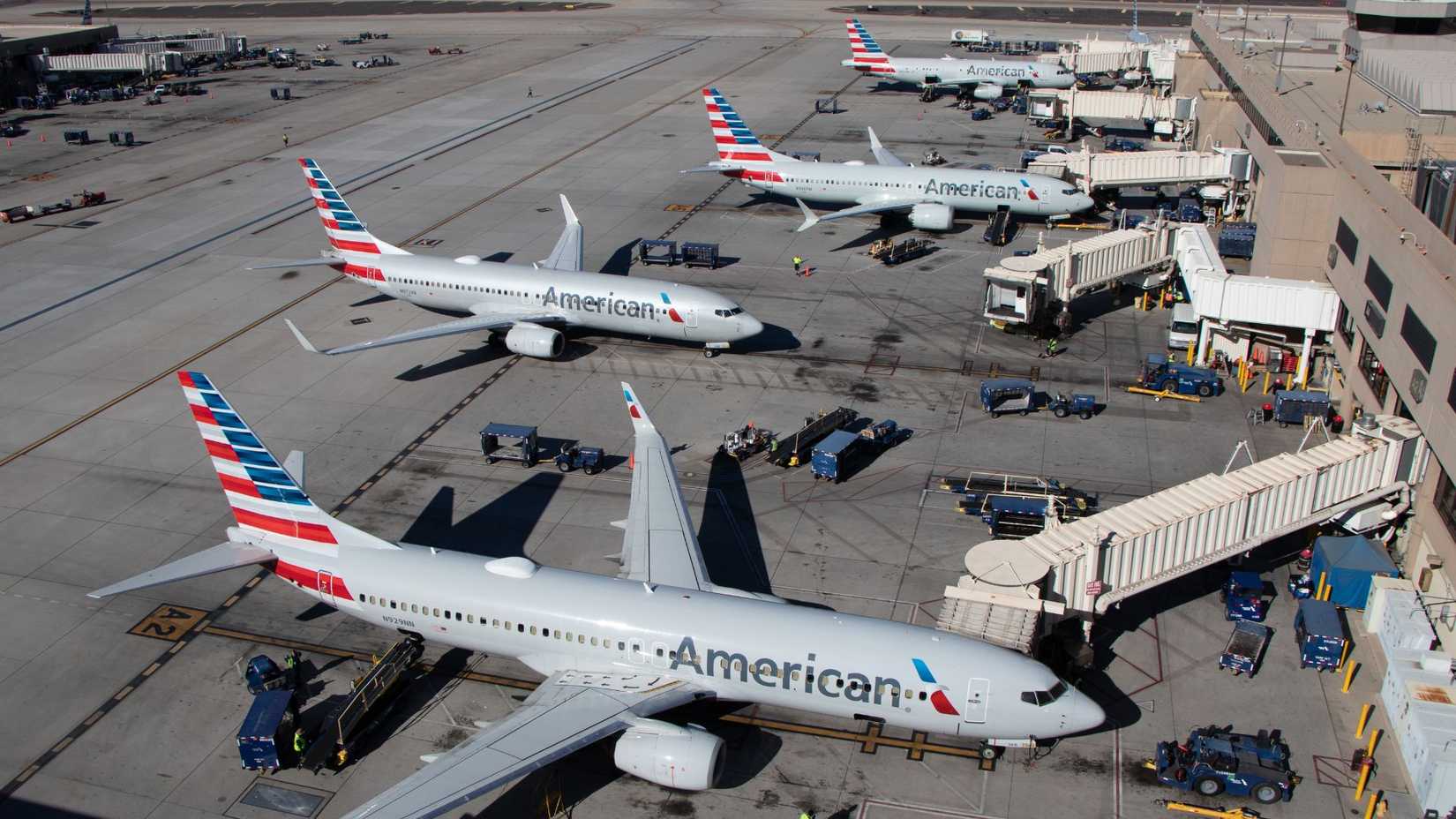
For years, one of the most valuable aspects of elite status on American Airlines involved flexibility across fare classes. Even passengers booking cheaper tickets could still enjoy meaningful perks, especially at higher status tiers such as Platinum Pro and Executive Platinum, but that policy is now gone on Basic Economy fares. As of May 2026, elite members no longer receive complimentary advance seat assignments.
This means that passengers who previously selected preferred or Main Cabin Extra seats for free must now either pay additional fees or accept random seat assignments during check-in. Depending on the route and seat type, those fees can range from approximately $15 to $75 per segment. Upgrade eligibility has also disappeared completely.
Indeed, previously, elite passengers flying domestically on Basic Economy fares could still receive complimentary upgrades if seats remained available. Under the new system, those upgrades are no longer available regardless of cabin availability or elite level. The restrictions also extend to Systemwide Upgrades, one of American Airlines’ most valuable elite perks.
Executive Platinum members traditionally use those certificates to confirm upgrades on long-haul international flights, but as of May 2026 they can no longer be applied to Basic Economy tickets under any circumstances. For frequent flyers, the changes fundamentally alter how elite status interacts with lower fares. In the past, status softened many of the harsher aspects of Basic Economy. Now, American Airlines is intentionally separating cheap fares from elite treatment entirely.
oneworld Partner Elites Are Also Affected
Credit: Shutterstock
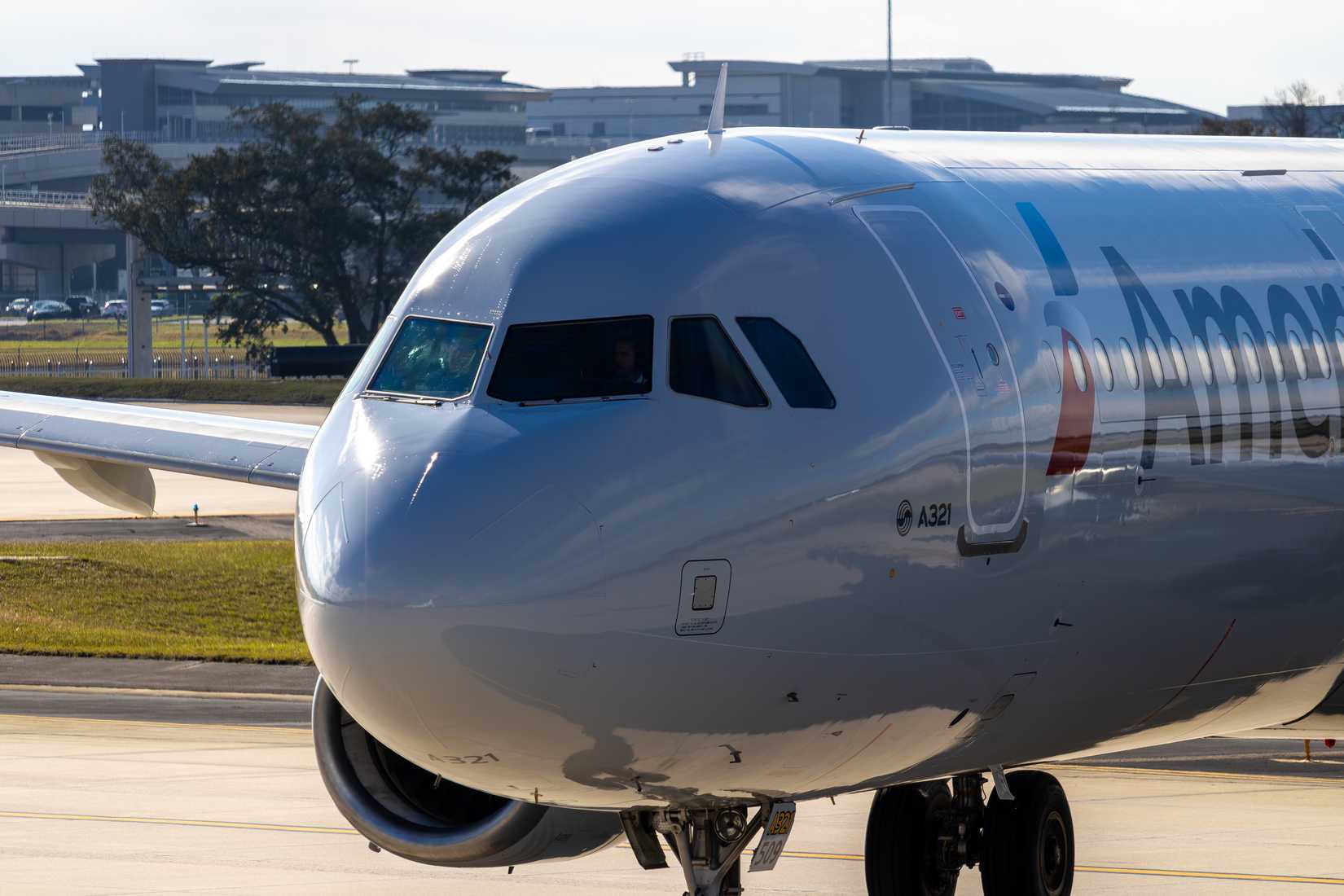
One detail that has received significant attention among international passengers is that the restrictions do not apply solely to American Airlines elites, as the new Basic Economy rules also affect elite members from partner airlines within the oneworld alliance, including Qantas, Cathay Pacific,  Qatar Airways, and Japan Airlines.
That represents a notable shift because alliance reciprocity has long been one of the major selling points of global airline partnerships. For example, a Qantas Gold member flying domestically within the US on American Airlines could previously expect many standard elite privileges, even when purchasing lower fares. Those expectations now change significantly when traveling on Basic Economy tickets.
The policy may create additional confusion for international travelers because elite treatment often varies depending on region, airline, and fare type. Some passengers may still assume their status guarantees complimentary seat assignments or upgrade eligibility, only to discover at booking that Basic Economy removes those benefits entirely.
From American Airlines’ perspective, however, the policy likely reflects an attempt to create consistency across fare categories rather than loyalty tiers. The airline increasingly appears to view Basic Economy as a standalone product with strict limitations regardless of customer value or alliance affiliation.
You might also like:
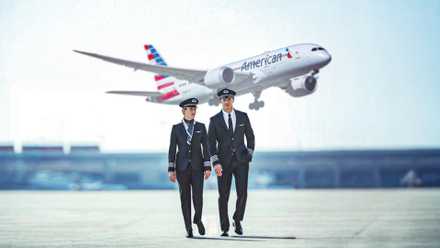
American Airlines’ New Pilot Policy Upsets Passengers: Is It Necessary?
AA is frustrating flyers.
American Airlines Is Following Delta Air Lines More Than United Airlines
Credit: Shutterstock
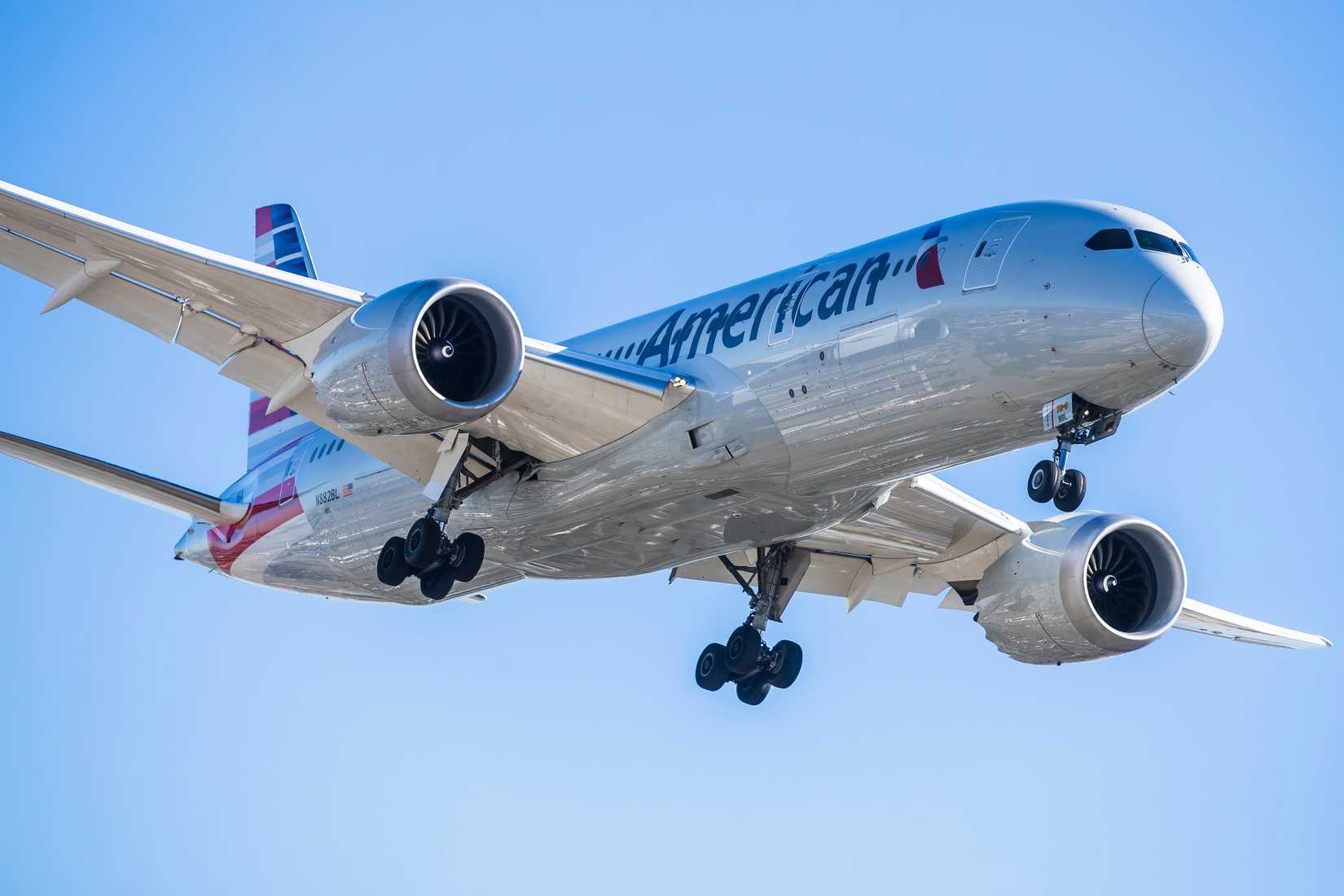
American Airlines once differentiated itself from competitors by maintaining a comparatively generous Basic Economy product, especially for elite members. The recent changes largely erase that distinction and move the airline closer to  Delta Air Lines’ long-standing strategy. Delta has historically awarded no SkyMiles on many Basic Economy fares, making American Airlines’ December 2025 zero-mileage policy less surprising from a competitive standpoint.
 United Airlines now stands out as the only major US airline that still awards at least some mileage credit on Basic Economy tickets, though at a reduced earning rate compared to standard economy fares. At the same time, American Airlines still retains one relatively customer-friendly feature within Basic Economy.
Unlike United Airlines, American Airlines continues to allow passengers to bring a full-size carry-on bag on domestic Basic Economy tickets. However, the former generally restricts those travelers to a personal item unless they hold elite status or possess a co-branded credit card. For passengers, however, the broader trend remains clear: US airlines are steadily normalizing increasingly restrictive fare structures, particularly within Basic Economy.
The Changes Reveal American Airlines’ Broader Strategy
Credit: Flickr
The logic behind these restrictions becomes clearer when viewed from the airline’s perspective, as Basic Economy was never designed primarily to create a pleasant travel experience. Instead, it functions as a pricing tool that allows airlines to advertise lower fares while encouraging many customers to spend more money upgrading to standard economy tickets.
American Airlines’ latest policy changes intensify that strategy substantially, and by removing elite perks from Basic Economy, the carrier creates additional pressure on frequent flyers to avoid those fares altogether. A Platinum Pro member who previously tolerated Basic Economy because upgrades from economy class and seat assignments remained available may now decide that paying extra for Main Cabin is worthwhile.
The same logic applies to mileage earning, and passengers chasing Loyalty Points or attempting to qualify for status now gain no long-term value from Basic Economy purchases. Even relatively small fare differences between Basic Economy and Main Cabin become easier to justify when one option contributes toward future elite benefits while the other contributes nothing.
American Airlines is also preparing additional changes later in 2026 that further reinforce the divide. Non-elite AAdvantage members without co-branded credit cards will reportedly board in Group Seven instead of Group Six when flying Basic Economy, further reducing overhead bin access on crowded flights.
You might also like:
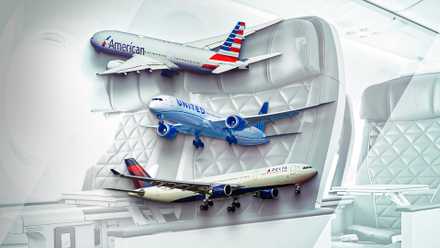
American Vs. Delta Vs. United: Which Carrier Has The Best Premium Economy?
These three airlines offer the most prominent premium economy offerings in the domestic aviation market.
Frequent Flyers Must Reevaluate Their Booking Habits
Credit: Shutterstock
For many longtime American Airlines passengers, the new rules fundamentally change how they approach airfare purchasing decisions, and passengers who once booked Basic Economy confidently because elite benefits remained intact now face a much different calculation. The loss of complimentary upgrades may prove especially significant for top-tier members who frequently travel domestically.
Executive Platinum and Platinum Pro travelers often relied on upgrades as one of the primary rewards for maintaining loyalty with American Airlines, and removing that possibility on Basic Economy fares effectively creates a two-tier system even within elite status itself. Seat assignment fees also become more problematic for families and business travelers who value certainty.
Indeed, paying separately for seats on every trip quickly reduces the apparent savings of Basic Economy, especially on longer routes. Meanwhile, some travelers will simply continue purchasing Basic Economy because price remains the dominant factor in booking decisions. American Airlines likely understands that reality, and the carrier does not necessarily need everyone to avoid Basic Economy: it only needs enough travelers to pay more for Main Cabin to justify the strategy financially.
Still, the broader message from American Airlines is becoming unmistakably clear: in 2026, Basic Economy is no longer a lightly restricted discount fare that still accommodates elite loyalty. Instead, it has become a deliberately punitive product that treats even the airline’s most dedicated customers much more like ordinary bargain passengers.