

Uefa has announced a shake-up of international qualifiers that means England will no longer face minnows such as Andorra.
The new system, to be used for qualifying for the 2030 World Cup, will incorporate a similar system to Uefa’s club competitions. The top 36 of Uefa’s 54 member nations will go into what is called League 1, split into three competitively balanced groups and play six matches each — two against top seeds, two against middle seeds and two against bottom seeds.
The top teams in each group will qualify automatically, but there will be a play-off route for others, as well as for the 18 minnows who will play in League 2. The number of qualifiers has yet to be confirmed but is expected to be 14 with Portugal and Spain also qualifying as hosts of the 2030 World Cup.
As in Uefa’s three men’s club competitions — the Champions League, Europa League and Conference League — and the women’s Champions League, the qualifiers will not be home and away against the same opponents; rather there will be three home and three away games against six different opponents.
The Sunday Times revealed in November that the Uefa review was taking place amid fears that fans and broadcasters are losing interest in the matches, and that the Swiss model used for the club competitions was under consideration.
The Nations League will also be changed from the start of the 2028-29 season so that it is split into three groups of 18 sides, with each country playing five different opponents, and will not offer qualification for major tournaments.
Uefa said the new system “will be fine-tuned over the next few months” before being submitted for final approval of the detailed format at its next executive committee meeting in September.
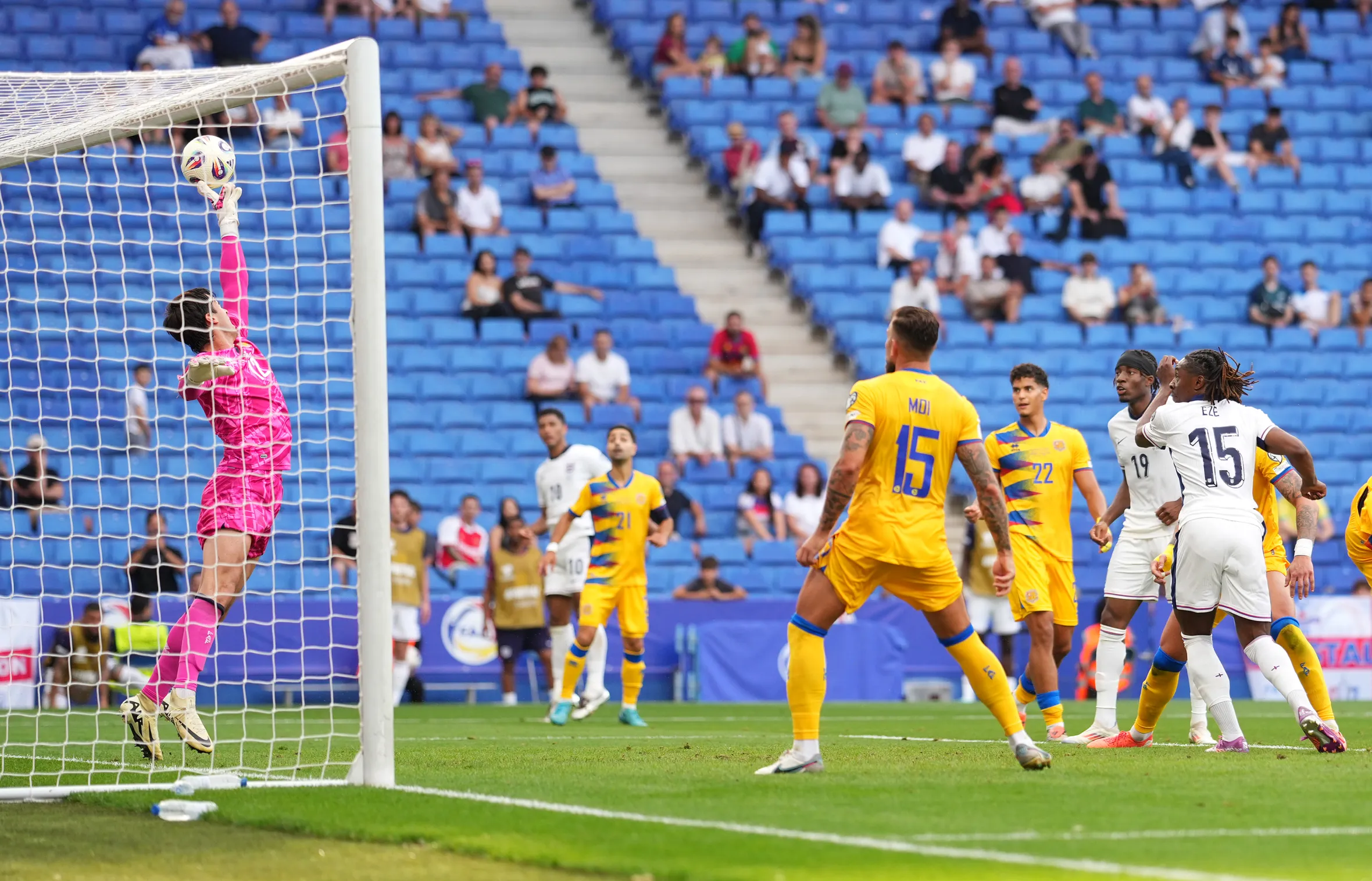 Few fans turned out to watch England’s game against Andorra in Barcelona last summer. The last eight matches between the two sides have an aggregate score of 28-0 to EnglandAlex Caparros/The FA via Getty Images
The governing body’s president Aleksander Ceferin said: “The new formats will improve competitive balance, reduce the number of dead matches, offer a more appealing and dynamic competition to fans, while ensuring a fair qualification chance for all teams and without adding any additional dates in the international calendar.
“Altogether, the changes will grow the value of Uefa men’s national team football and we are very much looking forward to the implementation of the new competition systems.”
Broadcast revenues had been dropping for international qualifiers though they have increased in Uefa’s Nations League. Uefa was trying to find a balance that keeps some jeopardy for the big nations and is competitive but also gives smaller teams opportunities.
Under the existing system, England played eight World Cup qualifiers against Serbia, Albania, Latvia and Andorra home and away — none of those matches were viewed by broadcasters as attractive.