

The ETCS plan in Czechia for the upcoming period includes the equipping of additional lines, as well as electrification projects.
The Ministry of Transport and the railway infrastructure manager, Správa železnic (SŽ), have announced the ETCS plan in Czechia for the coming period in order to accelerate the modernisation of the railway network, increase traffic safety and expand electrification on main corridors and regional lines.
The medium-term plan also includes electrification projects which, together with the deployment of ETCS, respond to the rapid technological evolution in the railway sector, the renewal of rolling stock operated by carriers, as well as the experience gained so far from both projects.
Between 2022 and 2024, Czechia, alongside Belgium and Spain, has made efforts to equip ETCS on lines within the TEN-T network, which in the country covers a total length of 3,200 km. According to the 2026 Work Plan of the European Coordinator for ERTMS – Matthias Ruete, by the end of 2024 Czechia had equipped 1,062 km of track, corresponding to 554 km of lines. The TEN-T core network in the country was 46% equipped, the extended core network 14%, and 17% of the overall TEN-T network was equipped. In the period 2025–2027, the TEN-T core network in Czechia is expected to reach an equipment level of 50%.
In the next four years, 80% of the TEN-T network in Czechia – representing 2,562 km – is expected to be equipped.
The TEN-T Regulation 2024 requires the completion of ERTMS deployment on the core network by 2030 and on the extended core network by 2040.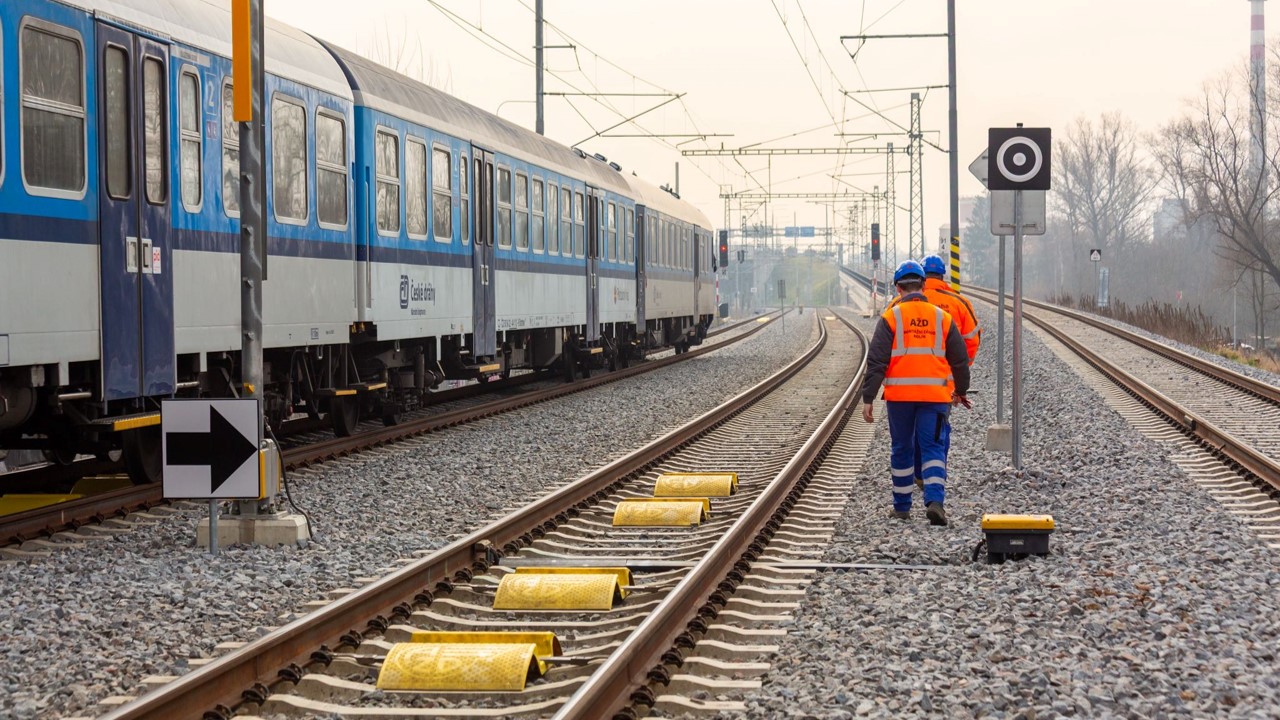
Regarding the European Transport Corridors, Czechia has 664 km of the Baltic Sea – Adriatic Sea Corridor, which in the next four years will operate with ETCS on 82% (546 km) of its length. Currently, most of the corridor lines in Czech territory are already operating under ETCS, while the remaining sections are planned for implementation by 2030, with the exception of three new high-speed lines which are not included in the ETCS deployment plan in Czechia, according to the report published by Matthias Ruete.
In addition, 1,941 km of the Rhine–Danube Corridor lies within Czech territory. Some sections are already operational with ETCS, and within four years the corridor is expected to reach 84% coverage (1,632 km).
Czechia’s priority for the future development of ETCS in its most advanced version is the introduction of exclusive operation on TEN-T network lines. These are the main corridors accounting for around 90% of rail traffic in the country.
At present, 670 km of lines are operating exclusively under ETCS, and a further 180 km will be equipped this year. In December 2026, the entire southern corridor between Prague and České Budějovice will operate exclusively under ETCS.
At the beginning of this year, Správa železnic announced plans to equip 5,200 km of TEN-T network lines by 2032, while the entire 9,344 km network is expected to be equipped with ETCS by 2040.
ETCS upgrade on secondary lines
The ETCS plan in Czechia, presented on 22 May 2026, foresees the expansion and modernisation of the ERTMS so that, in the coming years, around 90% of trains operating in the country will run under the supervision of the most advanced rail safety technology.
For secondary lines, the Czech authorities propose a different approach compared to the main corridors, focusing on simpler and more cost-efficient safety solutions. In addition to lower-level ETCS versions already used in several European countries, the plan also includes the implementation of ETCS PZV (Prostředek k zastavení vlaku – Train Stop Device, a modernised and simplified adaptation of ETCS). The system is compatible with standard onboard ETCS equipment installed on trains and allows an increased level of safety even on low-traffic lines, without requiring significant additional investment from railway operators.
 The new railway safety strategy for routes outside the core network will be adapted to the type of traffic operated on these lines, both passenger and freight, ensuring that implementation reflects the real needs of Czech railway infrastructure. “We are currently in intensive discussions with the European Union Agency for Railways [ERA] regarding the authorisation of ETCS PZV. This system is not unknown to us from a technical point of view; we are already using it in infrastructure modernisation as a temporary safety system. We also have information from other countries that are following our efforts to find an optimal solution for local lines and wish to take inspiration from us. Stopping a train via a safety system is a key aspect of safety,” said Minister Bednárik.
The revision of the ETCS deployment programme also aims to safeguard the economic sustainability of regional lines. The update of the ETCS plan in Czechia “opens up the possibility of securing lines where the installation of the most advanced ETCS version would jeopardise their economic viability. The revision of the programme has taken into account the investments made by contracting authorities and operators in onboard equipment,” said SŽ CEO Tomáš Tóth.
Electrification of lines, an important part of the ETCS plan in Czechia
The ETCS plan in Czechia also includes a major programme for the electrification of railway infrastructure, which foresees the installation of overhead contact lines on approximately 600 kilometres of railway in the coming years. The strategy aims to modernise the network and adapt it to new requirements in passenger and freight rail transport, as well as to the introduction of low-emission technologies.
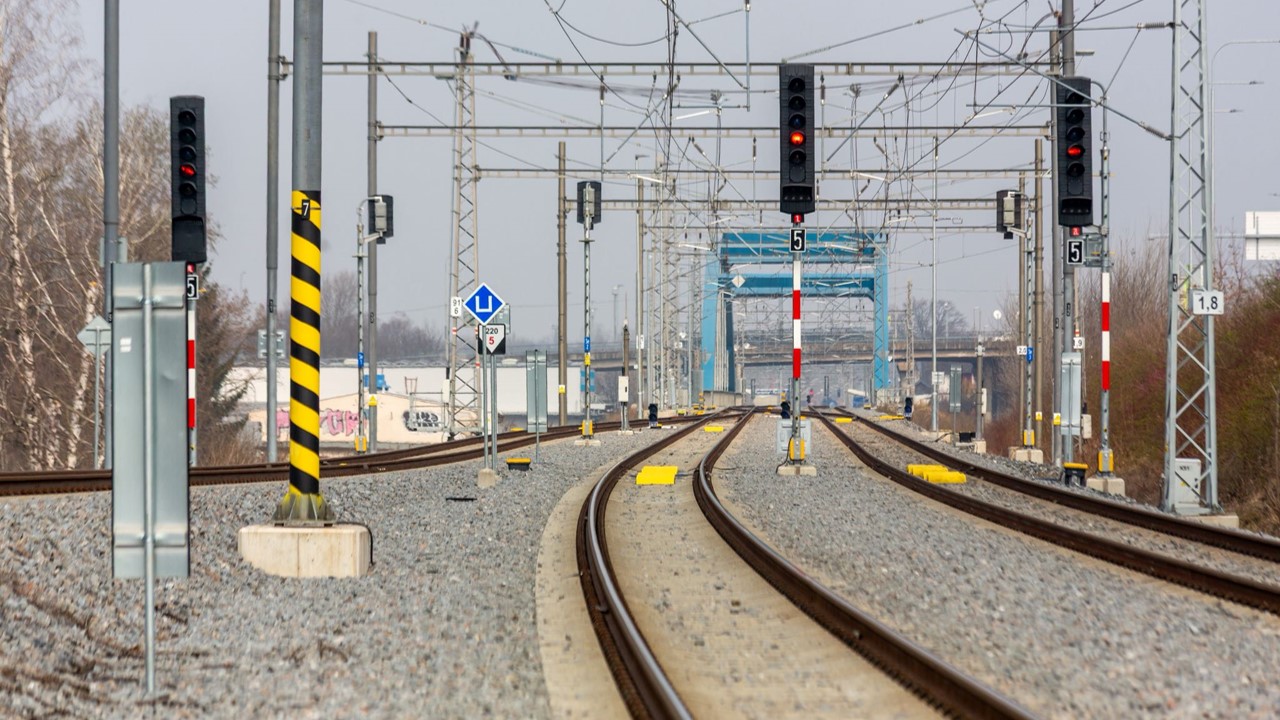 According to the programme presented by Správa železnic, between 2031 and 2033 major modernisation projects will be completed, including the electrification of 235 km of lines. In parallel, a further 355 km of railway will be electrified through simpler works, without major interventions on the existing infrastructure. The plan also includes projects promoted by Czech regions and financed through the Modernisation Fund.
The new railway infrastructure development strategy also takes into account technological changes in the sector, including the expanding use of battery-powered trains, a segment expected to grow significantly in the coming years. The Czech authorities are also supporting the procurement of these vehicles through additional funding programmes, in an effort to accelerate the transition towards a more efficient and low-emission rail transport system.
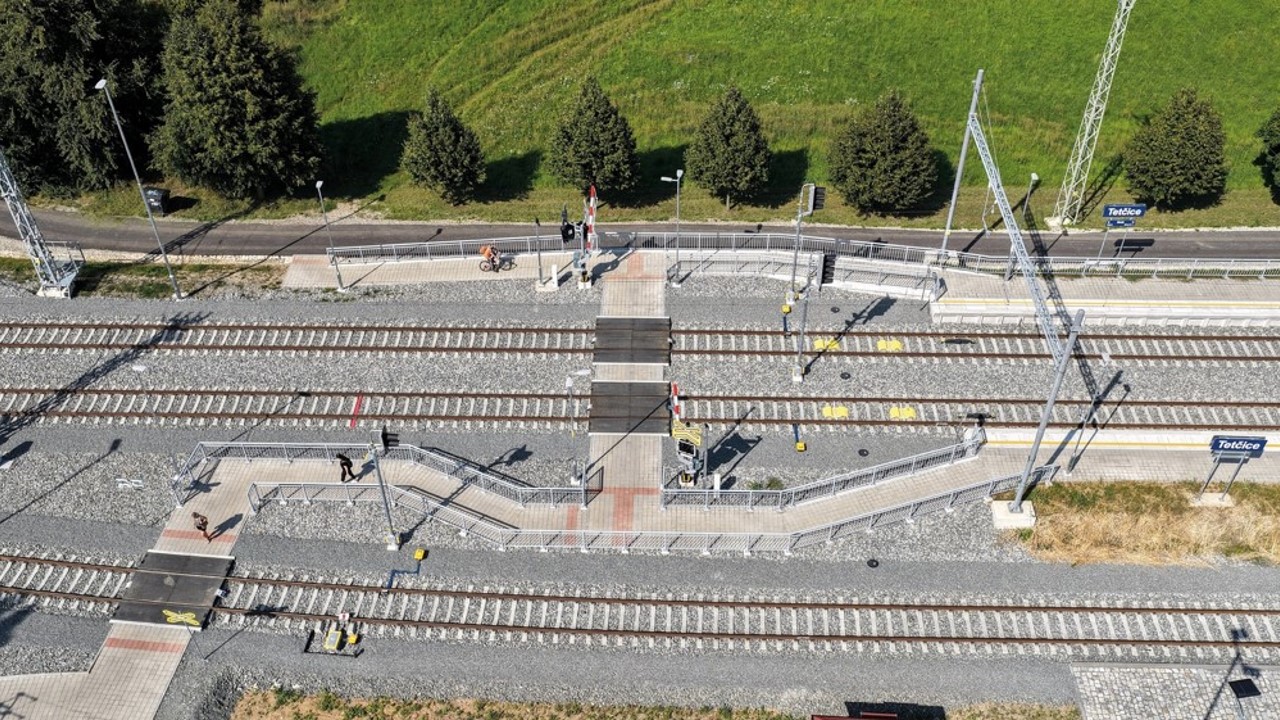 “Our action plan is based on the actual state of readiness of individual projects and on the requirements of operators and contracting authorities. The purpose of electrification is to better target investments where public funds will bring maximum benefit and the greatest multiplier effect, both for passenger and freight operators, and especially for passengers and companies using the railway. At the same time, we aim to develop the network uniformly for the needs of long-distance, freight and regional transport,” said Minister of Transport Ivan Bednárik.
Through the expansion of ETCS and the acceleration of infrastructure electrification, Czechia is strengthening its railway modernisation strategy, aiming to improve traffic safety, reduce operating costs and align rail transport with new European requirements for sustainable mobility.
Share on: 


