
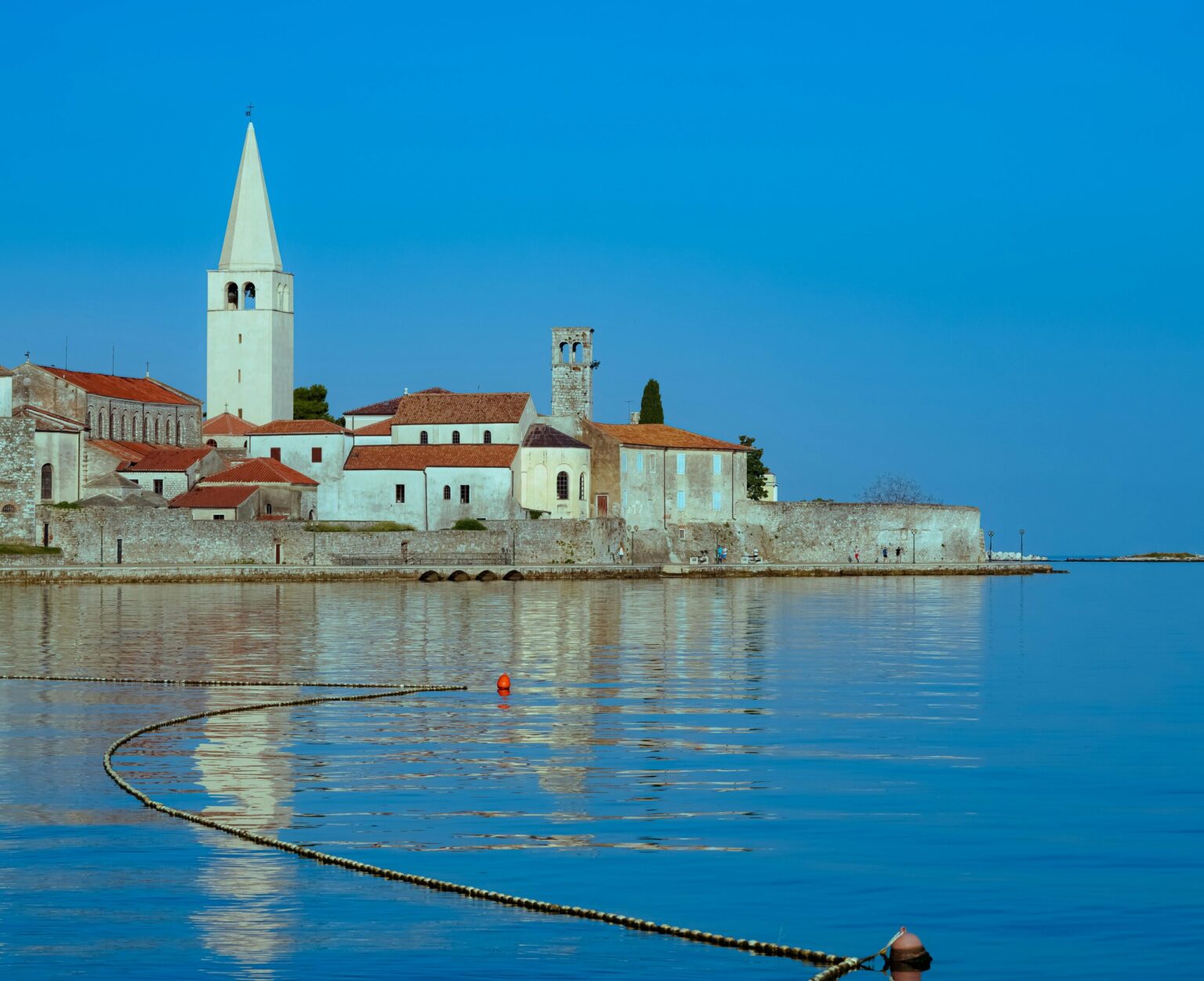
May the 27th, 2026 – There’s a charming Dalmatian town considered to be one of Europe’s most romantic – and it isn’t anywhere even close to the likes of Dubrovnik.
Tucked away on the Dalmatian coast, there is a small historic town many describe as one of Europe’s most romantic destinations. At first glance, it looks just like the rest of ancient Dalmatia, a place where stone streets, sea views and centuries of history come together in an unusually compact setting. It is, however, something quite unusual by Dalmatian standards.
not your typical dalmatian town…
It is Nin, a place not far from Zadar that is home to a surprisingly large historical and cultural legacy. It’s also home to one of Croatia’s most unusual architectural claims: what is often referred to as the “smallest cathedral in the world”.
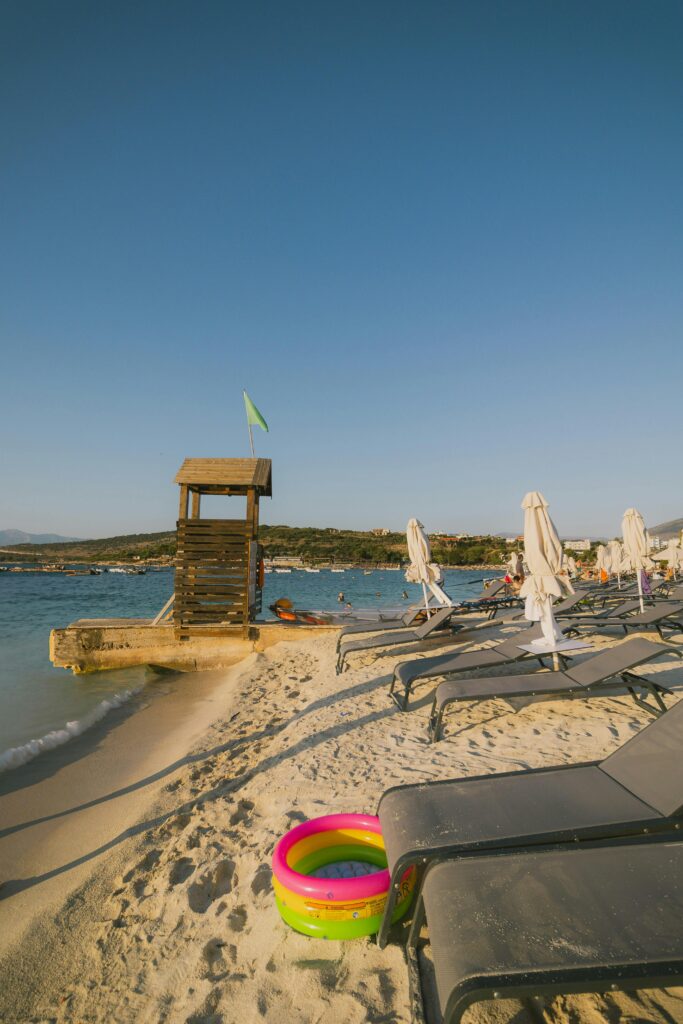
Nin sits on a small island connected to the mainland by stone bridges and shallow lagoons, giving it a distinctive setting that feels almost separated from the rest of the Adriatic coastline. And it truly is. Home to sandy, muddy and fairly lengthy beaches and a strikingly flatter feel, it doesn’t appear like the rest of Dalmatia at all. Historically, it was an important early centre of Croatian statehood and religion, and its compact old town still reflects that layered past.
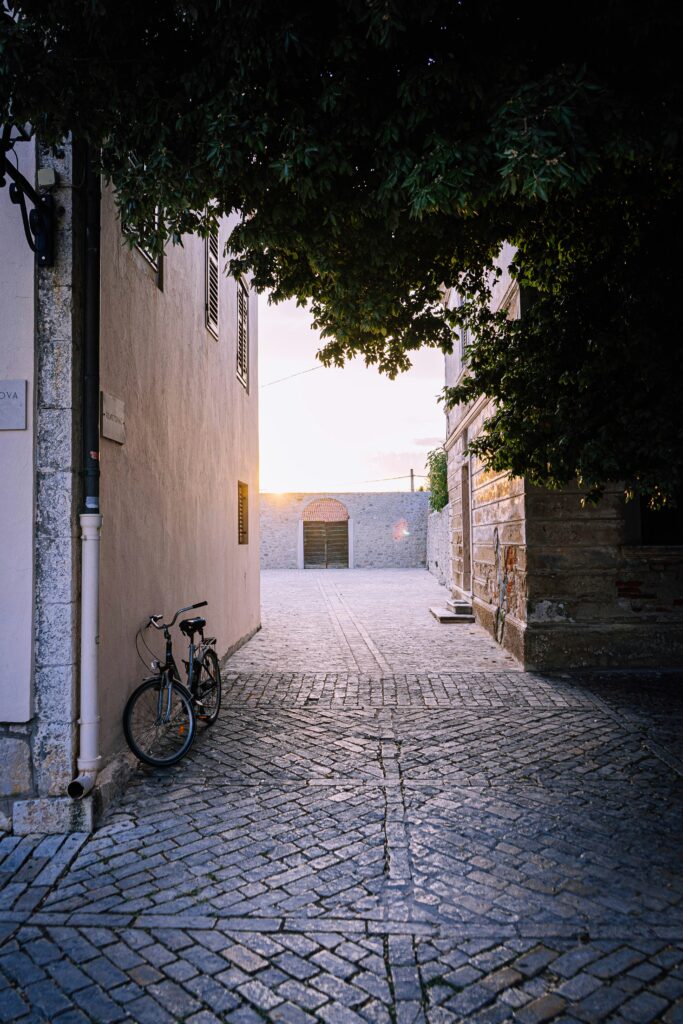
Nin’s atmosphere is also quite unique, marked by calmness, a sense of zen and genuine intimacy, quite the contrast to the larger, more crowded coastal cities further south.
a heart-shaped town, or is it? It depends on the angle…
One of the reasons Nin is frequently described as romantic is its unusual layout. The historic core appears naturally shaped in a way that resembles a heart when viewed from above or on maps, adding to its visual identity and tourist appeal. This distinctive form has helped the town become a popular destination for short visits, especially among travellers exploring northern Dalmatia.
Nin is best known for the Church of the Holy Cross, a pre-Romanesque building dating back to the 9th century It’s the Church of the Holy Cross. Despite its small size, it is often referred to as the “smallest cathedral in the world” because it once served as the seat of the local bishopric in Nin. The building is also known for its unusual architectural design, including carefully calculated proportions that some researchers believe were linked to solar positioning and timekeeping functions. Inside and around the structure, carved inscriptions and early Croatian decorative motifs reflect its importance during the early medieval period.
a living symbol of croatia’s earliest days of statehood
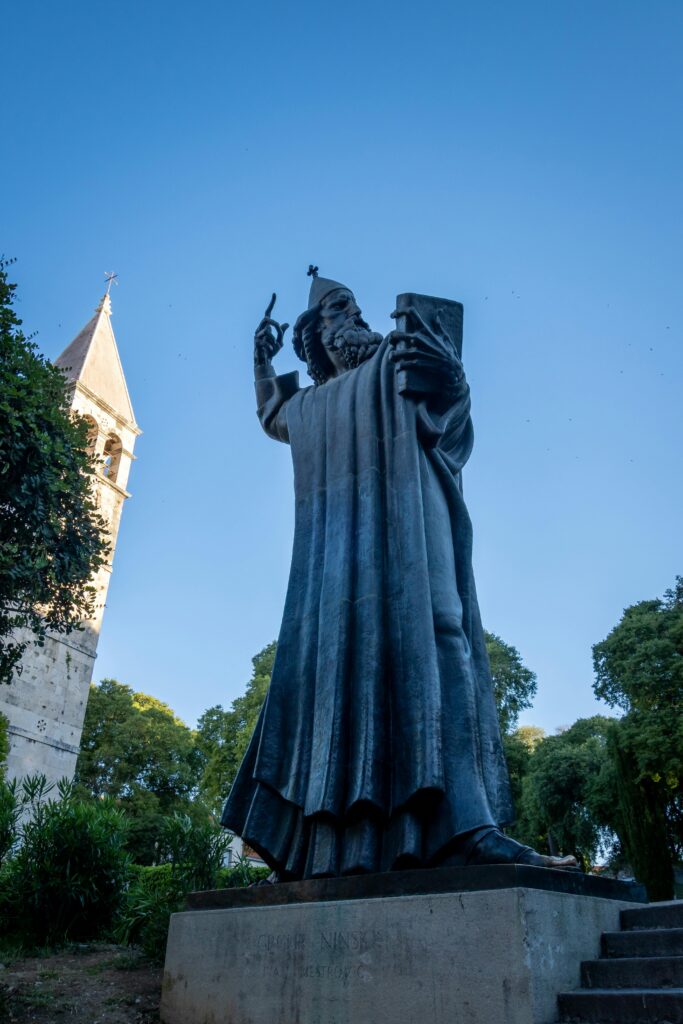
Beyond its growing image of being a Dalmatian town that is one of Europe’s most romantic, Nin carries some seriously significant historical weight. It is often described as one of the cradles of early Croatian statehood, with archaeological and architectural remains that reflect its role during the formation of the medieval Croatian principality. This historical depth is one of the reasons it continues to attract cultural tourism and academic interest.
mud, salt, and a weirdly enchanting landscape
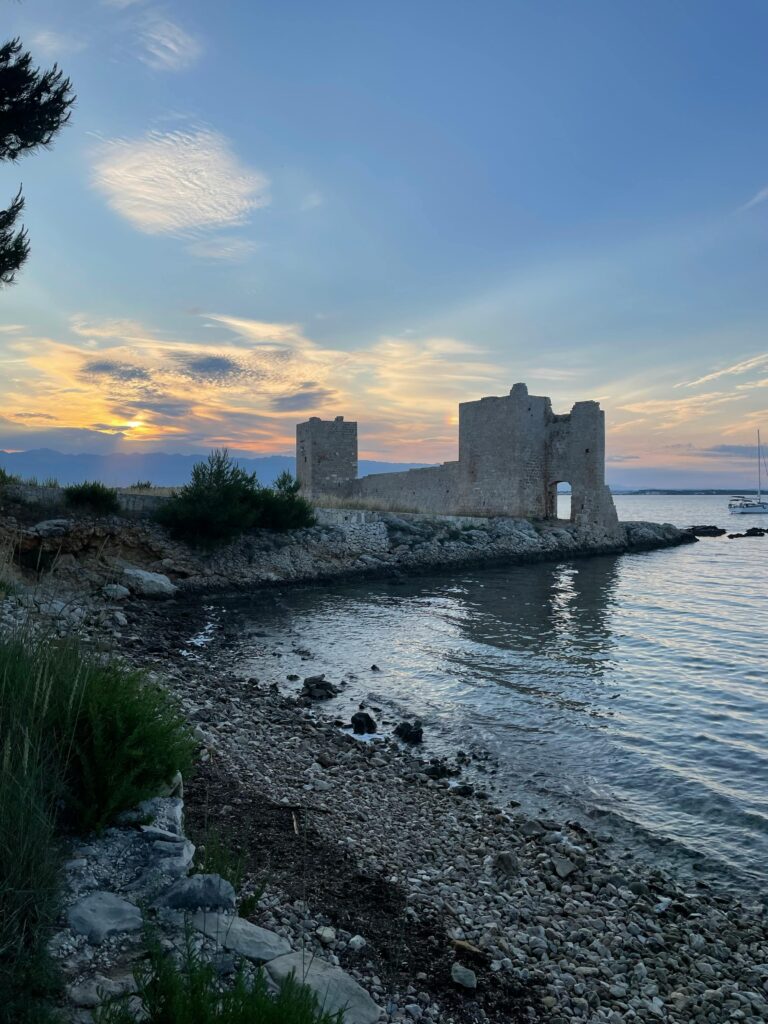
Nin is totally surrounded by shallow lagoons and salt flats, which have shaped local life for centuries. Salt production has historically been one of the town’s most important industries, and the landscape still reflects that connection between nature, economy and tradition. Nearby beaches, including the well-known sandy stretches around the lagoon, further contribute to its tourism appeal.
In contrast to Croatia’s larger tourist hubs, Nin offers a slower pace and more compact experience. Visitors can explore the entire old town on foot in a short time, while still encountering layers of history dating back more than a thousand years. This combination of accessibility, scenery and heritage is what continues to drive its popularity in Croatian tourism coverage.
why is nin cited as being romantic so often?
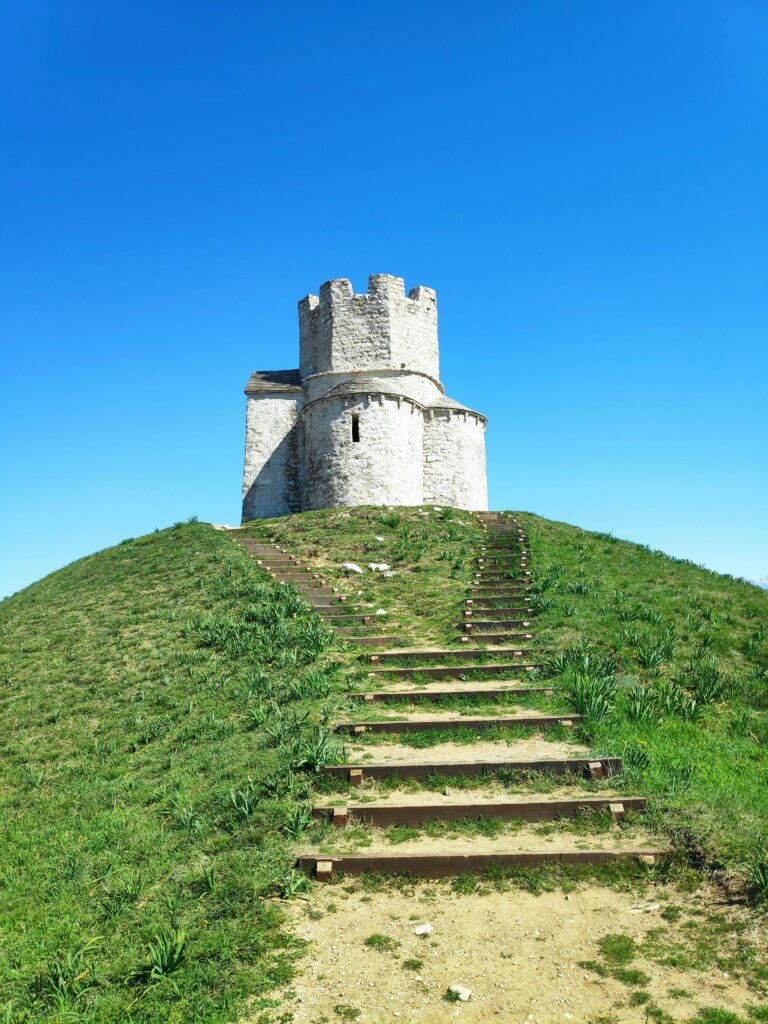
Its reputation as one of Europe’s most romantic small towns comes from a combination of factors. One is naturally its proximity to not only the sea, but the famed Adriatic, as well as its ancient historic core, its symbolic architecture and its quiet, totally walkable atmosphere. Unlike larger destinations built around mass tourism, Nin’s appeal lies in simplicity and atmosphere rather than scale.
While it may be one of Croatia’s smallest historic towns, Nin continues to stand out in Croatian-language travel reporting as a place where history, symbolism and scenery intersect in an unusually concentrated form. For many visitors discovering northern Dalmatia, it often becomes one of the most memorable stops, not because it is large or loud, but because it is quiet, unusual geographically, and full of stories from the past.
Subscribe to our newsletter
the fields marked with * are required