
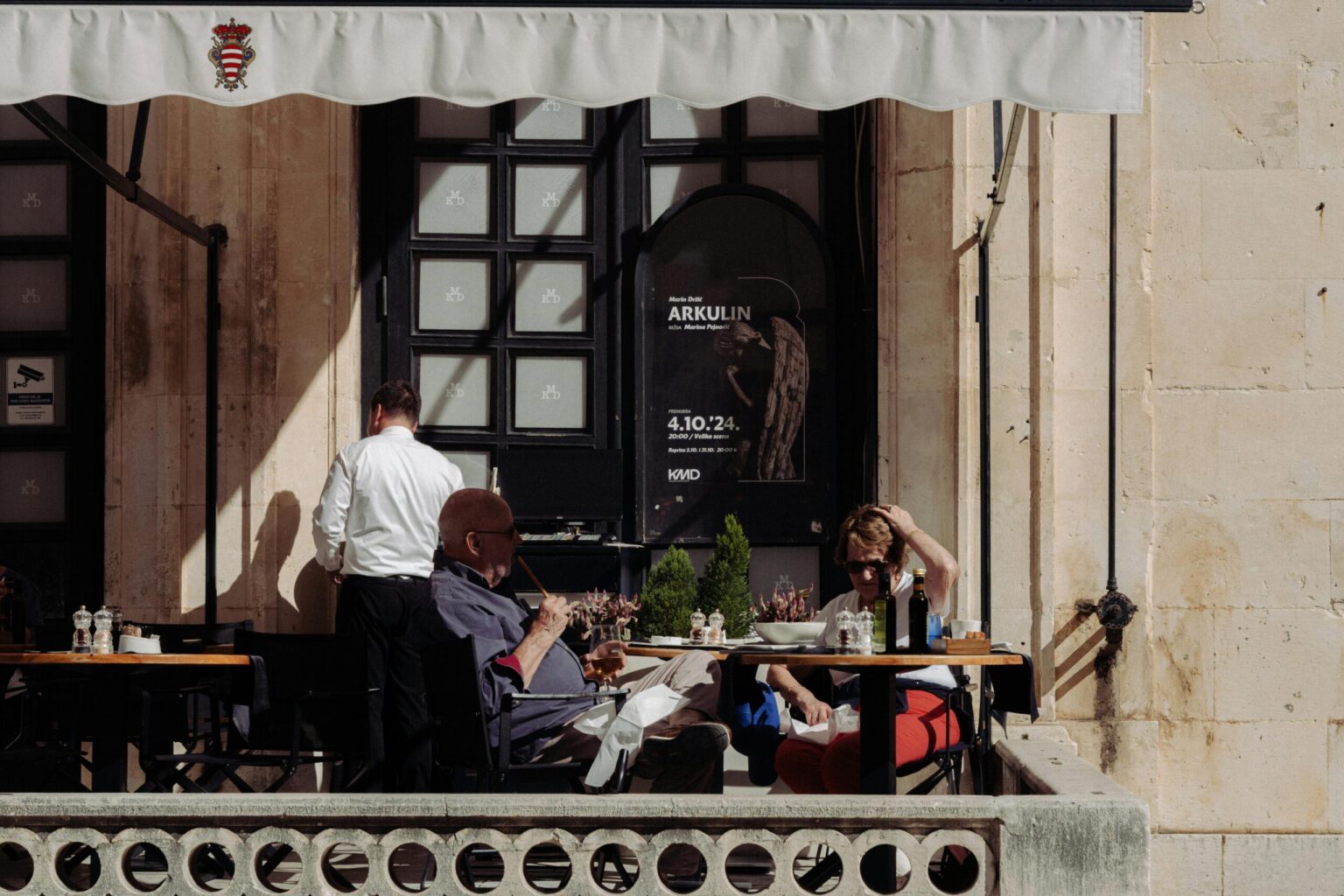
May the 27th, 2026 – Croatia’s workforce is altering at a more rapid pace than many initially expected, turning into one of the country’s most prominent social and economic debates.
Years of emigration, demographic decline and an ageing population have created major labour shortages across multiple sectors, especially tourism, hospitality, construction and logistics. As the economy continued growing after the pandemic, employers increasingly struggled to fill positions locally. The result was a rapid increase in foreign labour recruitment. Few realised it would reach the levels it now has.
Croatia’s tourism industry played a major role in accelerating the transformation. Hotels, restaurants and seasonal businesses along the Adriatic urgently needed workers to maintain operations during increasingly busy summer seasons. Employers therefore turned toward international recruitment agencies and overseas labour markets.
Workers from Asia quickly became an essential part of Croatia’s seasonal economy. Today, in some coastal destinations, foreign workers are now deeply integrated into daily tourism operations.
croatian food served by a filipino isn’t unusual anymore
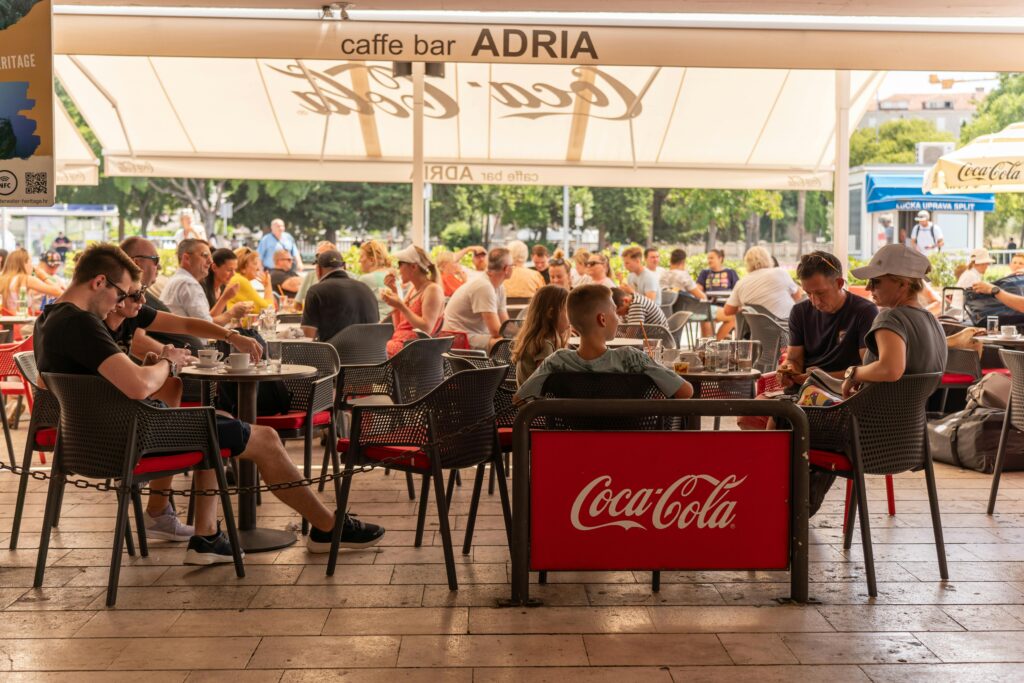
Among the most discussed groups are workers from the Philippines. Filipino workers are now found working in hospitality, healthcare and service industries across Croatia. They’re typically described as reliable, adaptable and strongly integrated into workplace environments. At the same time, several recent high-profile incidents involving foreign workers have intensified public debate around integration, public behaviour and social attitudes. That goes without mentioning the unacceptable situation in which a young Croatian woman attacked a Filipino man in the heart of Zagreb for reasons yet unconfirmed.
public opinion is becoming more and more divided
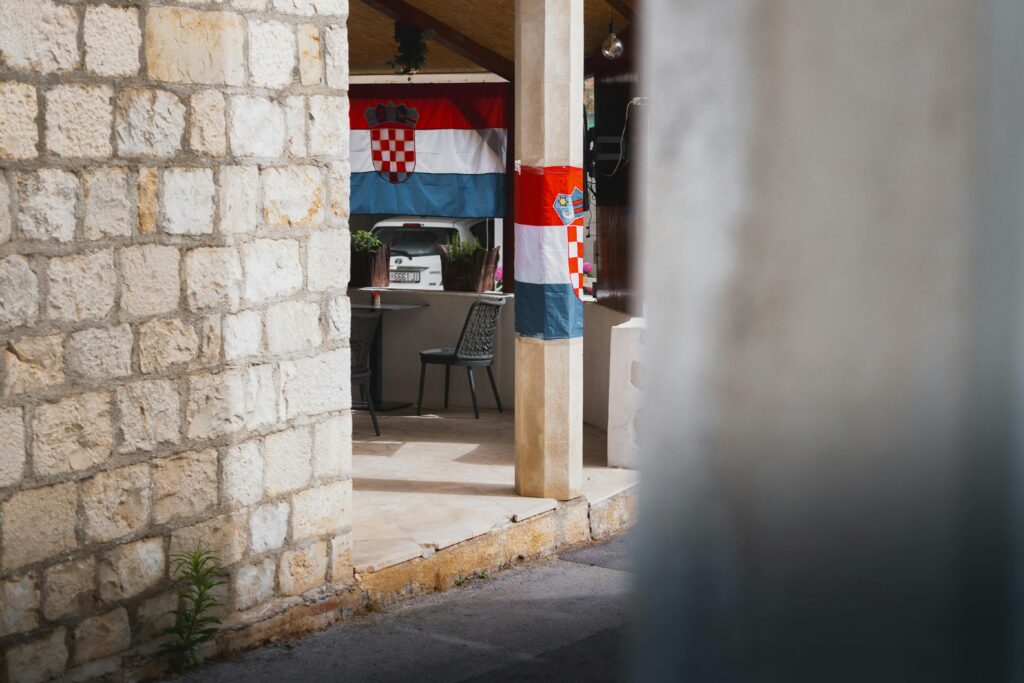
The issue now extends beyond economics. The entire topic of foreign labour is now being framed as a broader social transformation affecting identity, urban life and demographics. Some view the shift positively, arguing that foreign workers are helping sustain the economy and compensate for labour shortages that would otherwise seriously damage tourism and business activity. Others often express discomfort about the speed of change, especially in smaller communities where international migration was previously limited.
Underlying the debate is a larger demographic problem that has dogged the country for many decades. Croatia’s population has declined significantly over recent decades due to low birth rates and emigration toward Western Europe. Across many sectors, there are simply not enough domestic workers available. This means foreign labour is increasingly viewed not as a temporary solution, but as a structural necessity.
employers claim that the economy now depends on foreign workers
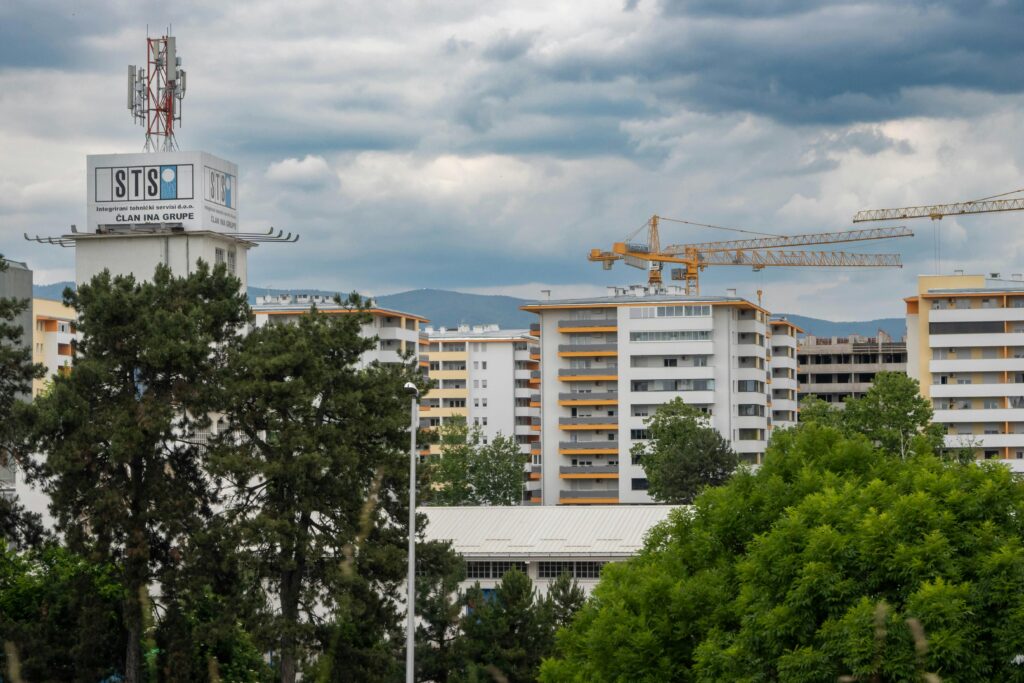
Business organisations and employers regularly warn that many industries would struggle to function without imported labour. Construction projects, tourism operations and delivery services increasingly rely on international workers to maintain staffing levels. Some Croatian businesses now actively market themselves abroad in order to recruit employees.
As foreign worker numbers grow, integration is becoming a central issue. Housing, language learning, legal protection and social inclusion are all emerging topics within Croatian public debate. Questions about how Croatia adapts to becoming a more internationally diverse labour market are becoming increasingly important politically and socially.
What makes the conversation especially sensitive is the speed of transformation. Croatia historically experienced relatively low levels of visible immigration compared to many Western European countries. Now, however, the shift is happening rapidly and visibly within everyday urban life. For many residents, the country feels noticeably different compared to just five or ten years ago.
Most indicators suggest foreign labour numbers in Croatia will continue growing in the coming years. Demographic pressures remain strong, tourism demand continues rising and many industries still face worker shortages. That means Croatia is entering a new phase, one where immigration, integration and workforce transformation are likely to become permanent national discussions rather than temporary economic issues.
The constant debate now is exactly what that might look like going forward.
Subscribe to our newsletter
the fields marked with * are required