
This paper aims to present an objective cross-section of Türkiye’s defence industry development. The data used has been drawn from institutional sources — including the Presidency of Defence Industries (SSB), TÜBİTAK, and the Presidency of Strategy and Budget — as well as from independent international organisations such as SIPRI and IISS, and from the academic literature, with cross-verification applied throughout.
Institutional sources have been used solely for data purposes; the promotional and target-oriented language characteristic of such sources has not been carried over into this analysis. Achievements and shortfalls, targets and actual outcomes, strengths and vulnerabilities have all been treated with equal weight.
This paper is not a celebratory account — it is a diagnostic assessment. Its fundamental principle is to present the available evidence as it is, enabling the reader to form an independent judgement. Numerous populist narratives circulate in the defence industry domain; this paper does not seek to replace them, but to place an analytical reference point alongside them.
1.1 The Breaking Point: The 1974 Arms Embargo
The appropriate starting point for understanding the transformation of Türkiye’s defence industry is the arms embargo imposed by the United States and certain allies in the immediate aftermath of the 1974 Cyprus Peace Operation, and the structural vulnerabilities it exposed. The embargo was not merely a supply disruption — it was a test that laid bare the fragile foundations of a security architecture built on single-source dependency.
At the time, the Turkish Armed Forces (TAF) were almost entirely reliant on a single external source for spare parts, ammunition, and modernisation. The operational cost of that dependency was severe: logistical constraints had a direct impact on combat readiness, maintenance capacity contracted, and the conditions for strategic manoeuvre were severely undermined.
The lasting effect of the embargo was not the short-term disruption it caused, but the strategic perceptual shift it triggered. The realisation that single-source external dependency does not produce security — that it creates security vulnerabilities — was internalised during this period and would profoundly shape the institutional and policy choices of subsequent decades.
1.2 The Institutional Response: Foundation Companies and the Birth of the SSM
The initial response to the embargo took shape at both the institutional and societal levels. Mass campaigns captured by the slogan ‘Build your own aircraft’ channelled public donations into the Turkish Armed Forces Foundation (TSKGV), generating a sense of civic ownership that extended beyond political decision-making and provided the newly established companies with a durable foundation of legitimacy. Under the umbrella of force enhancement foundations, companies began to be established to meet the armed forces’ basic requirements through domestic means — a process that laid the cornerstone of today’s defence industry ecosystem.
ASELSAN was established in 1975 as a permanent response to the communications crisis experienced during the operation, with an initial focus on radio and electronic systems. HAVELSAN followed in 1982 in the software and simulation domain, while ROKETSAN was constituted in 1988 to address analogous gaps in rocket and missile technologies. TUSAŞ (TAI) took shape in 1984 as the institutional vehicle for the F-16 co-production agreement signed with the United States.
The legal framework for this institutional transformation was established in 1985 through Law No. 3238. This legislation created the Undersecretariat for Defence Industries (SSM, subsequently redesignated SSB), tasked with managing defence procurement under centralised and professional civilian authority, and established the Defence Industry Support Fund (SSDF) to ensure the long-term financing of projects free from political fluctuation. This fund structure has remained the most critical mechanism sustaining the continuity of defence programmes from that day to the present.
1.3 Phase One: From Maintenance to Co-Production (1985–2004)
The core strategy of the 1985–2004 period was licensed production and joint venture modelling. Türkiye sought to conclude technology transfer-oriented agreements with foreign firms, both to meet operational requirements and to build a domestic engineering base.
The emblematic project of this era is the F-16 programme. The partnership with General Dynamics enabled the production of over 240 F-16s on Turkish soil and the establishment of an aviation industrial base. In the naval domain, cooperative work conducted with Thales Nederland (Signaal) provided the first in-depth technical foundation in combat management systems — a foundation that would subsequently underpin the indigenous development of the GENESIS combat management system aboard MILGEM vessels.
Critical observation: A significant proportion of technology transfer agreements concluded during this period were focused on assembly and structural component production; propulsion systems and critical electronic components were, with limited exceptions, largely excluded from the transfer scope. This circumstance is regarded as the principal source of the structural dependencies that would recur in different forms in subsequent periods.
A further notable characteristic of the period is that a considerable proportion of projects were completed with significant schedule delays and cost overruns — reflecting the real constraints of institutional capacity and coordination challenges that prevailed at the time.
1.4 Phase Two: Paradigm Shift (2004–Present)
The ground for the 2004 paradigm shift was prepared by a policy document dating from 1998. The Principles of Turkish Defence Industry Policy and Strategy (TSSPSE), which entered into force through Council of Ministers Decree No. 98/11173 of 25 May 1998, categorised defence products systematically for the first time: ‘those required to be national’, ‘critical systems’, and ‘other systems’. This classification placed the question of which requirements must be met through domestic and national means within a legal framework, opened the way for national prime contractor practice, and established the strategic priorities of the decade that followed. The decision taken in 2004 was built upon this foundation.
The year 2004 represents a genuine inflection point in the history of Türkiye’s defence industry. The decision taken by the Defence Industry Executive Committee (SSİK) that year envisaged the systematic abandonment of the ‘off-the-shelf procurement’ model in favour of original design projects whose intellectual property would be vested in Türkiye.
This was not a shift in orientation — it was a strategic paradigm transformation. Sector turnover grew from approximately one billion dollars in 2002 to over fifteen billion dollars in 2023. Defence exports rose from approximately 800 million dollars in 2010 to 7.1 billion dollars in 2024. According to SSB data, the domestic content rate reached 83 per cent over the same period.
Methodological note: Understanding how these figures are calculated is important. The SSB’s Domestic Contribution Rate (YKO) methodology encompasses not only physical product content but also design, engineering effort, software, and registered intellectual property. This broad definition has an upward effect on the ratio. The actual level of dependency in critical technologies cannot be fully expressed through a single percentage figure; this question is addressed in detail in Section 3.
In 2017, the defence industry was placed under the direct authority of the Presidency, and in 2018 the institution was redesignated as the Presidency of Defence Industries (SSB) by Presidential Decree No. 7. This restructuring centralised decision-making processes and enhanced the influence of political will in the prioritisation of major programmes. In subsequent years, operational successes in various theatres and growing international visibility both raised the sector’s global profile and redefined the weight of domestic private-sector actors within the ecosystem.
2.1 The S-400 Decision and Exclusion from the F-35 Programme
The S-400 procurement decision announced in 2017, and Türkiye’s subsequent exclusion from the F-35 Joint Strike Fighter programme in 2019, constitute the most complex turning point of the past two decades. The effects of this sequence on the ecosystem are both concrete and enduring.
The industrial cost of exclusion from the F-35 programme was substantial. Turkish firms carried commitments to produce approximately twelve billion dollars’ worth of components and sub-systems under the programme. The termination of this extensive production partnership forced those firms to forfeit their positions within a global aerospace supply chain; planned revenue streams were eliminated, and the technological learning opportunity inherent in that partnership was foregone.
At the operational level, the S-400 remained a standalone system incapable of integration into NATO’s integrated air defence network. This means the system cannot be operated at full capacity or integrated into the Alliance’s network-centric operational concept. The technology transfer that was expected to accompany the acquisition did not materialise with respect to critical control technologies and source codes.
CAATSA sanctions imposed on the SSB complicated the export of Turkish platforms incorporating US-origin components to third countries. The ATAK helicopter is the most visible example of these constraints; the export licensing process for delivery to customer states continues to present difficulties.
At the same time, the crisis demonstrably accelerated domestic development programmes. The elevation of the KAAN programme in the priority order, the acceleration of the SİPER long-range air defence programme, and the prioritisation of initiatives such as the TF6000 indigenous engine project are direct reflections of this crisis. In short, while the crisis generated immediate losses, it simultaneously catalysed certain strategic endeavours over the longer term.
2.2 The Unmanned Systems Leap: Context and Constraints
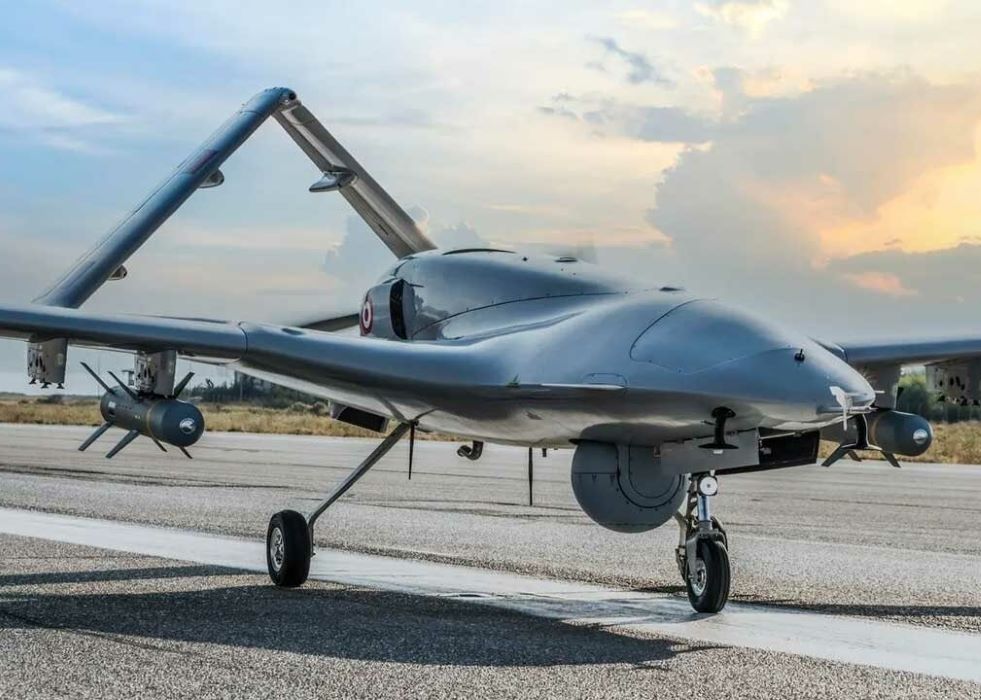
Türkiye’s international visibility in the unmanned aerial vehicle (UAV/UCAV) domain is the product of accumulated technical, institutional, and operational capability converging with a particular strategic conjuncture. The foundations were laid by the HERON programme, under which TUSAŞ was designated prime contractor while ASELSAN and Milsoft were assigned responsibility for electro-optical systems and the ground control station respectively. Baykar’s TB2 and AKINCI systems, together with TUSAŞ’s ANKA family, subsequently brought ASELSAN’s electro-optical targeting systems, ROKETSAN’s precision-guided munitions, and indigenous software infrastructure together under a single operational architecture. This integration is the product of the maturation of subsystem capabilities that had been developing independently over many years.
From a strategic perspective, operational experience gained in Azerbaijan, Libya, and Ukraine provided the opportunity for real-environment testing of these systems and made a direct contribution to doctrinal development. A price point considerably lower than Western counterparts, combined with fewer end-user restrictions on exports, facilitated demand generation in global markets.
Points requiring careful consideration: The TB2 is powered by an Austrian-manufactured Rotax engine, while the AKINCI employs Ukrainian-built AI-450C engines. Engine dependency remains a vulnerability that continues to be overshadowed by the success narrative of the unmanned systems domain. Moreover, given the pace at which competing nations are developing analogous capabilities, the durability of the current competitive advantage remains an untested assumption.
2.3 Growth in Defence Exports: Figures and Context
Defence and aerospace exports, which stood at approximately 800 million dollars in 2010, reached 5.54 billion dollars in 2023 and 7.1 billion dollars in 2024. The SSB’s target for 2028 is in the range of 10 to 12 billion dollars.
An examination of the composition of this growth reveals that exports are not confined to platform sales. In 2023 data, civil aviation and MRO (maintenance, repair, and overhaul) services accounted for the largest share of the total, while military aviation represented approximately 13 per cent, the weapons and munitions category around 20 per cent, and land platforms approximately 19 per cent.
From a geographical standpoint, a significant proportion of exports are directed to Middle Eastern, African, and Central Asian markets. North American and European markets also account for a share, though the composition of sales in those markets is predominantly drawn from product categories less affected by CAATSA restrictions.
The figure of ‘exports to 185 countries’ therefore warrants careful interpretation. This number reflects a broad definition encompassing spare parts, maintenance services, and secondary products — not exclusively major platform sales. Strategic-significance platform exports correspond to a considerably smaller subset of that country count.
2.4 Major Flagship Programmes: KAAN and Beyond
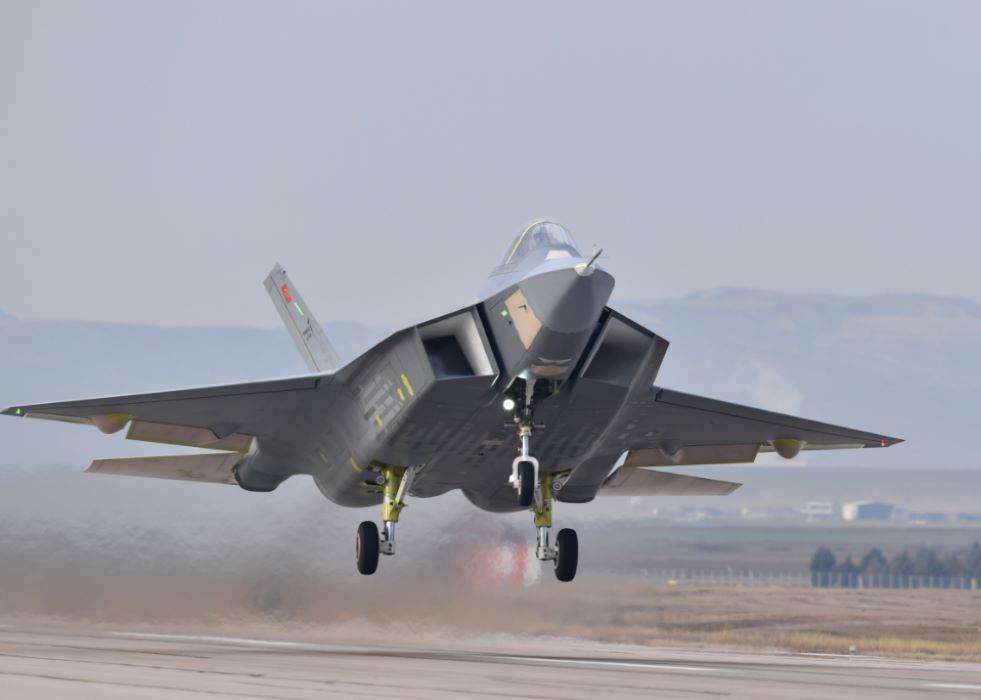
The KAAN National Combat Aircraft is the most complex and highest-risk defence programme Türkiye has undertaken to date. In terms of technical difficulty, it occupies a domain in which the number of countries capable of developing a fifth-generation combat aircraft is extremely limited.
The current status of the programme indicates that initial flight trials — conducted with the design support partnership with BAE Systems in effect — have been completed successfully. The critical problem remains engine dependency: KAAN is currently flying on the F110 engine. Transition to serial production requires both an indigenous engine and domestic substitutes for critical subsystems to be ready. Whether the TF6000 indigenous engine programme will close this gap on schedule is the variable that will determine the programme’s true strategic independence value.
2.5 A Strategic Milestone: Mission Computer Capability
A capability that has remained overshadowed by major platform programmes and export figures, yet carries exceptional strategic value, is the acquisition of mission computer capability. In contemporary operations, all land, air, naval, and space platforms are managed by a mission computer and the complex software running upon it. This capability is the nervous system that connects and integrates all sub-systems of a platform — avionics, sensors, weapons, and communications.
A nation lacking this capability cannot integrate indigenously developed avionics, missiles, radars, or electro-optical pods onto its own platforms, nor can it operate those platforms autonomously or sustain their modernisation. In other words, sovereignty over a platform is only complete when sovereignty over its mission computer is also achieved. In the absence of that condition, even a platform that appears physically domestic continues to operate according to an externally defined logic.
Türkiye acquired this critical capability through the F-4/2020 modernisation programme, in partnership with international industry and through substantive indigenous engineering work. The engineers who developed their expertise on that programme now constitute the technical leadership cadre of programmes such as KAAN, HÜRJET, ANKA, and MILGEM. Mission computer capability is one of the foundational pillars upon which all platform independence rests — a milestone that does not appear in domestic content rate statistics, but upon which the entire edifice of platform autonomy is constructed.
3.1 Domestic Content Rate: The Meaning Behind the Figure
According to SSB data, the domestic content rate in the defence industry reached 83 per cent by 2024. This represents a genuinely remarkable advance from the 20 per cent level recorded in 2002. However, understanding what this figure measures — and what it does not — is essential for an accurate assessment.
The Domestic Contribution Rate (YKO) methodology employs a comprehensive definition: it counts not only physical production but also design effort, engineering services, software, and registered intellectual property as domestic inputs. This broad definition may elevate the ratio beyond what genuine technological independence would warrant.
A further critical feature of the methodology is that items whose cost share falls below 0.5 per cent may be counted as 100 per cent domestic without technical review. As long as the aggregate of such items does not exceed 10 per cent of total cost, no additional verification is required. This threshold opens the possibility for products invoiced by a domestic intermediary firm but containing imported components to appear as fully domestic ‘on paper’.
The more fundamental problem is that the domestic content rate measures domesticity, not independence. A system’s components may be manufactured in Türkiye, yet the engine, sensor, or guidance software critical to the platform on which that system operates may originate in another country. Dependency arising from restrictions on the supply or use of such critical components continues to constrain the strategic autonomy and operational independence of the end system.
3.2 Critical Dependency Areas
Understanding Türkiye’s genuine vulnerabilities requires moving beyond the domestic content rate and examining which categories of dependency persist and in what form.
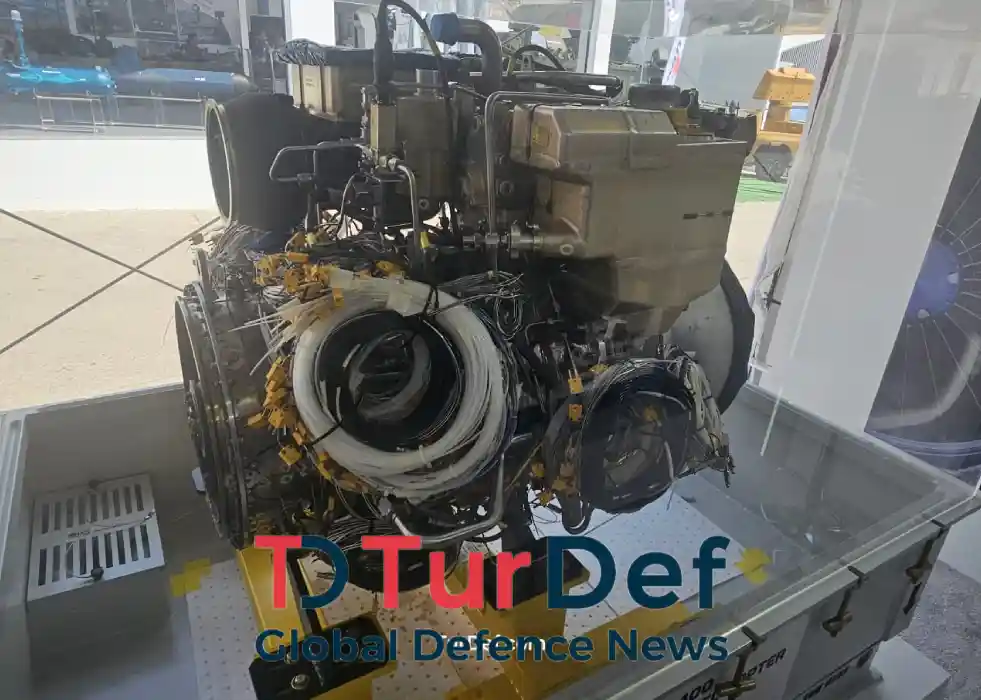
Engine and propulsion systems remain the most conspicuous area of structural dependency. KAAN’s reliance on the F110, HÜRJET’s use of the F404, and the unresolved engine question for the ALTAY’s serial production run all illustrate that progress in platform manufacturing has yet to find its counterpart in propulsion systems. The TF6000, BATU, and UTKU programmes are targeted at closing this gap, but whether these programmes will meet their schedule and capacity objectives remains uncertain.
Progress is being recorded in the electronics and semiconductor domain. The semiconductor chip development efforts of TÜBİTAK’s Semiconductor Research Laboratory (YİTAL), Bilkent NANOTAM’s GaN-based semiconductor work, ODTÜ MEMS Centre’s detector projects, and TÜBİTAK BİLGEM’s RF technology developments all represent tangible capabilities. Among the most significant advances is the development of Türkiye’s first indigenous processor, Çakıl — a 65nm processor jointly designed by TÜBİTAK BİLGEM and ASELSAN and manufactured in Malaysia. Private-sector firms such as YONGATEK and Electra IC are also engaged in chip design and development. Nevertheless, external dependency persists in advanced sensors, high-precision infrared detectors, and certain critical microchip categories. The restriction of supplies in these domains on diplomatic or geopolitical grounds carries the potential to directly affect production processes.
In the field of raw and advanced materials, nickel-based superalloys, titanium alloys, and aviation-grade carbon fibre prepreg materials remain among the categories that domestic sourcing and production capacity cannot yet fully supply.
3.3 R&D Structure: A Significant Imbalance
According to 2023 data, total R&D expenditure in Türkiye’s defence industry reached approximately 2.6 billion dollars. This scale is not insignificant. However, the composition of that expenditure merits careful scrutiny.
92 per cent of the R&D budget is directed towards product development (PD) activities, while only 8 per cent is allocated to technology development (TD) — the activities that lay the groundwork for next-generation systems and breakthrough technologies. This ratio may constitute an effective strategy for bringing today’s products to market rapidly, but it signals a significant gap in preparedness for the game-changing technologies that will emerge in the future.
A critical observation regarding the funding structure: In 2023 data, government incentives and project financing increased by 28 per cent, while the share of R&D expenditure drawn from companies’ own resources declined by approximately 10 per cent. An R&D structure that becomes progressively more reliant on government support risks eroding the sector’s inherent risk-taking capacity over the long term. 2024 and 2025 sector R&D data have not yet been published in full; accordingly, the PD-TD ratio analysis is based on the 2023 SASAD Performance Report, which represents the most current available data. While the growth trend in general sector indicators has continued into 2024 — with defence expenditure reaching approximately 25 billion dollars, exports rising to 7.2 billion dollars, and Türkiye moving to 11th place in global arms supplier rankings — the structural picture regarding the PD-TD balance awaits the publication of the 2024 SASAD report.
3.4 The SME Ecosystem: The Picture in the Shadow of Growth
An examination of the lower tiers of the defence ecosystem reveals that the growth recorded at the upper echelon has not been distributed evenly across the entire structure. According to 2023 data, while prime contractors’ revenues increased, sales to domestic sub-contractors contracted by approximately 15 per cent — presenting a picture of an ecosystem whose apex is expanding while its base is being compressed.
The principal structural obstacles for SMEs are: delayed payment and cash flow bottlenecks imposed by prime contractors; input cost increases driven by exchange rate depreciation; the heavy bureaucratic burden of certification and security clearance processes; and insufficient R&D and design capability. The mandatory SME work-share obligation (a minimum of 21 per cent) placed on prime contractors contributes to mitigating these problems in practice, yet the cash flow problem persists.
3.5 Human Capital: Young but Fragile
The sector’s near-91,000 workforce and average age of 34 point to a dynamic and youthful structure. However, this headline figure conceals two significant risks.
This picture must be evaluated alongside the ecosystem’s accumulated capital. Engineers trained at ODTÜ, İTÜ, Bilkent, Boğaziçi, Hacettepe, and other leading institutions form the backbone of defence industry companies. The postgraduate education and joint research partnerships established with these institutions serve as bridges that carry academic knowledge into production environments. When considered alongside the breadth of the supply chain, the base of engineers and technicians the sector employs today — together with critical process competencies such as quality assurance and configuration management — constitutes one of the defence industry’s most valuable assets.
The strategic outputs of this engineering base cannot be measured by product numbers alone. The accumulated expertise spanning mission computer capability, sensor integration, combat management systems, and software architecture now supplies the technical leadership cadre of programmes such as KAAN, HÜRJET, and MILGEM. The manner in which this capability was built is addressed in Section 2.5.
The first significant risk to this strategic human capital is brain drain. The departure of qualified engineers and experienced managers abroad is acknowledged even in institutional sources as one of the sector’s most serious strategic vulnerabilities. The numerical decline in senior management posts observed during 2021–2022 is a concrete indicator of this migration.
The second risk is the loss of experience. The departure of senior personnel following early retirement arrangements carries the risk of leaving an irreversible imprint on institutional memory. This knowledge is of a kind that does not appear in documents — it lives in individuals and in relationships; replacing it requires a process that unfolds over years. As in other sectors, mandatory retirement at certain age thresholds is also considered to represent one of the vulnerabilities that merits careful attention.
In Western defence ecosystems, a structural response to this problem has been developed: senior specialists who have served for many years in industry and in the armed forces do not disengage from the system upon retirement, but continue to transmit their institutional knowledge through think tanks, advisory boards, and independent strategy groups. Organisations such as RAND Corporation, CNA, and the Institute for Defense Analyses represent the best-known examples of this model. This mechanism not only preserves individual knowledge; it ensures that practical field experience flows regularly into strategy, concept, and doctrine development processes. In Türkiye, the number, institutional capacity, and coordination of structures capable of fulfilling this function have yet to reach a level adequate to meet this need.
4.1 Conceptual Framework
In the defence domain, the ‘off-the-shelf concept trap’ is a form of constraint that operates not in the technical layer but at a far deeper conceptual level. When a country procures a system developed by another nation, or produces it under licence, it does not merely acquire a technical tool; it effectively adopts the operational logic, the employment doctrine, and the set of strategic assumptions upon which that tool was built.
The concept of the ‘off-the-shelf concept trap’ was first brought to public attention in the Turkish defence industry literature by Osman Sadi Dereli and Nida Kuşku, in C4 Defence magazine (Issue 84, April 2020) and at the SAVTEK 2024 symposium. The concept defines the phenomenon of being compelled to adopt not only the technical dependency inherent in a procured system but also the operational logic and strategic assumptions that system carries. This phenomenon is examined in the international defence literature under the heading of ‘conceptual dependency’, and its manifestations specific to Türkiye are addressed in detail in those works.
In this conceptual framework, a system that operates according to the definitions established by another nation, the parameters it has set, and the framework it has designed continues to carry the strategic perspective of the country that created that framework. Even when technical maintenance and spare parts dependency has been eliminated, conceptual dependency may persist — because personnel, procedures, and habit structures that have internalised the logic of that system are now in place.
Türkiye experienced this phenomenon profoundly during the Cold War period. Western systems used over decades brought with them an operational culture rooted in NATO doctrine. Turkish military planning took shape within that culture; over time, the logic of those systems began to shape the very manner in which requirements were defined.
4.2 Contemporary Manifestations of the Trap
The 2004 paradigm shift and the indigenous platforms subsequently developed represent important steps in breaking conceptual dependency. However, the trap can persist in different forms.
The first manifestation is the structural tension inherent in the requirements generation process. The defence requirements process can enter a cycle in which both the military and the defence industry are shaped by the other’s constraints: the military, in circumstances where it cannot fully articulate its genuine operational requirements due to classification restrictions and organisational culture, requests by describing capabilities it observes in its environment. Industry, in circumstances where it does not have sufficient knowledge of the military’s genuine operational needs, presents what it can produce as a concept. When no common discovery space is created, both parties end up shaped by each other’s limitations.
The output that emerges under these structural conditions reflects neither the military’s genuine requirement nor industry’s genuine capability in full. This phenomenon, characterised in the defence literature as ‘requirements capture failure’, generates a vulnerability not in the technical layer but in the conceptual layer. The solution is a structured joint discovery process — grounded in scenario-based and capability-based methodologies — that brings both parties to the same table.
The second manifestation is the PD-TD imbalance in the R&D structure. The allocation of 92 per cent of the R&D budget to the development of existing products, with only 8 per cent directed towards foundational technology development, effectively confines the sector within the existing technology paradigm. Moving to a position where one defines the game-changing technologies of the future and builds concepts upon them requires this balance to shift. Otherwise, even when technical originality is achieved, the conceptual framework continues to operate within boundaries defined by others.
The third manifestation is the risk posed by top-down political decision processes to conceptual coherence. The S-400 procurement is characterised even in institutional sources as a process in which political deliberations took precedence over technical and operational criteria. This system, which cannot be integrated into the NATO network, is today effectively constrained to standalone operation. This situation demonstrates that the determining factor for conceptual independence is not purely technical — it is equally a function of the quality of the decision-making process.
4.3 The Military-Engineer-Industry Joint Discovery Mechanism
For the establishment of genuine conceptual independence, what is equally critical to technical capacity is the structural redesign of the requirements process. The objective is to create a platform on which the military discovers what it needs and industry discovers what it can produce — not separately, but together.
The practical path to this lies in structured working environments — operating on the basis of unclassified capability and scenario definitions at an appropriate classification level that preserves the representational fidelity of the operational environment and its technological relationships — in which wargames and simulations are placed at the centre. These environments simultaneously serve three purposes: the operational feasibility of proposed concepts is evaluated through the lens of military experience; what industry can genuinely produce emerges not through engineers’ statements but through concrete scenario responses; and R&D programmes are structured around genuine requirement definitions derived from this joint discovery rather than hypothetical or externally referenced assumptions.
NATO’s TIDE Sprint events provide an effective example of testing multi-domain operational concepts jointly with operators and engineers. Digital twin technologies, meanwhile, enable the virtual testing of concepts before procurement decisions are taken. These tools are compatible with integration into existing institutional infrastructure — what is required is not primarily technical investment, but procedural reform.
Israel’s DDR&D (MAFAT) structure constitutes an instructive example in this regard. This organisation works directly with over 300 start-ups and civilian entities, maintaining operational requirements and technical solution proposals in continuous dialogue. The military defines what it needs; the engineer demonstrates what is feasible; investment decisions are shaped by the output of that dialogue.
5.1 The Limits of the Traditional Approach
The concept of ‘dual-use technology’ is employed in the international literature to denote tools, systems, and methodologies capable of serving both civil and military purposes. Historically, this concept was predominantly framed around a one-directional flow: the transfer of defence-developed technologies to the civilian domain — commonly termed ‘spin-off’. Satellite navigation systems, the internet, and a range of material technologies are classic examples of this flow.
The picture today is different. Artificial intelligence, autonomous systems, quantum computing, biotechnology, cloud architectures, and sensor technologies are being developed by civil markets; the defence sector is becoming increasingly reliant on the adaptation of these technologies for military applications. This reverse flow — termed ‘spin-in’ — constitutes the primary technological dynamic of contemporary strategic competition.
Türkiye is seeking to keep pace with this transformation. The SSB’s 2024–2028 strategic plan identifies artificial intelligence, autonomous systems, and quantum technologies as priority areas. However, this awareness has not yet fully translated into a systematic structure at the ecosystem level.
5.2 An Alternative Proposition: Civil-Led, Defence-Following
One of the central arguments of this paper concerns the need to broaden the frame of the dual-use technology debate. The prevailing approach addresses the opening of defence companies to the civil domain, or the inclusion of civil companies in defence projects. This approach has value — but it captures only a portion of the potential.
The proposed perspective is this: the primary locus of strategic opportunity lies with technology companies and start-ups operating in domains with no prior connection to the defence ecosystem — healthcare, agriculture, disaster management, urban infrastructure, and environmental monitoring. These companies are already solving real-world problems, working with real data, and developing products that receive user feedback. This experience produces a form of practical knowledge that the defence industry’s long and closed development cycles cannot replicate.
Image recognition algorithms developed for medical imaging in Türkiye could be integrated into manned systems. UAV software designed for agricultural spraying or forest fire monitoring could be adapted for border surveillance and logistics applications. Autonomous ground vehicle solutions developed for earthquake and disaster response scenarios could be carried over to logistics and resupply applications. AI-based data analytics systems produced for urban security could contribute to intelligence support platforms.
None of these adaptations requires the companies concerned to transform themselves into defence companies. What is required is bridge mechanisms that facilitate the adaptation of the technologies they develop to defence standards.
5.3 Lessons from Small Nations
Israel, Estonia, and Finland have each operationalised different variants of this approach, offering models worthy of close examination.
Israel has established a cycle in which young personnel trained in elite military units such as Unit 8200 are enabled to carry their cyber security and artificial intelligence competencies into civilian ventures, which are then rapidly reintegrated into defence projects through mechanisms such as the ‘Green Lane Track’. The Yozma Fund mobilised the risk capital market using government capital and linked the technology-focused civil ecosystem to defence capability. The direct transfer of this model to Türkiye — particularly with regard to its legal framework — will not be straightforward; however, the logic of the cycle is adaptable.
Finland, through its ‘Defence and Digital Resilience’ programme with a budget of 120 million euros, is bringing the R&D activities of SMEs and growth-stage companies into alignment with defence needs. Business Finland functions as a bridge that channels the expertise of civilian technology leaders such as Nokia into defence applications.
Estonia’s model is built around converting a scale constraint into an advantage: opening defence procurement processes to start-ups, reducing bureaucratic barriers, and establishing a 100 million euro dedicated defence fund have enabled a small civilian software ecosystem to become an integral component of national security.
The common feature that stands out in these examples is this: none of these countries achieved their success by first building a large defence industrial base and then opening it up to the civilian domain. Rather, each directed existing civilian technology capacity towards defence requirements, producing rapid and cost-effective solutions.
5.4 Structural Gaps for Türkiye
In Türkiye, SAYZEK (the Defence Industries Artificial Intelligence Capability Cluster), ODTÜ Teknokent, and SAHA Istanbul partially fulfil this bridge function. However, several critical gaps are apparent in the existing mechanisms.
A deficit in technology management effectiveness and institutional coordination heads the list. SSB, MSB, TÜBİTAK, and the universities each have their own strategic planning, funding channels, and priority rankings. This fragmentation slows the flow of civil innovation into the defence domain.
Burdensome procurement processes also continue to represent a significant obstacle. Defence procurement mechanisms have accumulated institutional and legal layers over decades. These processes may be functional for large systems, but for civil and particularly small-scale technology companies requiring rapid cycles and agile development, they are frequently inaccessible.
The question of intellectual property assurance also awaits resolution. A civilian start-up’s contribution to a defence project may generate uncertainties regarding the legal status of the technology it develops — uncertainties that deter many companies from the outset.
The recommendations that follow are derived from the structural findings established in the preceding sections. While they carry the character of recommendations, the authors regard them as effectively unavoidable structural imperatives: without closing the gaps identified, progress towards long-term strategic objectives will become structurally more difficult.
6.1 Restructuring the Concept Development Architecture
Technical independence, unaccompanied by conceptual independence, remains incomplete. Conceptual independence is not simply a matter of producing systems — it is the capacity to independently generate the operational logic, employment concept, and doctrinal rationale upon which those systems rest.
This necessitates a structural reconsideration of the requirements generation process. The proposed approach is the establishment of regular working platforms — enabling the sharing of unclassified capability and scenario definitions with the SSB, and bringing military personnel, engineers, and industry representatives together through wargames and simulations. Concept development, and assessment of both military and technological feasibility, are conducted concurrently on these platforms. Concepts are evaluated from industry’s perspective, and genuine requirements are understood through the operational experience that the military communicates via scenarios. R&D programmes are thereby structured around definitions generated from genuine operational requirements, rather than from hypothetical or externally referenced assumptions. This approach supports not only product development processes but, over the long term, the formation of a sustainable defence ecosystem capable of producing original operational concepts.
From the perspective of institutional infrastructure, structures such as SAHA Istanbul, SAYZEK, TÜBİTAK institutes, and university technoparks already exist to a significant degree. The missing element is the development of procedural, coordination, and working frameworks that bring these institutions together in a regular and systematic manner — not only for project development, but for concept generation, requirements discovery, and decision support processes.
6.2 Rebalancing the R&D Structure
The allocation of 92 per cent of the R&D budget to product development and only 8 per cent to foundational technology development is not a sustainable structure in the medium term. Game-changing technologies — AI architectures, quantum sensors, hypersonic systems, biotechnology — require construction from first principles; they cannot be reached through incremental improvement of existing products.
Two mechanisms can work in tandem to shift this balance in favour of technology development (TD). The first is the expansion of government incentives allocated to TD projects, together with the provision of tax advantages for companies that invest their own resources in this area. The second is the establishment of defence-focused technology development funds — operationalising a risk capital model specific to the defence industry — along lines analogous to Israel’s Yozma model. These funds would combine private risk capital with government support for high-risk, long-horizon foundational research projects, thereby both broadening the financing base and revitalising the sector’s own-resource R&D appetite.
6.3 Civil-Defence Integration Bridge
The growth of defence companies and the contribution of civilian technology companies to the defence ecosystem are not alternatives but complements. The primary strategic opportunity lies in constructing bridge mechanisms through which these two worlds can interact more efficiently.
Three concrete steps can be proposed for this bridge. The first is the creation of ‘fast validation’ pathways that ease the entry of civilian companies into defence procurement processes. These pathways must be designed to reduce application burden, clarify intellectual property status, and shorten the initial application-to-test cycle.
The second is the establishment of SSB-supported civil innovation funds. Risk capital-based funds of this nature would support civilian ventures developing technologies adaptable for defence applications — not contingent on their becoming defence suppliers — at an early stage. The objective is to broaden the technology portfolio, not to increase the number of defence companies.
The third is the expansion of existing structures such as SAYZEK to encompass technology companies active in the civil-public domain. Companies in the health informatics, disaster technologies, urban security, and environmental monitoring sectors can readily be included in these structures; what is required is to provide them with defence application awareness and access.
6.4 Human Capital Strategy
The effectiveness of all technical and institutional measures depends upon the existence of the human capital to design and implement them. Brain drain and experience loss due to retirement are therefore not technical problems — they are strategic priorities.
In the short term, structured mentoring programmes should be established to transfer the institutional knowledge of senior personnel who retire from the sector to younger cohorts. These programmes must be designed not as informal processes left to personal relationships, but as institutional mechanisms with defined objectives and performance tracking.
In the medium and long term, the establishment of structured mechanisms through which senior specialists can maintain their connection to the system represents a strategic imperative. Such a mechanism could be designed as an institutional framework allowing retired senior military personnel, defence industry managers, and technical specialists to contribute to strategy, concept, and doctrine development processes in the capacity of adviser, evaluator, or think tank member. The objective is not to make individuals system-dependent, but to convert the experience they have accumulated into an institutional asset. The inclusion of individuals who have lived the operational reality of the sector and the armed forces in concept development processes both reduces the risk of the ‘off-the-shelf concept trap’ and enriches the military-engineer-industry joint discovery platforms discussed earlier with experiential depth. This model could be realised through an independent advisory board to be established within the SSB, through joint defence strategy programmes conducted in partnership with universities, or through the systematic reinforcement of existing think tanks such as SETA and SDE with sector practitioners.
6.5 International Partnership Model: Interdependence, Not Dependency
International defence partnerships, when poorly structured, reproduce dependency; when well structured, they permanently enhance both technical and conceptual capacity. The ATAK-GÖKBEY lineage and the A400M partnership are Turkish examples demonstrating that technology transfer can be converted into a genuine learning process. The S-400 example, by contrast, illustrates the circumstances under which the same process can fail to deliver.
The determining variable for partnerships that do not generate dependency is where intellectual property and design control ultimately reside. The relationship with BAE Systems on the KAAN programme represents a model in which design support is obtained while ultimate control of the programme is retained in Türkiye — simultaneously enabling both technical learning and conceptual autonomy.
Modular Open Systems Architecture (MOSA) is gaining increasing importance as a partnership design principle. Designing systems so that specific components are interchangeable, upgradeable, and sourceable from different suppliers breaks dependency on any single supplier in subsequent periods and facilitates the maintenance of technological currency.
6.6 Measurement and Monitoring: Beyond the Domestic Content Rate
Strategic independence cannot be measured by a single percentage figure, nor can it be assessed by looking at growth figures at the upper echelon alone. The domestic content rate is an important initial indicator, but it falls well short of reflecting conceptual and technological depth.
For a more comprehensive monitoring framework, the following additional indicators merit consideration: TD/R&D ratio — the share of technology development in total R&D directly measures the distance travelled on the road to conceptual independence. Original patent and registration count — intellectual property ownership is among the most objective indicators of design sovereignty. SME cash flow health — the financial sustainability of the ecosystem’s lower tiers cannot be assessed by examining the growth figures of its upper echelon. Human capital retention rate — the rate at which qualified personnel remain in the sector is the long-term guarantee of institutional memory and technical capacity. Spin-in velocity and volume — the pace and scale of civil-to-defence technology flow measures the breadth of the ecosystem’s innovation base.
To these indicators, a mechanism for steering the outsourcing behaviour of prime integrators could be added: an annual revenue-per-employee target. The underlying logic is as follows — if a prime contractor performs in-house work that could be given to a sub-contractor, headcount increases and revenue per employee falls. If the SSB monitors this ratio annually on a company-by-company basis and increases outsourcing pressure on companies that fall below a defined threshold, the motivation of integrator firms to devolve work to SMEs is strengthened. This mechanism both revitalises the supply chain and steers prime contractors away from accumulating work in-house, directing them instead towards system engineering competency. The metric thereby becomes a policy instrument that directly shapes behaviour and strengthens the ecosystem.
Türkiye’s defence industry has undergone a genuine and measurable transformation over the past two decades. The fact that a country that was subject to an arms embargo in 1974 today designs, manufactures, and exports complex platforms is not coincidental — it is the product of institutional accumulation, financing continuity, and strategic resolve spanning decades.
Nevertheless, the picture presented throughout this paper also demonstrates the following: the progress achieved, while eliminating certain risks, has simultaneously — as an inevitable corollary of change and transformation — generated new categories of risk and incomplete transformations. Engine and chip dependency persists. The R&D structure falls short in terms of preparedness for future technological discontinuities. The SME ecosystem is under financial pressure. Brain drain continues as a strategic vulnerability. The structure of the requirements process makes the full establishment of conceptual independence difficult.
Recognising these gaps is not to diminish what has been achieved. On the contrary, it is a prerequisite for making achievements durable and carrying them to the next stage. The coming decade represents a critical window in which technical proficiency can be married to conceptual depth and an ecosystem can be built in which civil innovation flows systematically into defence capacity.
This transformation will not occur of its own accord. What it requires is not the repetition of the existing success narrative, but the analytical courage and institutional maturity to objectively identify structural gaps and open to discussion the concrete steps required to close them.
This paper is offered as a contribution to that discussion.
Analytical integrity requires that the limitations of a study also be made explicit. This paper is unable to offer definitive answers on the following questions:
Whether indigenous engine programmes — beginning with TF6000 and the KAAN engine — will meet their projected schedules: this is a variable in active development at the time of writing, and outcomes will significantly affect current assessments.
The genuine medium-term effect of CAATSA sanctions on exports: projection is difficult given that policy variables are intertwined with geopolitical uncertainties.
The extent to which the cash flow problems of the defence supply network (predominantly at the SME level) are structural rather than cyclical: available data are insufficient to make this distinction.
The institutional feasibility of military-engineer-industry joint discovery platforms: this recommendation awaits testing through a systematic pilot exercise.
These open questions reflect not the limitations of this paper, but the significance of the subject matter and its continuing requirement for research and debate.
Author: Retired Air Force Major General Ateş Mehmet İrez
1. Presidency of Defence Industries (SSB). Defence and Aerospace Industry 2023 Performance Report and Selected Assessments. Ankara: SSB Publications.
2. Defence and Aerospace Industry Manufacturers Association (SASAD). Defence and Aerospace Industry Overview. Ankara: SASAD.
3. Union of Chambers and Commodity Exchanges of Türkiye (TOBB), Industry Directorate. Defence Industry Sector Report. Ankara: TOBB.
4. Türkiye’s Defence Industry Companies. Active Portfolio Analysis.
5. New Regulation on Domestic Contribution Rate Calculation under the Domestic Goods Communiqué. Ministry of Industry and Technology.
6. Domestic content rate in the defence industry reaches 83 per cent. DonanımHaber.
7. ‘Domestic content rate in defence reaches 83 per cent.’ Analiz Gazetesi.
8. NATO Science and Technology Organization. 2023 Highlights. Brussels: NATO STO.
9. Baldwin, R. (2024). Dual-Use Technologies Report. 051 ESC, NATO Parliamentary Assembly.
10. AI-enabled Dual-Use Tech and the Role of the EU’s Startup Ecosystem. European Policy Brief.
11. Cross-Border Innovation: Building a Stronger Nordic-Baltic Defence Ecosystem. Nordic Defence Cooperation Report.
12. Kasapoğlu, C. Deciphering Türkiye’s Assertive Military and Defense Strategy. EDAM / CNAS.
13. Business Finland. Defense and Digital Resilience Program. Helsinki: Business Finland.
14. Business Finland. Ecosystem for Developing Innovative Digital Solutions for Defence. Helsinki: Business Finland.
15. The Defense and Digital Resilience Program Strengthens the Growth of Finnish Defence Industry. Business Finland Publication.
16. How Safe Is the Future of Dual-Use Defense? The Jerusalem Post.
17. Makovsky, A. Making Sense of Türkiye’s Air and Missile Defense Merry-Go-Round. Defense Priorities / Washington Institute.
18. SDG 8 — Israel Took the Initiative in Innovation with Project Yozma. UN Development Programme.
19. The BIRD Model. BIRD Foundation (Israel-U.S. Binational Industrial Research and Development Foundation).
20. Yozma Fund Deploys USD 450M to Strengthen Israeli Venture Capital Ecosystem. Yozma Group Publication.
21. IISS (International Institute for Strategic Studies). Türkiye’s Defence-Industrial Relationships with Other European States. London: IISS.
22. Turkish Defense Industry Revenues Exceed $10 Billion in SIPRI Ranking. SIPRI / TM Defence.
23. Stein, A. Strategic Outlook for Advancing Türkiye’s Defense Industry. DergiPark / Foreign Policy Research Institute.
24. Turkish-Russian Defense Cooperation: Political and Strategic Dimensions. EDAM.
25. Strategic Transformation in the Defence Industry and the Construction of the Turkish Doctrine. Research Compilation Report.
26. Dereli, O. S. and Kuşku, N. ‘The Off-the-Shelf Concept Barrier.’ C4 Defence Magazine, Issue 84, April 2020. https://c4defence.com/magazines/tr-84/46-47/
27. Dereli, O. S. ‘The Off-the-Shelf Concept Barrier.’ SAVTEK 2024 — Defence Technologies Congress, Ankara, 2024.
28. https://kriterdergi.com/dis-politika/turkiyenin-yerli-ve-milli-cip-uretimi-atilimi