
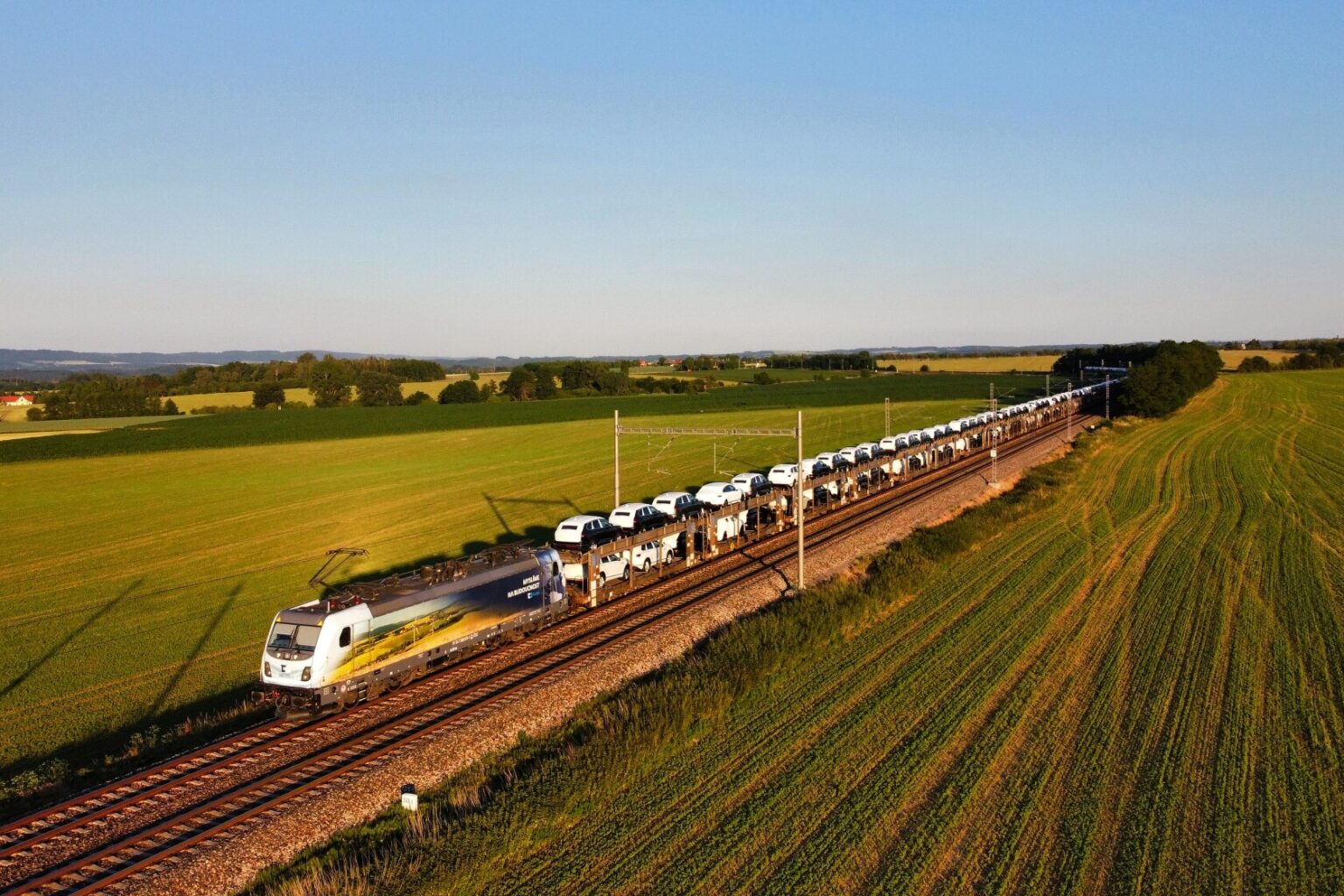
The Czech initiative to support rail freight transport comes at a difficult time for Europe’s rail freight sector, which is facing a continuous decline in market share and mounting economic pressures.
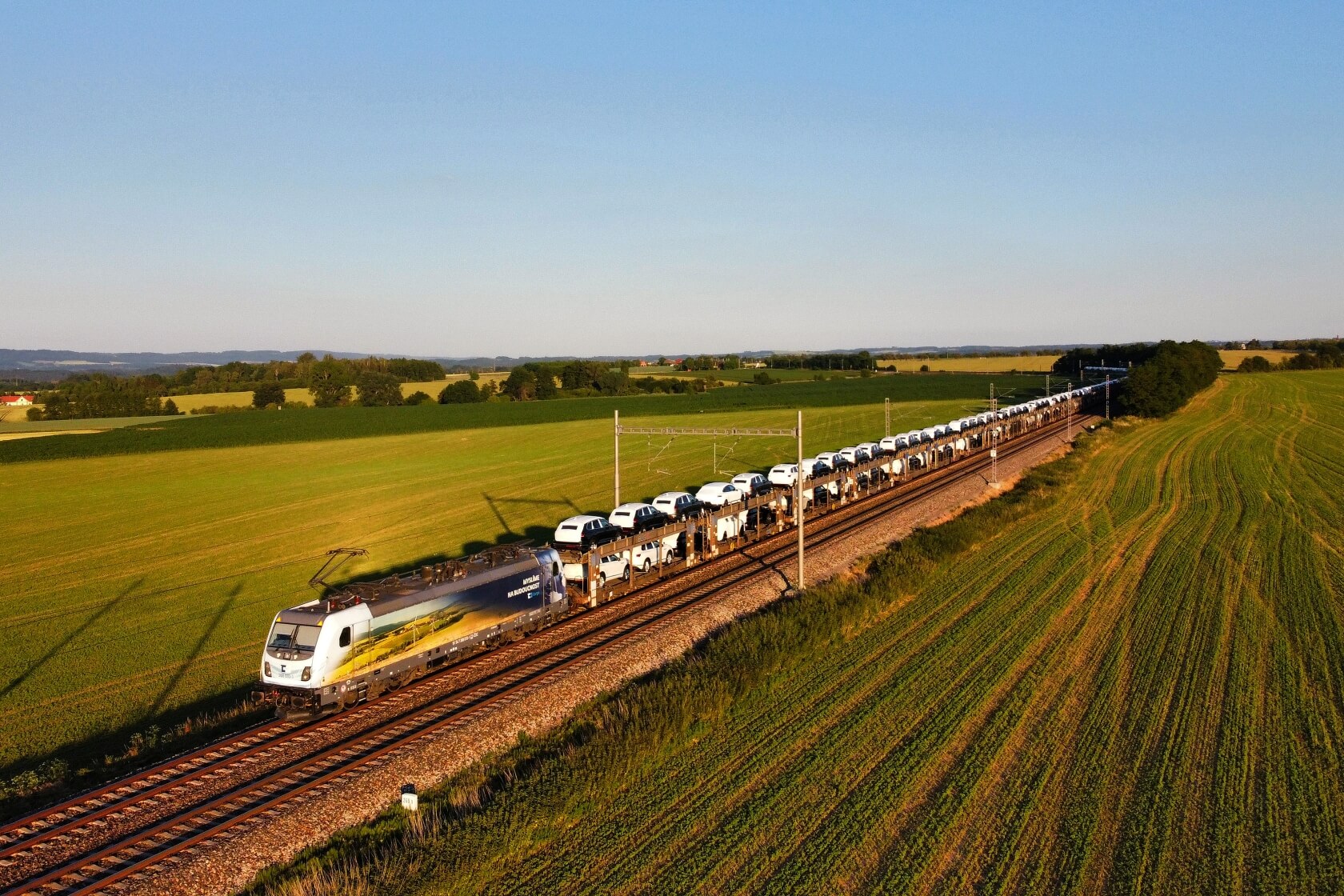 Photo: ČD Cargo
Through a letter addressed to the European Commissioner for Transport, Czech Transport Minister Ivan Bednárik called for the launch of a political debate at EU level on concrete measures to support this strategic sector. The initiative is backed by Austria, Belgium and Slovakia, as well as organisations representing Europe’s railway, intermodal, leasing, manufacturing and rail freight sectors.
At its core, the initiative highlights the need for a coordinated European response, as rail freight currently accounts for only around 16% of total goods transport in the European Union, with the trend continuing downward. Czechia warns that this development directly undermines Europe’s decarbonisation goals and the modal shift from road to rail transport.
“If we want to stop this trend, we must act quickly and in a coordinated manner,” Minister Ivan Bednárik stated in the open letter.
Investment, modernisation and interoperability at the heart of the European debate
A key element of the Czech initiative for rail freight transport is the call for investments clearly focused on projects that encourage modal shift towards rail.
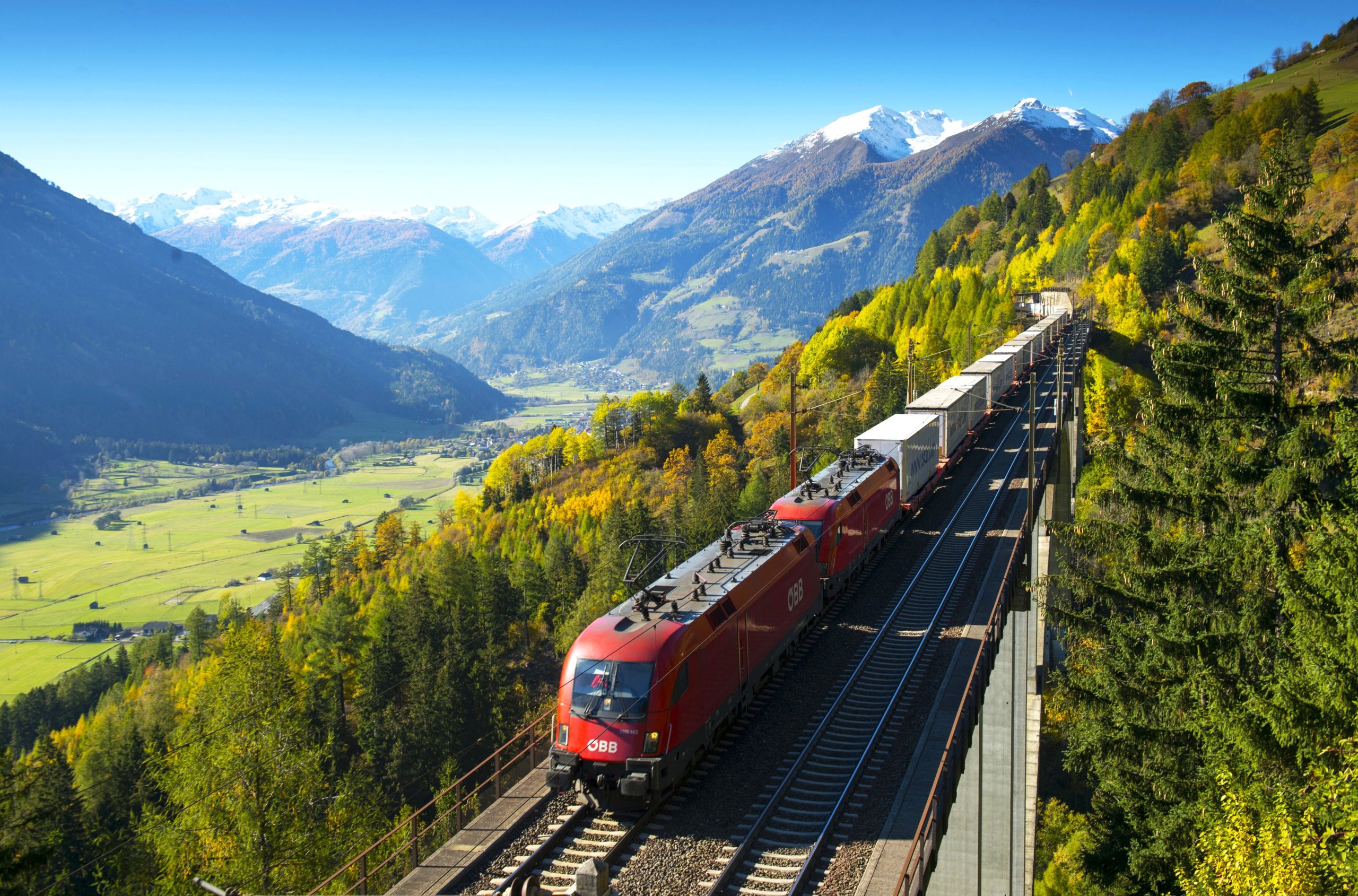 Photo: ÖBB / Hanno Thurnher
The minister stressed the need for action regarding investment in the TEN-T rail network, terminals, digitalisation and interoperability, as well as genuine prioritisation of international cross-border freight trains and intermodal transport, including the Capacity Regulation. All these elements, he said, should become priorities within the next Multiannual Financial Framework, particularly through instruments specifically supporting transport projects, such as the Connecting Europe Facility (CEF).
“Without these coordinated measures, rail transport will continue to lose ground to road transport,” Ivan Bednárik said.
The document also underlines the essential role of digitalisation and interoperability, including through accelerated deployment of the ERTMS. In addition, the modernisation of combined transport and single wagon load systems is considered a key condition for improving the sector’s competitiveness.
A test for the EU’s transport policy
The Czech initiative for rail freight transport is not merely a sectoral appeal, but also a test of the European Union’s ability to adapt its transport policy to new economic and climate realities. In this context, six European organisations (AERRL, CER, ERFA, UIP and UNIFE) published a joint statement supporting Czechia’s initiative to strengthen the European rail freight sector at both national and EU level.
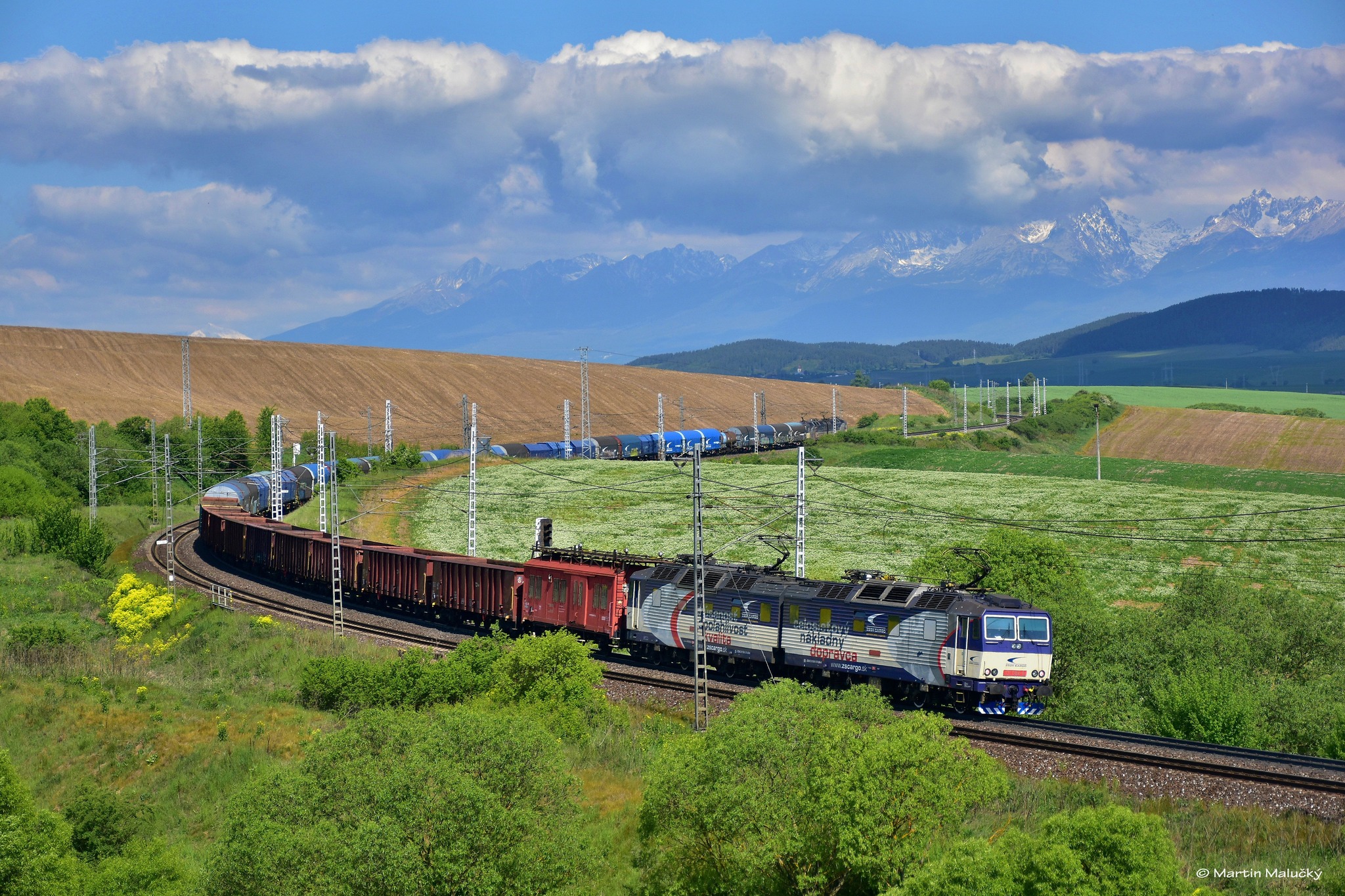 Photo: ŽSSK Cargo
In the view of Czechia and its supporters, without rapid and coordinated intervention, rail freight risks losing even more ground to road transport, undermining the EU’s sustainability and logistics resilience objectives.
“At a time when rail freight is facing growing economic pressures and a decline in its modal share, the initiative sends an important and timely political signal and demonstrates a strong commitment to the future of European rail freight,” the joint statement reads.
The signatory organisations therefore urge EU transport ministers to support the initiative during the Transport Council meeting on 8 June 2026.
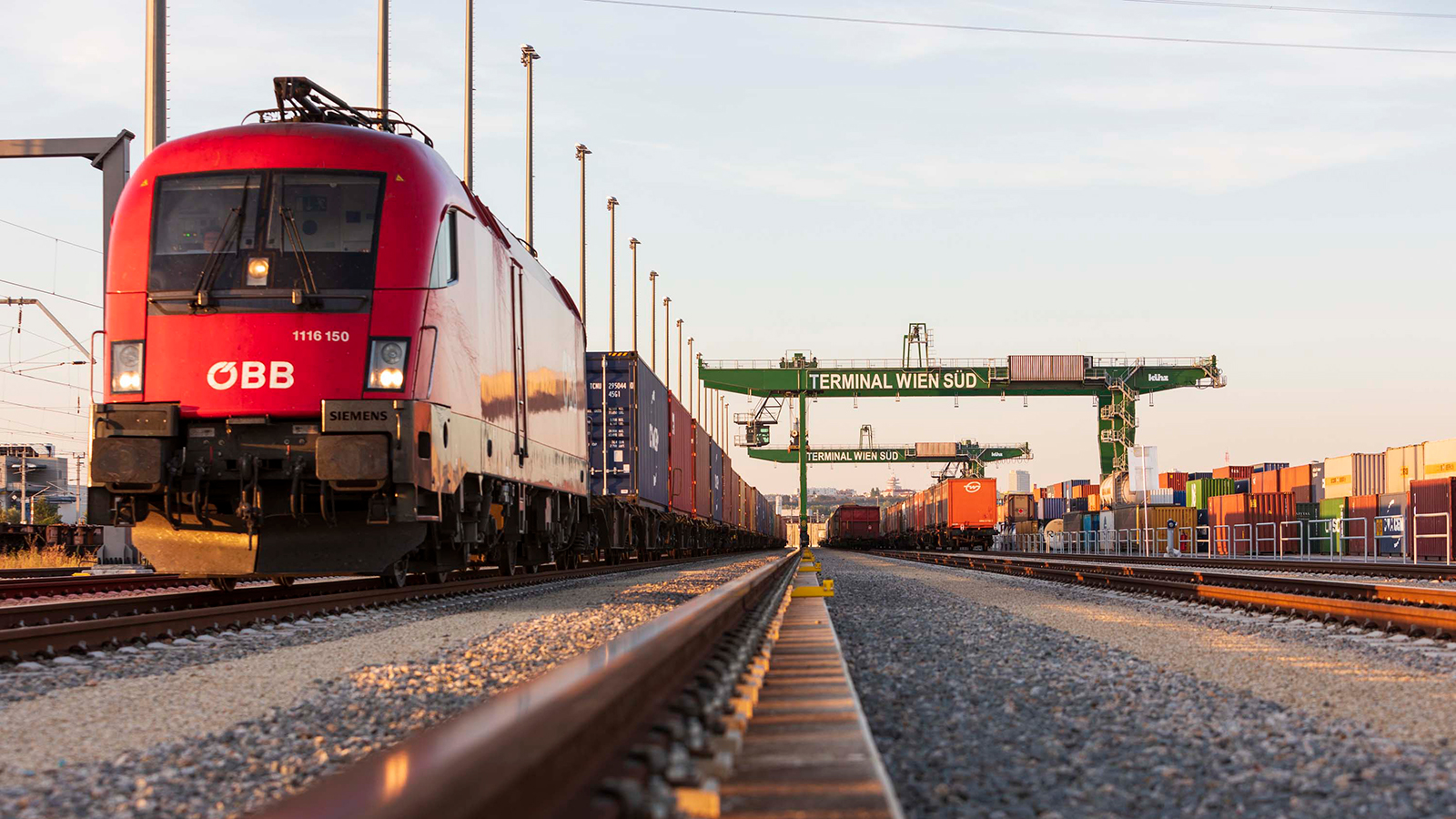 Photo: ÖBB
The historic dominance of road transport over rail
The latest statistics show a structural dominance of road freight transport in the EU, both today and over the long term, while rail freight remains underused despite its advantages in efficiency, lower emissions and long-distance transport capacity. This imbalance highlights the need for stronger policies and investments aimed at rebalancing transport modes in favour of rail.
According to the European Commission’s EU Transport in Figures 2025 report, total freight transport activity in the EU-27 reached 3,433 billion tonne-kilometres (tkm) in 2023. Rail freight accounted for 11.5% of the total, while road transport represented 52.6%.
Within the EU-27, road freight transport performance reached 1,807 billion tkm, while rail freight recorded 395.8 billion tkm.
Road freight transport has dominated the European market over the last 28 years, accounting for 60.4% of total freight performance (in tkm) between 1995 and 2023, while rail accounted for only 5.6% of total freight traffic.
Share on: 


