
The United States has warned it could withdraw a third of the fighter jets earmarked to protect Europe in a crisis.
Alexander Velez-Green, a senior war department adviser, said Washington would be reducing the forces available to Nato in a behind closed doors meeting in Brussels.
The Pentagon official said the withdrawn assets would include strategic bombers, warships and submarines.
Diplomatic sources said the move was designed to put pressure on Nato’s European member states to accelerate plans to become defensively independent of US forces.
The withdrawals reflect Donald Trump’s long-running plan for what has been labelled “Nato 3.0”, under which Europe would take care of continental security, freeing up the US in the Indo-Pacific region.
Despite the briefing by Mr Velez-Green, European sources insisted the move was in line with previous public statements made by the US president and his top officials.

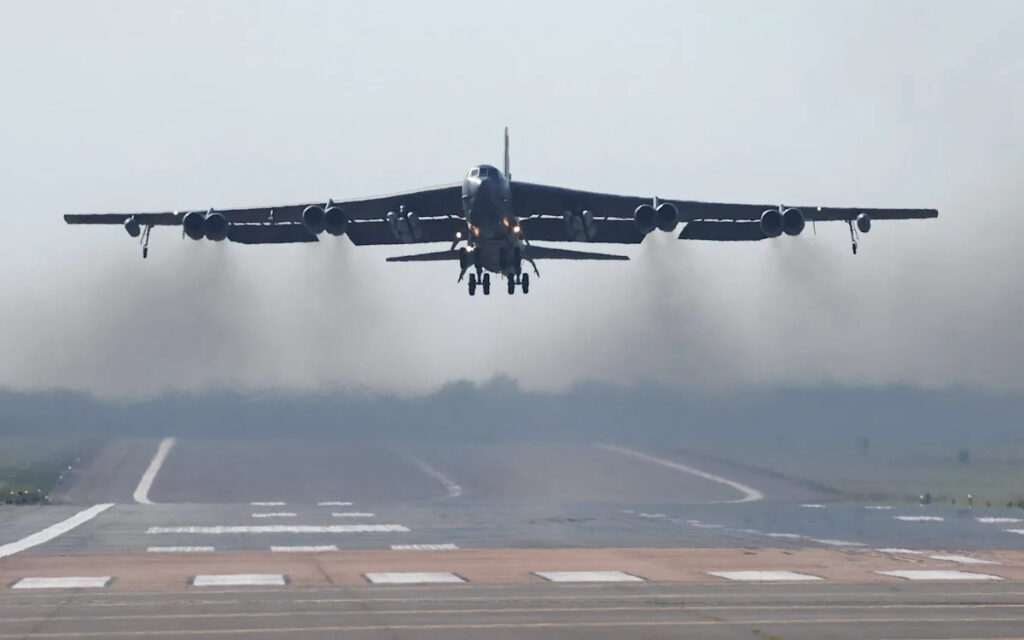
Strategic US bombers, such as the B-1B Lancer pictured, would be included in the cutbacks – Staff Sgt Holly Cook/US air force
The private announcements followed recent spats between Mr Trump and Germany over a perceived lack of support for his war on Iran.
After Friedrich Merz, the German chancellor, suggested the US had been “humiliated” by Tehran, Mr Trump announced he would withdraw 5,000 troops from Germany and cancelled a plan to deploy long-range Tomahawk missiles there.
He also scaled back a rotational deployment of troops being made available to Romania.
But in the Brussels meeting, held last Friday, Mr Velez-Green gave no specifics or timelines, arguing that the exact nature of the cutbacks were not finalised.
Furthermore, diplomats said Washington would not walk back on commitments to extend its nuclear umbrella across Nato.
All of the comments reflect previous statements by Pentagon officials, including Pete Hegseth, the secretary of war, and Elbridge Colby, his top policy brain, on past visits to Brussels.
Washington has repeatedly stressed the need for a Nato 3.0, which would see Europe take principal responsibility for its defence in the face of an aggressive Russia.
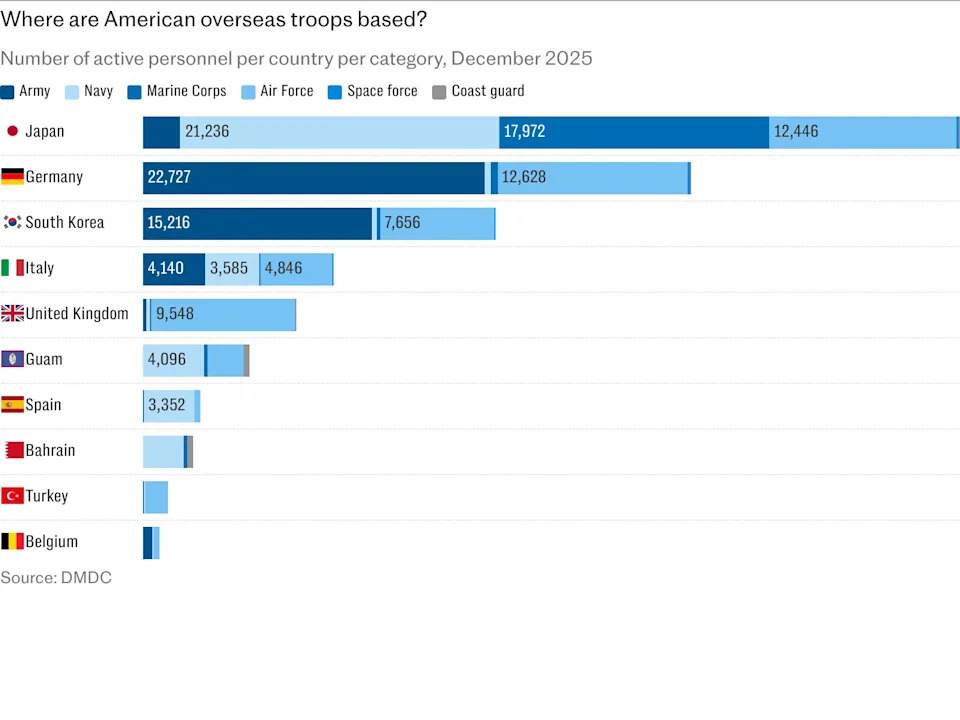
Where are American overseas troops based?
By freeing up resources, the US would be able to focus more assets in the Indo-Pacific, and a potential war with China over the self-governing region of Taiwan.
Not all of the resources earmarked for withdrawal are already stationed in Europe, sources said.
The bulk of them had been previously promised to the Nato Force Model system, which makes assets available to the alliance’s top generals in the event of war.
Some of the troops and hardware are designated at a high readiness level, meaning they would be delivered within 10, 30 or 180 days of the start of any conflict.
The system’s details are a closely guarded secret inside Nato’s civilian and military headquarters, designed to keep potential enemies, such as Russia, guessing over any response to an armed attack.
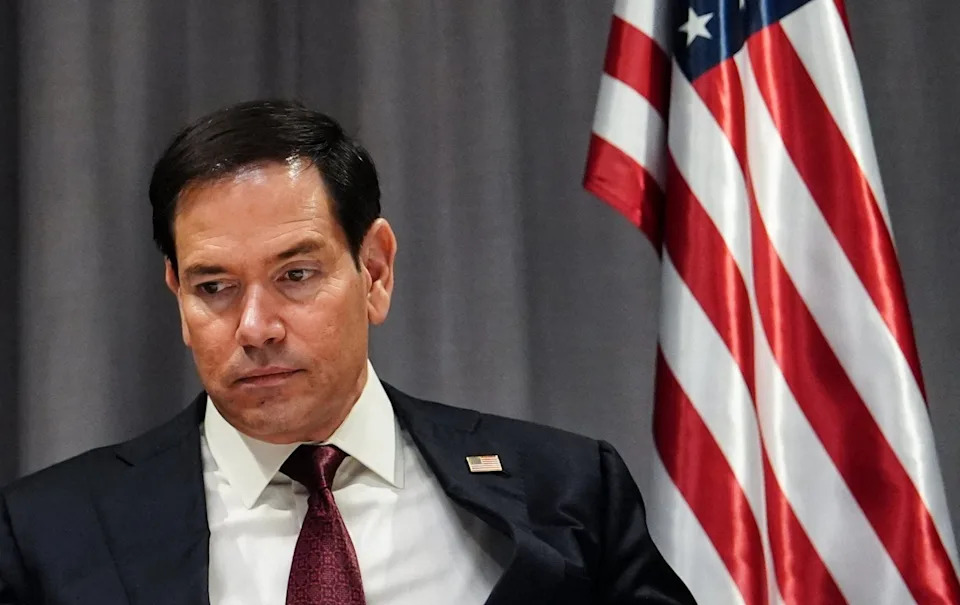
Marco Rubio said the United States’ allies were ‘aware’ of the incoming cutbacks – Julia Demaree Nikhinson/Reuters
Marco Rubio, the US secretary of state, announced the incoming cutbacks at a Nato ministerial meeting in Sweden last week.
“It’s well understood in the alliance that the United States troop presence in Europe is going to be adjusted – that work was already ongoing, and it’s been done in coordination with our allies,” he told reporters at the gathering.
“I’m not saying they’re going to be thrilled about it, but they certainly are aware.”
The withdrawals are expected to be further discussed at a meeting of Nato’s so-called “Force Generation Conference” next month.
Col Martin O’Donnell, spokesman for Nato’s top general, Gen Alexus Grynkewich, said the final result of the talks would mean a “stronger, fairer alliance”.
Sean Parnell, the Pentagon’s chief spokesman, said: “The department of war announced changes to US contributions to the Nato Force Model at the defence policy directors’ meeting in Brussels.
“These changes represent an opportunity for allies to demonstrate that they have heard President Trump’s call for them to step up and take primary responsibility for Europe’s conventional defence.”