
The warnings are no longer theoretical. A March 11 report, covered by the Hartford Courant, suggests that scientists at NOAA, Columbia University’s International Research Institute, the World Meteorological Organization, and dozens of academic organizations now place the odds of an El Niño developing this year at better than 97%. Models suggest Pacific Ocean surface temperatures could climb to a peak anomaly of 3°C above average by late 2026, a threshold reached only once in recorded history, during the catastrophic 1877–78 event that triggered deadly famines across three continents.
But there’s an important point often missing from headlines: El Niño does not independently create climate disasters, but it can amplify weather extremes in a climate system already warmed by human-caused greenhouse gas emissions. Every extreme weather system that has battered the US in recent years has been building on a foundation already destabilized by decades of anthropogenic warming. A 2026-2027 “super” El Niño doesn’t arrive at a stable climate and cause chaos. It arrives at a climate already on the edge.
CT experts examine the reach of the EPA’s climate ruling. ‘Americans understand what is at stake’
Thirty-six states, including Connecticut, are expected to have above-average temperatures this summer. In early March, 14 states shattered heat records under what scientists call “ENSO-neutral” conditions, with temperatures climbing past 100 degrees F in mid-March, all before El Niño had fully taken hold. When a “super” El Niño supercharges an atmosphere already running hot from greenhouse gas emissions, the resulting heat waves won’t just break records; people will likely suffer. It’s worth remembering, in 2023, Phoenix endured 31 straight days of 110F “heat dome” temperatures, when Maricopa County alone recorded 645 heat-related deaths.
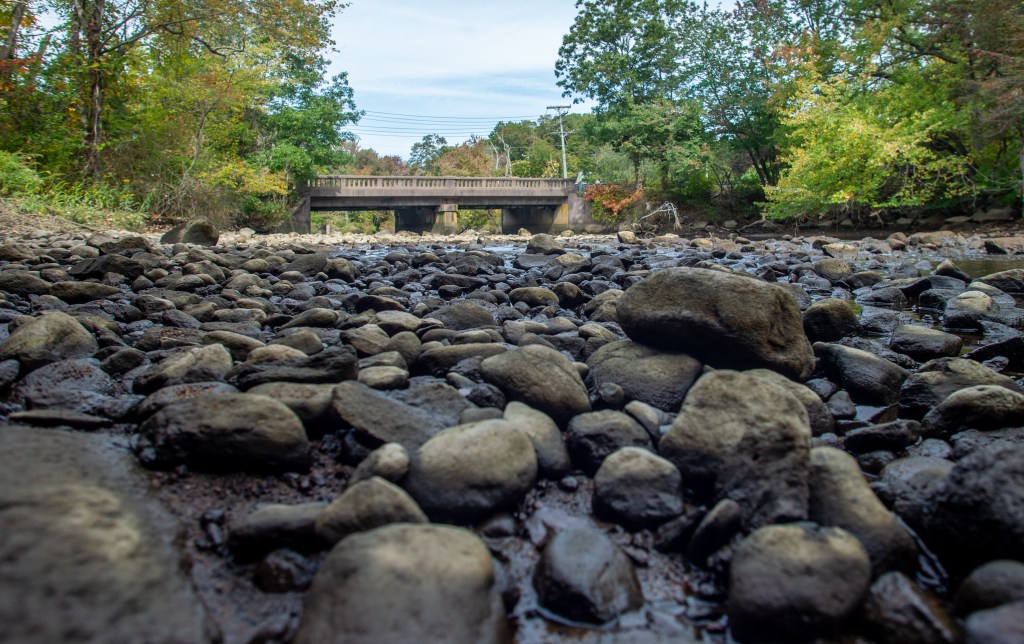
Drought conditions are also likely to worsen. Already, 61% of the lower 48 states (Connecticut included) are experiencing drought, with this winter’s Rocky Mountain snowpack (a key indicator of freshwater availability in the American SW) sitting at roughly half of normal. In the Colorado River Basin, already overdrawn by decades of overuse, a “super” El Niño could accelerate a percolating water crisis. The CRB provides water to roughly 40 million Americans, a massive SW-US agricultural economy, critical mining operations and now, AI data centers. To cool the roughly 60 data centers operating in the Phoenix area, 385 million gallons of water are used annually.
Heat advisory in effect in CT as temperatures reach 90s; schools announce early dismissals
Wildfire seasons will continue to expand. El Niño creates a cruel paradox in the West: wetter winters grow more vegetation, which dries into fuel when summer heat and drought arrive. Against the backdrop of elevated global temperatures, a “super” El Niño could push fire conditions into regions where such fires have historically been rare, compressing what used to be a “fire season” into a year-round emergency.
Floods would intensify. More heat means more moisture in the atmosphere, and that moisture must come down somewhere. The Gulf Coast and Southeast typically receive heavier rainfall during El Niño events, raising flood risk across a region still recovering from repeated hurricane seasons. The arid Southwest faces its own paradox: flash flooding in terrain that can’t absorb sudden downpours. Climate change has already made the contrast between drought and deluge more extreme; El Niño amplifies that whiplash.
Solution hiding in plain sight: Yale prof on wildlife and climate change impact
A hotter-than-normal summer in Connecticut and across New England could significantly increase heat-related illnesses, cardiovascular and respiratory problems, and the spread of tick- and mosquito-borne diseases such as Lyme disease and West Nile virus. Extreme heat may also worsen air quality, elevate emergency room visits, and place vulnerable populations at greater health risk. While none of these threats are entirely new, a “super” El Niño event may intensify each of them simultaneously.
CT climate activists want a superfund to clean up the environment. Here’s how it would work
The uncomfortable truth is that no past or future storm, drought, or wildfire can be laid solely at El Niño’s feet, just as none can be blamed solely on climate change. What we are entering is an era of compounding. Natural climate variability, amplified by human-caused warming, amplified further by a potentially historic El Niño event.
Dr. Douglas M. Hasson (doughasson@snet.net) has a Ph.D. in climate studies, an master’s in environmental law and policy, has served as Senior Fellow at the Conservation Law Foundation, and lives in Newington with his wife Anna, and their two shepherds “Finn” and “Juno.”