
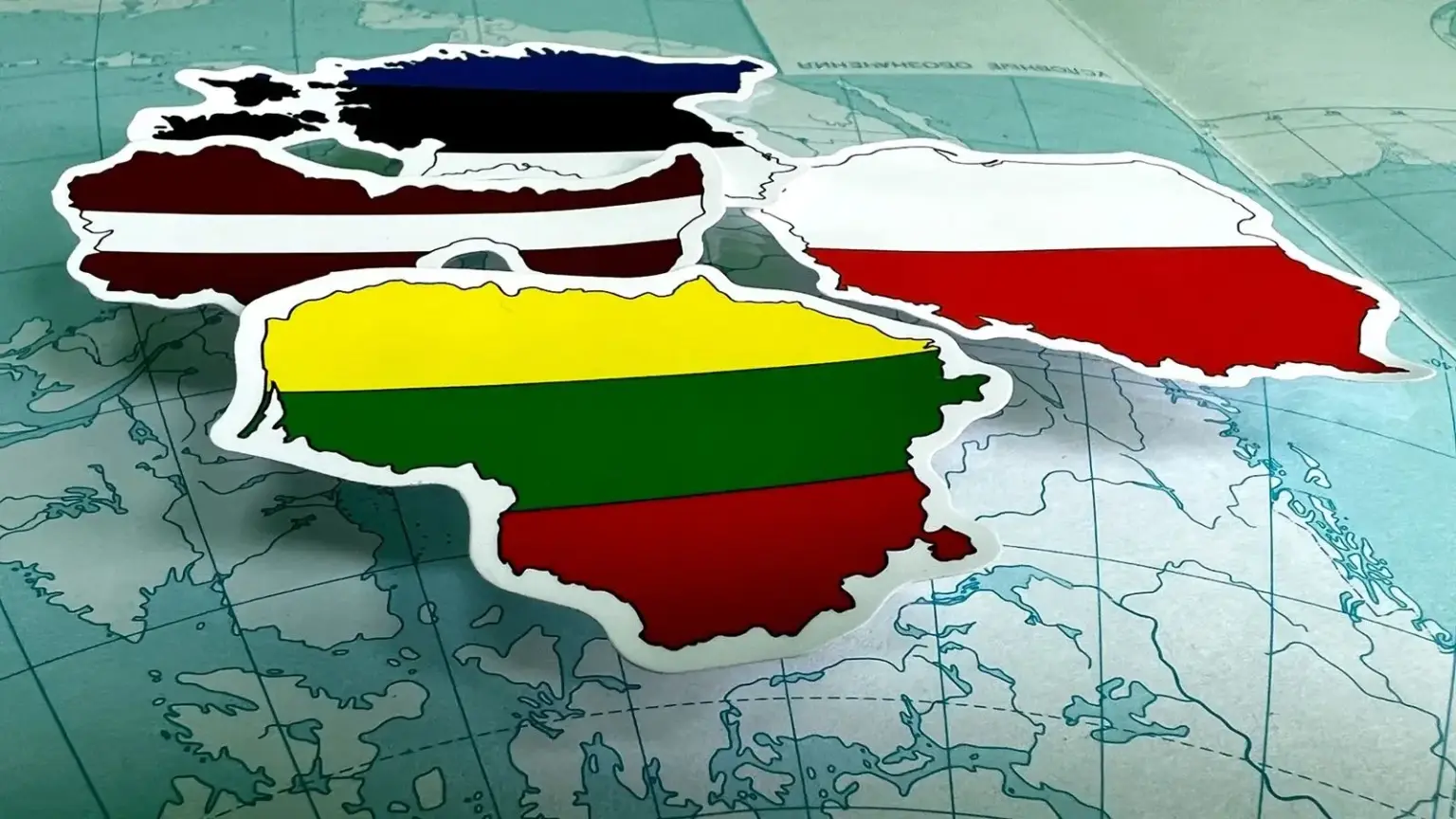
Expert Maksim Shingarkin says Poland and the Baltic states could become Russian targets if NATO deploys U.S. nuclear weapons on their territory.
Poland and the Baltic countries could become legitimate targets for Russia if NATO nuclear weapons are deployed on their territory. In that scenario, not only special storage facilities but also the military infrastructure of those states could come under threat, nuclear weapons expert Maksim Shingarkin told Abzats.
The discussion followed reports by the Financial Times. According to the newspaper’s sources, Washington is considering expanding the presence of U.S. nuclear weapons in Europe, including to NATO countries that do not currently host such an arsenal. Poland and the Baltic region have been described as showing particularly strong interest in the idea.
Shingarkin said that, as long as U.S. aerial bombs are not stationed in those countries, Russia does not view them as targets for nuclear strikes in the event of a conflict. But the deployment of American nuclear bombs there would change the calculation, he argued. In that case, potential targets would not be limited to storage sites: the headquarters of national armed forces, command centers and other military facilities could also be included.
As an example, Shingarkin pointed to a possible deployment of ten nuclear aerial bombs in Estonia. In his assessment, Russia’s list of targets for tactical nuclear weapons could then include the Defense Ministry in Tallinn, the General Staff and an airfield.
Columbia University professor Jeffrey Sachs has also previously warned about the high level of tension in the region. He said the Baltic countries had become one of the most dangerous areas in the world because of provocations against Russia. In his view, the risks are being amplified by several factors at once: the conflict in Ukraine, anti-Russian rhetoric from Baltic governments, their influence on Europe’s foreign policy, the German leadership’s push toward remilitarization, and actions by the authorities in France and the United Kingdom. Sachs believed that these dynamics could create the conditions for a large-scale catastrophe.