
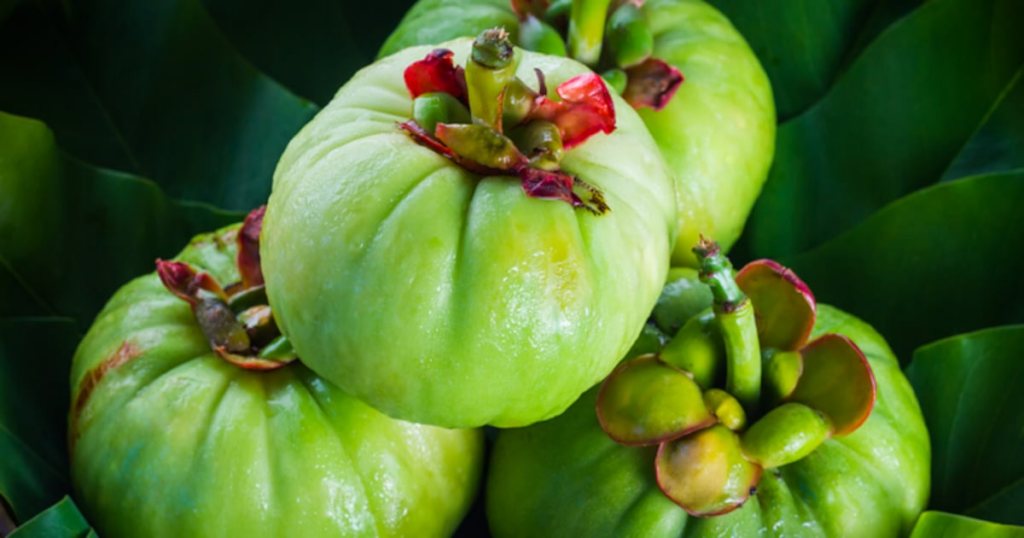
France’s initial ban, issued last year, followed urgent recommendations from the French Agency for Food, Environmental and Occupational Health and Safety (ANSES). In its 69-page scientific opinion, the agency reported 35 admissable cases of adverse hepatic, cardiovascular or digestive reactions potentially linked to food supplements containing the botanical between 2009 and 2024.
While the Garcinia cambogia has been banned in medicinal preparations in France due to lack of proven therapeutic benefits and safety concerns since 2012, an order dated April 15, 2025 suspended the importation, marketing and sale of food supplements containing the ingredient for one year from date of issue. The renewed prohibition applies until April 18, 2027.
Native to South and Southeast Asia, Garcinia cambogia has been used for centuries as a culinary ingredient to provide acidity and in traditional medicine to address stomach complaints. Today, the botanical is commonly used in weight loss and bodybuilding supplements after researchers in the 1960s identified hydroxycitric acid (HCA), the compound thought to affect fat metabolism and promote satiety.
Extended EU safety consultation
In January, the European Food Safety Authority (EFSA) also took action against Garcinia, releasing a draft scientific opinion under Article 8 procedure.
The authority concluded there was not enough data to establish a tolerable daily intake or a safe maximum dose. It stated a lack of long-term human studies and well-designed clinical safety studies, poor characterization of products on the market and a lack of reporting on vulnerable groups, concomitant medications and potential confounders in case reports.
The EFSA opinion followed concerns raised by Spain regarding potential consumer health risks, primarily liver damage, associated with HCA and HCA-containing plant preparations used in foods and supplements. While the Spanish Agency for Food Safety and Nutrition (AESAN) did not remove Garcinia from the market, it strongly advises that the daily intake of a standardized extract should not exceed 3,000 mg daily to minimize the risk of toxicity.
Elsewhere in Europe, Germany’s Federal Institute for Risk Assessment (BfR) has noted that there are still uncertainties about the potential health effects of prolonged HCA intake, particularly at daily doses above 3,000 mg. In the United Kingdom, the Committee on Toxicity is also reviewing Garcinia safety and called for more data at its October 2025 meeting to finalize its conclusions on safety and manufacturing processes.
EFSA was expected to conclude its consultation on the Draft Opinion last month, but following requests from industry stakeholders, it has extended the comment period until July 10.
Looking ahead: ‘First draft opinion not encouraging’
The final opinion is expected to be adopted on Feb. 28, 2027 after which a decision will be made on whether HCA should be included in Part A (prohibited substances), Part B (restricted substances) or Part C (substances under Community scrutiny) of Annex III of the EU/UK Regulation (EC) No 1925/2006.
“The first draft opinion is not encouraging,” said Jerome Le Bloch, head of scientific affairs at Foodchain ID. “The most likely outcome may be inclusion in Part C, as EFSA highlights uncertainties and a lack of relevant data. This option would provide companies with additional time to generate and submit further evidence. However, a direct ban on supplements containing HCA cannot be ruled out.”
He added that the outcome could be affected by the European Comission’s separate appeal of the EU General Court’s decision to annul its previous ban on hydroxyanthracene derivatives (HADs) in 2024, noting that the final ruling may have implications for all other substances currently undergoing safety evaluations.
“If the Court confirms that the regulation proposed by the Commission is not compliant with EU law, as was concluded at first instance, the Commission may need to revise its approach,” he said.
Hepatoxicity concerns have also been growing beyond the Europe, with countries across the globe taking regulatory action against Garcinia.
- United States: The Food and Drug Administration (FDA) issued a major recall in 2009 covering 14 Hydroxycut weight-loss products after reports of liver injury linked to formulations containing Garcinia. More recently, some U.S. states have targeted the ingredient in legislation restricting the sale of weight-loss and muscle-building supplements to minors. New York is the only state so far to enact such a ban, effective Apri l 2024.
- China: Authorieis have not banned Garcinia; however because it is not included on the country’s positive list of permitted raw materials, products containing the ingredient must undergo a rigorous pre-market approval process before they can be sold.
- Australia: In 2024, Australia’s Therapeutic Goods Administration (TGA) concluded that available evidence suggests a rare risk of liver injury from Garcinia and its HCA content. Manufacturers are now required to include clear liver harm warning labels on packaging.
- South Korea: In September 2025, South Korea’s Ministry of Food and Drug Safety required Garcinia-containing products to carry a warning that, in rare cases, they may cause liver harm and that alcohol should be avoided during intake. The regulator also barred manufacturers from combining Garcinia extract with other ingredients marketed for body fat reduction and lowered the recommended daily intake range to 750–1,500 mg.