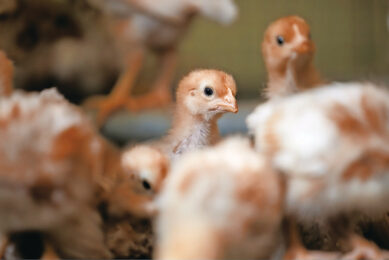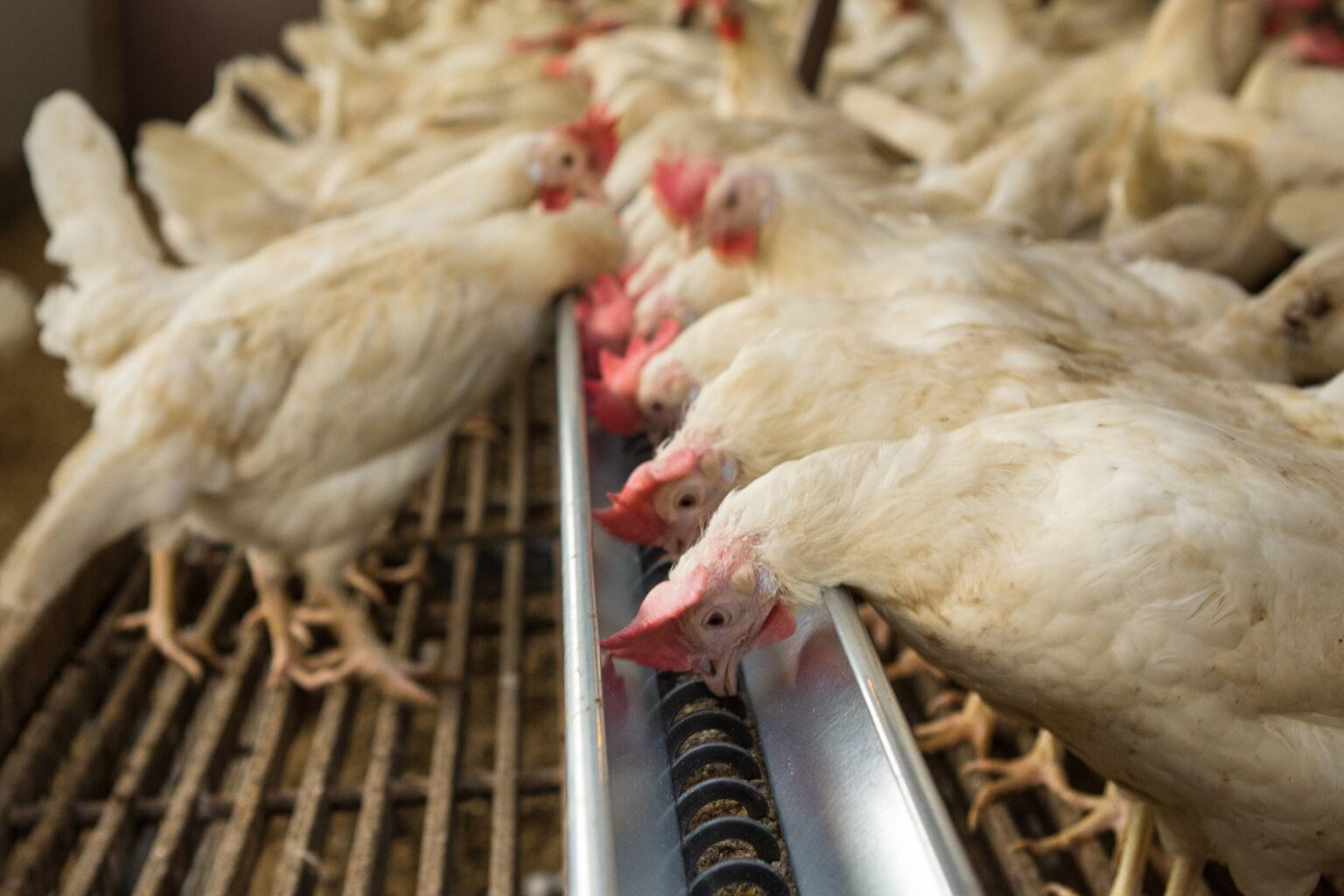
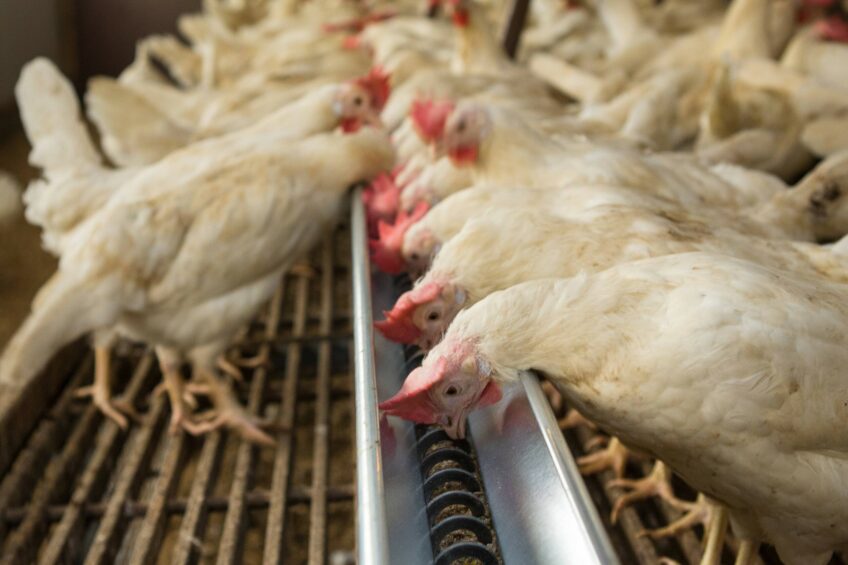
 Poultry producers in Egypt have benefited from a sharp drop in feed prices. Photo: Peter Roek
Egypt’s poultry industry has recently seen some relief on feed costs. Meanwhile, its long-term demand for soybeans continues to rise due to ongoing growth in poultry production.
Poultry producers in Egypt have benefited from a sharp drop in feed prices after a period of high volatility linked to import restrictions and grain supply disruptions. Feed costs reportedly fell from around EGP 40,000 per tonne (about US$815) down to about 19,000–22,000 per tonne (roughly US$380 – US$460).
ALSO READ: Egypt launches dried-egg exports to Middle East
This improvement has been driven by better availability of imported raw materials such as maize, soybean meal, and wheat, following easing of import bottlenecks and changes in grain procurement systems. Industry players say this has helped restore margins in broiler production, which had been heavily squeezed during the previous feed price spike.
Poultry growth drives rising soybean demand
At the same time, Egypt’s poultry sector continues to expand, and this is pushing up demand for protein-rich feed ingredients, particularly soybeans. Forecasts suggest that soybean imports could exceed 5 million tonnes in the 2026/27 marketing year, which would be a record level for the country.
Heavy reliance on global feed markets
Industry analysts say the growth in poultry production, which is driven by rising demand for affordable animal protein, means Egypt is becoming increasingly dependent on global markets for feed ingredients. Feed manufacturers are relying not only on imported soybeans but also on processed soybean meal.
ALSO READ: Exploring Africa’s poultry powerhouses – a spotlight on Egypt
This growing dependence makes the sector more exposed to global price changes, currency shifts, and shipping costs. It also strengthens Egypt’s position as one of the largest soybean importers in the Middle East and North Africa region.
Outlook: relief now, dependency remains
While lower feed prices are giving poultry producers short-term relief, the long-term picture shows a sector that is still strongly tied to global soybean markets and international supply chains.