
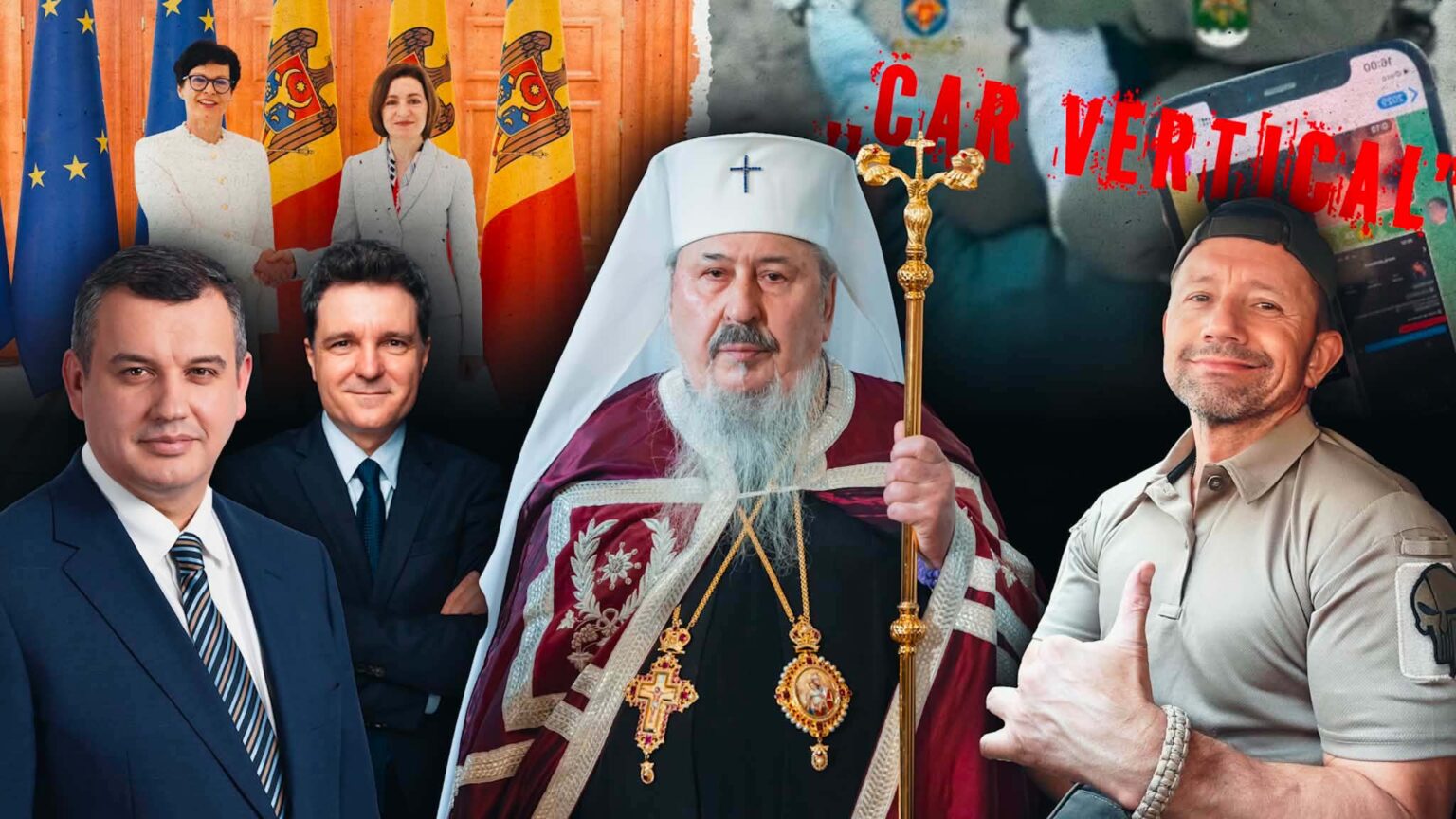
Moldova’s European integration agenda gained significant momentum this week as the country moved closer to the formal opening of accession negotiations with the European Union. Brussels confirmed that Moldova has met the conditions required to begin negotiations on the first accession cluster, while European officials offered additional financial support for reforms in education, employment, and social policy. At the same time, European investors signaled growing confidence in the country’s economic future, announcing plans for more than €1 billion in potential investments.
Yet the week also highlighted the challenges Moldova continues to face on its path toward EU membership. Several corruption investigations, controversial court decisions involving figures connected to oligarchic networks, and persistent poverty underscored the scale of reforms still required to align the country with European standards.
European Integration: Moldova Advances Toward Accession Negotiations
The most important development of the week came from Brussels, where all 27 European Union member states formally concluded that Moldova is sufficiently prepared to open negotiations on Cluster 1, known as “Fundamentals.” This chapter is considered the backbone of the accession process because it covers the rule of law, judicial independence, democratic institutions, public administration reform, and fundamental rights.
In a letter issued under the Cypriot Presidency of the Council of the European Union, member states invited Moldova to submit its official negotiating position, a necessary step before negotiations can formally begin. The decision represents one of the most significant milestones since Moldova obtained EU candidate status in 2022 and began accession talks preparations alongside neighboring Ukraine.
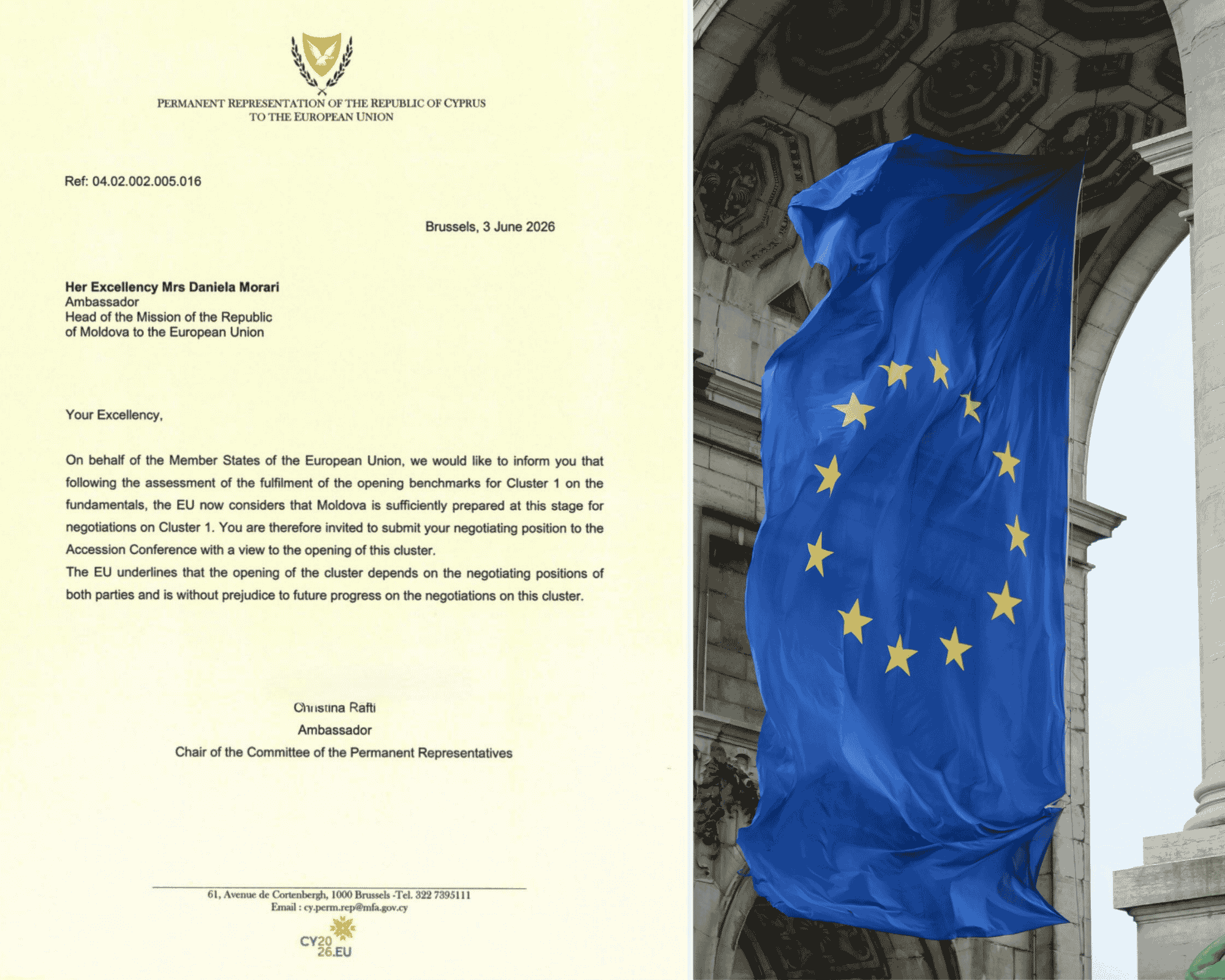 The letter issued under the Cypriot Presidency of the Council of the European Union
The announcement reinforces the message repeatedly delivered by European officials over the past year: Moldova is increasingly viewed in Brussels as one of the most successful enlargement candidates, particularly considering the political and economic pressures generated by Russia’s war against Ukraine and Moldova’s own vulnerability to external influence campaigns.
One of the most discussed political statements of the week came from Economic Development and Digitalization Minister Eugen Osmochescu, who suggested in an interview with Euractiv that reunification with Romania could become an option if Moldova’s path toward EU membership were blocked after 2028. He described reunification as a potential “Plan B,” reigniting long-standing debates about Moldova’s national identity and geopolitical future. Although reunification remains a sensitive issue, the statement reflected a broader reality: for many supporters of European integration, Moldova’s strategic objective remains membership in the European Union, whether achieved as an independent state or through closer integration with Romania, an EU member since 2007.
President Nicușor Dan appointed Eugen Tomac as prime minister on Thursday, following further consultations with the parties that took place this week.
Mulțumim că citești ZdG!
Ajută-ne să continuăm să furnizăm informații esențiale — donează pentru jurnalismul nostru.
European Investment and Economic Transformation
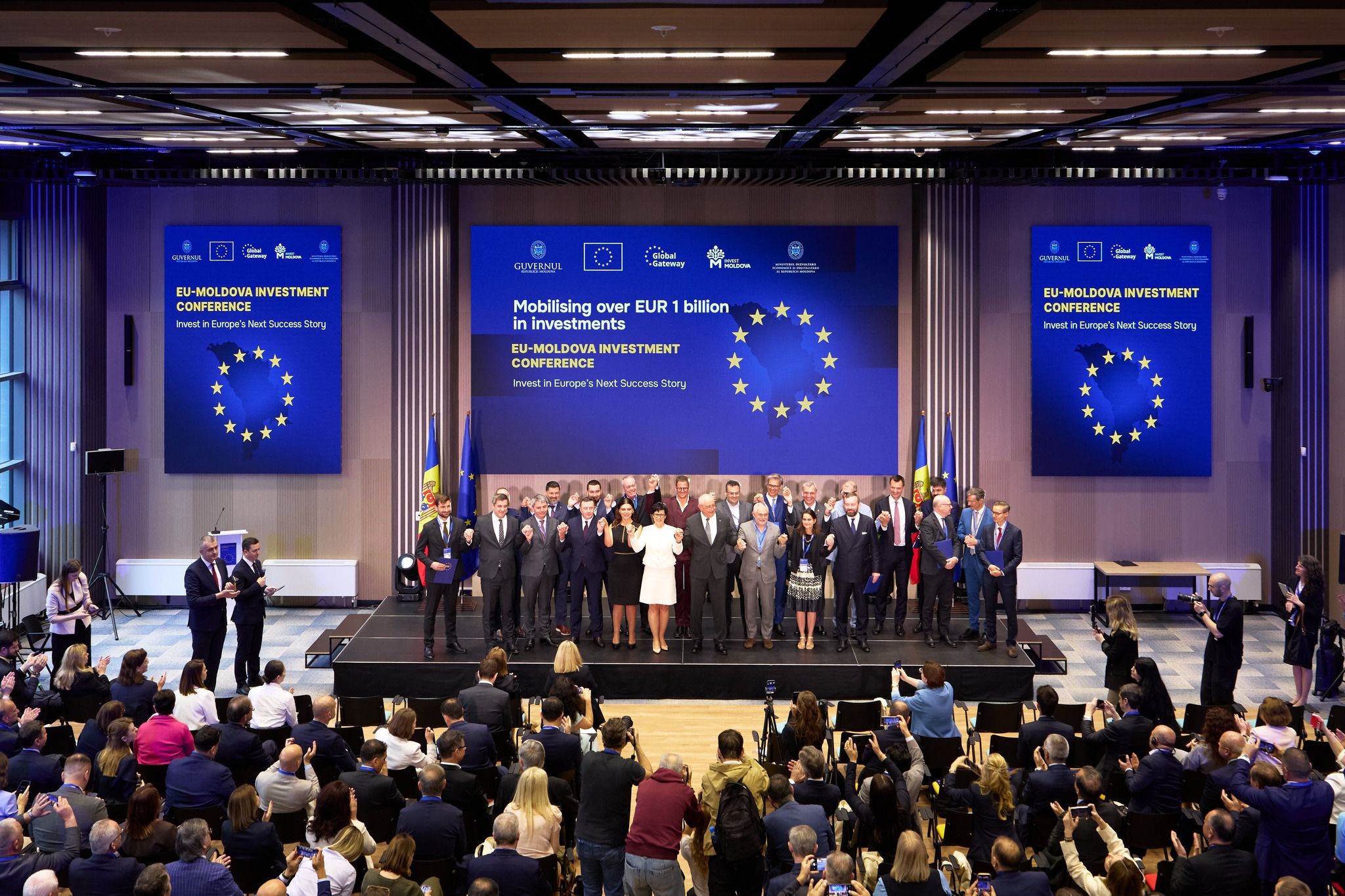
Moldova’s European aspirations received another boost during the Moldova-European Union Investment Conference held in Chișinău. The event brought together more than 500 investors, business leaders, international financial institutions, and development partners.
President Maia Sandu, European Commissioner for Enlargement Marta Kos, and Prime Minister Alexandru Munteanu announced that Moldova could attract more than €1 billion in investments from private companies, including European firms, as well as international financial institutions. Officials presented the investment commitments as a direct consequence of Moldova’s growing political stability, reform efforts, and increasingly predictable relationship with the European Union.
At the same time, new economic data illustrated the magnitude of the social challenges Moldova must overcome. According to figures published by the National Bureau of Statistics, nearly one-third of the population lived in poverty in 2025. The absolute poverty rate reached 31.1%, while experts estimate that approximately 750,000 people had monthly consumption expenditures below the minimum threshold required to cover basic needs. The statistics reveal significant disparities between urban and rural areas and highlight why economic convergence remains a central component of Moldova’s European agenda.
Rule of Law and Anti-Corruption: Progress and Persistent Concerns
Authorities also conducted new searches in a major tax evasion and money laundering case involving a construction company suspected of concealing salary payments to more than 170 foreign workers through offshore-linked structures. The estimated damage exceeds 4.4 million lei.
In another legal development, the European Court of Human Rights ordered Moldova to pay €560,000 in compensation to the company Seksimp Group after previously finding violations of property rights and the right to a fair trial. The ruling drew attention because political actors and several Telegram channels had falsely claimed that Moldovan judges were responsible for causing nearly €1 billion in damages to the state. Legal experts clarified that the Strasbourg court found procedural violations rather than wrongdoing by specific judges.
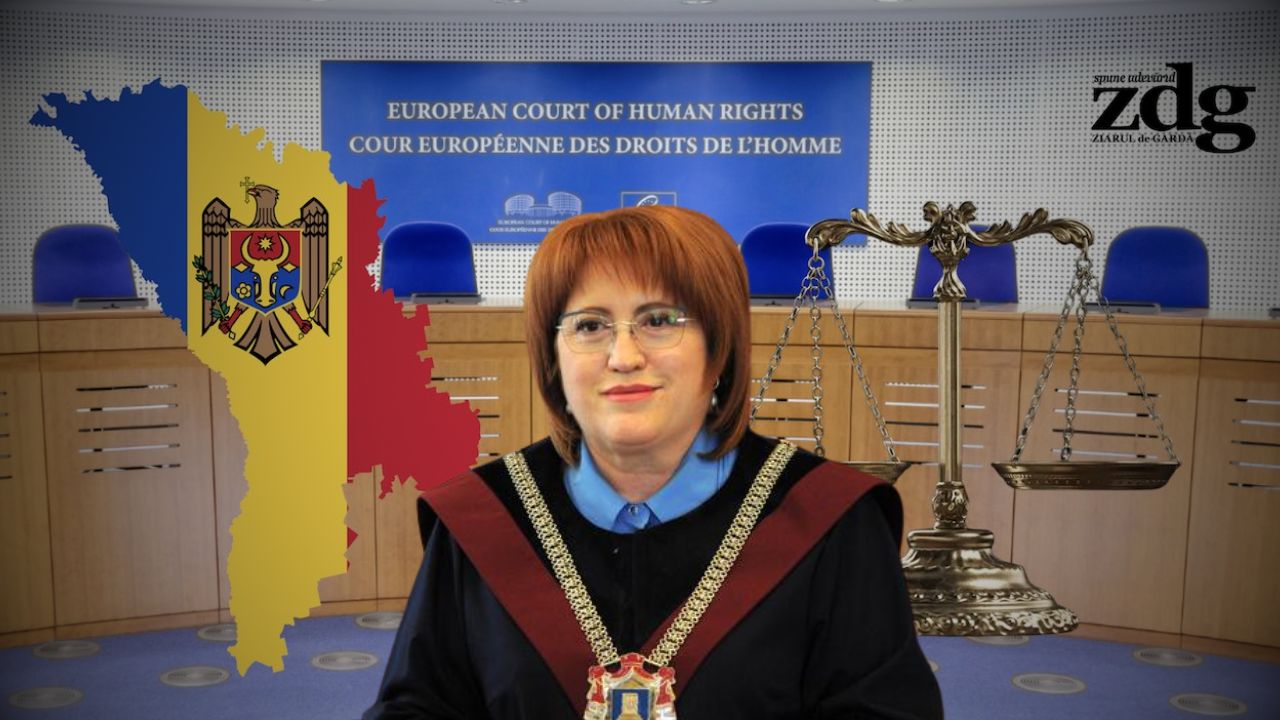 Domnica Manole, President of the Constitutional Court of Moldova.
Meanwhile, some court decisions reignited concerns regarding accountability for corruption and state capture during the era of fugitive oligarch Vladimir Plahotniuc. Nicolae Pelin, identified by prosecutors as a key figure in schemes that allegedly harmed the state-owned metal trading company Metalferos, avoided punishment after courts ruled that the statute of limitations had expired. Although he admitted guilt and expressed remorse.
Another controversial ruling involved Dorin Damir, president of the Federation of Martial Arts and godson of Vladimir Plahotniuc. The Central Court of Appeal acquitted him in a high-profile extortion case connected to the so-called “raider attack” against the real estate company Proimobil. Damir is currently serving a separate prison sentence related to fictitious employment schemes at the Ministry of Internal Affairs.
The conviction of Alexei Cotorobai became final after the Northern Court of Appeal upheld a 25-year prison sentence for the murder of a ten-month-old child, the kidnapping of the child’s mother, and sexual violence committed against her when she was a minor. The case attracted significant public attention after Ziarul de Gardă revealed flaws in the original investigation and highlighted that the child’s mother had previously been convicted while Cotorobai had only appeared as a witness.
Stronger Ties with the United States
Alongside European integration, Moldova strengthened relations with the United States. President Donald Trump nominated Joseph Mark Burkhalter, a former Georgia state legislator and public affairs specialist, to serve as the next U.S. Ambassador to Moldova. Burkhalter was previously nominated as ambassador to Norway during Trump’s first administration but was not confirmed by the Senate.
The Moldovan government simultaneously announced the completion of procedures required to transfer the land of the former Republican Stadium in central Chișinău to the United States. The site will host the future U.S. Embassy complex and a public park, while preserving the historic gates of the former stadium. The project has long been viewed as a symbol of the strategic partnership between Moldova and the United States.
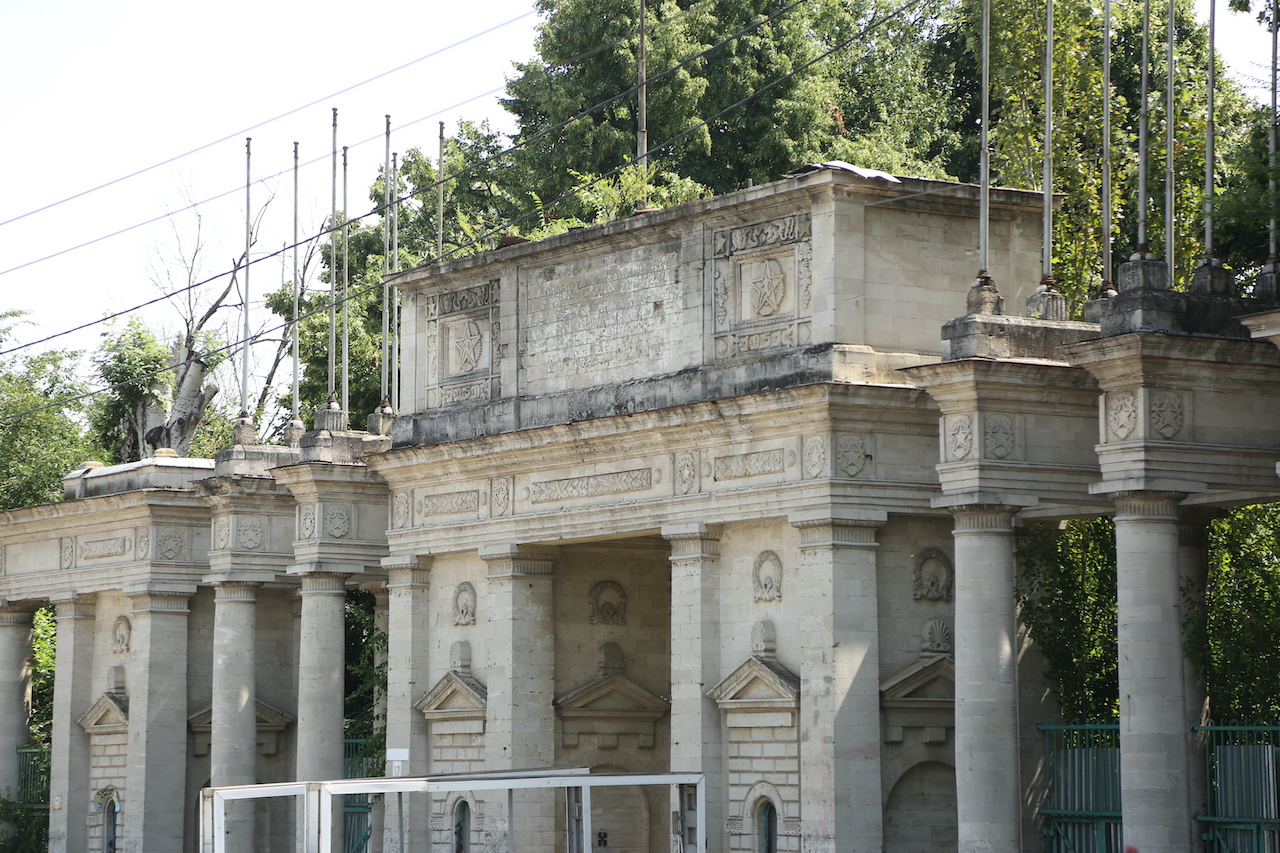 The land of former Republican Stadium in central Chișinău
Metropolitan Petru stepped aside following the circulation of a video allegedly showing him in intimate circumstances with another man
A major public controversy emerged after Metropolitan Petru, the head of the Metropolis of Bessarabia, temporarily stepped aside following the circulation of a video allegedly showing him in intimate circumstances with another man. The authenticity of the footage has not yet been confirmed, and church authorities are awaiting forensic analysis.
However, the incident quickly evolved into something larger than an individual scandal. Analysts interviewed by Ziarul de Gardă observed coordinated efforts on Telegram and other social media platforms to associate the Metropolis of Bessarabia with LGBT-related narratives, attack its affiliation with the Romanian Orthodox Church, and deepen social divisions. Experts described the campaign as a textbook example of information manipulation aimed at discrediting institutions and fueling identity-based polarization.
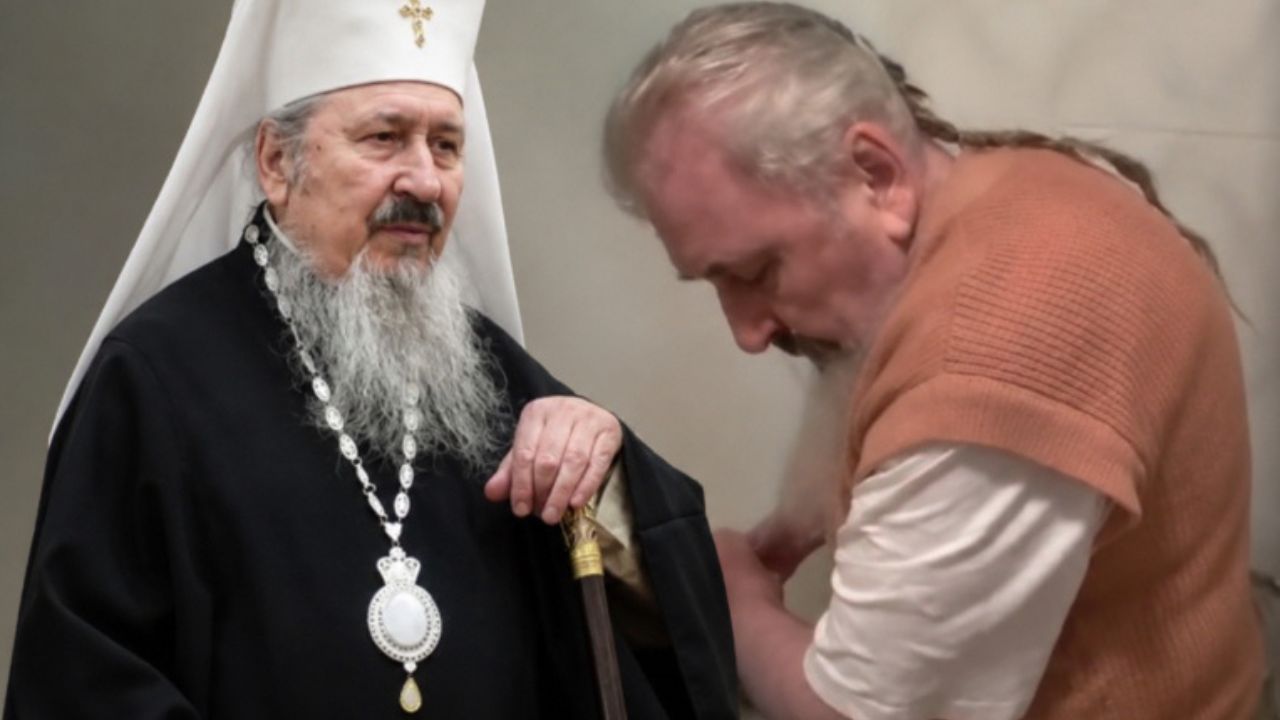 His Eminence Metropolitan Petru, who has stepped down from leading the Metropolis of Bessarabia
Parliament acts after ZdG investigation
The Moldovan Parliament also moved to address a long-standing regulatory loophole involving digital taxi platforms. This happened following the investigation of Ziarul de Garda that showed revenues generated by online taxi payments were being routed abroad while local entities reported no income. Lawmakers announced plans to require ride-hailing platforms to process payments through licensed financial institutions in Moldova. The measure is expected to increase transparency, improve tax collection, and reduce losses to the state budget.
 ZdG investigation about Yandex