
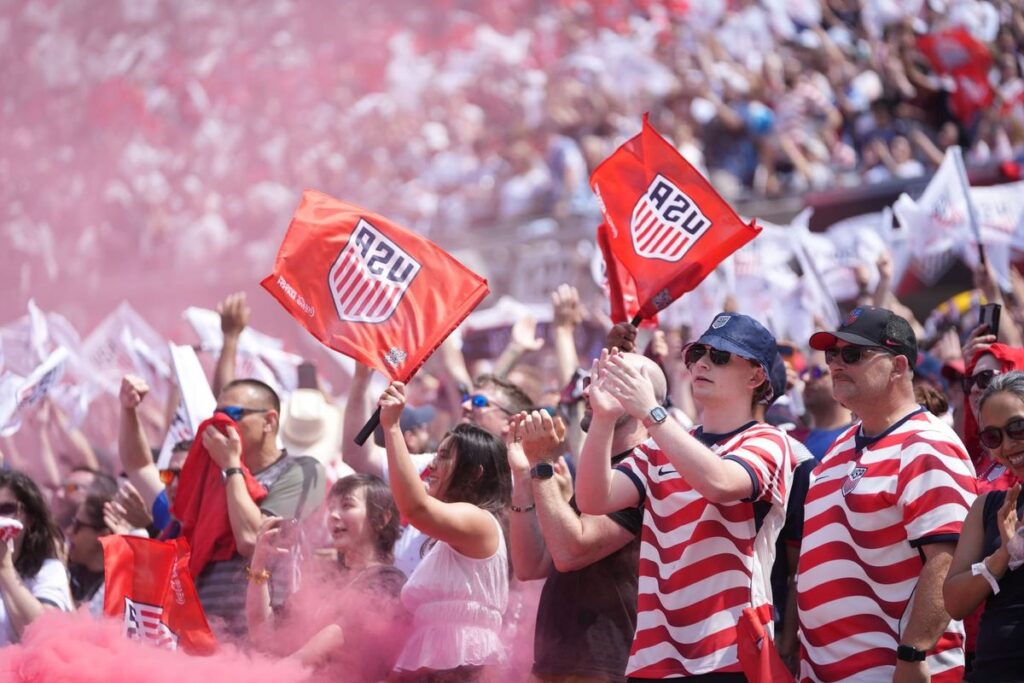
The US Men’s National Team’s final tune-up before the World Cup is in the books as they hosted Germany at Soldier Field.
Here’s a few thoughts from the last soccer that the historic venue will see until the Fire host the Vancouver Whitecaps on July 16, after the World Cup break (but before the World Cup final, because, well, it’s not MLS if it actually makes sense).
1. We know who Poch’s starting GK is
Last week, against a good Senegal team, Mauricio Pochettino did a line change at half, including swapping out goalkeeper Matt Turner for Chris Brady, giving the Fire homegrown his first senior cap with the national team.
For the first half of Pochettino’s tenure, here was the landscape of the USMNT goalkeeper pool: Turner was essentially stranded in Europe, seldom getting starts, and when he was given the nod at the international level, he looked out of form. Freese was cementing his reputation as a top goalkeeper in MLS, and Patrick Schulte, now 25 years old, was the name that came up the most as the squad’s third goalkeeper.
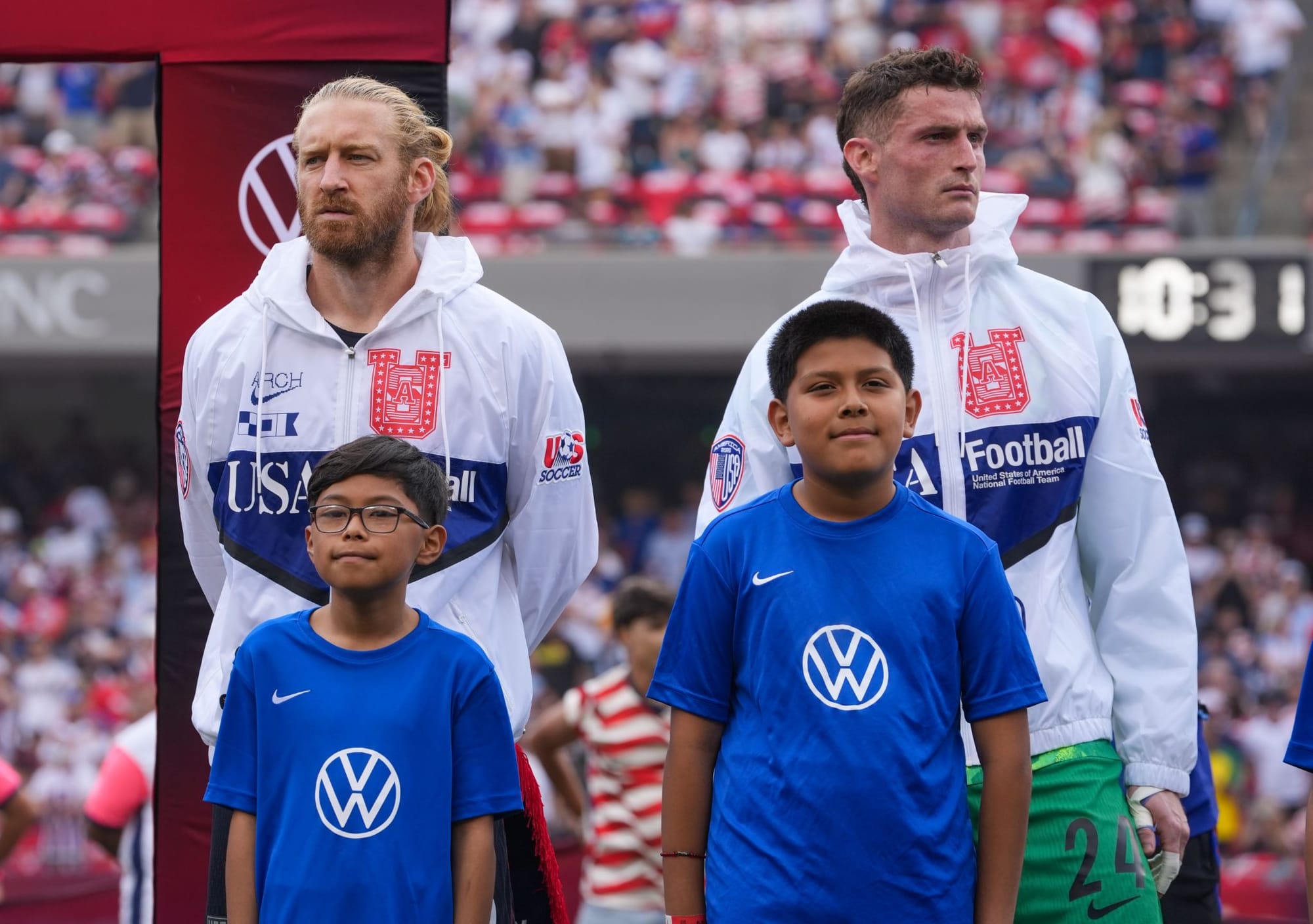 There may not be much separating the three goalkeepers called up, but it looks like the job belongs to Matt Freese. (Barbara Calabrese/MIR97 Media)
Now, however, Turner is back in MLS and in the form that saw him surpass other candidates to become Gregg Berhalter’s choice to start in the World Cup in 2022, Freese is playing well but not putting up the same numbers, and Chris Brady, three years younger than Schulte (and five years Freese’s junior) has become the third choice goalkeeper.
That set up a question of whether Freese or Turner would start against Paraguay (and, presumably, the other US matches afterwards). That’s been answered. Freese went 90 minutes, looked good-but-not-flawless, and short of catastrophe, he’ll be the US’s starting goalkeeper in the 2026 World Cup.
Here’s the angle for the Fire and Chris Brady: That also makes Freese the odds-on favorite to start the next cycle for the US, just like Zack Steffen did early in Berhalter’s tenure for the USMNT and Turner did for Poch.
On one hand, that looks like a set back for Brady: At 31, although it’s entirely possible that Turner could still be playing at a high level by the time 2030 rolls around (he’ll be 35; Memo Ochoa and Manuel Neuer, both 40, are going to the tournament), it made it more likely than not that there’d be more of an audition for the starting spot early in the next cycle.
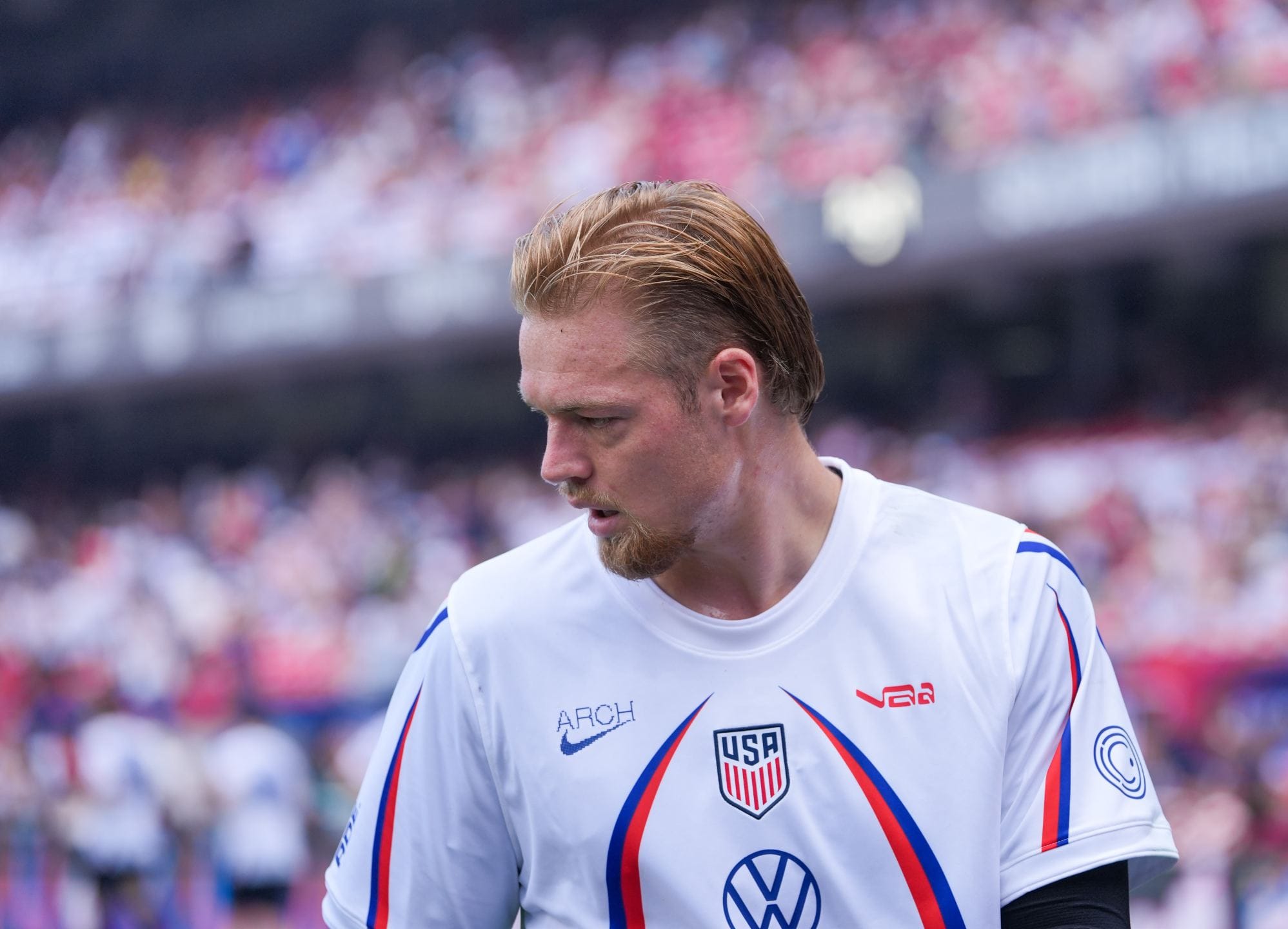 Have to admit, Chris Brady wears these colors well. (Barbara Calabrese/MIR97 Media)
Freese along with Schulte and Roman Celentano would all have been in the running, but given his age and experience, you’d think Brady would have the inside track. (Nashville’s Brian Schwake, two years older than Brady, could push his way into the conversation with more play like he’s been putting up this year, and Diego Kochen and Jonathan Klinsmann, both based in Europe, could both push their way into the conversation.)
With Freese likely getting the nod this from Pochettino, however, it’s easy to see him starting for the US in 2030.
On the other hand, advanced statistics already have Brady putting up better numbers than Freese advanced statistics, and despite being five years younger than the NYCFC goalkeeper, Brady has more MLS starts. He’s going into this World Cup knowing it could be a once-in-a-lifetime experience, but he’s a competitor, and in his heart of hearts, I think he feels like the next time around, he’ll be going in with a larger role to play.
Gregg Berhalter had advice to his starting GK Chris Brady on how to approach the World Cup experience:
“Embrace every moment, because this is going to be an experience that’s unlike any other.”
— Tim Hotze (@timhotze.com) 10:14 AM · Jun 7, 2026
I wouldn’t bet against Brady, pretty much ever.
2. The USMNT can battle back
Most USMNT matches over the past year – more than half of Poch’s tenure at the helm of the squad – have gone one of two ways: The US can come out flying, get an early goal, and never look back, or they come out looking tentative and struggle to get a result.
In November, Seb Berhalter scored in the 17th minute and the team went on to demolish Uruguay 5-1, the South American squad’s worst loss in more than a decade. Against Senegal last week, the USMNT got an even earlier goal and although the game was later equalized at 2-2, the hosts went on to win.
Against Belgium in March, Weston McKennie gave the USMNT a lead in the waning minutes of the first half, but Belgium soon equalized and the US went on to lose 5-2. Three days later, the US faced Portugal, outshooting the European side in the first half but still going down in the 36th minute. In the second half, they were outshot and didn’t end up scoring in a 2-0 defeat.
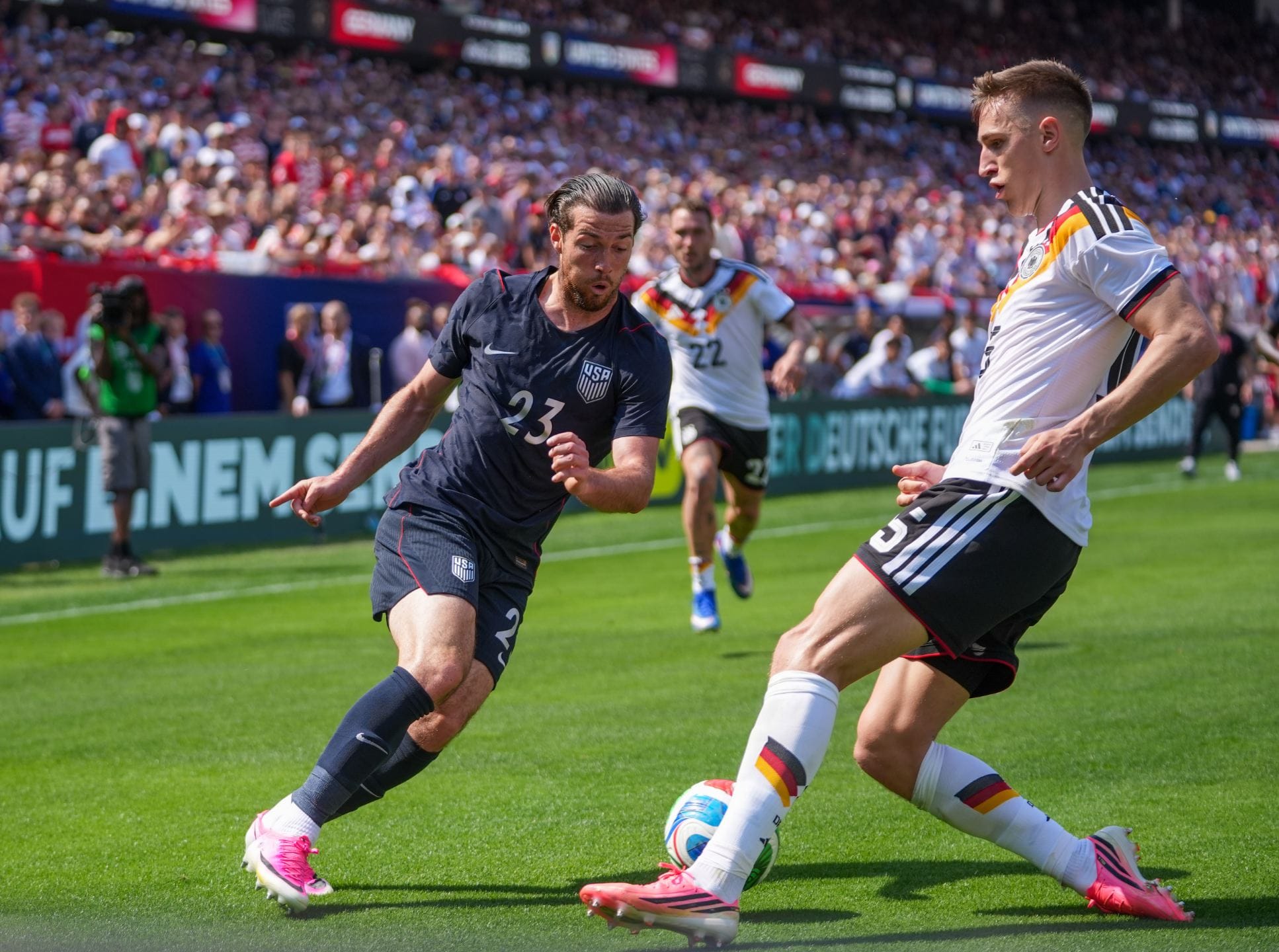 The USMNT conceded early but battled back and fought Germany till the end. (Barbara Calabrese/MIR97 Media)
That’s what makes the performance against Germany special: The USMNT conceded a goal less than two minutes in but afterwards, the Americans became the protagonists. Even if no one could have predicted that Antonee Robinson would give us one of the best goals you’ll see in your life, it felt like an equalizer was going to come from somewhere.
Germany went on to win – ultimately, their squad has both talent and depth that the US can’t match – but the ability to stick to the game plan and battle back after going down is something we haven’t really seen from this squad.
Virtually every player we heard from after the game, from Brenden Aaronson to Alex Freeman to Christian Pulisic zeroed in on the tenacity of the US squad in finding a way to level things at half. The group wasn’t happy with the result, but from Pochettino on down, they were justifiably happy with the performance. The visitors, meanwhile, took things in stride and were content with the result but seemed less than thrilled with the performance (even after adjusting for the fact that they’re, well, German).
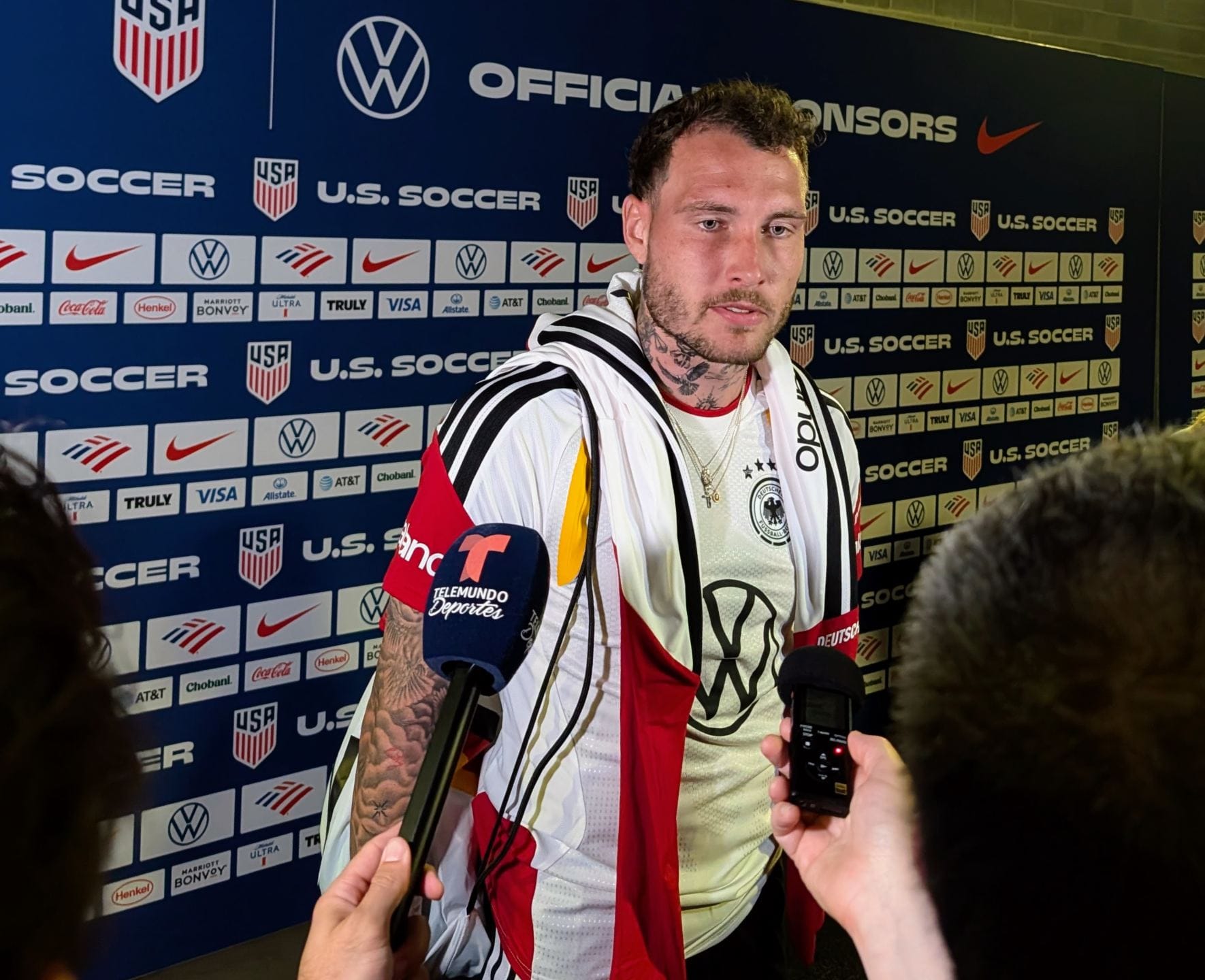 Germany’s David Raum took the win in stride but were understandably less than thrilled with the overall performance. (Tim Hotze/MIR97 Media)
The US’s prospects feel a lot brighter if they can go down and still implement their game plan successfully, and we saw that yesterday.
3. Chicago still knows how to host a soccer party
For a few brief moments in 1994, Chicago was the center of the soccer world, with Soldier Field serving as the site for the World Cup opening ceremony (featuring Oprah Winfrey and Diana Ross, amongst others) and opening match, with Germany facing off against Bolivia.
This time around, of course, Chicago won’t host any World Cup matches, with then-mayor Rahm Emmanuel bucking about 150 years of Chicago political history and refusing to get in bed with a corrupt organization and accede to FIFA’s demands for host cities.
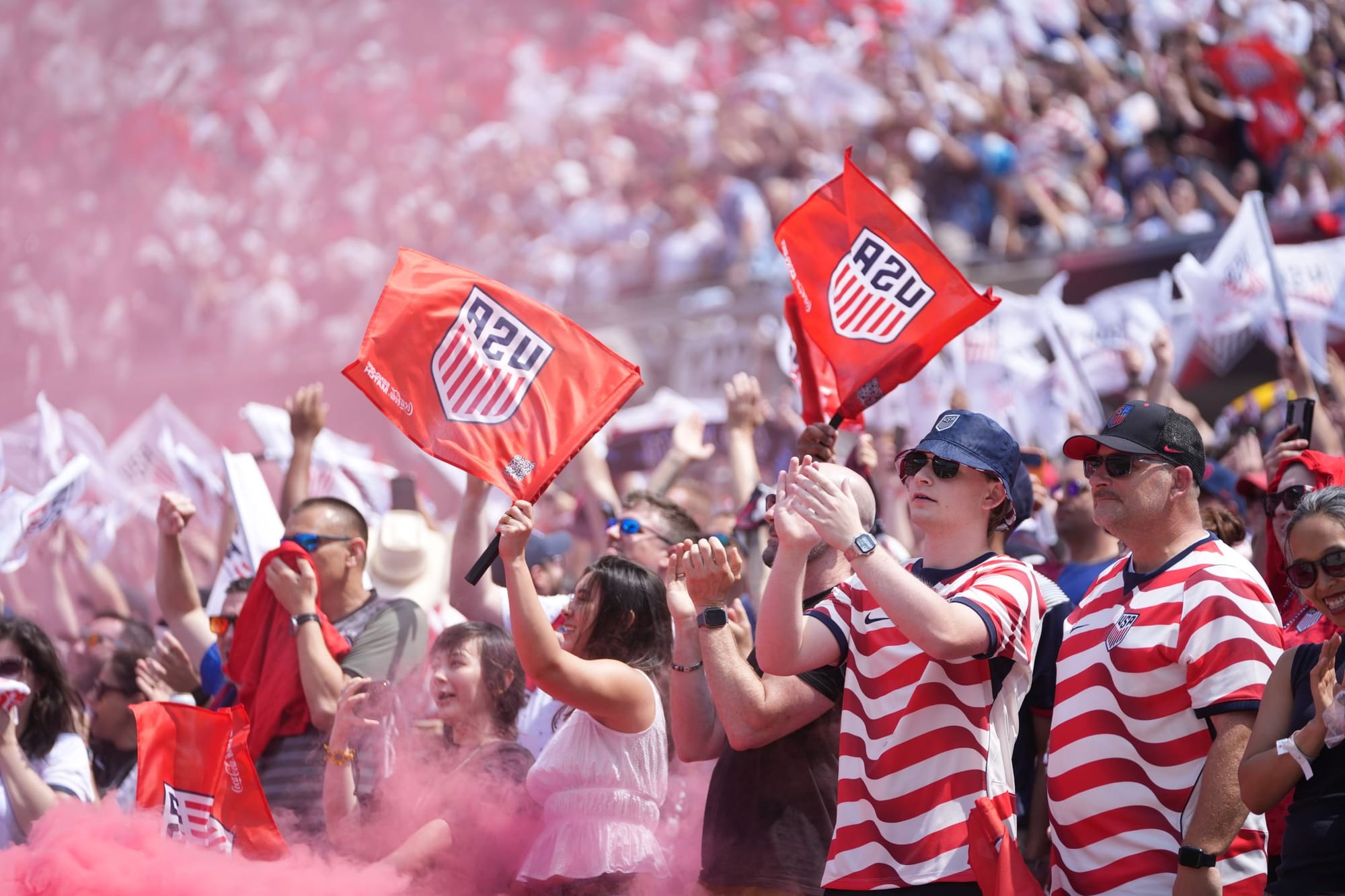 The crowd and atmosphere at Soldier Field were fantastic. (Barbara Calabrese/MIR97 Media)
As consolation prizes go, though, hosting the USMNT in their send-off game ahead of a home World Cup is nothing to sneeze at. Hours before kickoff, the fan fest outside of Soldier Field was bumping, with people of all ages finding things to do (some, like taking PKs against a giant skeleton at the Home Depot booth, healthier than others – when this reporter walked in about four hours before kickoff, the bar was already open serving alcoholic beverages, and by the time I left about an hour later, there was a line of people waiting for drinks).
The real party, though, was inside. The vibes were high from fans of both teams, both before and during the match, and a few minutes of rain in the first half did little to dampen the enthusiasm. International friendlies are increasingly an endangered species, and they can often be dull, lifeless affairs. This, however, was anything but, both on and off the pitch ‒ and unlike many other matches that the USMNT play in this country, it was fans in various combinations of red, white and blue that greatly outnumbered those of the other team.
USMNT fans showed out in the last friendly before the FIFA World Cup 🇺🇸
(via X/Sandherrera_) pic.twitter.com/z120ofPK0l
— FOX Soccer (@FOXSoccer) June 6, 2026
The sellout crowd of 63,636 – a few hundred more than attended that 1994 opener in a pre-renovation Soldier Field 32 years ago – was bumping, with the city’s skyline serving as a beautiful backdrop for the game.
Chicago may not be hosting the World Cup, but this game served as a reminder that even as the local game has grown – between Brady and Brian Gutiérrez, there’s two local products featured in this tournament – the city can still throw a party for the global game.